
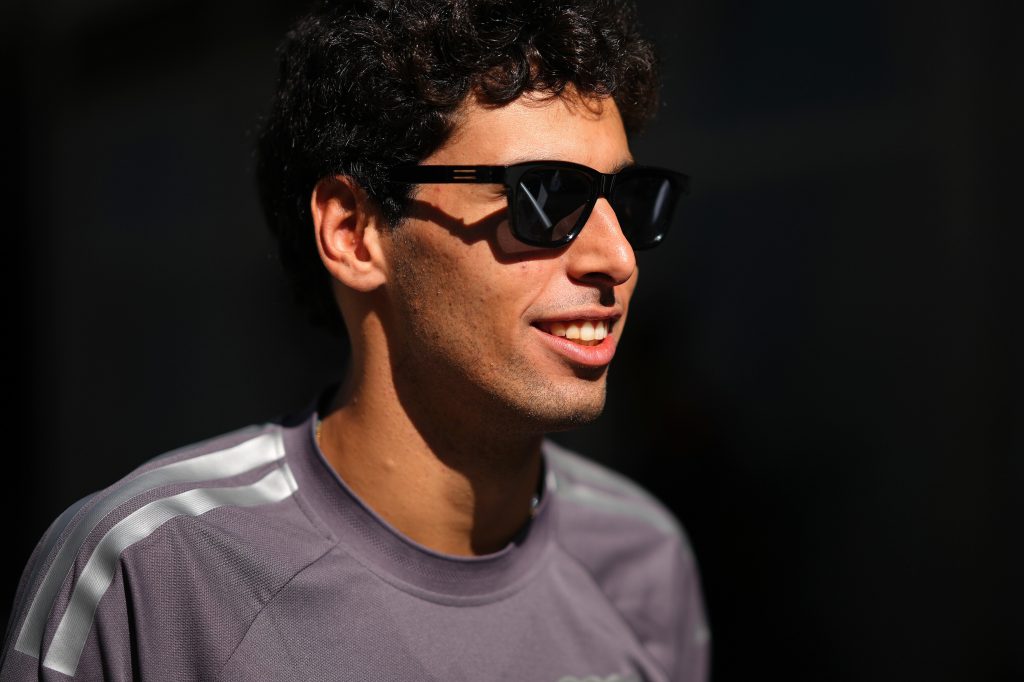
Brazilian motorsport fans spent over ten years carrying a quiet, persistent frustration. Ever since Felipe Massa stepped away from a full-time seat, a country steeped in racing royalty, the land of Senna, Piquet, and Fittipaldi, has watched Formula 1 without a single local driver to cheer for on Sunday afternoons.
Gabriel Bortoleto changed all that. But if you look closely at his rise, it isn’t just another generic feel-good story about a talented young kid tearing through the junior ranks. His step up to top-tier single-seaters actually represents a massive, structural shift in how South American talent reaches the top of global motorsport.
Breaking the European Mold
For years, the journey from Brazil to Europe had been tough for young talent. You had to navigate unfamiliar tracks, cold weather, foreign racing cultures, and well-entrenched European driver academies that already held all the political cards.
Bortoleto’s group took a completely different path. Rather than relying purely on local money and fingers crossed for luck, his management team, working alongside Fernando Alonso’s A14 setup, linked him directly with key technical personnel across Europe early on.
Look at how things used to run versus how Bortoleto’s team built his career. The previous pipeline was from local karting straight to European F4, taking such huge financial risks without a safety net. The modern template thrusts a young driver straight into European engineering networks. It gives them access to top-tier simulators and telemetry training long before they ever get to see the inside of a high-downforce cockpit.
And that preparation paid off. Bortoleto sidestepped the particular dangers that had brought down previous generations of talented South American drivers by pairing technical instruction with smart job placement.
Mastering Ground-Effect Telemetry
The way that you have to drive these cars now, compared to what the guys were doing 10 years ago, is completely different. Raw bravado won’t cut it for ground-effect cars. They need smooth, surgical precision.
You have to keep the chassis flat for the underbody aero to work, control pitch under heavy braking, and preserve tire life over long runs without cooking the rears. Look at Bortoleto’s telemetry from his title-winning Formula 3 and Formula 2 campaigns, and a clear pattern emerges.
Smooth inputs on the steering keep the floor sealed through high-speed sweepers. He has an astonishing, almost instinctual feel for rear slip angles and can keep his temperatures down on brutal tracks like Barcelona and Silverstone. On top of that, he’s got clean wheel-to-wheel racecraft, picking up positions without picking up unwanted penalty points or flat-spotting his compounds.
When he walks into an engineering debrief, he is not just describing what the car feels like. He translates setup quirks into raw, usable feedback. That technical literacy is exactly what modern teams crave.
Rebuilding the Local Ecosystem
A driver making it to the top level always creates ripples back home. For years, Brazilian companies were hesitant to sponsor young karting talent because the road to a professional seat felt broken and unpredictable.
Bortoleto’s success injected real confidence back into the domestic scene. Sponsors can finally point to a clear, functioning path from regional karting to global racing grids. That change is already helping the next wave of homegrown talent, like Ferrari junior Rafael Câmara, lock in better funding models before making their own moves abroad.
Global entertainment and sports platforms are taking advantage of this enormous revival in South American viewership. With the expansion of digital channels, it is now essential to evaluate user engagement and audience reach across sports platforms.
For a closer look at how interactive platforms handle audience metrics and user experience in high-traffic sectors, checking out a detailed BC.Game Casino review offers a good look at how modern digital platforms manage scale and global fan interaction.
Handling the Weight
Driving for a nation with eight World Championships brings an enormous amount of noise. The Brazilian sports media can crown you a hero on Saturday and tear you down by Sunday evening if things go sideways.
And the great thing about Bortoleto is not only his pace, but also his quiet demeanor. He is calm on the radio, methodical in the garage, and sees race weekends as an engineering problem to be solved, not a national drama. He knows he wants to stay in single-seaters long term; it’s about incremental gains, clean weekends, and working seamlessly with his telemetry engineers.
The lesson is clear for every kid in a kart sitting in São Paulo right now. Having a rich racing heritage may open the garage door, but technical discipline, adaptable racecraft, and sharp career management are what keep you inside the paddock.
