News Summary
- GT World Challenge Europe is a major international GT3 championship, featuring professional drivers, customer racing teams and leading sports-car manufacturers.
- Max Verstappen will share a Mercedes-AMG GT3 EVO #3 with Chris Lulham and Ben Barnicoat in the three-hour Portimão finale.
- The event features different competitive classes, mandatory driver changes and a qualifying format based on the performances of all three drivers.
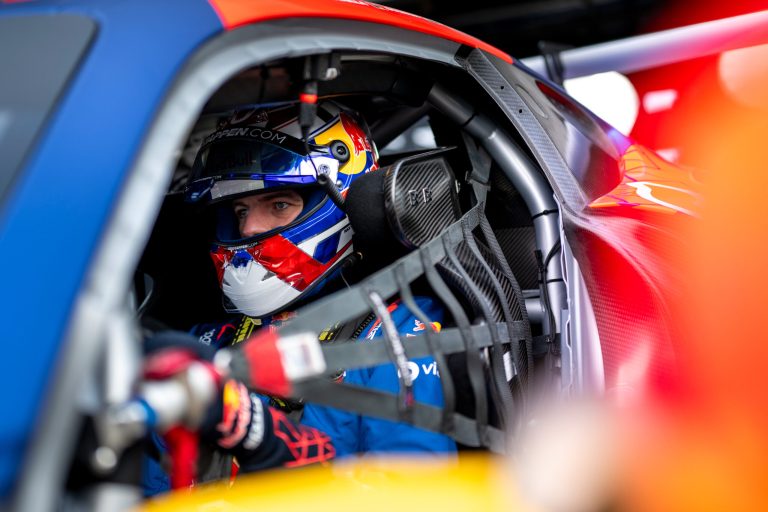
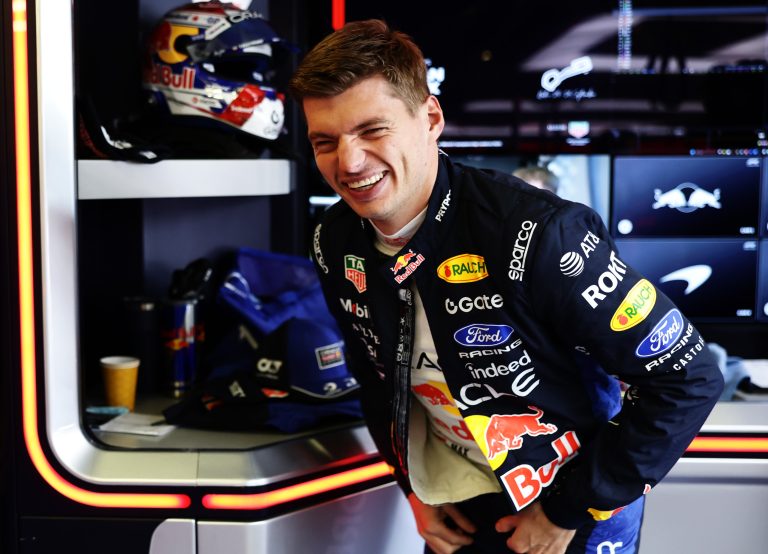
Max Verstappen will compete in the GT World Challenge Europe Endurance Cup finale at Portimão on Saturday, October 17, introducing Formula 1 fans to a championship where multiple drivers share production-based GT3 racing cars.
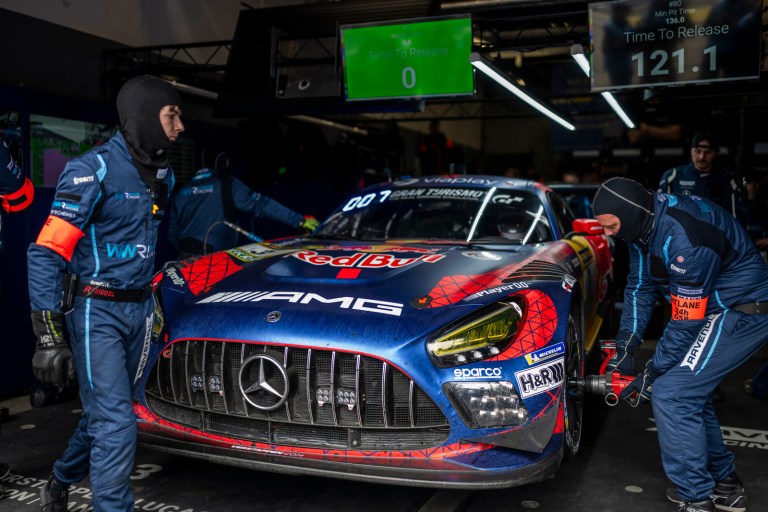
The four-time F1 world champion will drive a Mercedes-AMG GT3 EVO entered by Mercedes-AMG Team Verstappen Racing, alongside Chris Lulham and Ben Barnicoat.
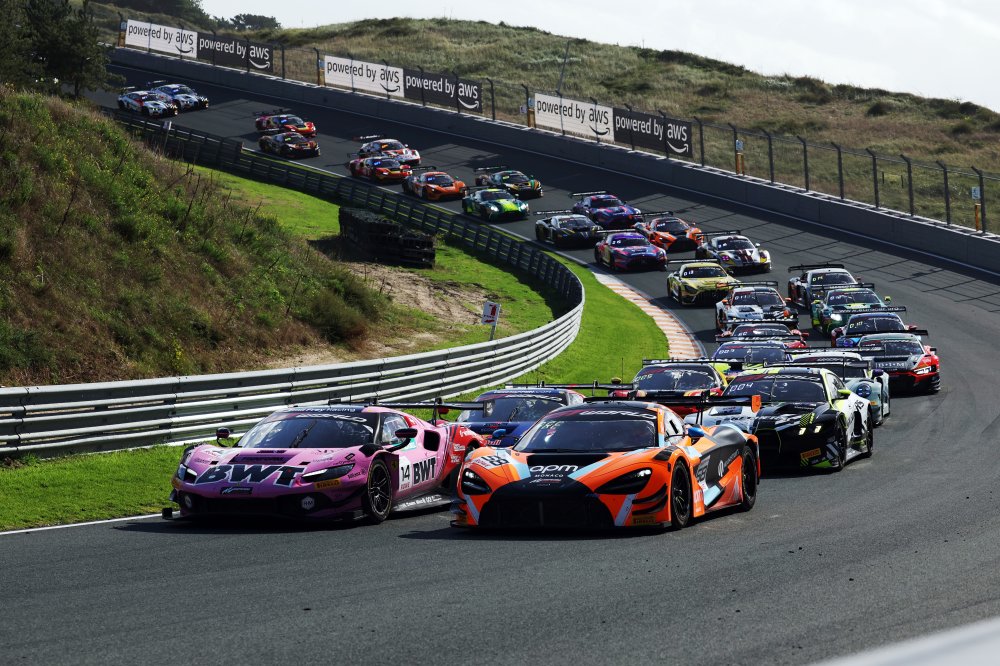
Unlike Formula 1, where drivers race individually in single-seaters, GT World Challenge Europe brings together professional and amateur-rated drivers competing in GT3 sports cars from several manufacturers.
The championship is organised by SRO Motorsports Group and features two main formats: Sprint Cup and Endurance Cup.
What is GT World Challenge Europe?
GT World Challenge Europe is a sports-car racing championship contested by cars built to the international GT3 regulations.
The grid features models developed from high-performance road cars, including machinery from Mercedes-AMG, BMW, Ferrari, Porsche, Lamborghini, Aston Martin, McLaren, Audi and other manufacturers.
The series is divided into two competitions.
Sprint Cup events feature shorter races, typically lasting one hour, with two drivers sharing each car.
Endurance Cup events feature longer races, generally lasting three hours, with major exceptions such as the 24 Hours of Spa.
Teams can contest either competition or participate in both, contributing to the overall GT World Challenge Europe standings.
Verstappen is entering the Endurance Cup finale, where he will compete against established GT specialists and other well-known drivers from international motorsport.
What cars race in GT World Challenge Europe?
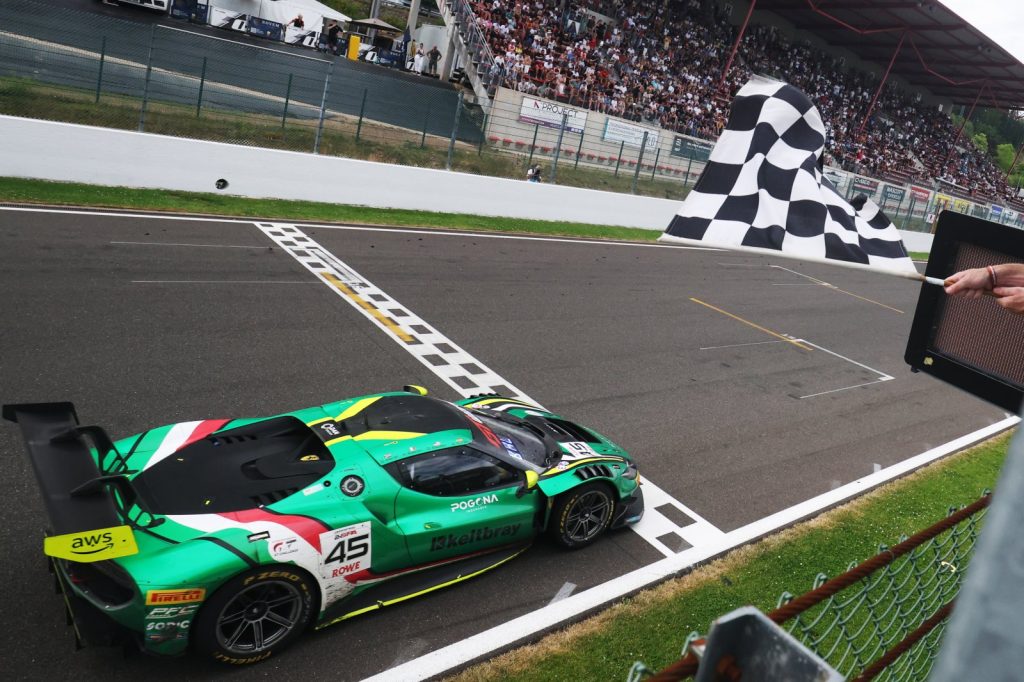
Every car competing in the championship must comply with GT3 regulations, but the different manufacturers use distinct technical layouts and engine configurations.
| Manufacturer | GT3 model at Portimão |
|---|---|
| Mercedes-AMG | GT3 EVO |
| BMW | M4 GT3 EVO |
| Ferrari | 296 GT3 EVO |
| Porsche | 911 GT3 R EVO |
| Lamborghini | Temerario GT3 |
| Aston Martin | Vantage AMR GT3 EVO |
| McLaren | 720S GT3 EVO |
| Audi | R8 LMS GT3 EVO II |
The cars are purpose-built racing machines derived from production sports-car designs, with specialised aerodynamics, racing suspension, slick tyres and extensive safety equipment.
GT3 cars are considerably heavier than Formula 1 cars, and their performance depends on a combination of engine power, mechanical grip, aerodynamic efficiency and tyre management.
The Mercedes driven by Verstappen features a naturally aspirated 6.2-litre V8 engine, rear-wheel drive and an enclosed cockpit.
The Dutchman’s entry is operated by 2 Seas Motorsport under the Verstappen Racing banner.
Read more about why Verstappen races a Mercedes despite his Red Bull Formula 1 commitments.
What is Balance of Performance in GT3 racing?
One of the biggest differences between Formula 1 and GT3 competition is the use of Balance of Performance, commonly known as BoP.
Because manufacturers build different cars with different engines, dimensions and aerodynamic characteristics, the championship uses technical adjustments to bring their potential performance closer together.
These adjustments can include changes to minimum vehicle weight, engine power and other regulated parameters.
The objective is to prevent one manufacturer from gaining a persistent advantage simply because of its original vehicle design.
BoP does not guarantee identical lap times. Drivers, engineering, setup, strategy and tyre management remain important factors in determining the results.
For Verstappen, the system means his Mercedes will compete under technical conditions intended to balance it against cars such as the BMW M4 GT3 EVO and Ferrari 296 GT3 EVO.
What are the different GT World Challenge Europe classes?
Although the cars compete on the same track, the championship separates entries into classes according to driver ratings and permitted crew combinations.
| Class | General description |
|---|---|
| Pro | Professional driver crews competing for overall honours |
| Gold Cup | Line-ups meeting the category’s Gold Cup rating rules |
| Silver Cup | Line-ups built around Silver-rated drivers |
| Bronze Cup | Line-ups combining amateur-rated drivers with eligible teammates |
Driver classifications follow the FIA rating system, which places competitors into Platinum, Gold, Silver and Bronze categories.
The classification considers factors such as experience, results, age and professional background.
Verstappen Racing’s #3 Mercedes is entered in the Pro class, placing the Dutchman and his teammates among the crews competing for overall victory.
Different class entries race simultaneously, meaning drivers must manage traffic involving cars competing for separate championship positions.
How does qualifying work at Portimão?
Qualifying in the Endurance Cup differs significantly from Formula 1.
Instead of a single driver setting the grid position, all three members of a crew contribute to the car’s qualifying result.
The 2026 format uses three qualifying segments, with each driver participating in one.
Each segment is divided into two groups. Silver Cup and Bronze Cup cars run in Group A, while Pro and Gold Cup entries compete in Group B.
The combined qualifying performance determines the grid order.
For Verstappen Racing, this means the lap times recorded by Verstappen, Lulham and Barnicoat will all matter, rather than the Dutchman’s individual pace alone.
The Portimão qualifying session is scheduled for Friday, October 16, at 17:55 local time in Portugal, equivalent to 13:55 in Brasília.
How do driver changes and pit stops work?
The Portimão finale is a three-hour endurance race, with Verstappen, Lulham and Barnicoat sharing the same Mercedes.
Drivers rotate through the cockpit during pit stops, when teams can also service the car and change tyres.
The sporting regulations establish maximum driving-stint limits and mandatory pit-stop requirements, which teams must respect throughout the event.
The exact stint limits are specified for each event, rather than allowing drivers to remain behind the wheel indefinitely.
Teams must therefore plan their driver order, tyre usage and pit-stop timing while responding to traffic, safety cars and changing race conditions.
The winning car is the entry that completes the race distance first, regardless of which of its three drivers is behind the wheel at the finish.
Who will Verstappen race against?
The Portimão entry list includes more than 60 GT3 cars, with leading international endurance drivers competing for overall and class honours.
Among the most recognisable names is Valentino Rossi, the nine-time motorcycle world champion, who will drive a BMW M4 GT3 EVO for Team WRT.
Rossi will share the #46 BMW with Max Hesse and Neil Verhagen, placing him in the same Pro category as Verstappen.
The field also includes experienced GT drivers such as Maro Engel, Lucas Auer, Charles Weerts, Kelvin van der Linde and Jordan Pepper.
Verstappen’s teammates are Chris Lulham and Ben Barnicoat, both experienced in different forms of GT and endurance competition.

When is the GT World Challenge Europe race at Portimão?
The season finale takes place on Saturday, October 17, at 17:00 in Portugal, with the race scheduled to last three hours.
| Location | Race start |
|---|---|
| Portugal | Saturday, 17:00 |
| United Kingdom | Saturday, 17:00 |
| Brazil — Brasília | Saturday, 13:00 |
| United States — Eastern | Saturday, 12:00 |
| India | Saturday, 21:30 |
| Australia — Melbourne | Sunday, 03:00 |
| New Zealand | Sunday, 05:00 |
GRANDE PRÊMIO will broadcast the GT World Challenge Europe event live on GPTV and YouTube, including practice, qualifying and the race.
Coverage of Saturday’s race is scheduled to begin at 12:30 Brasília time, ahead of the 13:00 start.
Viewers can follow the coverage through the GPTV YouTube channel, subject to availability in their territory.
The full details of where Verstappen is racing this weekend are available on GRANDE PRÊMIO.