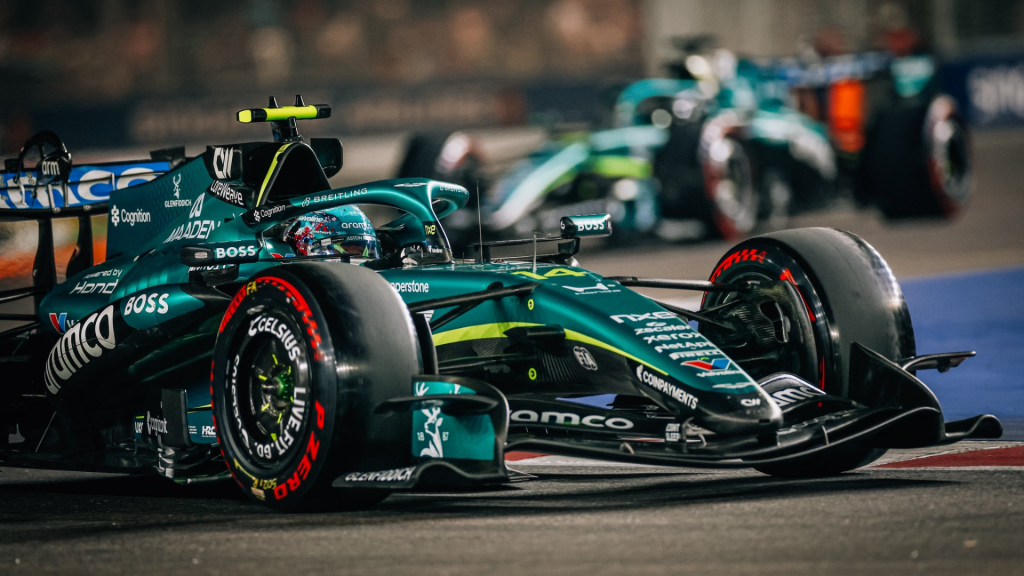
Fernando Alonso criticised Honda’s power unit after finishing 16th in the Singapore Grand Prix on Sunday, describing its performance as “ridiculous” following a race disrupted by electrical energy deployment problems, turbo lag and significant straight-line losses.
The two-time Formula 1 world champion had expected Marina Bay’s slow corners to offer Aston Martin an opportunity to challenge for points. Instead, the AMR26 struggled to deliver power consistently, leaving Alonso unable to defend positions even after the team made changes to the Honda power unit before the race.
“The energy… this engine is ridiculous,” Alonso complained over the team radio.
Alonso’s frustration became particularly evident after a Virtual Safety Car restart, when the Aston Martin failed to deploy electrical energy as expected. The problem compromised his acceleration and left him vulnerable to rivals on the straights.
Speaking to reporters after the Grand Prix, Alonso explained that the issue was not simply a lack of outright power, but the timing and location of the electrical energy deployment.
Alonso said the system repeatedly failed to deliver energy at the correct moments, costing him positions and considerable ground. He described a situation in which he believed he could overtake Sergio Pérez, only to lose a place to Isack Hadjar instead.
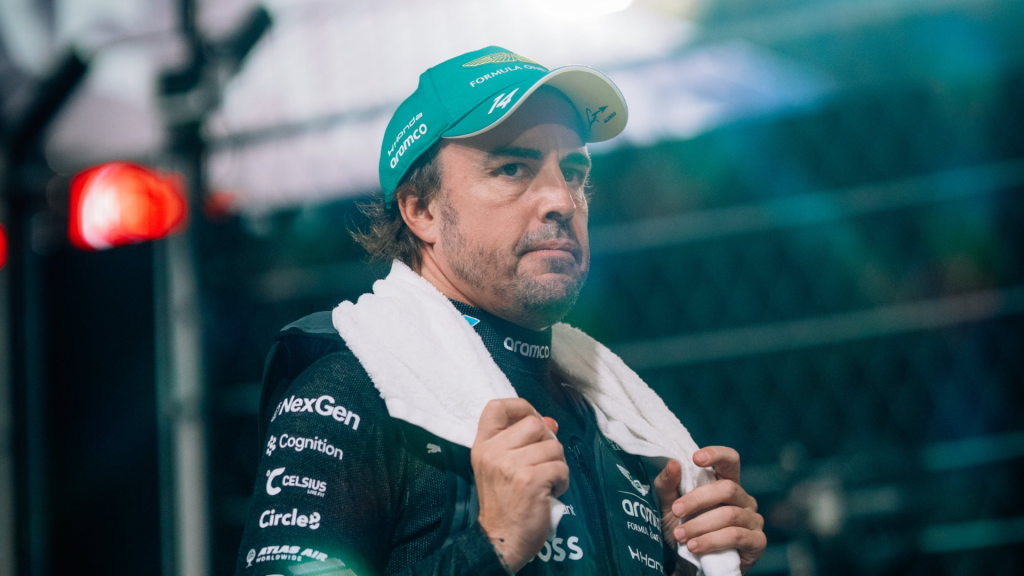
Honda power-unit changes fail to solve Aston Martin’s problems
Aston Martin had already attempted to address its difficulties before the race. Following a disappointing qualifying session, the team changed Alonso’s power-unit components and revised the car’s setup, forcing the Spaniard to start from the pit lane.
The changes included a replacement turbocharger, but the intervention failed to eliminate the drivability and energy deployment problems Alonso experienced during the Grand Prix.
Singapore had initially appeared to be one of Aston Martin’s more promising opportunities. The circuit’s slow-speed corners and tyre-management demands were expected to suit the AMR26 better than venues where straight-line performance played a greater role.
However, Alonso struggled with understeer as well as power delivery, leaving the team unable to exploit the car’s potential.
He acknowledged that Aston Martin could probably have extracted more from the race with a different approach, but said the team had been unable to solve the understeer problems throughout the weekend.
The Spaniard also highlighted the contrast with recent races. Alonso had finished eighth at Sepang, while Aston Martin had shown more encouraging performance through the opening sectors at Baku.
According to Alonso, the same energy deployment problems had not appeared in Malaysia or in the early sectors of the Azerbaijan circuit, suggesting that the Singapore difficulties could be linked to the specific demands of Marina Bay. However, he acknowledged that the team did not yet have an explanation.
Alonso warns of problems at Mexico and Las Vegas
The concerns extend beyond the disappointing result in Singapore. Alonso believes Aston Martin and Honda must understand the behaviour of the power unit before the championship reaches other circuits with demanding acceleration zones and slow-speed corners.
He identified Mexico and Las Vegas as potential challenges, warning that the combination of turbo lag and inconsistent energy delivery could cost the team further performance.
Alonso said the engine had not performed as expected and stressed the need to address both drivability and turbo response before the upcoming races. The problems had become particularly costly in Singapore, where repeated acceleration from low-speed corners exposed the car’s weaknesses.
The Spaniard estimated that Aston Martin was losing between 200 and 300 metres on some straights, illustrating the scale of the deficit he experienced during the Grand Prix.
The problems were especially frustrating because Alonso had demonstrated his ability to gain positions in traffic. His race included an aggressive move past Valtteri Bottas at Turn 13, but the technical limitations prevented him from turning those moments into a points finish.
The disappointing performance came just one week after a more encouraging result in Malaysia, reinforcing the inconsistency that has affected Aston Martin’s first season with Honda under Formula 1’s 2026 power-unit regulations.
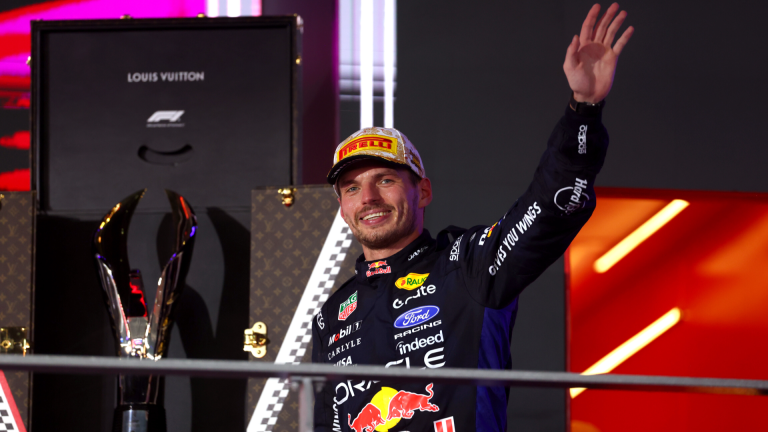
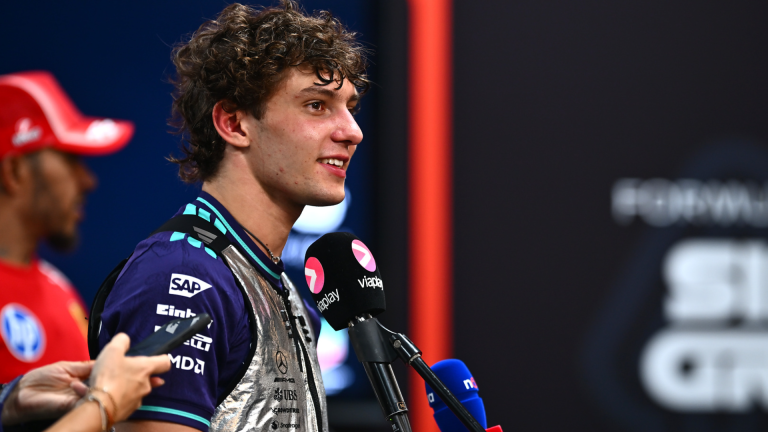
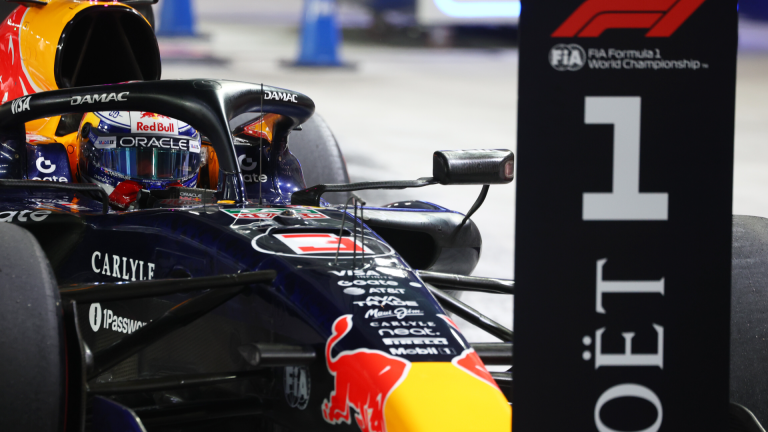
Alonso’s difficulties also contrasted with the performance of the leading teams. Max Verstappen won the Singapore Grand Prix ahead of Charles Leclerc and Kimi Antonelli, while Aston Martin was unable to convert its expected strengths at Marina Bay into a competitive result.
Formula 1 returns for the United States Grand Prix at Circuit of the Americas in Austin on October 23–25. GRANDE PRÊMIO continues its Formula 1 coverage as Aston Martin and Honda investigate the problems experienced in Singapore.