Summary
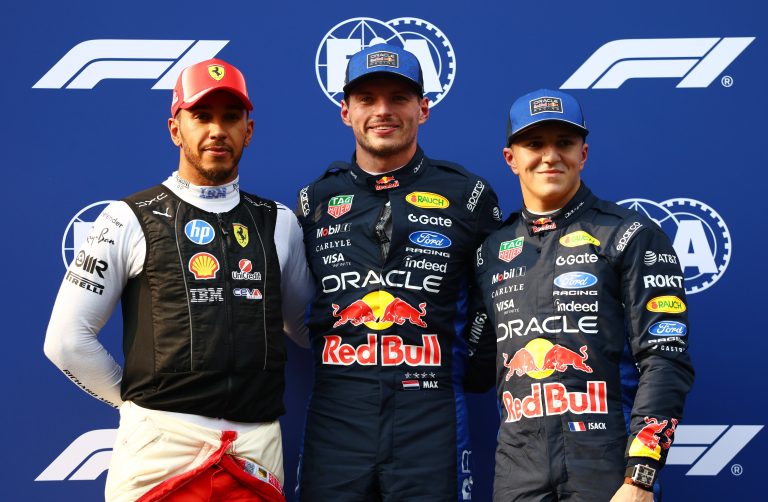
- Antonelli starts third, behind Verstappen and Hamilton.
- The Mercedes driver expects a powerful undercut to create opportunities.
- High degradation could produce a race with two or three stops.
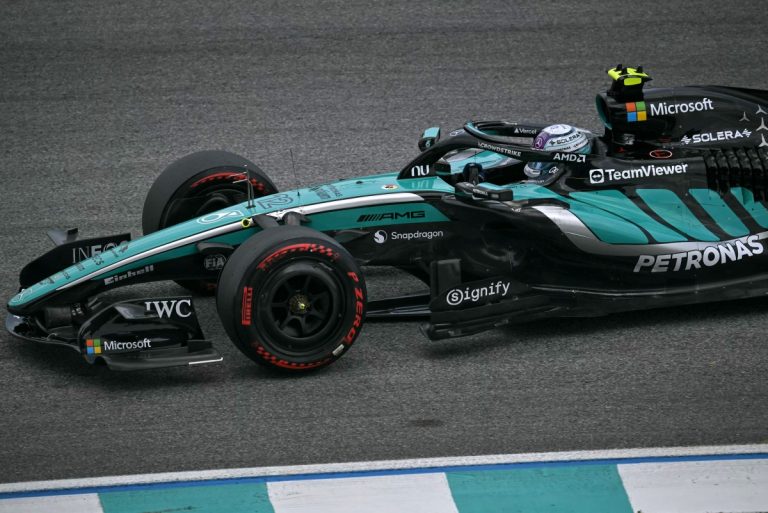
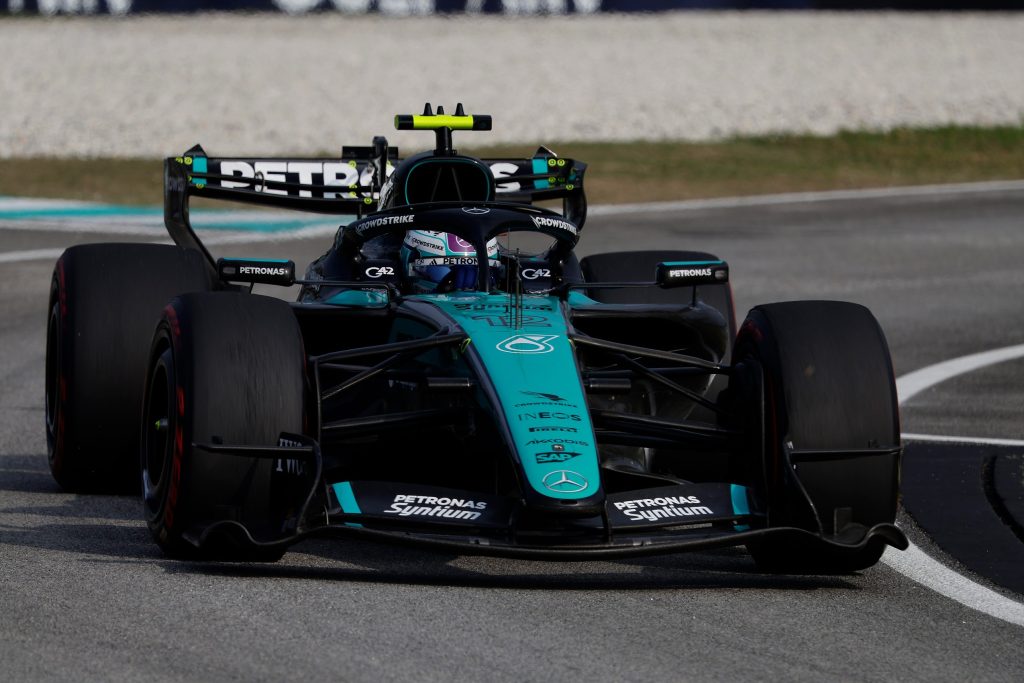
Kimi Antonelli plans to attack through strategy in Sunday’s Bahrain Grand Prix in Malaysia, identifying the undercut as an opportunity to recover after Mercedes’ disappointing qualifying performance. Starting third behind Max Verstappen and Lewis Hamilton, the championship leader expects tyre degradation to play a decisive role.
Antonelli finished qualifying fourth but gains a position through Isack Hadjar’s penalty. His Saturday had begun with the fastest time in final practice, raising expectations that Mercedes could challenge for pole in Formula 1’s return to Sepang.
Antonelli believes the front row was possible
A track-limits infringement in Q2 forced Antonelli to use another set of soft tyres to secure his progression. That left him with only one new set for Q3, reducing his opportunities to improve when the final positions were decided.
“I did what I could, but definitely with another set, we could have fought for front row – not P1, because Max [Verstappen] was just too quick today. So probably front row was possible today, but obviously a shame with the track limits and we’ll try to do our best tomorrow,” Antonelli said after qualifying at Sepang.
Hadjar’s penalty nevertheless puts the Mercedes driver on the second row, immediately behind the two most successful drivers on the grid. Antonelli welcomed the improvement in his starting position and turned his attention to what might be achievable over the race distance.
“We’ll try to do our best with what we have,” the Mercedes driver explained. “Deg is going to be very big – we’ll see if it’s going to be a matter of two stops, three stops.”
“Also, rain is around tomorrow. So yeah, we’ll try everything we can, and I’m looking forward to it tomorrow,” he added.
Why Antonelli wants to use the undercut
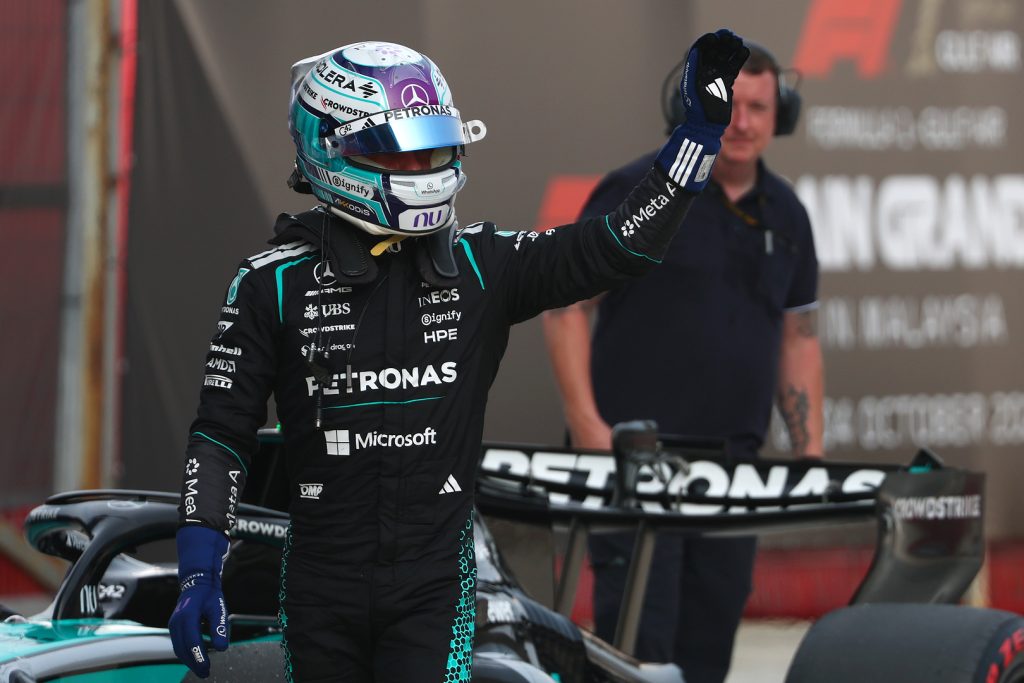
Antonelli’s preferred approach is to attack when a pit-stop opportunity opens, rather than rely entirely on overtaking the leaders on track. He believes the performance difference between fresh and worn tyres could make an early stop particularly effective.
“It’s going to be a race where we will attack because undercut is incredibly powerful,” he said.
An undercut involves stopping before a rival and using fresh tyres to gain time while that rival continues on an older set. If the advantage is sufficient, the chasing driver moves ahead once the other car completes its stop.
At Sepang, the potential reward comes with a trade-off. Stopping earlier also extends the distance that must be covered during the following stint, while traffic can prevent a driver from making full use of the fresh tyres.
Mercedes will therefore need to judge the opportunity against the remaining race distance. An immediate gain in position is valuable only if the subsequent tyre management allows the driver to remain competitive.
Mercedes still needs to understand its upgrade
Antonelli explained that the rough surface and intense heat have complicated the assessment of Mercedes’ new package. Tyres moving outside their operating window leave the car sliding, making it harder to isolate the effects of the changes.
Mercedes’ Saturday provided sharply contrasting results: Antonelli led final practice but could not challenge Verstappen for pole. In the team’s subsequent assessment, he acknowledged that the circuit’s abrasive asphalt and hot conditions made consistent performance difficult.
His qualifying was also compromised by a track-limits infringement in Q2. The deleted lap forced him to use another set of soft tyres, leaving only one new set for Q3.
Antonelli believes a second fresh set could have helped him fight for the front row, but accepted that Verstappen’s pole pace was beyond reach. Third on the grid nevertheless keeps him close enough to the leaders to respond if a strategic opportunity develops.
Race pace will decide whether the plan works
Mercedes’ official assessment also identified multiple stops and the possibility of rain as potential openings. Antonelli’s optimism comes with a condition: the team needs competitive race pace to exploit them.
That distinction matters. An early stop can change track position, but maintaining that advantage requires the driver to keep the tyres effective throughout the stint.
For Antonelli, Sunday offers the chance to turn a disappointing qualifying session into a stronger result. The undercut is a tool for that recovery; the effectiveness of Mercedes’ race car will determine how far it can take him.
Formula 1 returns this weekend, from 2–4 October, to Malaysia, which hosts the Bahrain Grand Prix. GRANDE PRÊMIO will cover all the action at Sepang.
F1 today: FAQ
What time is F1 qualifying at Sepang?
Qualifying starts on Saturday, 3 October, at 16:00 Malaysia time. That is 09:00 BST in the UK, 04:00 EDT in New York and Toronto, 01:00 PDT in Los Angeles and Vancouver, 13:30 IST in India and 18:00 AEST in Sydney.
Did Lewis Hamilton receive a grid penalty for the Bortoleto incident?
No. Hamilton received a warning after impeding Gabriel Bortoleto during FP2 at Sepang. Ferrari was fined €10,000, but Hamilton will not lose grid positions over the incident.
Why were F1 lap times at Sepang over four seconds slower than expected?
Pirelli identified low grip, dust and an abrasive surface that increased tyre sliding and degradation. Friday’s benchmark was more than four seconds slower than its qualifying simulation reference, rather than four seconds slower than the 2017 race weekend.
Where does Kimi Antonelli start the Bahrain GP?
Antonelli starts third, behind Max Verstappen and Lewis Hamilton, after Isack Hadjar’s penalty.