Key Takeaways (TL;DR):
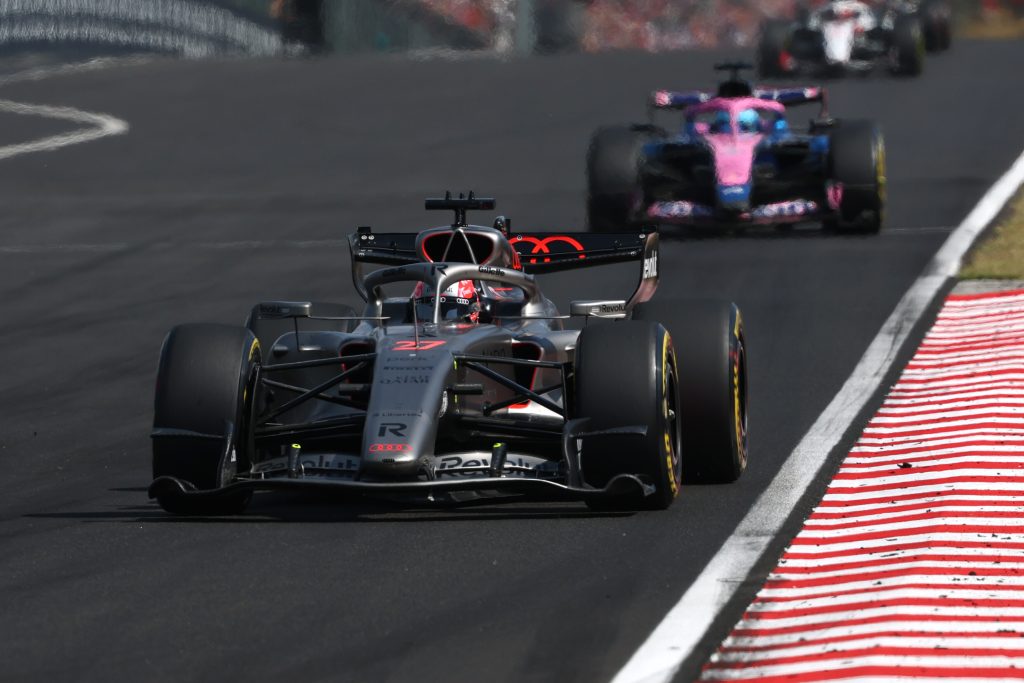
- Long-Term Strategy: Audi is taking a measured, step-by-step approach to its inaugural 2026 Formula 1 campaign, focusing on aerodynamic gains while delaying major power unit upgrades until 2027.
- ADUO Advantage: Benefiting from concessions granted to lagging engine manufacturers, Audi introduced a small software update in Barcelona and retains allowance for significant power unit revisions next season.
- On-Track Progress: The team has shown clear midfield progress during the European leg, with Gabriel Bortoleto securing two eighth-place finishes and Nico Hülkenberg scoring his first points with the team.
The first half of Audi’s debut Formula 1 season offers a compelling look into the phased execution of a project aiming for the top tier of global motorsport. As one of the most storied names in racing history—boasting dominant legacies spanning endurance racing and rallying—an unstructured approach was never on the table. Instead, firm and steady progress leaves a clear impression that significant development remains on the horizon.
Success in Formula 1 requires time, and the German manufacturer appears fully cognizant of the path ahead based on its planned upgrade roadmap. The primary hurdle during the first half of 2026 centered on power unit reliability—an expected challenge given the scope of the 2026 engine regulation overhaul and Audi’s debut as a works manufacturer.
However, Audi is not alone in navigating these technical hurdles. Even Mercedes, which claimed eight victories across the opening 11 races, suffered reliability setbacks on its cars. Consequently, early-stage engine issues are part of the learning curve, but Audi maintains control over when to extract maximum performance from its package.
Under the Additional Development and Upgrade Opportunities (ADUO) framework—which permits manufacturers with a proven power deficit to introduce supplementary engine upgrades—Audi was granted development concessions due to a performance gap exceeding 4% compared to power unit benchmark Red Bull Ford. While eligible for two engine upgrades in 2026 and two in 2027, Audi has elected to focus post-summer break efforts on aerodynamic development, holding major power unit revisions for 2027.
Audi Racing Director Allan McNish explained the rationale during the Hungarian Grand Prix weekend. “From our perspective at Audi, we introduced a small adjustment in Barcelona that worked well and aided our progression. However, the primary components will arrive in 2027. We will not see significant hardware revisions on the power unit side until then.”
“The update helped us, particularly through low-speed corners where we lacked baseline performance. We also made adjustments that improved overall drivability. It comes down to characteristics through slow-speed sections, which are crucial in those scenarios,” McNish added.
Driver Dynamics and Midfield Battles
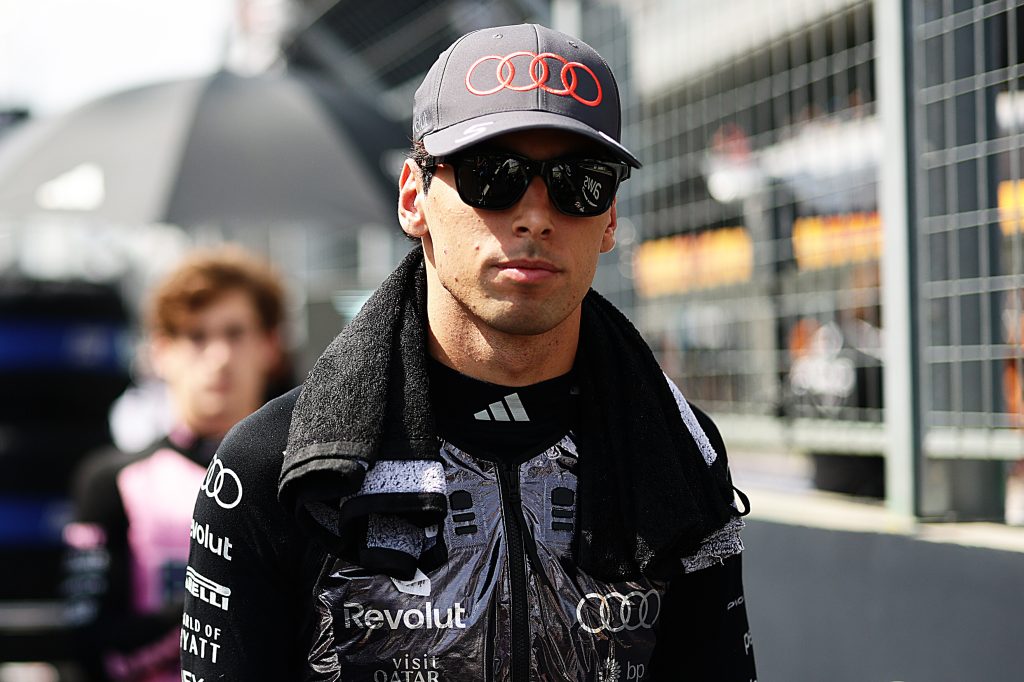
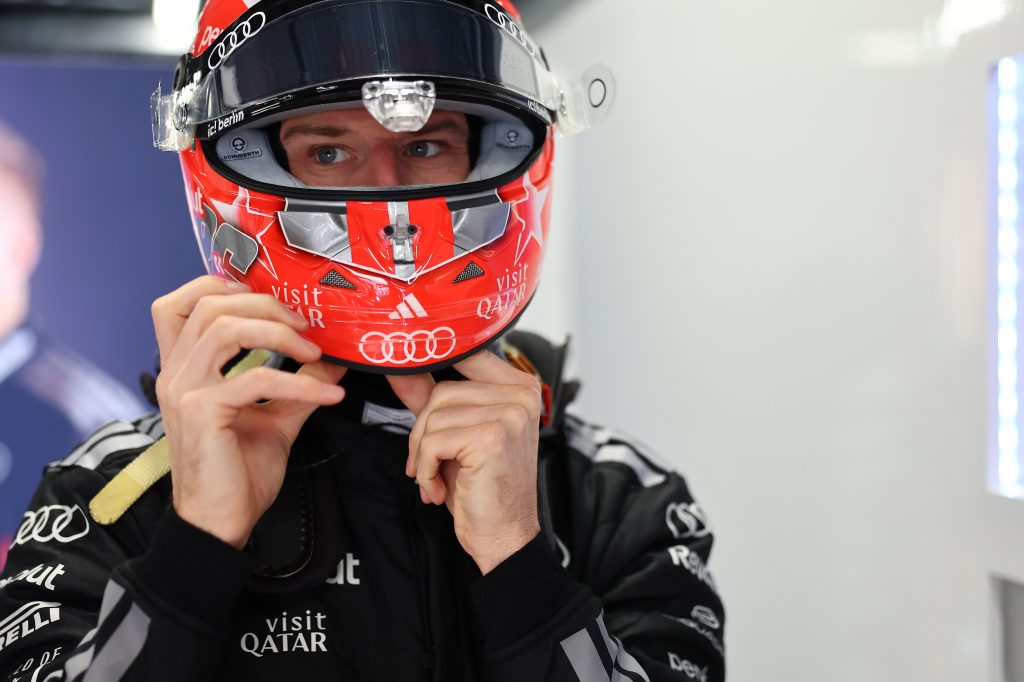
Audi broke through its mid-pack ceiling during the European leg of the season. Following the Spanish Grand Prix, the team scored points in three of the next four races, highlighted by two eighth-place finishes from Gabriel Bortoleto and a ninth-place result from Nico Hülkenberg—marking the veteran German’s first points with the team.
Bortoleto has demonstrated strong racecraft and acute tactical awareness in his second F1 season. After experiencing launch-system difficulties with the R26 early in the campaign, team adjustments brought to the Austrian Grand Prix provided more consistent race starts, laying the groundwork for subsequent points finishes.
“We are ahead of Alpine in pure execution,” Bortoleto noted at Spa-Francorchamps. “However, when wheel-to-wheel, overtaking through middle sectors remains difficult. On long straights, they pull away. Unless we qualify ahead and build a gap, racing them on power-sensitive tracks is tough. Circuits with fewer straights suit us better. Racing Bulls remains slightly ahead, but we are closing the gap.”
“We face a power deficit, which is something we accept for now. There is no need to dwell on it continuously because it is visible to everyone. The team is working hard behind the scenes to extract performance and prepare a stronger power unit foundation for the future,” the Brazilian added.
Circuit layout will play a crucial role in determining Audi’s midfield competitiveness through the second half of 2026. While high-speed layouts like Monza and Baku’s long straight present challenges, tighter circuits such as Singapore, the new street track in Madrid, Mexico, and Interlagos present opportunities for the R26 package.
Reliability remains the main operational hurdle preventing dual-car finishes. However, management views these growing pains as a necessary phase within a project targeting championship contention by 2030.
Formula 1 is currently on its summer break. Track action for the 2026 season resumes August 21–23 with the Dutch Grand Prix at Zandvoort.
Frequently Asked Questions (FAQ)
Why is Audi allowed extra engine updates under F1 regulations?
Under F1’s ADUO framework, power unit manufacturers that demonstrate a significant performance deficit (over 4%) compared to the top-performing engine are granted additional development allowances to close the gap.
When will Audi introduce its next major power unit upgrade?
Audi has chosen to focus its late-2026 development on aerodynamics, reserving its major hardware power unit upgrades for the 2027 season.