News Summary
- Rafael Câmara will become the first Formula 1 driver from Brazil’s Northeast, a historic milestone for a region traditionally underrepresented in the country’s most expensive sport.
- The Brazilian impressed Haas during private testing and built an exceptional junior career, but his Formula 1 debut has been brought forward unexpectedly following Esteban Ocon’s departure.
- Interlagos presents a difficult first test, particularly after Gabriel Bortoleto’s disastrous home weekend in 2025, but Câmara’s long-term prospects should not be judged on a single race.
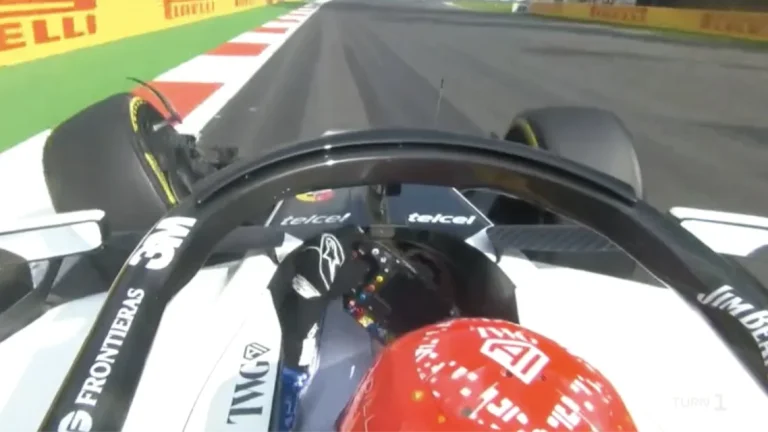
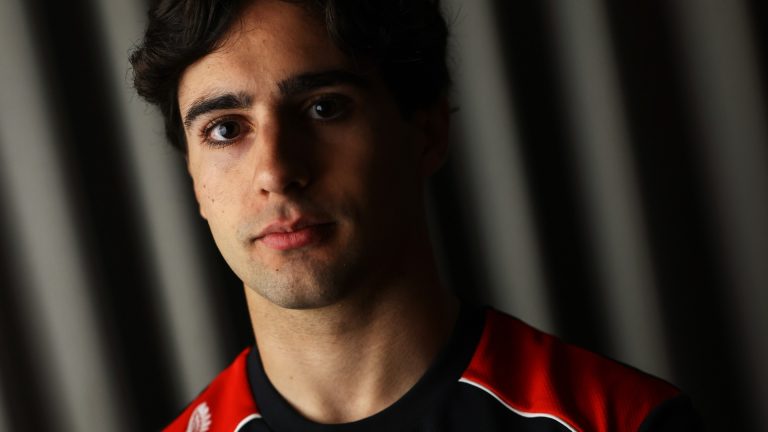
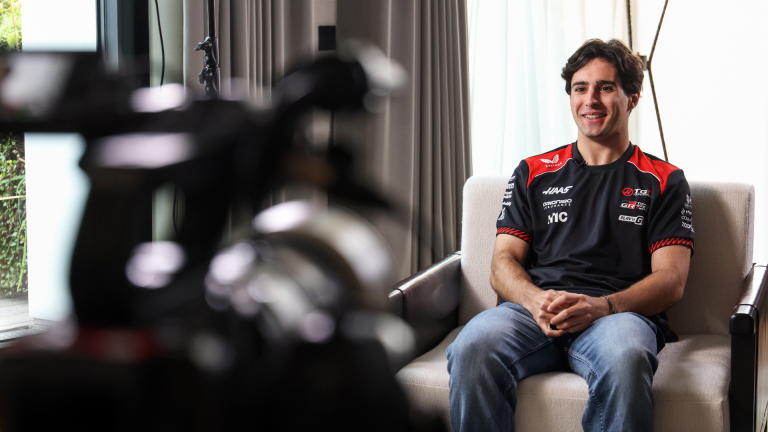
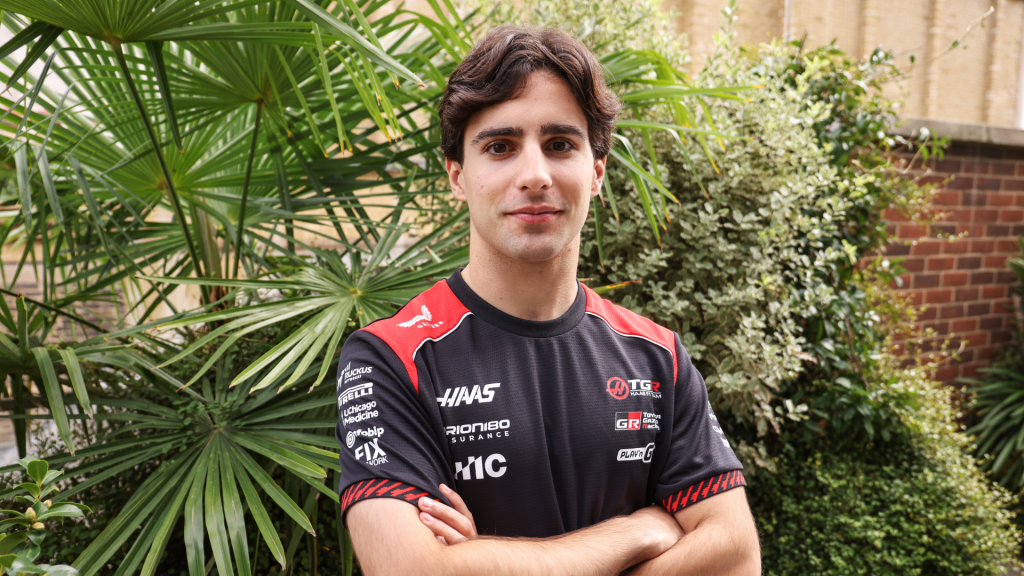
Rafael Câmara was supposed to have more time. More preparation, more opportunities to understand the machinery and perhaps even the chance to complete his Formula 2 title campaign before making the leap to Formula 1. Instead, the 21-year-old Brazilian will line up for Haas at the São Paulo Grand Prix this weekend, stepping into the seat vacated by Esteban Ocon months earlier than his expected full-time arrival in 2027. It is a remarkable opportunity, but also an unusually demanding introduction to the highest level of motorsport.
And perhaps the most important thing to understand about Câmara’s debut is that he has very little to prove in one weekend.

A historic arrival from a different part of Brazil
Brazil has produced some of Formula 1’s most celebrated drivers. Ayrton Senna, Nelson Piquet and Emerson Fittipaldi helped establish the country’s extraordinary relationship with the championship, while generations of Brazilian supporters grew accustomed to seeing their representatives compete for victories and world titles.
Yet the geography of that success tells another story.
Most Brazilian Formula 1 drivers have come from the country’s South and Southeast, particularly São Paulo and Rio de Janeiro, regions with greater economic resources, racing infrastructure and access to the networks required to build an international motorsport career.
Câmara was born in Recife, Pernambuco, in Brazil’s Northeast. He will become the first driver from that region to start a Formula 1 Grand Prix. That distinction matters far beyond motorsport.
The Northeast is home to tens of millions of Brazilians and has historically faced some of the country’s deepest economic inequalities. Despite its enormous cultural influence and sporting traditions, the region has rarely been represented at the highest level of international motor racing.
Formula 1 is an exceptionally expensive sport, even by the standards of professional athletics. Reaching its upper categories requires access to international competition, substantial financial backing, sophisticated technical preparation and years spent away from home.
Câmara’s achievement does not mean those structural barriers have disappeared. Nor should his individual success be presented as proof that talent alone can overcome them.
What it does demonstrate is that Brazil’s next generation of Formula 1 drivers need not emerge from the same traditional centres of the sport.
At a time when Brazil is seeking greater international recognition across different fields, the arrival of a driver from Recife carries symbolic importance.
For young people in the Northeast, Câmara offers something that previous Brazilian Formula 1 champions could not: a direct geographical connection to their own part of the country.
Câmara’s junior career suggests this is no ordinary rookie
There is a temptation to view Câmara primarily through the circumstances of his promotion. That would underestimate the strength of his record.
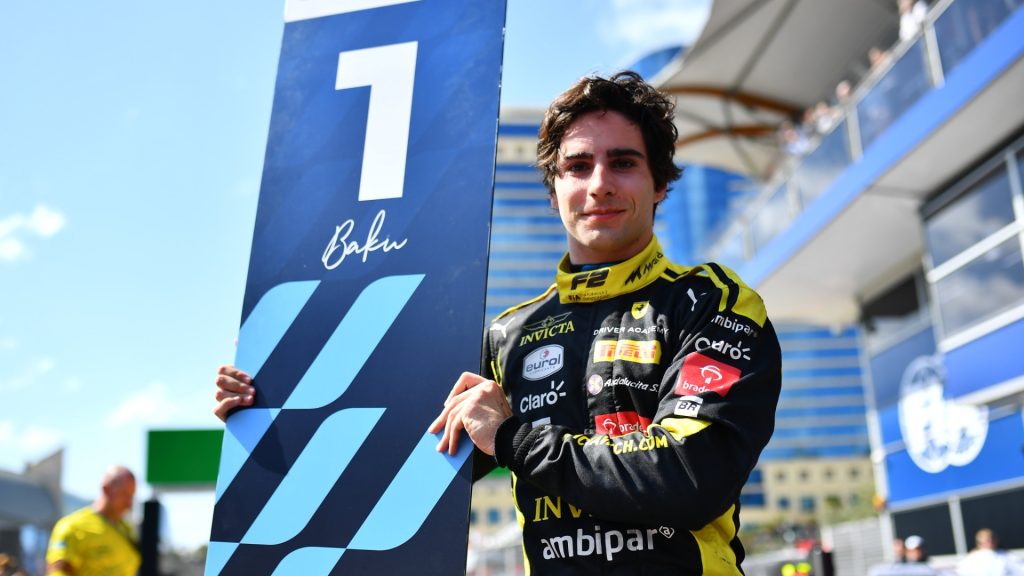
The Brazilian has followed an exceptional path through the junior categories, establishing himself as one of the most promising drivers in the Ferrari Driver Academy.
He won the Formula Regional European Championship in 2024 before claiming the FIA Formula 3 title in 2025.
His progression into Formula 2 brought another competitive campaign, leaving him in contention for the championship heading into the final rounds of 2026.
Those achievements matter because they demonstrate something beyond raw speed.
Junior single-seater championships require drivers to adapt quickly to different circuits, manage tyres, understand race strategy and perform consistently under pressure.
Câmara has repeatedly demonstrated those qualities.
His reputation within the paddock is also that of a focused, composed and methodical competitor. He is not a driver who has built his career through dramatic public statements or an extravagant personality.
His results have done most of the talking.
That approach impressed Haas during private testing at Portimão in August.
The American team evaluated Câmara alongside other drivers, including Ryō Hirakawa and Leonardo Fornaroli, using previous-generation Formula 1 machinery.
Although the team did not publish comparative lap times, the Brazilian’s performance strengthened his candidacy for a future race seat.
Team principal Ayao Komatsu subsequently praised his capabilities and expressed confidence in the decision to give him his debut at Interlagos.
The opportunity has arrived unexpectedly, but Câmara himself is not an unexpected Formula 1 prospect.
Interlagos offers the dream debut — and perhaps the hardest one
Making a Formula 1 debut at home sounds like the perfect scenario.
A Brazilian driver arrives at Interlagos, hears the crowd chanting his name and experiences the extraordinary atmosphere that has made the São Paulo Grand Prix one of the championship’s most emotional events.
The reality can be considerably more complicated.
Brazilian Formula 1 supporters are passionate, demanding and deeply invested in the success of their drivers. That relationship has produced unforgettable celebrations, but it can also create expectations that bear little resemblance to the competitive reality.
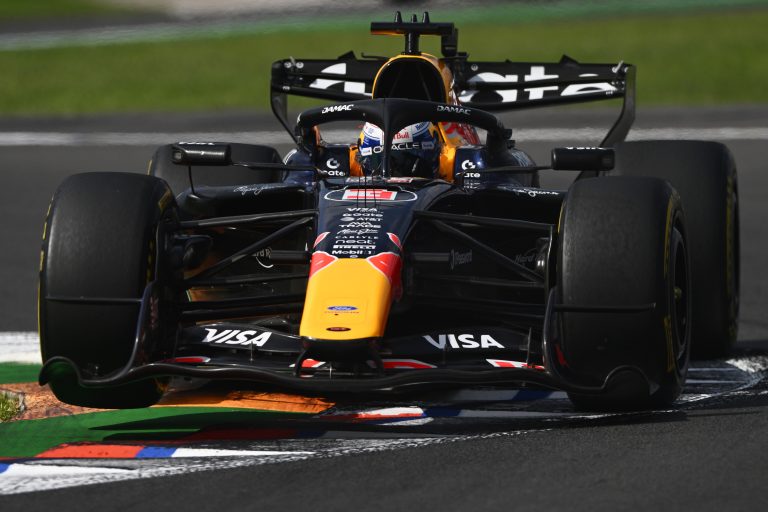
Câmara will be making his first Formula 1 race appearance in a Haas, not a championship-contending Mercedes, Ferrari or Red Bull.
He will have limited time to adapt to a new car, different procedures, unfamiliar race situations and the physical demands of competing against the world’s most experienced drivers.
There is another complication: Câmara has never raced at Interlagos.
Unlike many Brazilian drivers who developed through national championships before moving to Europe, he built his single-seater career primarily on international circuits.
The 4.309km Autódromo José Carlos Pace therefore presents an unfamiliar challenge at precisely the moment when he must adapt to Formula 1.
Its elevation changes, heavy braking zones and technical middle sector demand confidence and precision.
The possibility of rain adds another variable. Interlagos is a circuit where even experienced drivers can struggle to find the correct balance.
For a rookie making an unexpectedly early debut, simply completing a clean weekend would already represent meaningful progress.
Bortoleto’s 2025 nightmare is a warning against unrealistic expectations
Câmara does not need to look far for an example of how difficult a home Grand Prix can become.
Gabriel Bortoleto arrived at Interlagos in 2025 with considerable expectations after an encouraging rookie season with Sauber.
Instead, he experienced arguably the most disastrous weekend of his Formula 1 career.
The Brazilian suffered a violent accident during the sprint race, hitting the barriers at high speed and leaving his team with extensive repairs.
The damage prevented him from participating in qualifying.
His Grand Prix then ended on the opening lap after contact with Lance Stroll sent him into the barriers.
What should have been a celebration of his first home Formula 1 appearance became an exercise in frustration.
Bortoleto later acknowledged the disappointment of the weekend, while making clear that he intended to learn from the experience.
His difficulties were not evidence that he lacked the ability to compete in Formula 1.
They illustrated how quickly circumstances can overwhelm even a highly rated young driver when the pressure, unfamiliarity and unpredictability of Interlagos come together.
Câmara faces an even more abrupt introduction.
Bortoleto had already completed most of a Formula 1 season before racing at home. Câmara will arrive with no previous Grand Prix starts.
The comparison should therefore serve as a warning to supporters rather than a prediction of failure.
A difficult debut would tell us remarkably little about Câmara’s ultimate potential.

Could Ocon become Haas’ version of Bertrand Gachot?
Formula 1 history offers a fascinating parallel.
In 1991, Bertrand Gachot was imprisoned in Britain following an altercation with a taxi driver, unexpectedly leaving a vacancy at Jordan.
The team turned to a young German named Michael Schumacher, who made his Formula 1 debut at the Belgian Grand Prix.
Schumacher qualified seventh at Spa-Francorchamps, immediately attracting attention despite retiring early from the race.
The performance helped launch one of the most extraordinary careers in motorsport history.
Thirty-five years later, Ocon’s departure from Haas has created another unexpected opportunity for a highly rated young driver.
The circumstances are entirely different.
Ocon’s removal followed an internal team decision, not the legal situation that prevented Gachot from competing.
Nor is there any reason to suggest that Câmara will follow Schumacher’s career trajectory.
The comparison lies in the unpredictability of opportunity.
Formula 1 does not always introduce its future stars through carefully managed development programmes and perfectly timed promotions.
Sometimes, a vacancy appears and a driver must be ready before anyone expected the moment to arrive.
Schumacher’s opportunity came at Spa in 1991.
Câmara’s has arrived at Interlagos in 2026.
Whether the Brazilian’s debut eventually acquires similar historical significance is something only the coming years can determine.
Haas has brought forward a decision intended for 2027
Câmara was already being prepared for a future with Haas.
His private testing programme and close relationship with Ferrari had placed him in a strong position to secure a full-time Formula 1 seat for 2027.
Ocon’s departure accelerated that process.
Rather than waiting for the next championship, Haas can now assess Câmara in genuine race conditions while giving him valuable experience before his first complete season.
The Brazilian is also expected to compete at the Las Vegas Grand Prix, according to information obtained by GRANDE PRÊMIO.
Ryō Hirakawa is expected to return for Qatar and Abu Dhabi if those events take place, allowing Câmara to focus on the final rounds of the Formula 2 championship.
That arrangement would give the Brazilian two very different Formula 1 experiences.
Interlagos offers the intensity of a home debut, an unfamiliar circuit and an emotionally invested crowd.
Las Vegas provides a street circuit with different technical demands, a night-race environment and considerably less pressure from Brazilian supporters.
Together, the two weekends could offer Haas a more useful assessment than any private test.
The team will be able to observe how Câmara works with engineers, manages changing conditions, handles traffic and responds to setbacks.
Those qualities may ultimately matter more than his finishing position.
The first chapter matters more than the result
There is no realistic reason to demand that Câmara scores points in São Paulo.
Haas has not suddenly become a front-running team, and the Brazilian will be competing against drivers with years of experience in machinery they understand far better.
His immediate objectives should be simpler.
Complete the practice programme. Understand the car. Build a productive relationship with his engineers. Avoid unnecessary mistakes. Improve from one session to the next.
If an opportunity to fight for points emerges, he should take it.
But a weekend outside the top ten would not represent failure.
Câmara has already demonstrated through his junior career that he possesses the talent and discipline required to reach Formula 1. What remains uncertain is how quickly he can adapt to its demands and how competitive Haas can become in 2027.
There is also a responsibility on the Brazilian public.
The country has waited years to rebuild a meaningful presence on the Formula 1 grid. With Bortoleto already competing and Câmara now joining him, Brazil has an opportunity to support two young drivers whose careers are still developing.
That support should not become an expectation of immediate miracles.
Rafael Câmara does not need to shine at Interlagos. He only needs to begin.
And if he does produce something exceptional, perhaps we will eventually look back at this unexpected November weekend as the beginning of a story far bigger than anyone could reasonably predict today.
GRANDE PRÊMIO is following every session of the São Paulo Grand Prix this weekend, with breaking news, full coverage and real-time updates in its Formula 1 section.