The Fédération Internationale de l’Automobile (FIA) has responded to driver criticism regarding Formula 1’s 2026 technical regulations, claiming it had anticipated many of the issues long before the season got underway. According to the governing body, however, desired changes were blocked by a lack of consensus among power unit manufacturers.
Speaking to The Race, Nikolas Tombazis, the FIA’s single-seater director, explained that the organization had identified well in advance several of the difficulties highlighted by drivers throughout the season. However, he emphasized that the existing governance model prevented the implementation of proposed modifications before the new regulations debuted.
As part of the agreement signed between the FIA, Formula 1, and the manufacturers for the introduction of the 2026 rules, any changes to the power units required approval from the governing body, Formula One Management (FOM), and at least four of the five manufacturers involved in the project.
“I think drivers are, by definition, quite demanding customers. So we don’t expect them to mince their words or hold back on saying what they think. We anticipated many of the issues they pointed out in the two years leading up to the season and tried to make some adjustments. However, the governance system in place prevented us from succeeding. So, I think this whole reaction was to be expected,” he stated.

Tombazis explained that the lack of consensus among manufacturers made any relevant changes impossible prior to the new rules coming into force.
“Any change needed to be approved by a significant number of power unit manufacturers. For the kind of alteration we carried out, we needed the agreement of at least four of them, and that never happened during the years we discussed these adjustments,” he stressed.
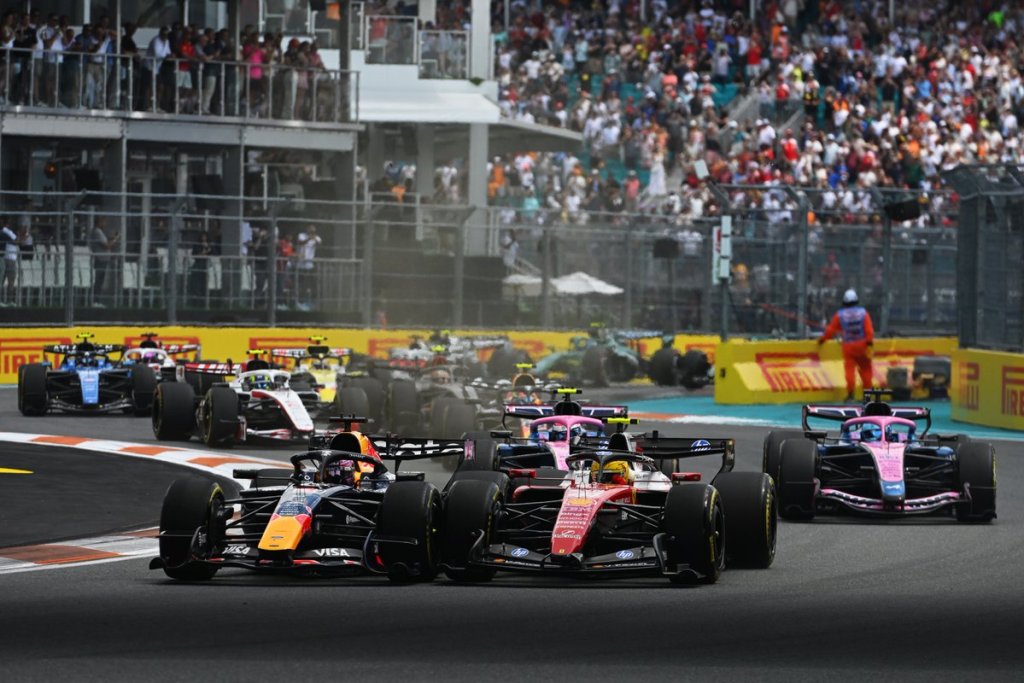
Following the opening rounds of the season, Formula 1 introduced a series of emergency measures to mitigate energy management issues, which were rolled out starting at the Miami GP.
Furthermore, the FIA and manufacturers agreed to adjust the nominal power split between the internal combustion engine and the electrical system—abandoning the 50/50 ratio in favor of a 60% combustion / 40% electrical distribution through the end of this regulatory cycle in 2028. Despite the agreement, Tombazis expressed regret that the changes were only approved after the 2026 season was already underway.
“I think it’s a shame we waited so long. We discussed these matters in May to define the package for 2027 and 2028. I think that, ideally, we could have done this a few years earlier. That way, we wouldn’t have gone through all this debate,” he concluded.
Formula 1 is currently on summer break. The series resumes 2026 season action from August 21 to 23 with the Dutch Grand Prix at Zandvoort.