News Summary
- Lewis Hamilton says current Formula 1 races are “physically easier than ever” and believes grands prix should be longer rather than shorter.
- The lighter, lower-downforce 2026 cars produce less sustained physical strain, but require extensive energy management and steering-wheel adjustments.
- Max Verstappen, Liam Lawson and Yuki Tsunoda suggest the new challenge is increasingly technical and mental rather than purely physical.
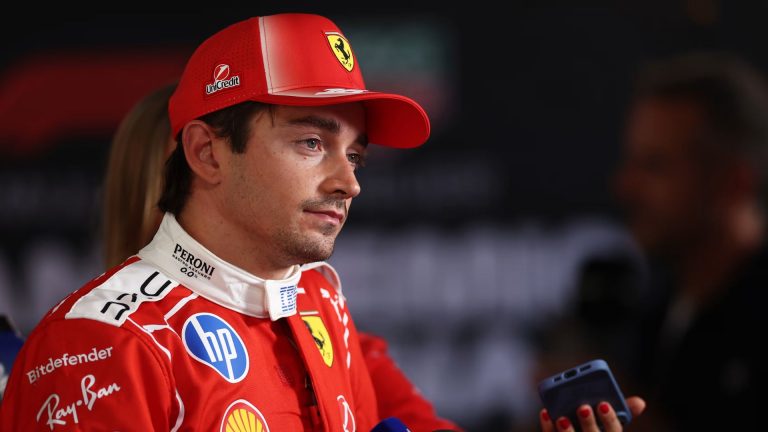
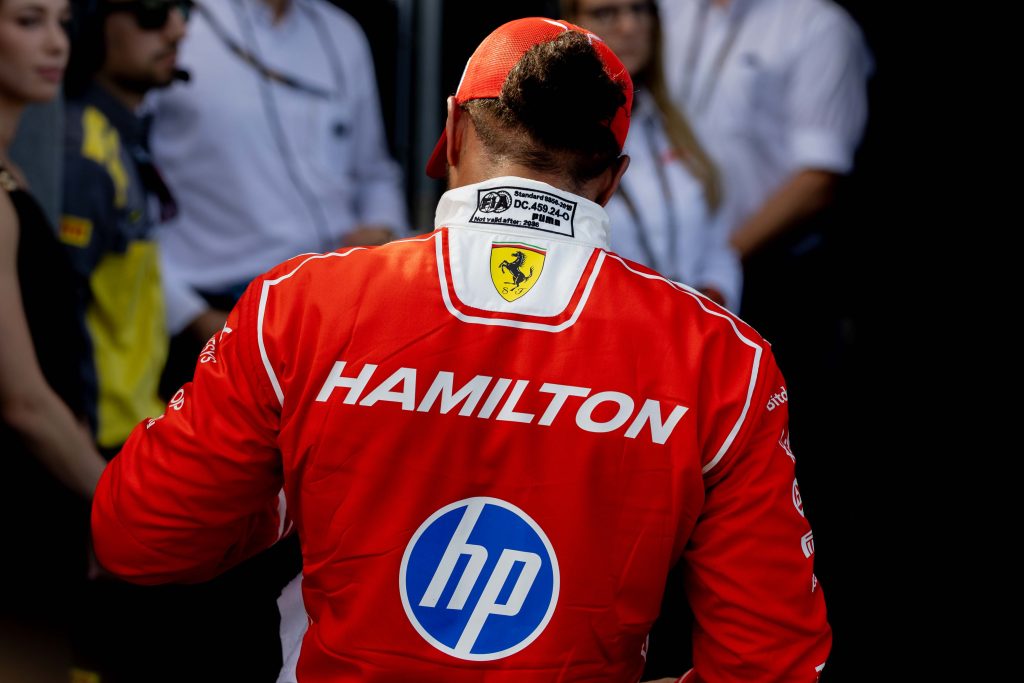
Lewis Hamilton’s opposition to shorter Formula 1 races goes beyond spectacle. The Ferrari driver believes the current generation of cars no longer tests competitors physically enough to justify reducing standard grand prix distances from 305km to approximately 290km in 2027.
Speaking during a media session attended by GRANDE PRÊMIO in Baku, Hamilton argued that F1 should move in the opposite direction.
“I think the races should be longer because the races are physically easier than ever before,” Hamilton said. “Shortening them doesn’t make much sense.”
The seven-time world champion also pointed towards the durability of the current tyres. With compounds regularly capable of completing long stints, drivers often face one-stop races without the repeated flat-out phases or strategic variation that can intensify the physical workload.
“There have been many races where I wished we had more laps,” he added. “It’s the opposite of what I would be asking for.”
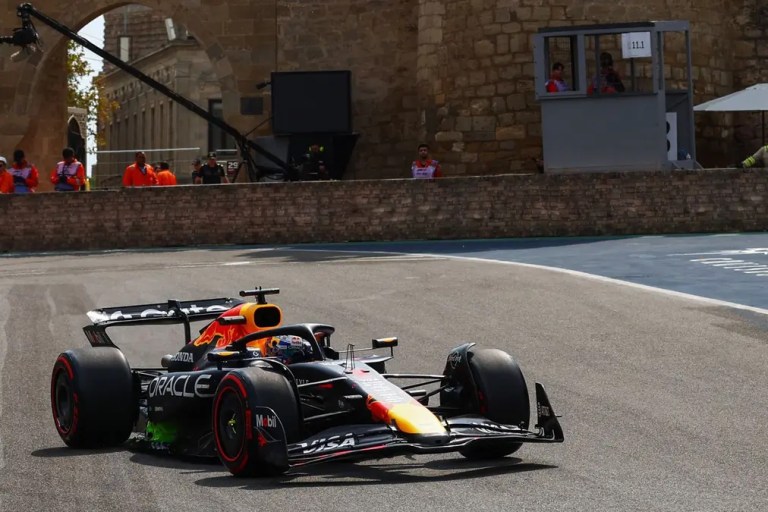
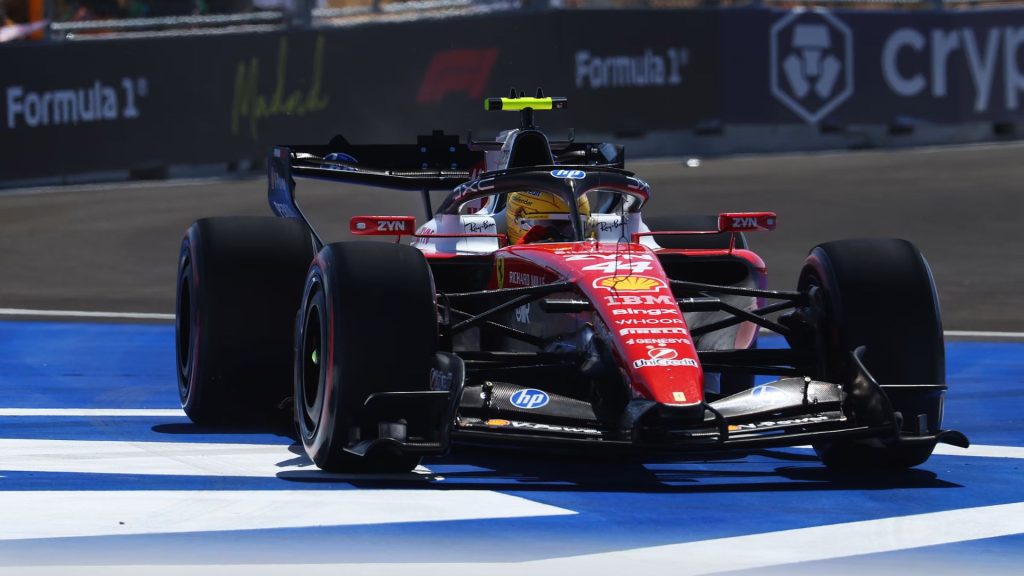
Hamilton’s assessment is supported by the basic characteristics of the 2026 cars. They are smaller and lighter than their predecessors, while producing less downforce. That reduces some of the sustained lateral load experienced through high-speed corners and makes the cars less punishing on the neck and upper body.
However, describing the cars as physically easier does not necessarily mean they are easier to race.
F1’s difficulty has moved from the body to the brain
The defining complication of the 2026 regulations is energy management. The new power units obtain a much larger proportion of their output from electrical energy, forcing drivers to monitor harvesting, deployment and overtaking modes while still controlling the car at high speed.
Active aerodynamics add another layer. Drivers must manage different configurations for corners and straights, while adapting braking and throttle application to ensure sufficient energy remains available at decisive moments.
Hamilton previously compared the amount of information required to operate the new systems to needing “a degree”. Although software refinements have made the process less intrusive since pre-season testing, energy deployment remains central to lap time and racecraft.
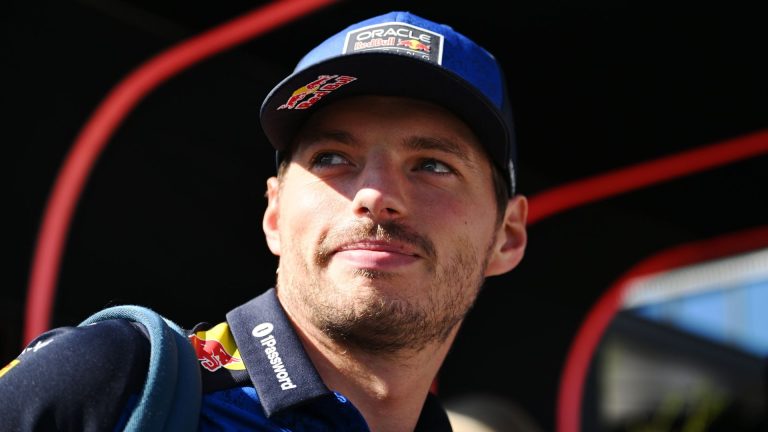
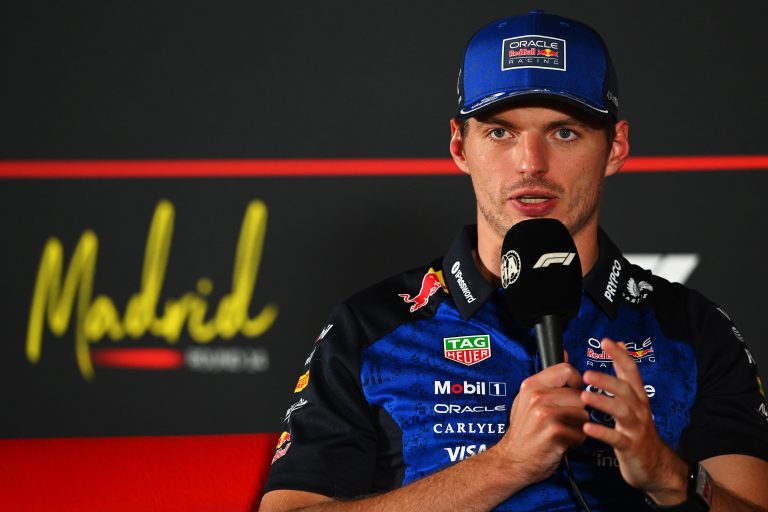
Max Verstappen has repeatedly questioned whether that represents the correct type of challenge. The Red Bull driver believes the current cars provide less precise feedback and require drivers to modify their technique around energy recovery rather than simply pursuing the fastest natural line.
Verstappen also used the rapid adaptation of Yuki Tsunoda and Liam Lawson to different cars as evidence that the machinery has become more forgiving. However, Lawson disputed the suggestion that switching teams and immediately approaching the limit had become straightforward.
That disagreement exposes the central distinction. A car can be less physically punishing and more forgiving at the limit while simultaneously becoming more complicated to operate effectively.
The performances of Tsunoda and Lawson prompted Verstappen to question the challenge created by the 2026 cars, but the additional mental workload remains significant.
Drivers have more margin—but less freedom
Lower downforce gives drivers more time to recognise and correct slides. Tsunoda has described the current cars as more controllable, with mistakes developing less abruptly than under the previous ground-effect rules.
The compromise is that drivers have less freedom to attack a lap exclusively through instinct. Braking points, throttle application and even cornering speed can be influenced by the need to recover electrical energy.
George Russell has argued that the regulations have consequently changed how driver performance should be measured. Outright speed remains essential, but the ability to understand and execute increasingly complex technical instructions has assumed greater importance.
Russell’s view that the 2026 cars have altered F1’s driver hierarchy helps explain why Hamilton’s comment is only one part of the picture.
F1 may demand less muscular endurance than previous generations, but drivers must process more information while travelling at more than 300km/h. The difficulty has not disappeared. It has changed form.
Shorter races would remove the wrong challenge
The decision to reduce race distances in 2027 is primarily connected to fuel requirements rather than driver fitness. Increasing combustion-engine output while retaining the current fuel-tank architecture created the need for a compromise, leading the F1 Commission to approve a standard distance of approximately 290km.
That will remove around two to four laps from most grands prix. Formula 1 has also removed its three-hour race limit and abandoned gearbox homologation for 2027.
Hamilton’s criticism nevertheless raises a legitimate sporting question. If tyre durability and reduced physical strain have already made races less demanding, shortening them addresses a technical restriction by weakening one of the few remaining endurance elements.
The present cars may be easier on the body, but they are not simple. Modern Formula 1 increasingly tests concentration, preparation and systems management. Hamilton wants the sport to preserve race distance so that physical endurance remains part of that equation as well.
The approved 290km format will be introduced at the beginning of the 2027 season.
F1 today: FAQ
What time is the 2026 Azerbaijan Grand Prix?
The race starts on Saturday at 12:00 UK, 07:00 ET and 15:00 local time in Baku. Qualifying begins on Friday at 13:00 UK and 08:00 ET.
Why is the Azerbaijan GP being held on Saturday?
The race was moved forward because Sunday, 27 September, is Azerbaijan’s Remembrance Day. The full weekend shifted, with practice on Thursday and qualifying on Friday.
Can Kimi Antonelli win the 2026 F1 championship in Baku?
No. Antonelli leads George Russell by 81 points, but cannot secure the title in Azerbaijan. Singapore is his earliest mathematical opportunity.
Why does Lewis Hamilton want longer F1 races?
Hamilton believes current Formula 1 races are physically easier than before and argues that shorter distances would further reduce the endurance challenge.