
Key Takeaways (TL;DR):
- Unwavering Professionalism: Honda chief engineer Shintaro Orihara praised Aston Martin for never complaining despite severe battery reliability issues that limited pre-season testing.
- Collaborative Solutions: Daily communication between Honda’s Japanese headquarters and Aston Martin helped resolve critical battery vibrations ahead of the opening rounds of the 2026 season.
- Power Unit Upgrade Ahead: Honda aims to introduce its first 2026 engine update at the Dutch Grand Prix following recent chassis improvements from Aston Martin.
Honda highlighted Aston Martin’s professional response to the early-season power unit difficulties experienced during the 2026 Formula 1 World Championship. Shintaro Orihara, chief engineer for the Japanese manufacturer, affirmed that the British team never complained about the reliability struggles and praised the strong communication lines established to overcome the setbacks.
Speaking to RacingNews365, Orihara emphasized that Aston Martin maintained a constructive working relationship with Honda, even after logging the lowest mileage of any team during pre-season testing due to recurring battery issues on the new power unit.
According to the engineer, the situation was addressed through daily joint meetings between Honda’s division in Japan and Aston Martin’s engineering team, focusing on identifying root causes and deploying corrective fixes before the opening races.
“They [Aston Martin] never complained to Honda. We are professionals, so we discussed what the problem was and how we should react, but they always respected Honda. Because of that, our relationship has been good since the start of this year. We worked more closely together when we faced the battery vibration issues. That is why I believe our level of communication and our relationship have continuously improved throughout the season,” Orihara stated.
“We held daily meetings between our division in Japan and Aston Martin when we faced those issues. Every day we discussed what needed to be done. During pre-season testing, we had problems with the battery, and that was the critical issue. Without corrective measures, we wouldn’t have survived the first three rounds. So we discussed the steps to take every day. Together, we brought a solution and managed to overcome the problem. That is what happened behind the scenes,” he noted.
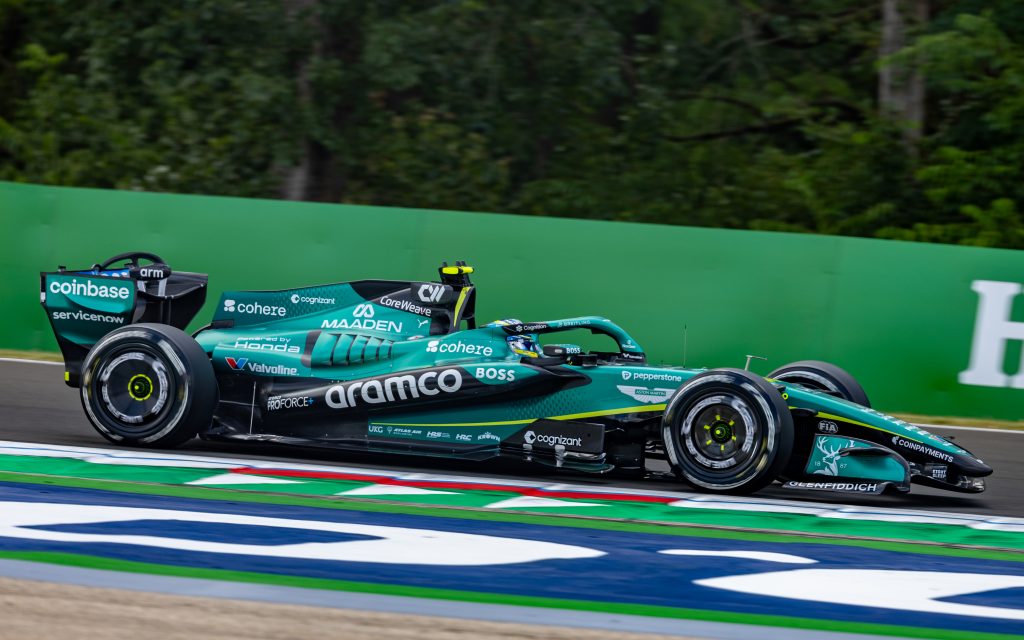
While resolving the critical reliability flaws prevented early retirements, Aston Martin continued to struggle with overall pace through the first half of the season. However, the team began introducing significant chassis modifications, culminating at the Hungarian Grand Prix with a 16-component upgrade package focusing on weight reduction and aerodynamic revisions.
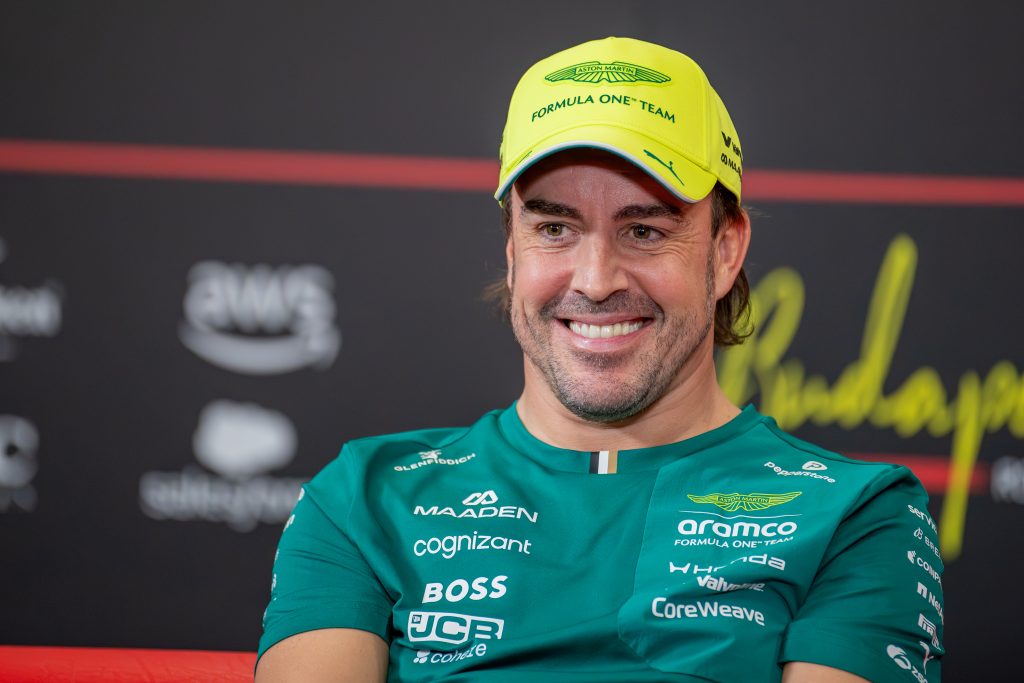
The updates yielded immediate operational progress: Fernando Alonso advanced to Q2 for the first time in 2026 and finished the main race in 14th place, finishing ahead of Franco Colapinto, Esteban Ocon, Alexander Albon, Carlos Sainz, and Oliver Bearman among the classified finishers.
Orihara added that the difficult start has not diminished Honda’s ambitions. The manufacturer aims to make another step forward at the upcoming Dutch Grand Prix, where it plans to introduce its first power unit upgrade of the 2026 season after receiving two development opportunities under the ADUO system rules.
“At Honda, our spirit is always ‘never give up,’ and no matter how challenging it is, we have great motivation. So it is definitely not a happy situation [right now], but we are excited about the possibility of improving our performance and catching up to the top competitors at some point,” he concluded.
Formula E and Formula 1 track action continues August 21–23 with the Dutch Grand Prix at Zandvoort, marking Round 12 of the 2026 season.
Frequently Asked Questions (FAQ)
What caused Aston Martin’s pre-season testing delays in 2026?
Aston Martin’s testing program was limited by recurring battery vibration issues on Honda’s newly developed 2026 power unit.
When will Honda introduce its first power unit update of the 2026 season?
Honda plans to introduce its first official power unit upgrade at the Dutch Grand Prix in Zandvoort.
How did Fernando Alonso perform after Aston Martin’s updates in Hungary?
Following a 16-part upgrade package in Hungary, Fernando Alonso reached Q2 for the first time in 2026 and finished 14th in the Grand Prix.