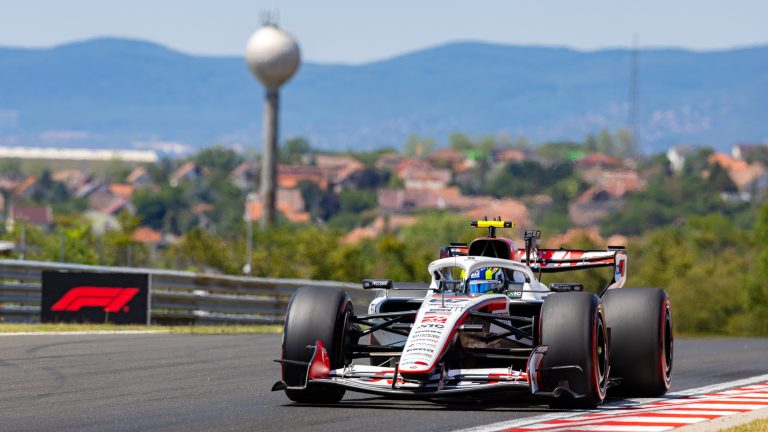
In recent years, the Hungaroring has served as a comfort zone for McLaren. Despite the infamous “papaya rules” dramas in recent Budapest editions, the squad led by Andrea Stella has routinely found a way to master the unique demands of the Hungarian venue to conquer and neutralize rivals. The orange car almost seemed tailor-made for this layout.
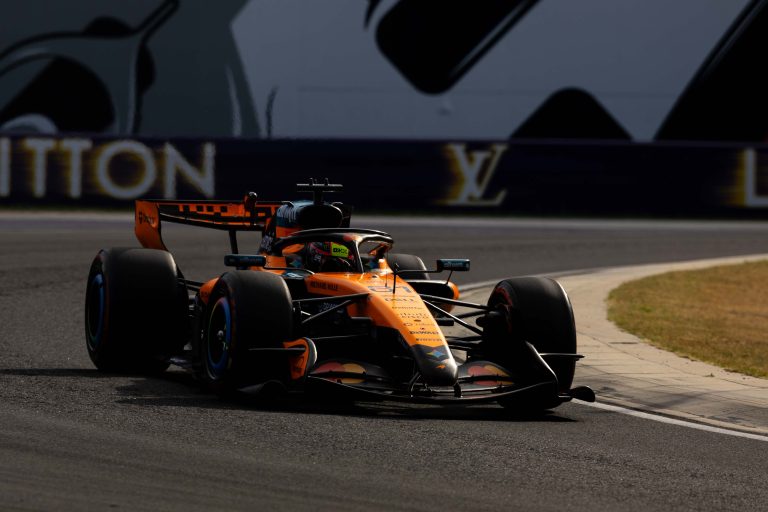
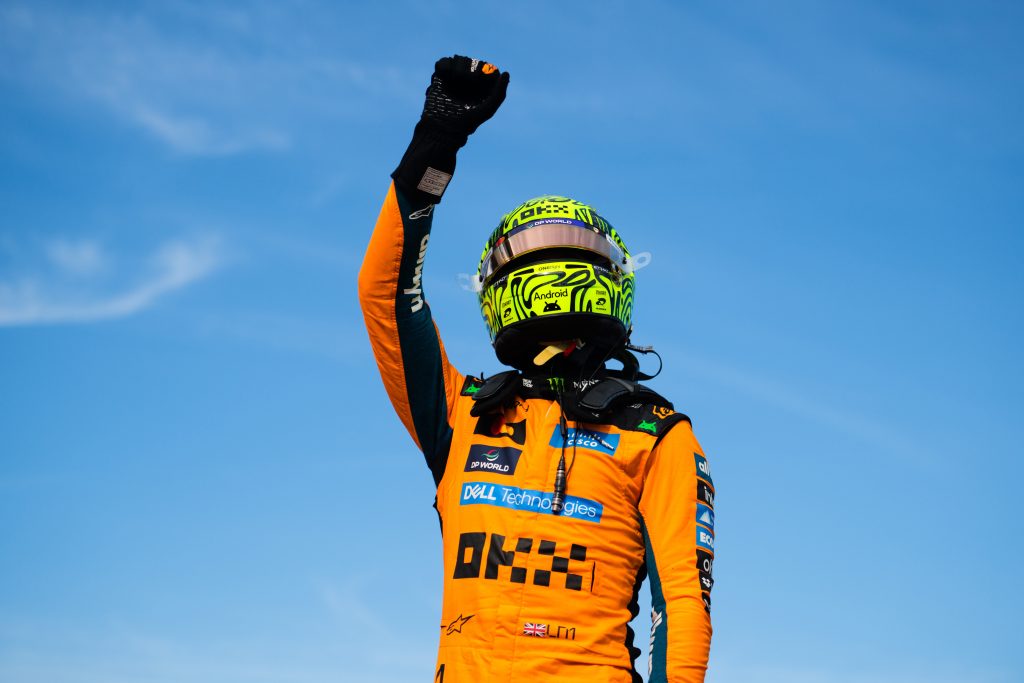
However, 2026 rewrote that script. New technical regulations forced a complete shift in concept, compelling the British team to adapt race by race in an unpredictable campaign. Yet Saturday (July 25) proved that the Hungaroring remains fertile ground for McLaren. Lando Norris summed it up with a blistering lap, opening up a genuine shot at victory.
Norris’s pole position might look like a surprise given Ferrari’s raw potential and McLaren’s recurring 2026 struggles, but the reality is that McLaren extracted every ounce of performance available in Hungary. It started with the circuit layout itself. While the Woking-based outfit no longer fields a versatile all-rounder, their engineers made effective strides with a targeted update package for the Hungarian track—most notably a revised rear wing.
The true difference-maker, however, was elevated performance through Sector 2, where the layout flows with higher-speed sweeping sections. That step forward materialized predominantly in FP3, a session topped by the reigning World Champion.
“We brought a few upgrades and saw they were working well. We gained a couple of tenths, but we never imagined that would be enough to put us on pole position,” Stella admitted post-qualifying. “We take the encouraging signs from this result, but we remain realistic. There is still a lot of work ahead of us to stay consistently where we find ourselves today.”
“Honestly, tomorrow Ferrari remains the favorite. Even in qualifying, neither of their drivers improved on their second run, so I think they left some performance on the table,” the McLaren team principal added.
That assessment rings true. The Italian squad arrived meticulously prepared for the Hungarian round around two key factors. The first is straightforward: Budapest is a tight, twisting circuit where engine power takes a back seat. Mechanical and aerodynamic set-up carry far more weight—a area where Maranello has excelled in 2026. This ties directly into the second element: the SF-26 naturally thrives on low-speed, technical tracks.
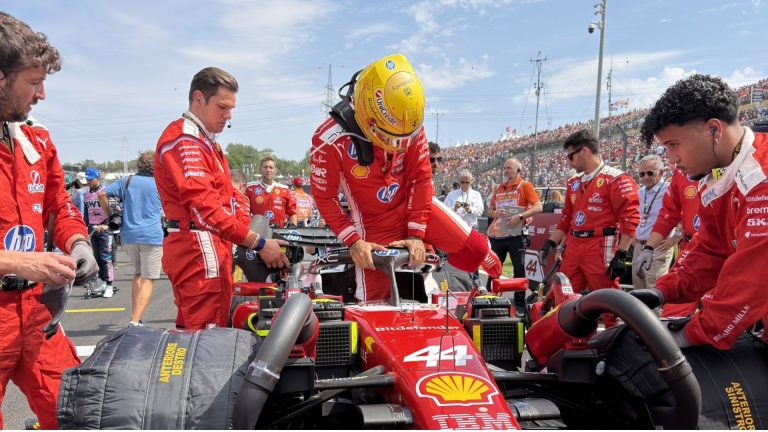
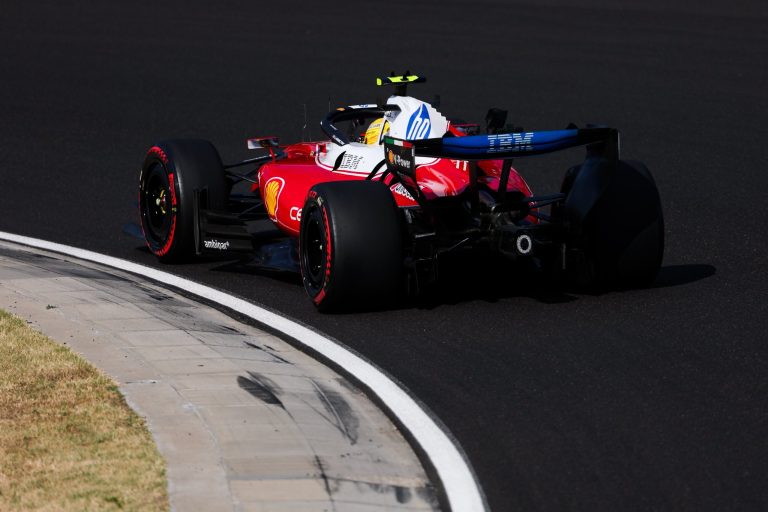
For this weekend, Maranello clearly held the upper hand through low-speed corners, coupled with an intuitive understanding of tyre behavior. Consequently, Frédéric Vasseur’s squad squandered a golden opportunity to lock out the front row. McLaren capitalized, assisted by a late grid penalty handed to Lewis Hamilton. The 0.012s delta between Hamilton and Norris at the line highlights the magnitude of Ferrari’s slip-up.
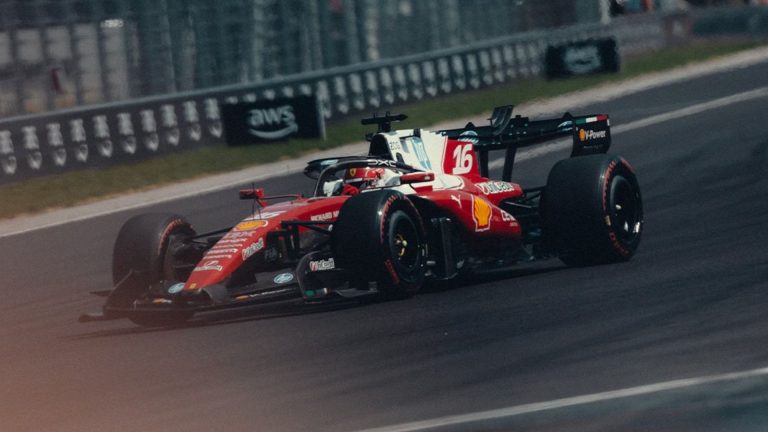
Hamilton had looked dominant. He posted a benchmark time on his opening run in Q3, but failed to replicate that pace on his final attempt and became embroiled in an impeding incident with Oscar Piastri. Meanwhile, Charles Leclerc also encountered issues when it mattered most, admitting he was “never on the same pace” as his teammate. That allowed Lando to pounce, snatching pole and ousting Ferrari from a front-row sweep. Leclerc still lines up second on Sunday, while the seven-time champion drops to fifth following his penalty for impeding Piastri—who, curiously, couldn’t match Norris’s single-lap heroics.
The battle remains wide open, and the Italians certainly have the tools to fight back, provided they avoid further mistakes. Hamilton’s penalty resulted from another radio communication breakdown, a blunder Vasseur attempted to downplay. The reality is that Ferrari made tactical sacrifices during qualifying by running Q1 on medium tyres, a gamble that must pay dividends on Sunday.
Strategy will be paramount, especially with track temperatures expected to soar on race day, exacerbating tyre wear. “We certainly didn’t do that randomly. We aren’t saving that set for the Dutch GP. Obviously, we intend to use those tyres tomorrow,” the Ferrari boss signaled. Notably, the Monégasque driver showcased the strongest long-run pace on soft tyres during Friday practice.
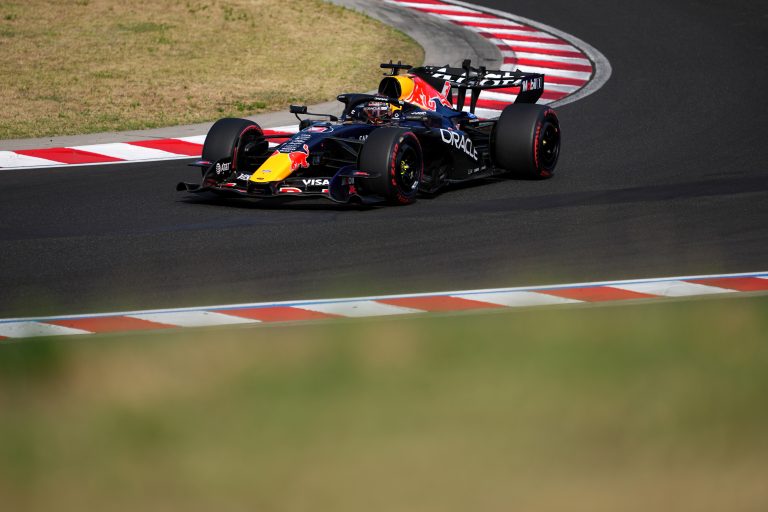
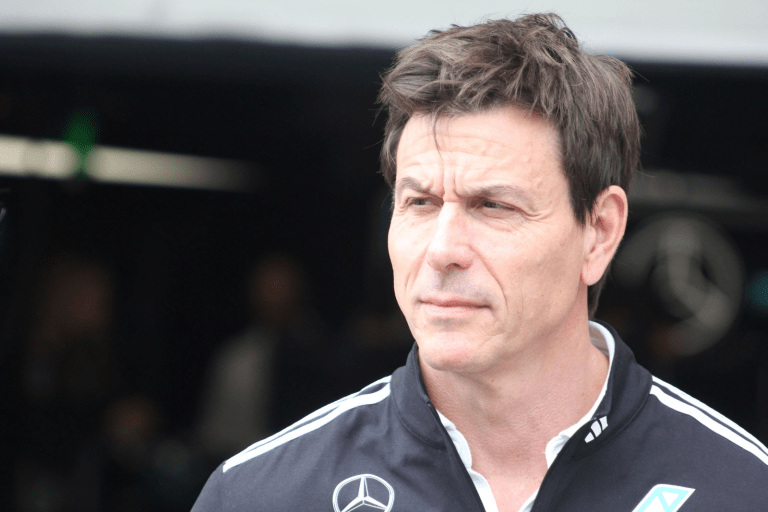
Thus, the battle for victory appears to be a direct duel between McLaren and Ferrari. Yet Mercedes cannot be written off entirely, particularly through Andrea Kimi Antonelli. Though the Italian also received a penalty that demotes him to seventh, there is reason for optimism in the German garage. The championship leader showed strong resilience in a tricky weekend for the Silver Arrows, setting the second-fastest race-simulation times—though overtaking around the tight Hungarian layout remains a notoriously difficult task. Regardless, warmer track conditions could play into Mercedes’ hands.
Finally, Pirelli projects nearly equal viability between one-stop and two-stop strategies, depending on tyre degradation and remaining allocations for each team. “Our simulations show virtually no difference in total race time between a one-stop and a two-stop strategy in Hungary. Degradation, which was higher than anticipated, effectively balanced both options, allowing teams to evaluate different scenarios based on their available fresh sets,” explained Dario Marrafuschi, Pirelli’s Head of Motorsport.
“Those opting for a one-stop strategy will likely complete the race using the hard compound, with the pit-stop window opening between laps 26 and 32. For a two-stop strategy, given that only two teams have two fresh sets of softs remaining, final stints will likely run on hard tyres, with pit windows falling between laps 16 and 22 for the first stop, and laps 40 and 46 for the second. Crucially, traffic and track position remain key factors that could push several teams toward a one-stop approach.”
Now, it comes down to who is willing to gamble more.
GRANDE PRÊMIO is tracking all the action live from the Hungarian GP, the 11th round of the 2026 season.