Summary
- Piastri expects high tyre degradation after inspecting Sepang’s abrasive surface.
- Russell warns tyres could overheat even before a qualifying lap begins.
- Friday practice will help teams assess grip, race pace and tyre behaviour before committing to a strategy.
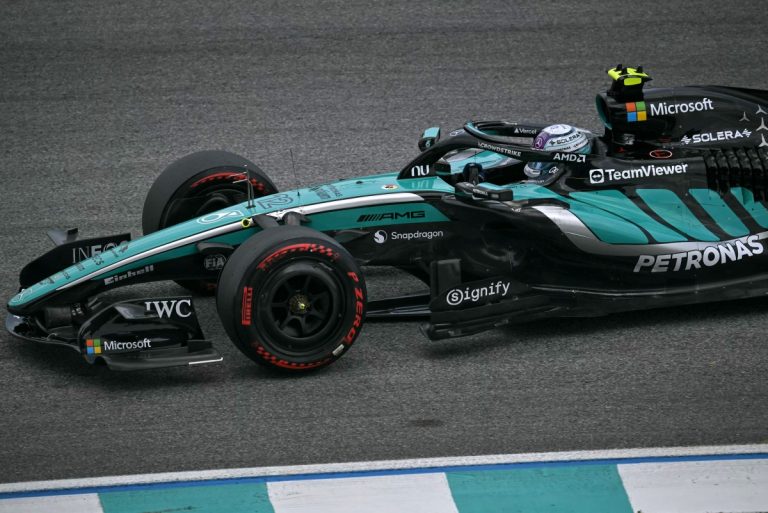
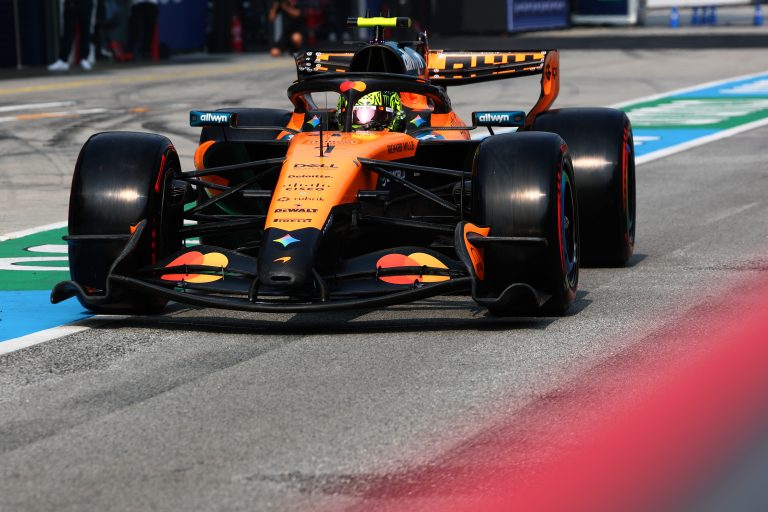
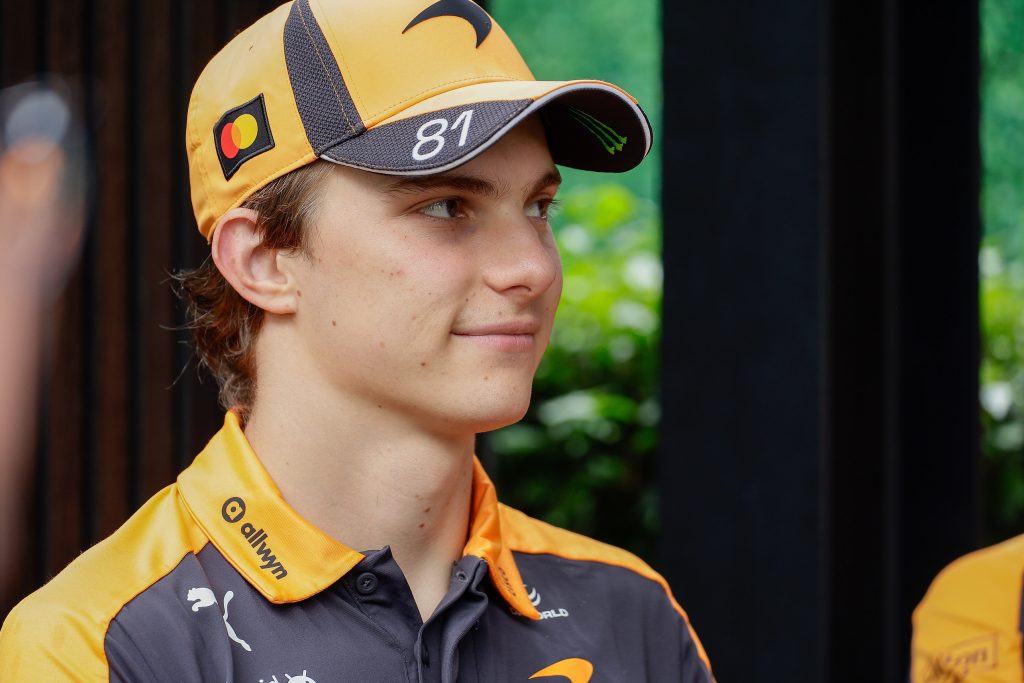
Oscar Piastri has compared Sepang’s asphalt to sandpaper, while George Russell has warned that tyre overheating could make it harder to follow another car and fight back after being overtaken at the Bahrain Grand Prix in Malaysia.
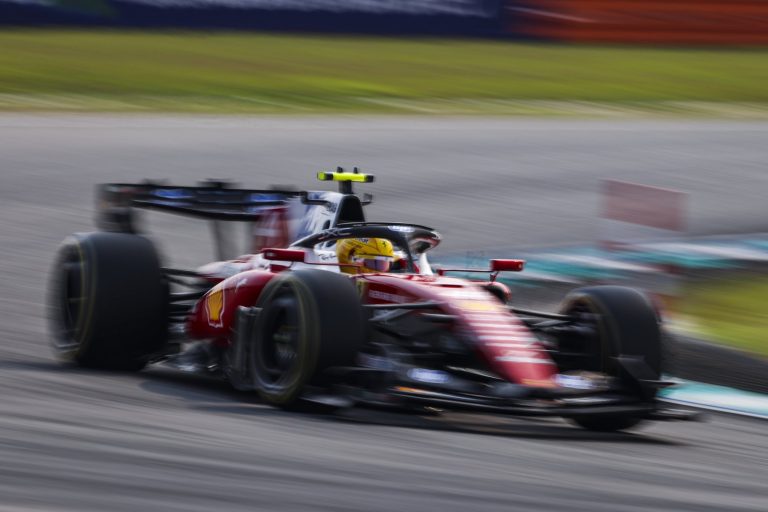
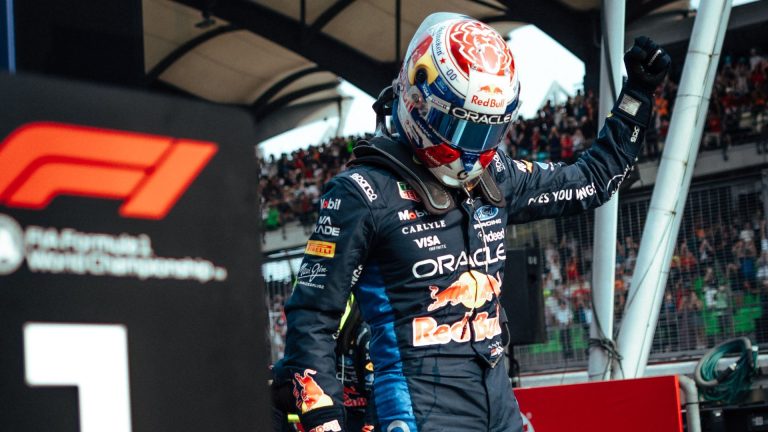
Speaking at Sepang on Thursday, the drivers identified tyre management as a major uncertainty for F1’s return to the circuit. Their concerns extend beyond how long a set will last: keeping the tyres in a usable temperature window could affect qualifying preparation and the racing itself. au.motorsport.com
Piastri expects a demanding weekend
Piastri anticipates substantial degradation, although he stressed that the first sessions will provide a clearer picture. His initial assessment came from the appearance of the track surface.
“It looks like sandpaper out there,” Piastri said.
The Australian also questioned how much recent running had contributed to rubbering in the circuit. He suggested that afternoon rain could remove some of that accumulated rubber, adding another variable to the conditions teams encounter.
“So it’s going to be a pretty tough weekend for everyone,” he said. au.motorsport.com
Russell warns the problem could begin on the out-lap
Russell believes Sepang could present a different racing challenge from circuits where drivers have been able to remain close enough to exchange positions repeatedly. His concern is that the tyre surface will become too hot before an attack can be sustained.
“You’ll be overheating the tyres even on the out lap of a qualifying session,” Russell said.
The Mercedes driver warned that the same issue could make it more difficult to follow closely during the race or immediately counterattack after losing a position. He presented those consequences as possibilities that still need to be tested, rather than a confirmed prediction that overtaking will be limited. au.motorsport.com
What Pirelli expects from the surface
Pirelli’s assessment supports the expectation of a demanding weekend. The supplier describes Sepang as relatively abrasive, with roughness comparable to Bahrain, and identifies thermal management at both axles as a principal challenge.
Initial grip is expected to be low on Friday and improve as the circuit evolves. That makes the timing of each run relevant: a car’s behaviour early in practice may not fully represent the conditions encountered later in qualifying or the race.
The circuit has undergone resurfacing and maintenance work since its last Grand Prix, including surface levelling and cleaning ahead of this event. Nevertheless, Pirelli says its recent assessment found the overall surface characteristics broadly similar to those recorded in 2017. formula1.com
The available compounds are explained in GRANDE PRÊMIO’s guide to why Pirelli’s C2, C3 and C4 matter at Sepang.
Why Friday practice matters
Teams lack directly relevant Sepang data for the current generation of cars, increasing the importance of Friday’s running. They must establish the balance of the car, assess tyre behaviour over consecutive laps and understand how conditions change during a session.
Those observations will inform their strategy choices. Until that evidence is available, the drivers’ warnings identify the challenge without establishing a definitive number of pit stops or which team will manage its tyres best. formula1.com
Readers can check Friday’s FP1 and FP2 schedule at Sepang before the first competitive running.
Formula 1 returns this weekend, from 2–4 October, to Malaysia, which hosts the Bahrain Grand Prix. GRANDE PRÊMIO will cover all the action at Sepang.
FAQ
Why did Piastri compare Sepang to sandpaper?
Piastri was describing the appearance of the abrasive asphalt, which led him to expect high tyre degradation.