News Summary
- Red Bull’s points have increased across all four five-race periods of 2026: 57, 97, 109 and 152.
- The team scored 152 points in the latest five Grands Prix, compared with 114 for Mercedes and 132 for Ferrari.
- Max Verstappen contributed 116 points during that period, while Isack Hadjar added 36, making Red Bull the highest-scoring team.
Red Bull has achieved something none of its leading Formula 1 rivals has managed in 2026: increasing its championship points total in every successive five-race period. The team has progressed from just 57 points in the opening five Grands Prix to 152 across the latest five, a remarkable recovery that has transformed its competitive position against Mercedes.
An analysis by GRANDE PRÊMIO of the first 20 races reveals a consistent upward trend for Red Bull, driven primarily by Max Verstappen’s resurgence and supported by stronger results from Isack Hadjar.
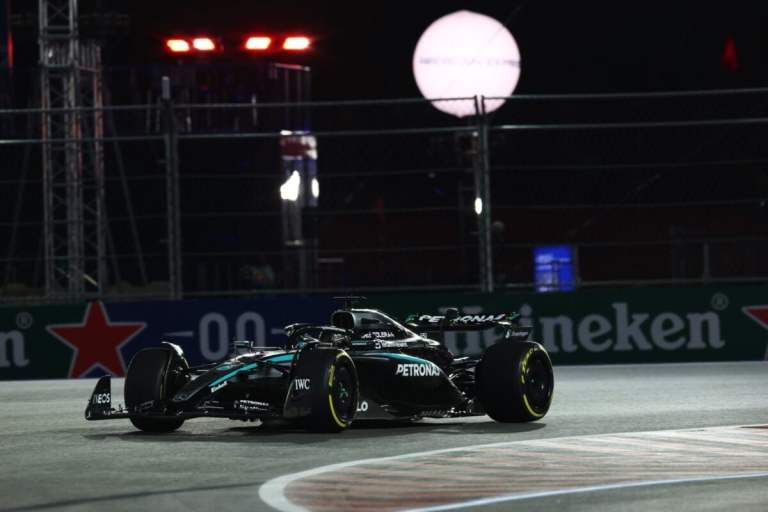
Mercedes has already secured both world championships, but Red Bull has become the highest-scoring team over the most recent five races. Its 152-point total exceeds Ferrari’s 132 and Mercedes’ 114, suggesting that the competitive balance has changed substantially since the beginning of the season.
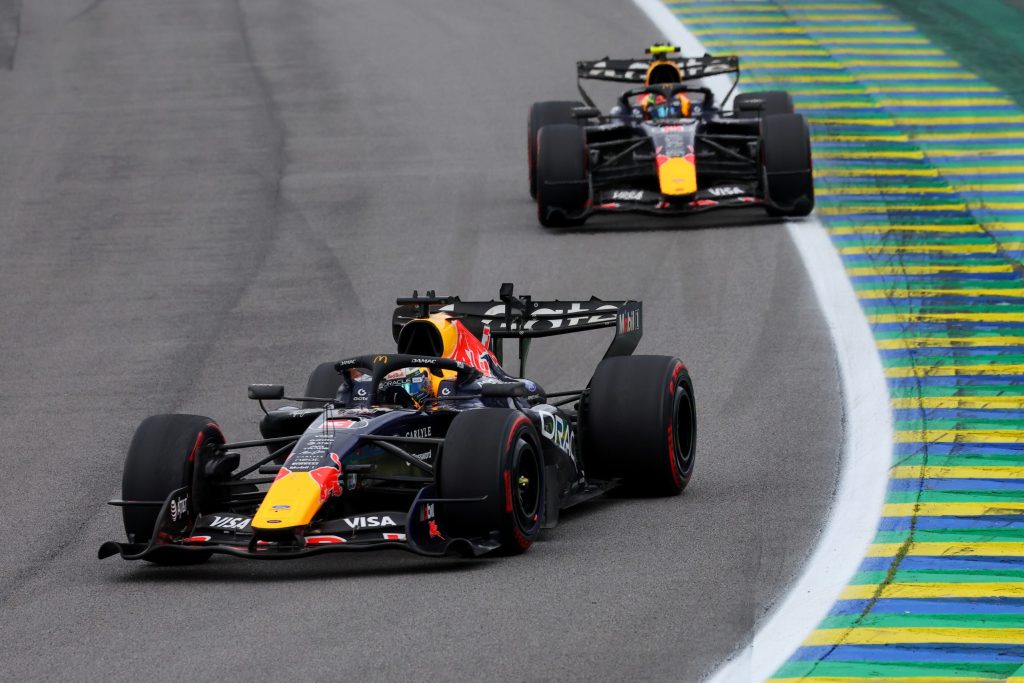
Red Bull’s points increase in every five-race period
| Team | R1–5 | R6–10 | R11–15 | R16–20 | Total |
|---|---|---|---|---|---|
| Red Bull | 57 | 97 | 109 | 152 | 415 |
| Ferrari | 147 | 138 | 93 | 132 | 510 |
| Mercedes | 219 | 139 | 180 | 114 | 652 |
| McLaren | 106 | 91 | 109 | 92 | 398 |
Red Bull began the championship with 57 points across the first five races, a modest return compared with Mercedes’ 219.
The team then improved to 97 points in the second period, an increase of 40. It added another 12 points in the third block, reaching 109, before climbing by 43 to 152 in the most recent five Grands Prix.
Across the four periods, Red Bull’s points output increased by 166.7%.
Mercedes followed a different trajectory. Its opening total of 219 points fell to 139, recovered to 180 and then dropped to 114.
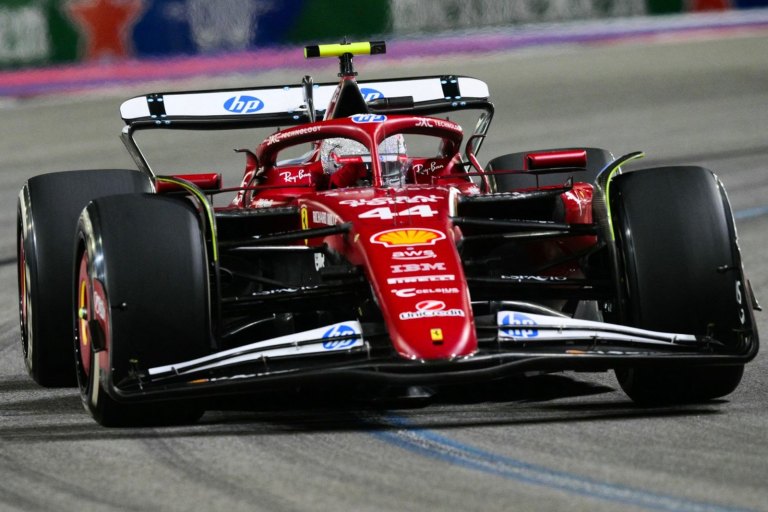
Ferrari and McLaren also experienced fluctuations rather than sustained improvement.
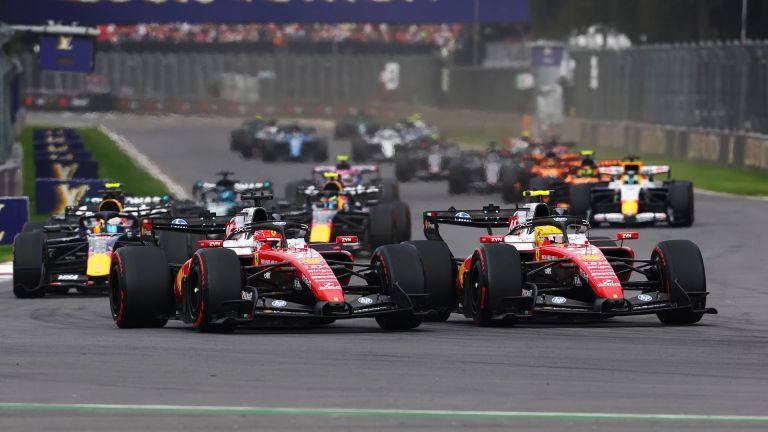
The comparison makes Red Bull’s progression particularly notable: although it did not lead every period, it was the only one of the four leading teams to improve its total at each successive checkpoint.
Verstappen turns Red Bull’s recovery into championship momentum
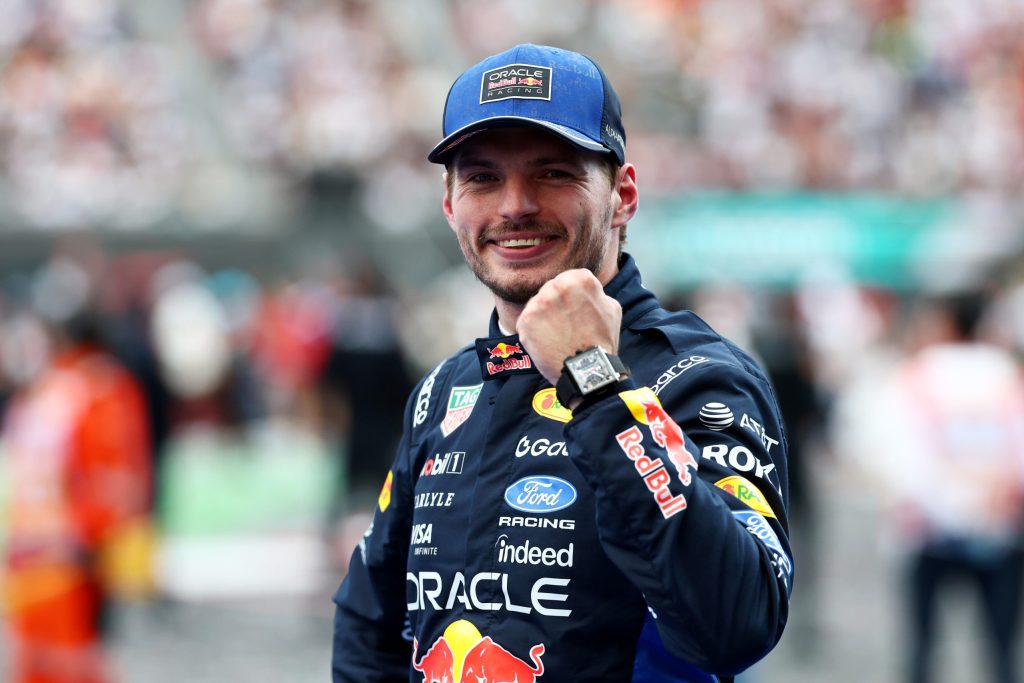
Max Verstappen has been the principal driver of Red Bull’s improvement.
The Dutchman scored 43 points in the opening five Grands Prix, followed by 48, 72 and 116 across the next three periods.
His most recent return is the highest of any driver in the championship, ahead of Andrea Kimi Antonelli’s 88 and Charles Leclerc’s 70.
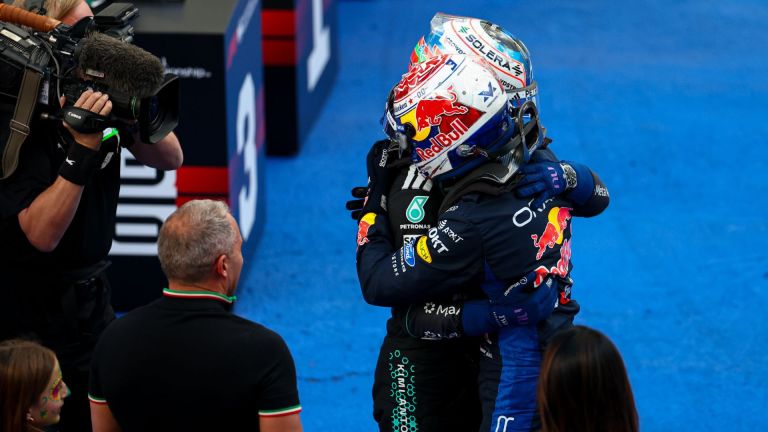
Verstappen won in Malaysia, Singapore and Mexico before finishing second in São Paulo, having started 21st.
Those results have also transformed the fight for second place in the drivers’ championship.
Verstappen now has 279 points, compared with 262 for George Russell and 261 for Lewis Hamilton. The Red Bull driver gained 90 points on Russell across the last five Grands Prix alone.
That turnaround prompted Mercedes to consider how it could support Russell during the remaining races, as examined in GRANDE PRÊMIO’s analysis of Verstappen’s 90-point recovery against the British driver.
Verstappen’s contribution also highlights how much Red Bull has depended on its leading driver.
He scored 116 of the team’s 152 points in the latest five races, representing approximately 76.3% of its total.
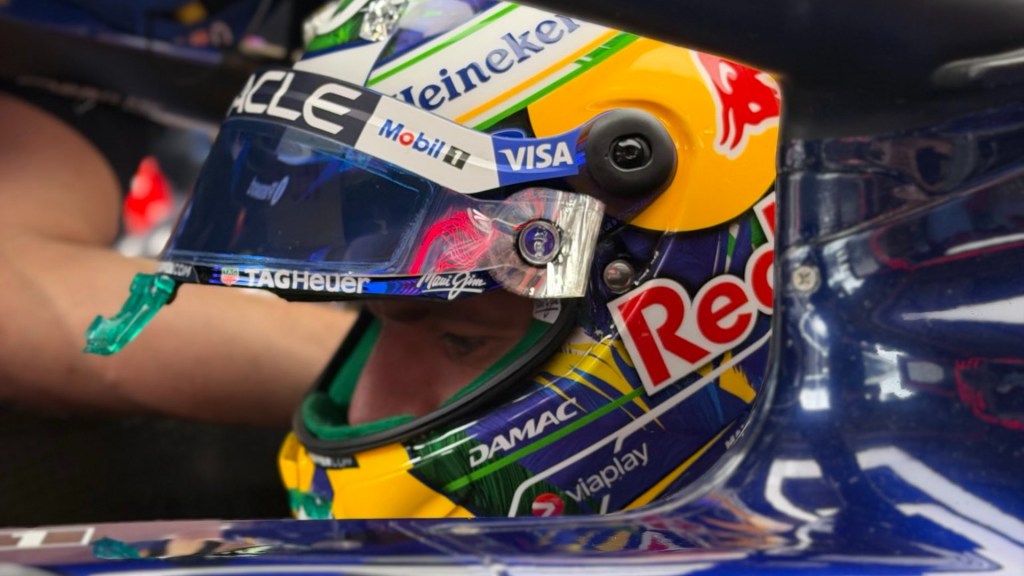
Hadjar gives Red Bull a stronger second contribution
Although Verstappen has dominated Red Bull’s recent results, Isack Hadjar has also played an important role.
The Frenchman scored 36 points across the latest five races, more than Oscar Piastri’s 32, Liam Lawson’s 30 and Russell’s 26.
That contribution helped Red Bull outperform Ferrari and Mercedes during the period.
It also demonstrates why the team’s recovery cannot be explained exclusively by Verstappen’s performances.
Hadjar finished third in São Paulo, providing another important result as Red Bull continued its late-season surge.
The team’s ability to score with both drivers has become particularly valuable in the constructors’ championship, where Ferrari and Mercedes remain ahead overall.
Red Bull’s recent results suggest a more competitive operation than the one that struggled during the opening months of the season.
However, championship points do not establish precisely how much of the improvement comes from aerodynamic development, car setup, reliability, strategy or individual driver performance.
Mercedes’ decline creates a new question for 2027
The contrast with Mercedes is striking.
The German manufacturer scored almost four times as many points as Red Bull in the opening five races, building an advantage that helped secure both championships.
Across the latest five Grands Prix, however, Red Bull has outscored Mercedes by 38 points.
That represents a reversal of 200 points in the difference between their five-race totals: Mercedes led the opening comparison by 162, while Red Bull leads the most recent one by 38.
The change does not mean Red Bull has recovered the championship deficit. Mercedes still leads Red Bull by 652 points to 415 after 20 races.
Nevertheless, the latest performances suggest the competitive gap has narrowed considerably.
As GRANDE PRÊMIO’s complete analysis demonstrated, Mercedes’ points output has fallen by 47.9% between the first and fourth periods, while Red Bull has improved by 166.7%.
That contrast raises questions about the balance of power heading into 2027.
Red Bull’s current momentum could provide an important foundation for next season, particularly if the team maintains its development progress and both drivers continue contributing points.
However, the remaining races and the changes introduced for 2027 could alter the picture. Mercedes may also have shifted development resources towards its next car after establishing a commanding championship advantage.
For now, the numbers establish a clear trend: Mercedes built its titles with early dominance, but Red Bull has become Formula 1’s strongest recent points scorer.
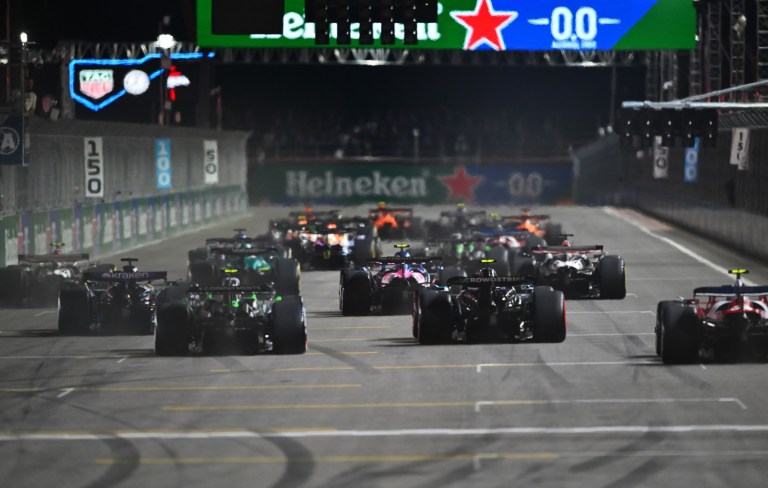
The final three Grands Prix in Las Vegas, Qatar and Abu Dhabi will help determine whether that recovery represents a lasting change in the competitive order.
GRANDE PRÊMIO is following every session of the 2026 Formula 1 championship as Red Bull and Mercedes prepare for 2027.