
Key Takeaways (TL;DR):
- Front-Loaded Development: Mercedes delayed its chassis specification freeze ahead of Australia to maximize initial performance on the W17, exhausting resources early to secure an initial 0.5s lap-time advantage.
- Update Lag: Rivals McLaren and Ferrari brought 9 and 10 more updates respectively in the first 11 races, leaving Mercedes “one or two races behind” in its development cycle.
- Rapid Development Curve: With wind tunnel gains yielding approximately 0.5s every two months under the current rules, Allison warned that a single major upgrade package from rivals could erase Mercedes’ championship cushion.
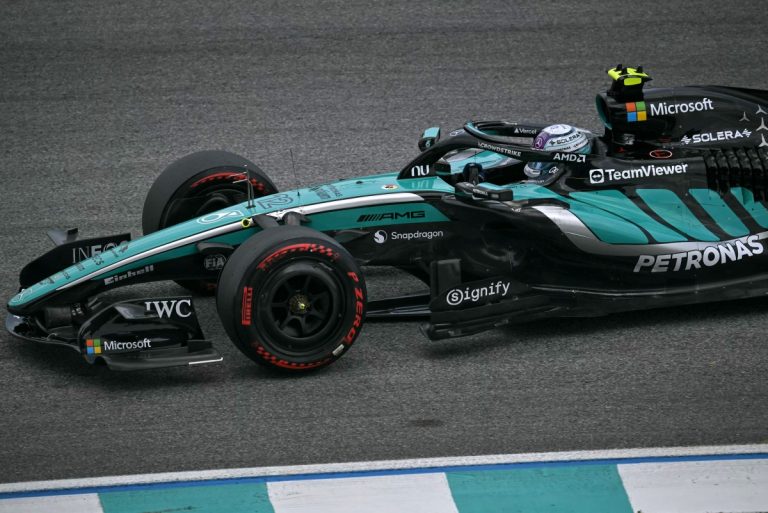
Despite claiming eight victories in the opening 11 races of the 2026 Formula 1 season, Mercedes remains cautious ahead of the second half of the championship. Technical Director James Allison revealed that the German squad is “two races behind” its direct rivals in bringing upgrade packages, warning that a single development cycle could negate the 0.5s advantage built at the start of the year.
Speaking on the team’s Nu Silver Arrows Radio Show podcast, Allison explained that current wind tunnel gains are “about six or seven times higher than last year,” yielding roughly “0.5s every two months” in lap-time improvement.
“It is truly significant. And we did everything within our power to bring a competitive car to the track at the start of the year. Fortunately, that effort paid off,” the British engineer noted.
“One aspect of our development strategy was an internal decision regarding the aerodynamics and chassis: we would finalize the project—’freezing’ the specification—several weeks later than we had ever done with a car previously. And we followed a plan with a smaller margin for error,” he added.
Allison highlighted that Mercedes arrived at the Australian Grand Prix opener with its development resources virtually exhausted. “As a result, we managed to incorporate as much of that steep development curve into the car for the first race as humanly possible. And we depleted all our resources to do so.”
“Perhaps other teams didn’t push as close to the limit initially. However, they were able to update their cars earlier in the season,” he continued.

Upgrade Count and Development Cycle Comparison
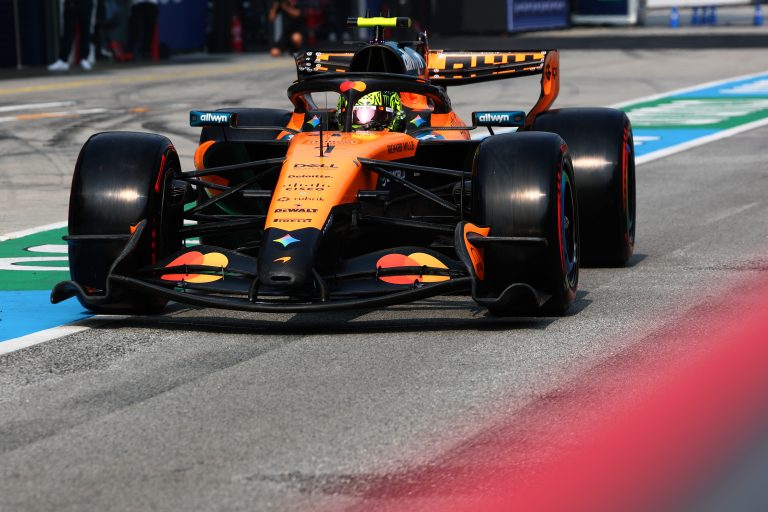
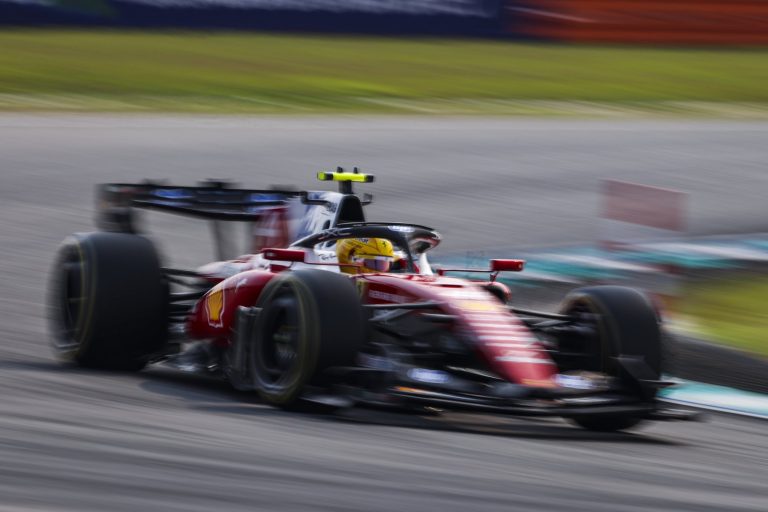
Excluding circuit-specific configurations, Mercedes introduced fewer updates than its main rivals during the first part of 2026, registering 20 modifications on the W17. By comparison, McLaren and Ferrari brought nine and ten more updates respectively.
| Team | Upgrades Introduced (Rounds 1–11) | Initial Development Approach |
| Mercedes | 20 updates | Late spec freeze; maximum initial performance |
| Ferrari | 30 updates | Earlier spec freeze; early-season upgrade push |
| McLaren | 29 updates | Continuous upgrade cadence throughout first half |
This dynamic was evident at the Hungarian Grand Prix prior to the summer break, where McLaren demonstrated superior qualifying and race pace, culminating in a victory for Lando Norris while Kimi Antonelli finished third.
“When analyzing lap times, everyone appears to be on the same trajectory. Everyone is gaining about 0.5s every two months. Therefore, falling out of sync with the development cycle means risking the loss of that 0.5s margin,” Allison warned. “A single development cycle is enough to erase that advantage, and that is quite scary.”
Despite the challenge, Mercedes is preparing its next major performance package. “We know we still have plenty of potential stored away,” Allison affirmed. “Our strategy is simply to maintain the lead and ensure our next performance leap restores the previous status quo. We just need to navigate these daunting moments when others bring sophisticated updates.”
Formula 1 resumes August 21–23 with the Dutch Grand Prix at Zandvoort following the summer break.
Frequently Asked Questions (FAQ)
Who currently leads the 2026 Formula 1 Drivers’ Championship?
Mercedes driver Kimi Antonelli leads the Drivers’ Championship with a 50-point cushion heading into the summer break.
How many races remain in the 2026 Formula 1 season?
There are 12 races remaining on the 2026 Formula 1 calendar, starting with the Dutch Grand Prix at Zandvoort.