
News Summary
- Formula 1 and MotoGP share a commercial owner in Liberty Media.
- F1 offers multiple ways for new audiences to develop connections with drivers and teams.
- MotoGP must develop its next generation of personalities without manufacturing rivalries or copying Formula 1 indiscriminately.
Formula 1 and MotoGP share a commercial owner but serve different sporting cultures. Marc Márquez’s retirement makes the comparison particularly relevant as motorcycle racing prepares for a new competitive era.
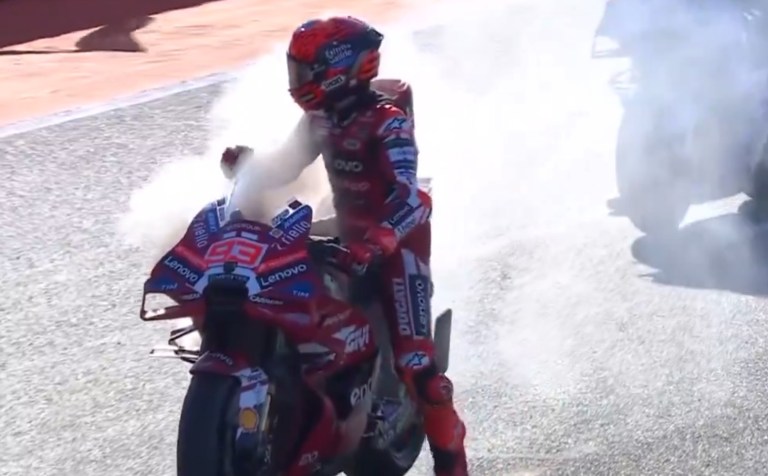
MotoGP must consider how to retain viewers whose initial interest came from following the ten-time world champion.
Formula 1 provides examples of how a championship can give audiences multiple reasons to remain engaged.
Beyond the race broadcast
Formula 1’s appeal extends beyond the competition on Sunday afternoons.
Viewers can follow a manufacturer’s development, a driver’s career, technical innovations or relationships between teammates. Documentaries, interviews and digital programming allow those stories to continue between events.
A spectator initially attracted by Lewis Hamilton or Max Verstappen may subsequently develop an interest in another driver or team.
The commercial strength of this approach is that audiences are given several opportunities to establish a lasting connection with the championship.
MotoGP has comparable sporting material, but its presentation must reflect the particular characteristics of motorcycle racing.
MotoGP’s distinctive sporting advantage
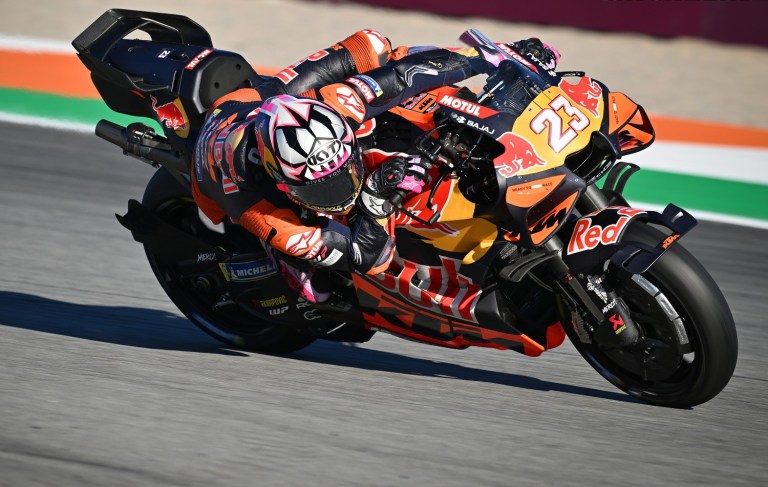
Motorcycle racing makes the physical relationship between an athlete and machine unusually visible.
Body position, braking technique and the ability to manage grip can be explained through real racing footage, connecting technical subjects with individual sporting personalities.
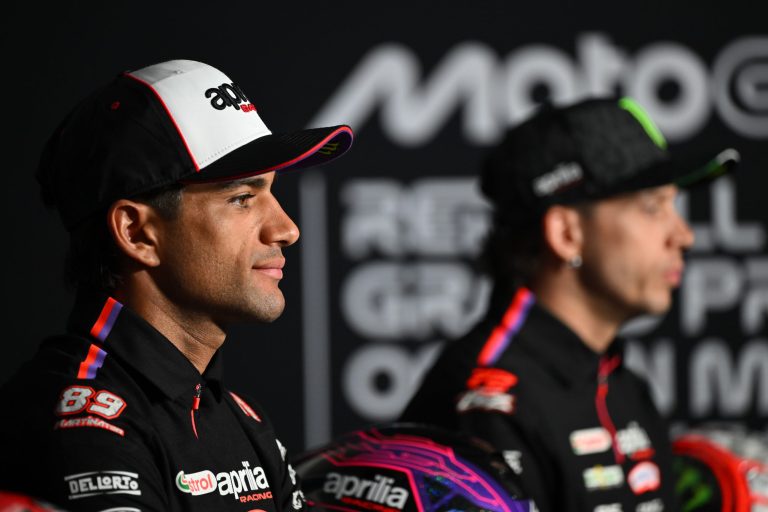
Pedro Acosta’s move to Ducati and Francesco Bagnaia’s switch to Aprilia also provide genuine narratives for the beginning of the 850cc era.
The departure of Márquez and Bagnaia from Ducati creates another story that can be understood beyond the established technical audience.
The importance of building several stars
MotoGP should not assume that one rider must immediately reproduce Márquez’s international recognition.
Several competitive relationships could provide audiences with different entry points into the championship.
The objective is not to manufacture hostility between riders or force comparisons with previous champions. Genuine rivalries require meaningful sporting competition and repeated encounters on track.
MotoGP’s international expansion must also consider differences between markets, languages and motorcycle cultures.
The 2027 technical reset offers an opportunity to develop those new stories, but the lasting measure of success will be whether audiences continue to return across an entire season.
FAQ
Does Liberty Media own both F1 and MotoGP?
Yes. Liberty controls Formula 1 and acquired control of Dorna in 2025.
Should MotoGP copy Formula 1’s commercial strategy?
It can adapt relevant techniques while preserving its sporting identity.
What is MotoGP’s biggest challenge after Márquez?
Developing multiple durable connections between audiences, riders and manufacturers.