
News Summary
- MotoGP will introduce 850cc engines, Pirelli tyres and reduced aerodynamics in 2027
- Pol Espargaró warned that some current riders will “suffer a lot” while adapting
- Moto2 and WorldSBK graduates may carry an early advantage into the new era
MotoGP riders may need to relearn fundamental parts of their technique when the championship introduces its sweeping new regulations in 2027, with Pol Espargaró warning that the scale of the transition remains underestimated.
The change extends well beyond the reduction in engine capacity from 1000cc to 850cc. Pirelli will replace Michelin as MotoGP’s control tyre supplier, ride-height and holeshot devices will be prohibited, aerodynamic freedom will be reduced and fuel capacity will fall.
Several race riders will remain at the Red Bull Ring after the Austrian GP to test the new prototypes and tyres on Monday. Their feedback will become central to manufacturers already dividing resources between the current championship and development for 2027.
Speaking to El País, Espargaró said the effect on riding styles could be dramatic.
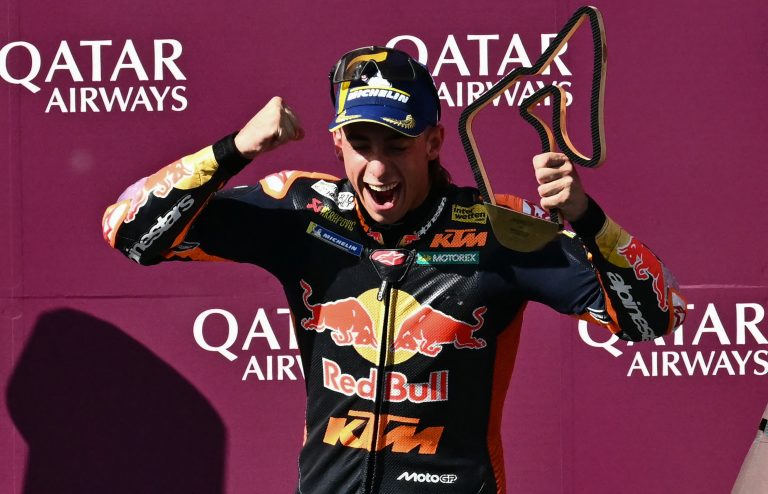
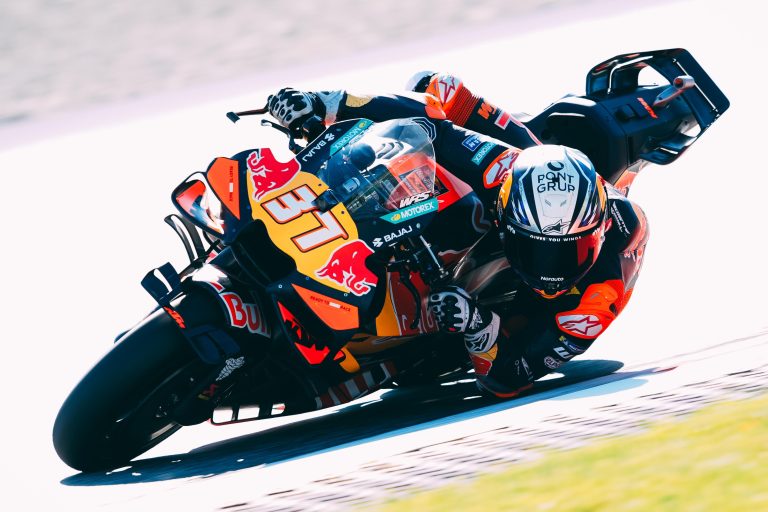
“No one imagines how much the category will change next year. There will be many riders who suffer a lot,” the KTM test rider said.
“Going from the 1000cc to the 850cc, I feel that I have to learn everything again: the rhythm and distances at every corner, the braking points and the braking effectiveness. From fourth gear onwards, the bike is crazy—you feel a lot of power.”
Espargaró had already warned that Moto2 and WorldSBK riders could hold an advantage because both championships currently use Pirelli tyres. The Austrian test provides another opportunity to measure how significant that advantage could become.
Pirelli change concerns riders more than smaller engines
The 850cc engines will reduce MotoGP’s outright power and top speed, but riders and engineers increasingly view the tyre transition as the more disruptive element.
Michelin has supplied MotoGP since 2016, meaning the current generation of riders has built its braking technique and motorcycle set-up around the French manufacturer’s front and rear tyre characteristics.
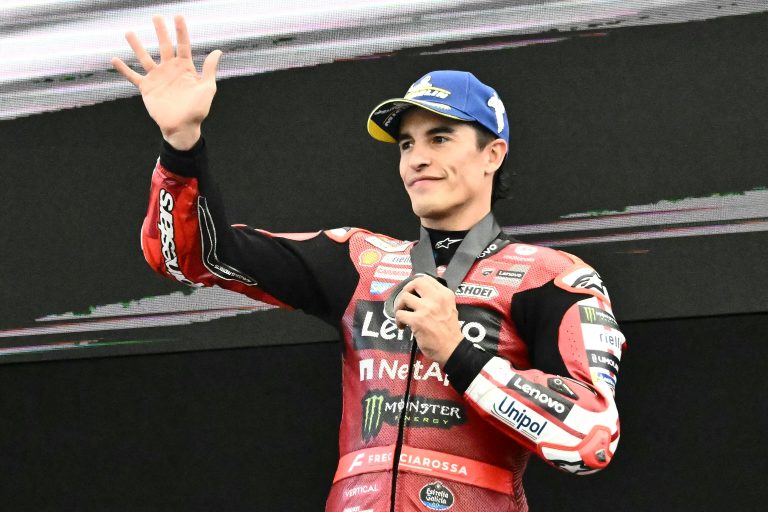
Marc Márquez said that changing the motorcycle and tyres simultaneously would require every part of the package to be reconsidered.
“With a new bike and new tyres, we will have to adapt everything,” the Ducati rider explained.
Toprak Razgatlıoğlu has extensive experience with Pirelli from winning three WorldSBK championships, but even he expects the MotoGP transition to require changes.
“We will all have to improve our riding because the new tyres change everything,” the Yamaha rider said.
Razgatlıoğlu’s difficult adaptation to Michelin during his rookie MotoGP season demonstrates how much a control tyre can influence performance. A rider may retain the same braking ability and technical understanding, yet struggle to reproduce it when the construction, movement and grip profile change.
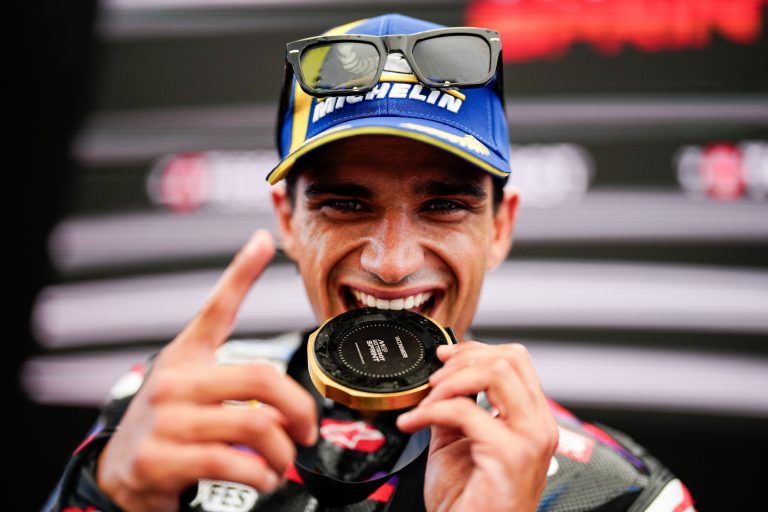
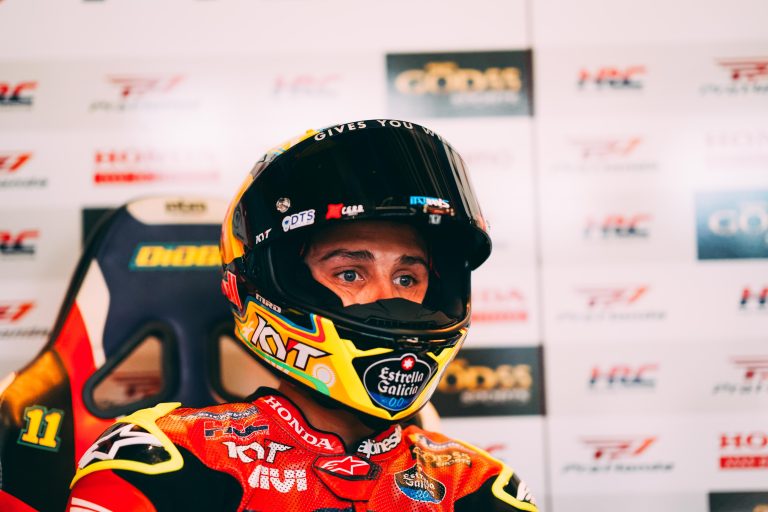
Joan Mir offered a more positive initial assessment after testing Honda’s 850cc prototype at Brno. The Honda rider described the motorcycle as less powerful on the straights but faster and more enjoyable through corners.
“It is a fun bike. On the straights it is less strong, but in the corners you can go faster, and that is pleasant for the riders,” Mir said.
Illness will prevent the 2020 MotoGP champion from participating in Monday’s Red Bull Ring test.
Factories face two championships at once
The technical transition has also created a resource-management problem. Manufacturers must continue developing their 2026 motorcycles while preparing entirely different packages for the following season.
Honda technical director Romano Albesiano said the new project already commands much of the company’s attention.
“All the teams are investing heavily in this new project, and it is not easy to manage when you are also contesting a 22-race championship,” Albesiano said. “Even so, I would say that the greatest effort is going towards the new bike, and we would still like to dedicate more time to it.”
Aprilia technical director Fabiano Sterlacchini argued that the regulatory reset does not mean manufacturers discard everything learned from the existing motorcycles. Engineering structures, development processes and problem-solving methods remain transferable even when the technical targets change.
Yamaha technical director Max Bartolini made a similar point. Yamaha began using a new engine configuration in 2026, and the lessons from that programme can influence its 850cc project.
“It is wrong to think that you start from zero,” Bartolini said. “There are always advantages and disadvantages. When you come from a winning project, it is about refining it. Next year will be an opportunity to close the gap to the competition more quickly.”
That opportunity is particularly important for manufacturers trying to overturn the current order. A stable regulation cycle generally rewards teams that already possess the strongest technical base, while a reset creates more variables and potential development routes.
Why rookies could begin 2027 ahead
Moto2 riders will arrive from 765cc machinery, making the power increase to an 850cc MotoGP prototype less extreme than the current jump to 1000cc. They will also have recent experience with Pirelli tyres.
WorldSBK riders could benefit for the same reason. Their motorcycles are heavier and production-based, but familiarity with Pirelli’s behaviour could shorten the initial adaptation process.
Nicolò Bulega represents the clearest example. The Italian has tested Ducati’s 850cc prototype extensively and will enter MotoGP with years of Pirelli experience from WorldSBK.
Espargaró believes those factors could make Bulega immediately competitive.
“He will come from a championship where the bike he rides is quite similar to next year’s MotoGP bike and, with his experience and all these tests, I think he will sweep everyone aside,” he said.
Bulega, however, will miss Monday’s test in Austria. He escaped fractures in a violent crash while testing Ducati’s 850cc prototype at Mugello and has chosen not to take an unnecessary risk before the next WorldSBK round.
Albesiano expects the regulatory reset to produce larger gaps initially, potentially affecting the quality of the racing before teams and riders converge.
“At first, we will see big differences and perhaps the races will be less interesting,” he said. “Then, after a year, everyone will be very close again because, in the end, the processes converge.”
MotoGP’s 2027 regulations are intended to reduce top speeds and improve overtaking without removing the performance that distinguishes the premier class. The first genuine indication of how successfully those targets have been met will come as more race riders sample the new motorcycles and Pirelli tyres after the Austrian GP.
MotoGP today: FAQ
Who won the 2026 Austrian MotoGP Grand Prix?
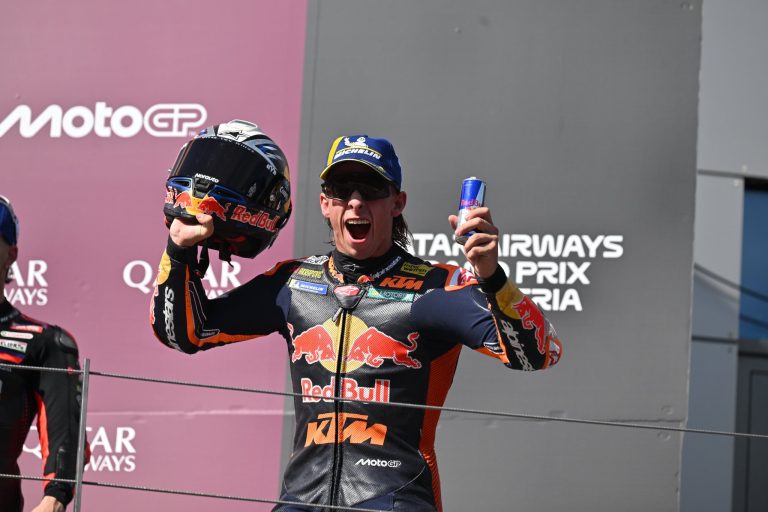
Pedro Acosta won the Austrian GP, beating Jorge Martín by 1.017s after taking the lead on lap nine.
Was Austria Pedro Acosta’s first MotoGP victory?
Yes. The 2026 Austrian GP was Acosta’s first full-distance MotoGP victory after 15 previous premier-class podiums.
Who leads the 2026 MotoGP championship after Austria?
Jorge Martín leads with 306 points. Marc Márquez is second on 294, leaving Martín 12 points ahead with seven rounds remaining.
What engines will MotoGP use in 2027?
MotoGP will reduce maximum engine capacity from 1000cc to 850cc for the 2027 season. The change is intended to control performance and reduce top speeds.