
News Summary
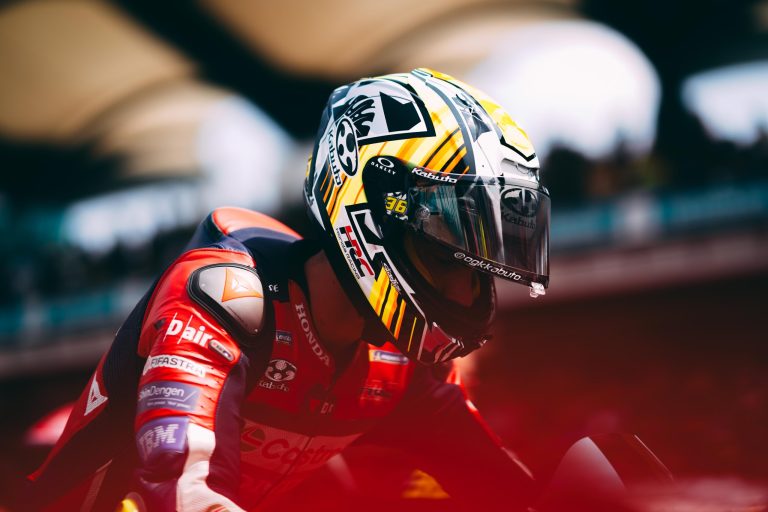
- Pedro Acosta will join Ducati after completing his final MotoGP weekend with KTM.
- Marc Márquez’s retirement removes the direct sporting comparison that Acosta expected to encounter inside the factory team.
- The younger Spaniard will now participate in Ducati’s technical transition without either of its current factory riders.
When Pedro Acosta agreed to join Ducati, the opportunity to compete against Marc Márquez on equivalent machinery represented one of the most compelling sporting aspects of his transfer.
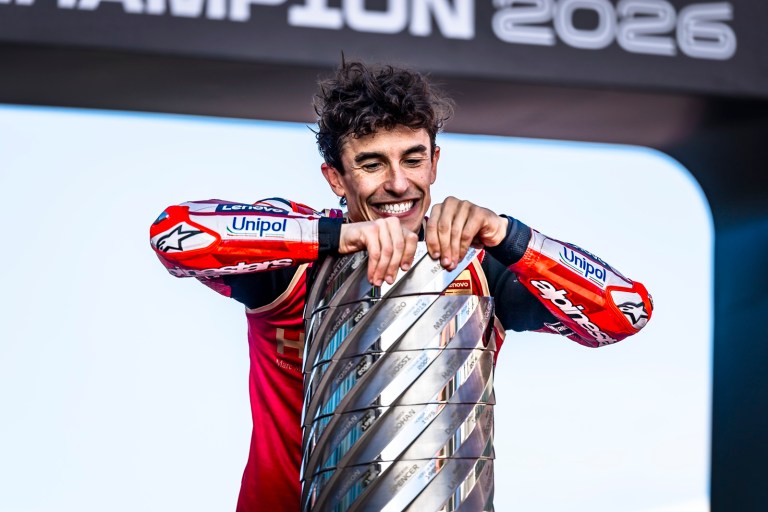
Acosta would enter the Italian manufacturer’s factory team alongside a rider who had won six premier-class world championships with Honda before securing consecutive titles with Ducati.
The comparison would provide an opportunity to assess the younger Spaniard’s development against one of the most accomplished riders in motorcycle racing history.
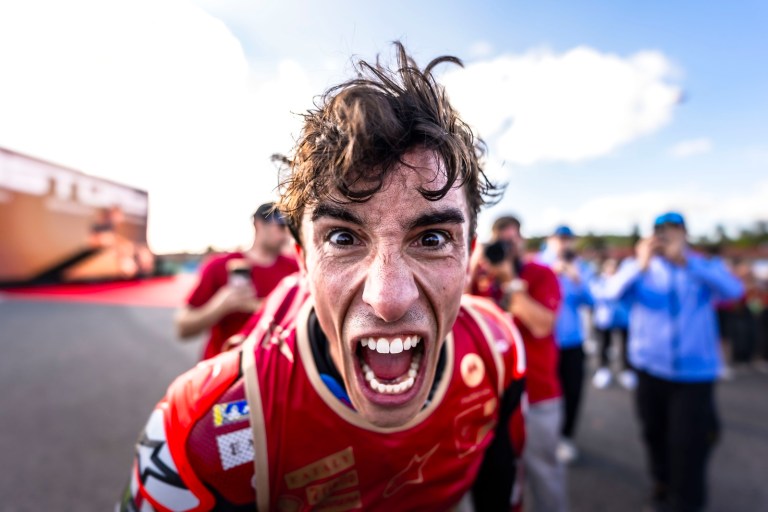
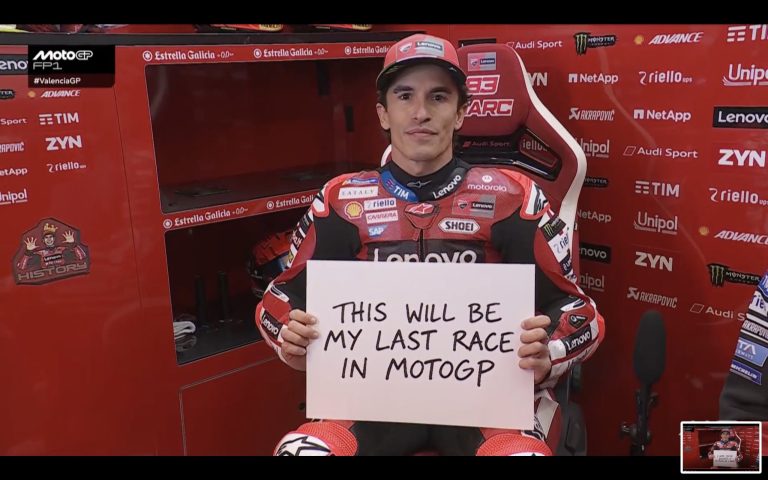
However, Márquez’s retirement announcement at Valencia means that particular challenge will never materialise.
Acosta’s move to Ducati has acquired a fundamentally different significance before he has even completed his first official test with the manufacturer.
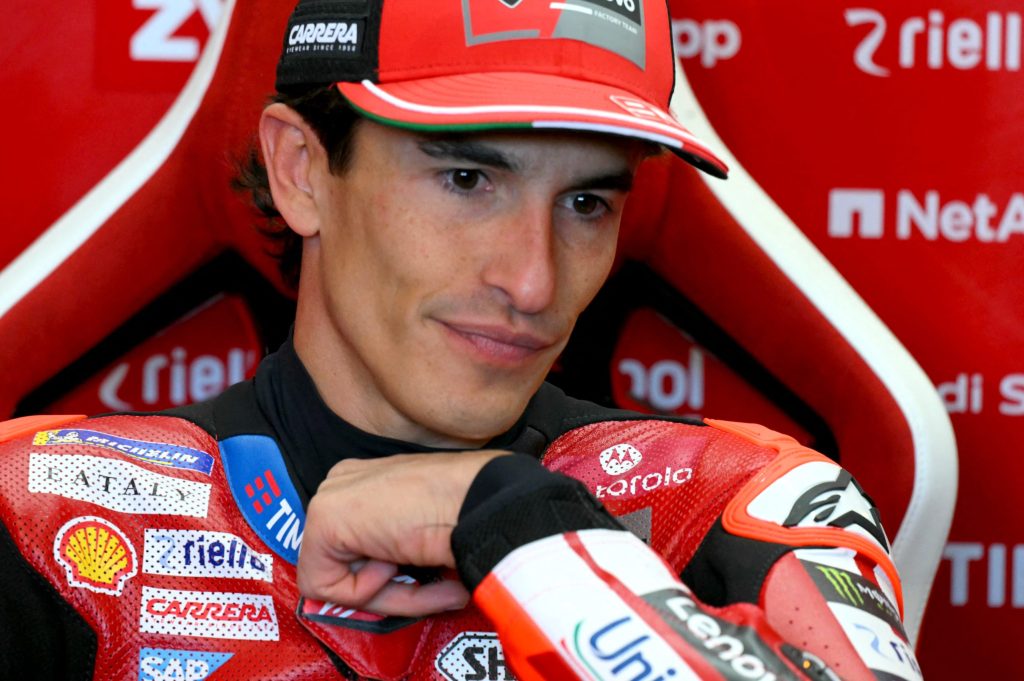
The benchmark Acosta was expecting
One of the most valuable aspects of racing alongside a world champion is the opportunity to compare performance within the same technical environment.
Qualifying results, race pace, tyre management and technical feedback provide more meaningful reference points when riders compete on equivalent machinery.
Márquez would have offered Acosta a particularly demanding benchmark.
The eight-time MotoGP champion had demonstrated his ability to win with two different manufacturers and adapt successfully to Ducati after spending eleven seasons with Honda.
As recently as Thursday, Acosta was discussing the challenge of competing alongside Márquez.
His subsequent adaptation to Ducati will now take place without that established reference.
Ducati’s need for a new sporting reference
The simultaneous departures of Márquez and Francesco Bagnaia are especially significant because both riders possess championship-winning experience with Ducati.
Between them, they delivered four of the manufacturer’s five consecutive riders’ championships from 2022 to 2026.
Their experience would ordinarily have been valuable in assessing changes to the motorcycle and identifying development priorities.
Ducati retains its engineering organisation and a substantial satellite team programme, meaning its technical capabilities do not depend exclusively on its factory riders.
However, the organisation of its sporting project must change.
Acosta could emerge as one of the leading references for the factory team significantly earlier than originally anticipated.
That possibility will depend partly on the rider Ducati selects to replace Márquez.
The opportunity and the challenge of the 850cc regulations
Acosta’s arrival coincides with a technical reset affecting every MotoGP manufacturer.
The championship will introduce 850cc engines, Pirelli tyres, new aerodynamic restrictions and the removal of ride-height devices.
Ducati had already established a programme involving four factory-specification motorcycles, distributing development resources beyond its official team.
Acosta will have to adapt to Ducati’s engineering environment while also learning the characteristics of the new technical package.
That process would have been demanding even with Márquez on the other side of the garage.
The reigning champion’s absence adds a different element of uncertainty, particularly regarding the establishment of competitive and technical benchmarks.
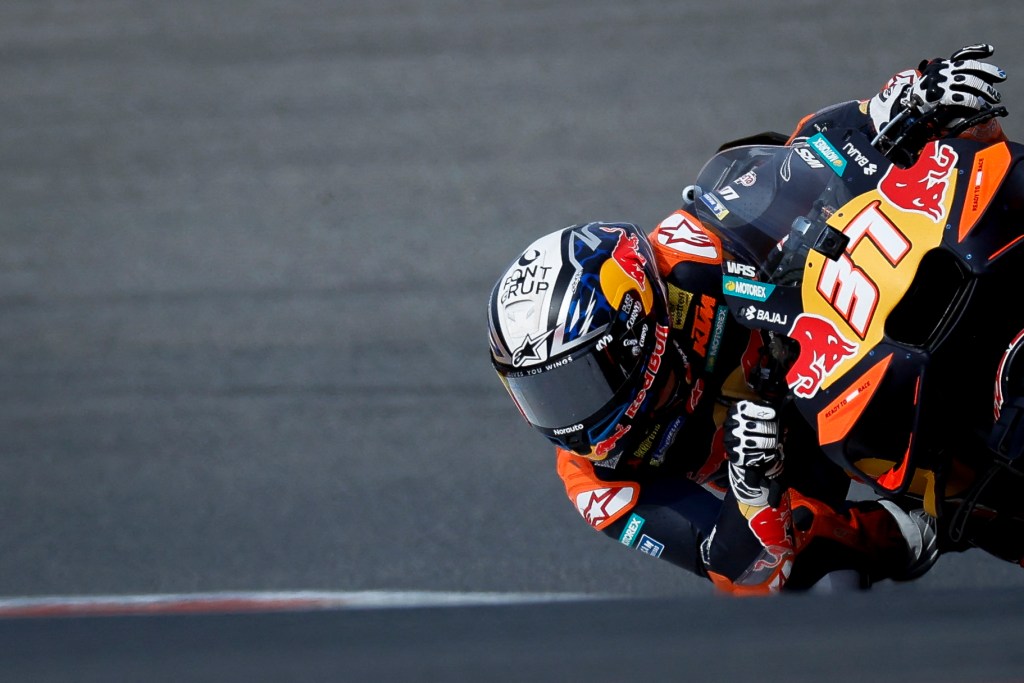
Acosta could shape Ducati’s next era
There is also a substantial opportunity within the unexpected circumstances.
Rather than joining an established championship-winning partnership, Acosta will participate in the creation of a new factory rider line-up.
A successful development programme and strong early results could allow him to establish considerable influence within Ducati’s sporting structure.
That does not mean the manufacturer has already designated him as its undisputed team leader.
The competitive relationship between Acosta and his future teammate will have to develop naturally.
Ducati’s original January 18 team presentation was expected to showcase the partnership between Acosta and Márquez.
Instead, it could mark the formal introduction of a substantially different factory project.
The new era will begin competitively at the 2027 Thailand Grand Prix on March 7.
FAQ
Will Pedro Acosta still join Ducati?
Yes. His previously announced transfer from KTM remains unchanged.
Who will be Acosta’s MotoGP teammate in 2027?
Ducati has not officially announced Marc Márquez’s replacement.
Will Acosta become Ducati’s team leader?
No formal leadership arrangement has been announced. Márquez’s retirement creates an opportunity for Acosta to assume greater sporting responsibility.