Key Takeaways:
- Isack Hadjar has broken the infamous “second-seat curse” at Red Bull, showing consistent progress alongside four-time F1 World Champion Max Verstappen.
- Out-qualifying Verstappen three times in 2026, Hadjar has closed the race-pace gap and proven his value in the RB22.
- Red Bull Team Principal Laurent Mekies confirmed that retaining Hadjar for the 2027 season is a “logical step.”
After years of grinding down drivers alongside Max Verstappen, Red Bull Racing has finally found in Isack Hadjar a driver capable of absorbing extreme pressure while delivering genuine, long-term growth potential.
Isack Hadjar arrived at Red Bull surrounded by an inevitable question in the paddock: could he survive the most difficult seat in Formula 1? After Pierre Gasly, Alexander Albon, Sergio Pérez, Liam Lawson, and Yuki Tsunoda all succumbed—to varying degrees—under direct comparison with Verstappen, the young Frenchman knew that simply replicating his 2025 performance at Racing Bulls would not suffice. He needed to navigate a high-pressure environment at Milton Keynes, learn from a four-time World Champion, and, above all, deliver consistent points.
With the first half of the 2026 Formula 1 season now complete, the verdict is clear: Hadjar has not only earned his place on the grid, but he has also transformed Red Bull’s second entry back into a formidable competitive weapon.
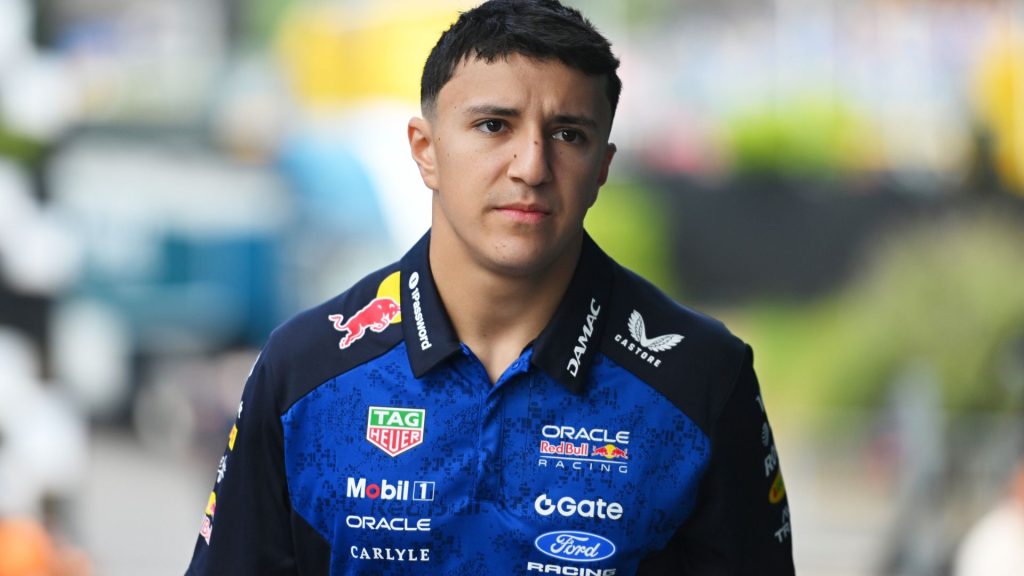
Closing the Gap: Hadjar vs. Verstappen in the 2026 Drivers’ Standings
Hadjar currently trails Verstappen in the Drivers’ Championship—68 points compared to his teammate’s 109—but the overall deficit is no longer an insurmountable chasm. More significant than the points tally is his progression on track:
- Qualifying pace: Rapid on single-lap runs, out-qualifying Verstappen three times.
- Resilience: Quick to recover from driving errors and setup setbacks.
- Racecraft: Consistent in high-attrition races and adaptable to changing conditions.
His promotion from Racing Bulls can already be deemed a resounding success. More intriguingly for Red Bull management, the 21-year-old driver has yet to reach his performance ceiling.
The strongest evidence lies in the head-to-head metric that has intimidated past Red Bull drivers. While Hadjar is not beating Verstappen in the championship in only his second F1 season, he has out-qualified him three times—a feat no previous teammate achieved over the prior two campaigns. Furthermore, Hadjar has frequently matched Verstappen’s race pace while driving an RB22 chassis that has proven challenging to tune.
Race Management: The Next Frontier for Hadjar
Hadjar openly acknowledged that Verstappen’s main advantage currently manifests on Sundays. While the Frenchman feels confident in his single-lap qualifying speed, he views his teammate’s tire management and stint execution as being on “another level.”
Identifying this gap is crucial because it defines his future growth margin. Hadjar does not need to learn how to be fast; he needs to convert that raw speed into race results with Verstappen-like efficiency. That precise developmental curve is what Red Bull envisioned when making the call to promote him.
Off-Track Dedication and Integration at Milton Keynes
Red Bull Team Principal Laurent Mekies previously praised Hadjar’s rapid development curve during his 2025 rookie campaign. Speaking on Hadjar’s transition to the main team in 2026, Mekies highlighted the driver’s relentless work ethic:
- Factory Presence: Hadjar relocated to the UK early in the year to maintain daily contact with team personnel.
- Simulator Work: Dedicated extensive hours to simulator testing ahead of each Grand Prix.
- Engineering Alignment: Built direct communication channels with his engineering crew to refine vehicle setup.
Hadjar understood early on what driving for Red Bull demands. Before his promotion, he noted that avoiding the second-seat “curse” required three elements: raw pace, strong off-track work, and total team integration. In 2026, he has delivered on all three fronts.
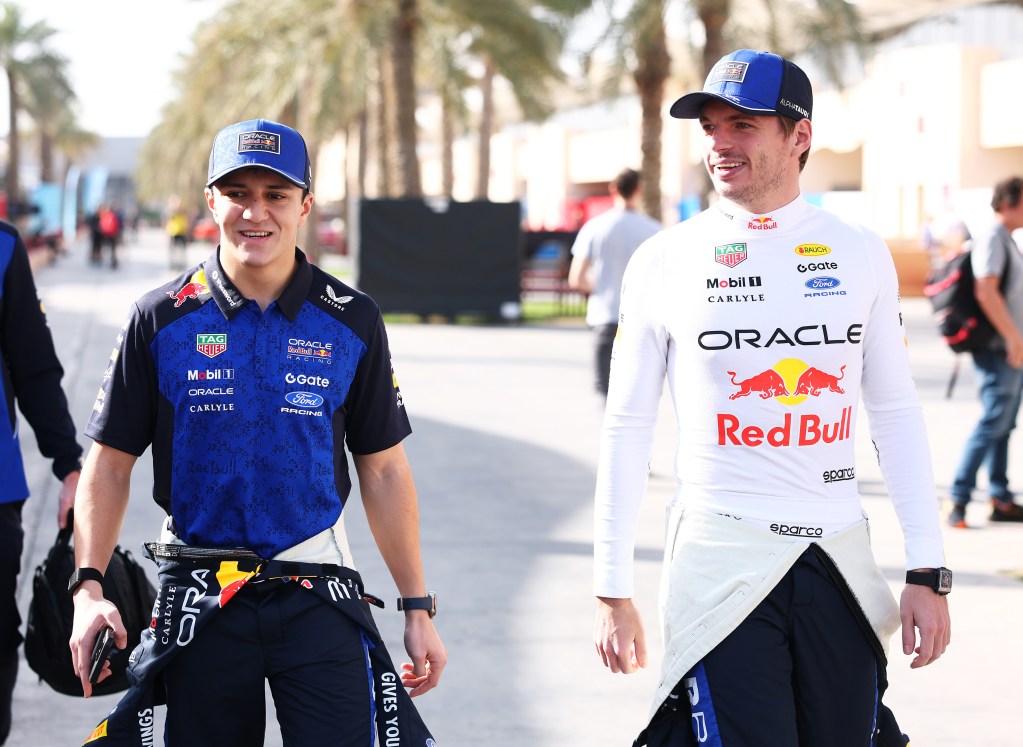
Learning from Verstappen: A Strategic Advantage
The garage dynamic between Hadjar and Verstappen has also accelerated the Frenchman’s development. Hadjar revealed that Verstappen remains open when asked for advice, freely shares telemetry data, and displays complete confidence in his own capabilities.
“Every time he goes out on track and sets a lap, it’s the absolute benchmark,” Hadjar noted regarding his teammate.
Unlike previous teammates who felt overwhelmed by Verstappen’s dominance, Hadjar uses the Dutch champion’s data as a direct learning tool. His on-track results reflect that steady progression throughout the 2026 season:
Belgian GP: Started 21st following grid penalties for power unit components and charged through the field to finish 6th in what he called his most complete F1 drive.
Australian GP: Qualified 3rd after Verstappen suffered a Q1 elimination. Retired due to a power unit issue.
Chinese GP: Secured an 8th-place finish during a weekend where Red Bull struggled against midfield contenders.
Miami GP: Suffered a DNF after a driving error, though floor damage from a pre-race issue forced a pit-lane start.
Canadian GP: Fought through penalties to finish 5th.
Monaco GP: Rebuilt his weekend after an FP1 crash to finish 3rd on track (later classified 4th following a penalty review).
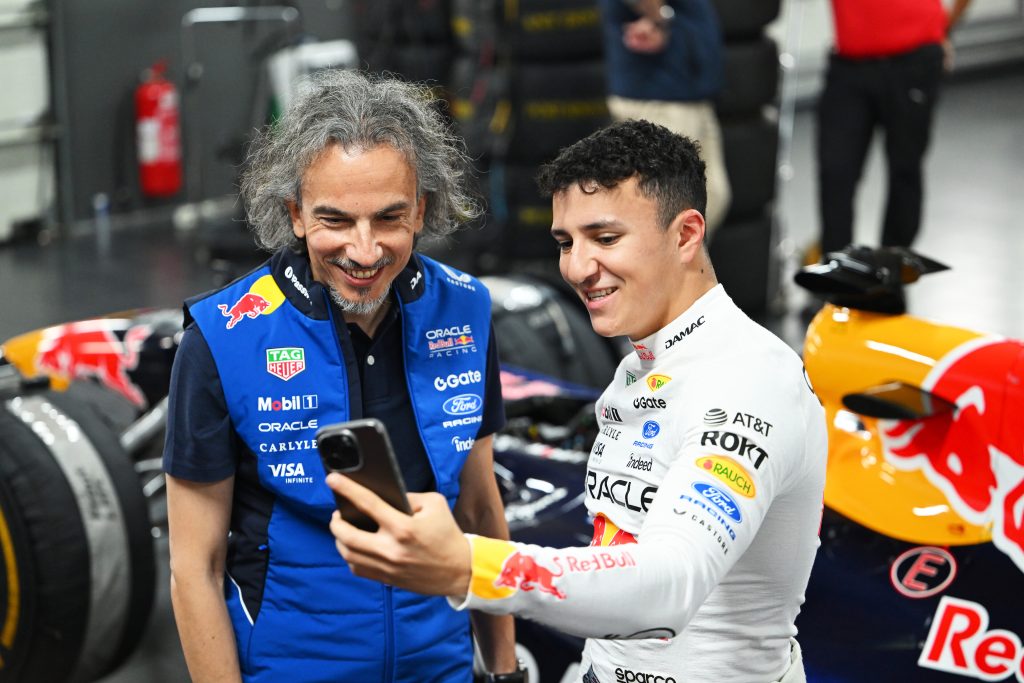
Overcoming Errors and Cultural Shift at Red Bull
Even Hadjar’s mistakes demonstrate maturity. After his 2026 Miami GP accident, he immediately took personal accountability, acknowledging a temporary lapse in focus. Following a late-race incident with Charles Leclerc in Canada, he publicly labeled his own move “stupid” and accepted the stewards’ penalty without complaint.
This psychological resilience ensures that errors do not stall his career progression—a critical trait for a young driver in his second Formula 1 season.
Simultaneously, the internal environment at Red Bull has evolved. Under Laurent Mekies, the team has moved toward a more supportive driver development culture. Mekies has emphasized a multi-year growth trajectory, allowing drivers room to learn from mistakes without facing immediate threats to their race seats.
The 2026 Technical Regulations and Ford Power Unit Era
The timing of Hadjar’s promotion coincided with major technical changes. The current regulations presented all drivers with unfamiliar car dynamics, forcing even veteran drivers like Verstappen to adapt. Furthermore, Red Bull continues to develop its in-house power unit in partnership with Ford, meaning Hadjar joined a team navigating its own steep technical learning curve.
Following the Hungarian Grand Prix, Mekies stated that “for the first time in a long time,” Red Bull possesses a fully dependable second driver, adding that securing Hadjar for the 2027 F1 season is a “logical step.”
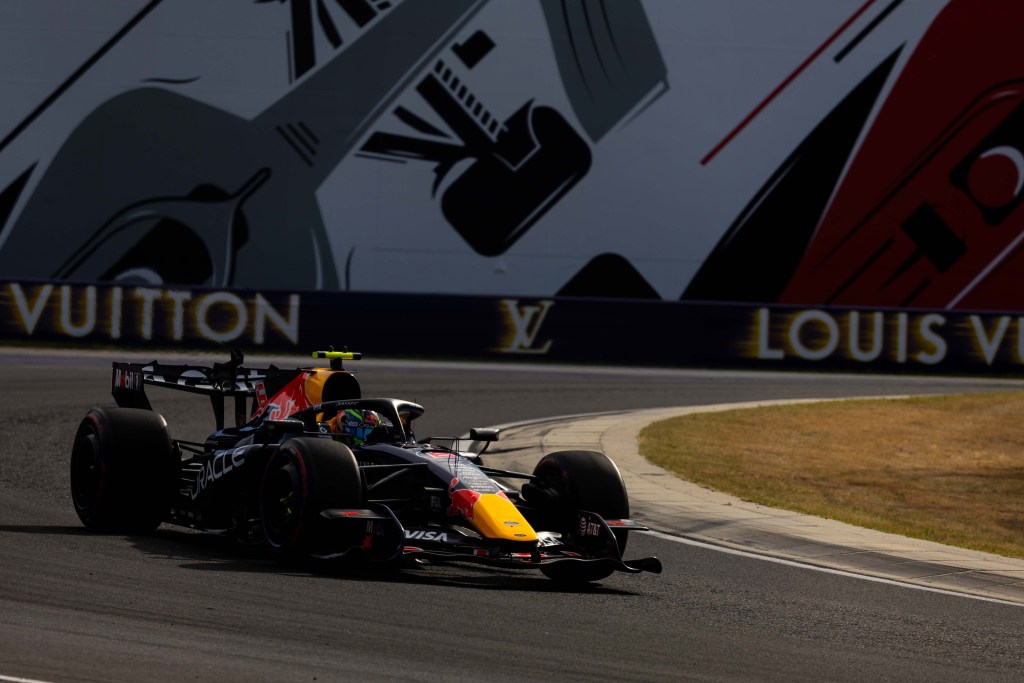
Looking Ahead: Seeking a Podium on Merit
While Hadjar has delivered strong performances in Monaco and Spa-Francorchamps, his next target is achieving a podium finish under normal racing conditions without relying on mid-race disruptions or safety cars.
At 21 years old, Hadjar has already shown he can co-exist with Verstappen, provide useful engineering feedback, and regularly score points for Red Bull. As he refines his tire management and builds racecraft experience, his raw speed suggests his performance ceiling remains high ahead of the 2027 season.
Formula 1 is currently in its summer shutdown. The 2026 season resumes August 21–23 with the Dutch Grand Prix at Zandvoort.