News Summary
- Porsche, Alpine and Peugeot have all announced their departures from the WEC Hypercar category since October 2025, raising questions about the sustainability of factory programmes.
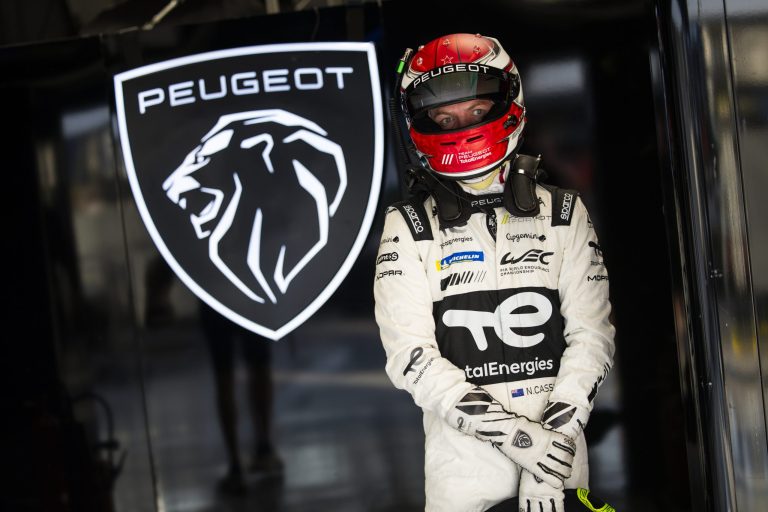
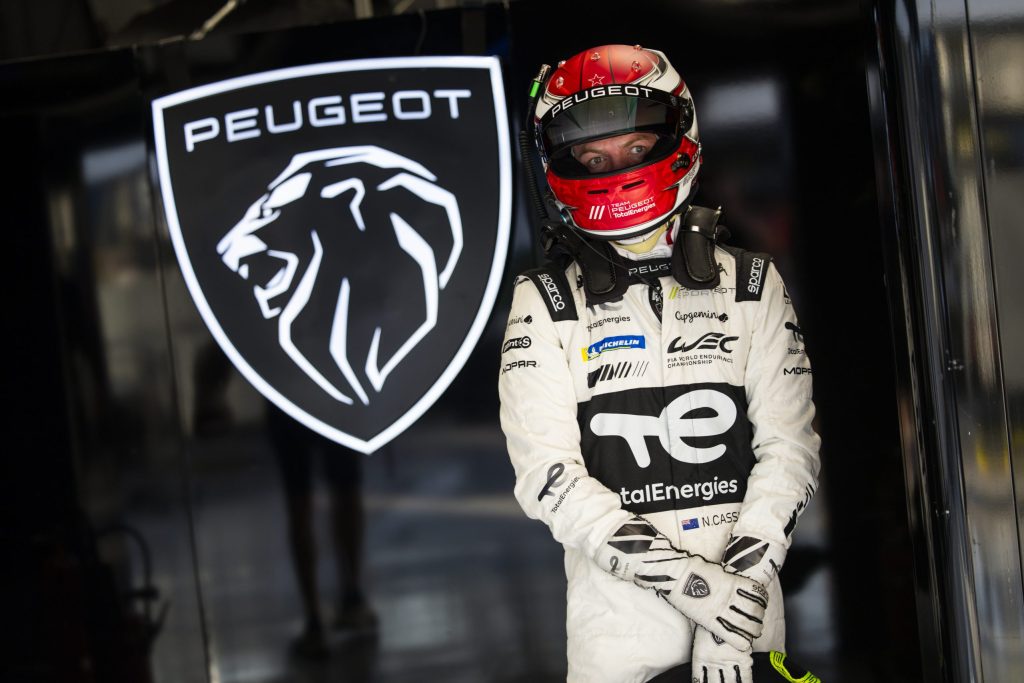
- Peugeot’s withdrawal leaves the championship without a French manufacturer in its premier class for 2027, despite extensive development work on the 9X8.
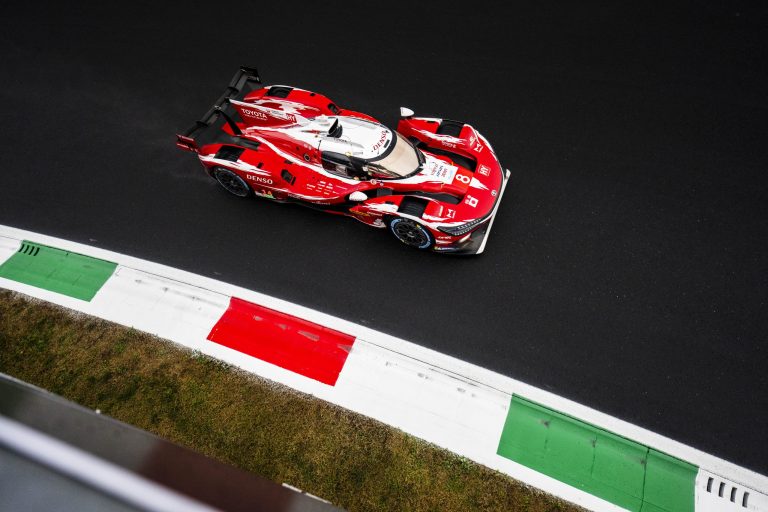
- Ferrari, Toyota, Aston Martin, BMW, Cadillac and Genesis are expected to remain, with Ford and McLaren joining the grid to bring the total to eight manufacturers.
The World Endurance Championship has lost three major Hypercar manufacturers in just 13 months, with Peugeot’s unexpected withdrawal becoming the latest blow to a category that has enjoyed remarkable growth in recent seasons.
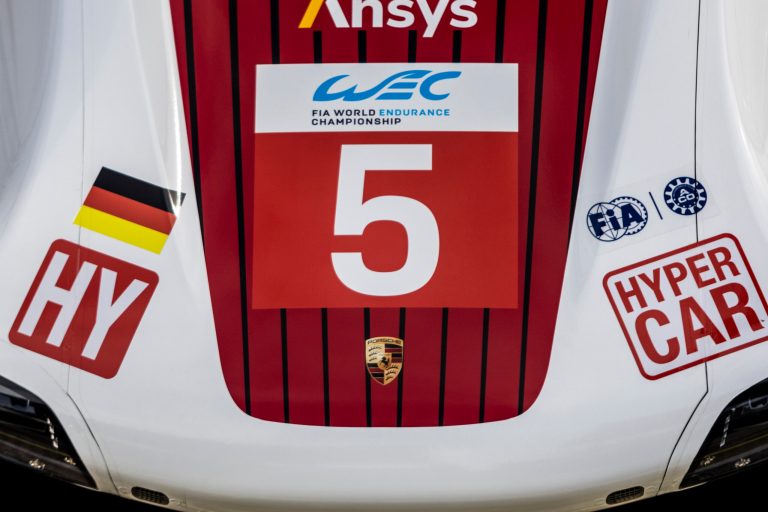
Porsche announced its departure in October 2025, ending its factory WEC programme after that season. Alpine followed in February 2026, confirming that it would concentrate its resources on Formula 1 rather than continue competing in endurance racing beyond the end of the year.
On Monday, November 23, Stellantis completed the sequence by announcing the immediate termination of Peugeot’s Hypercar project, abandoning plans to introduce an extensively revised 9X8 for 2027.
The three departures expose a contradiction at the heart of the current Hypercar era: the regulations continue attracting some of the world’s biggest automotive manufacturers, but established factory programmes are disappearing almost as quickly as new ones arrive.
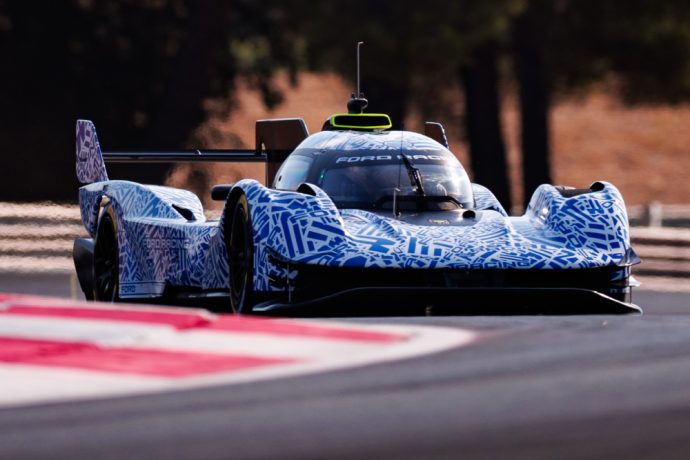
The situation is particularly significant because the WEC is preparing to welcome Ford and McLaren next season, two major brands that have committed to the LMDh platform.
Despite those additions, the expected manufacturer count will stand at eight, pending confirmation of the official 2027 entry list.
Porsche, Alpine and Peugeot: Three departures in 13 months
Porsche was the first manufacturer to announce its withdrawal during the current sequence.
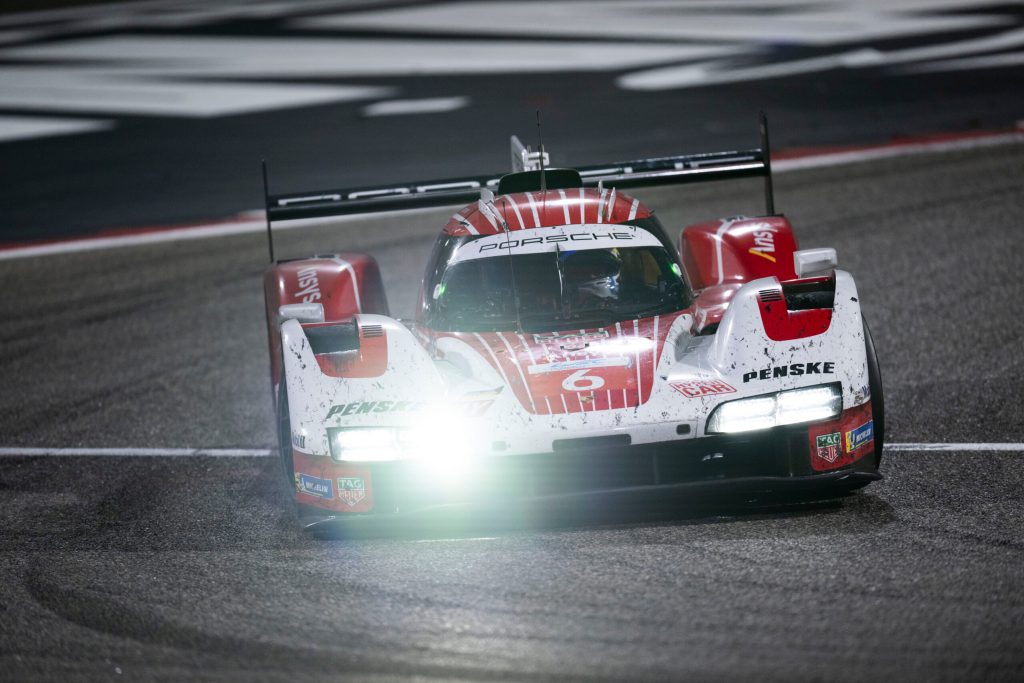
In October 2025, the German company confirmed that its factory Porsche Penske Motorsport programme would not return to the WEC for 2026.
The decision ended its involvement in the championship’s Hypercar category despite the success of the 963, which had delivered major victories and the 2024 Drivers’ World Championship.
Porsche chose to concentrate its factory racing efforts on IMSA in North America and Formula E, rather than continue competing across all three programmes.
Alpine became the second manufacturer to announce its departure.
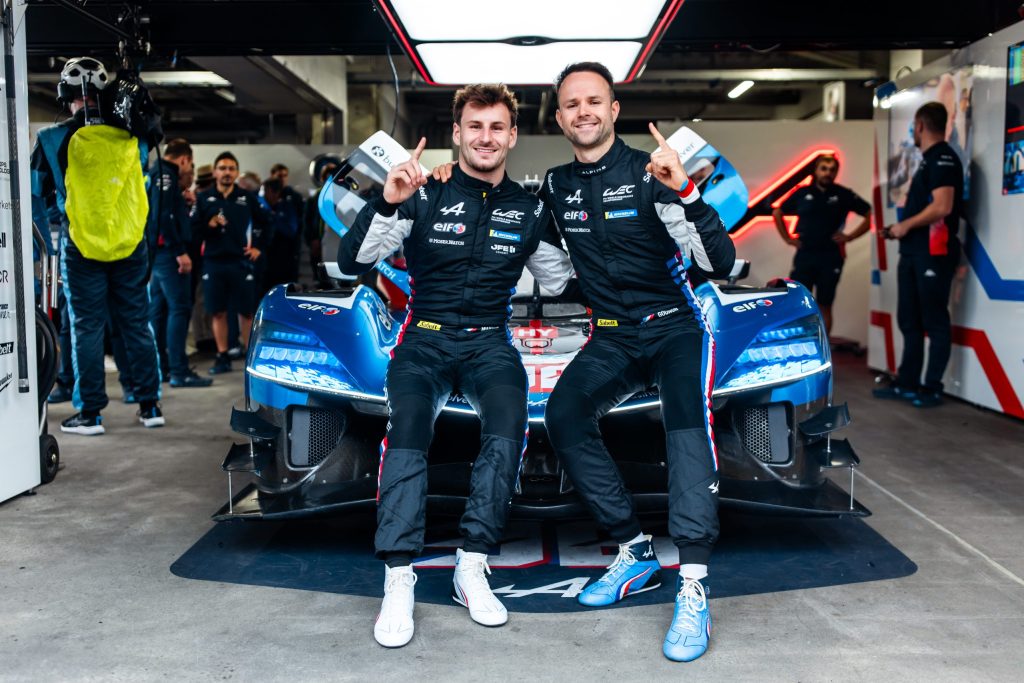
On February 12, 2026, the French company confirmed that its factory WEC operation would end after the season, with Renault Group prioritising its Formula 1 investment and broader automotive strategy.
The decision came despite the development of the A424 Hypercar, which had already achieved its first overall WEC victory.
The subsequent effort to preserve the programme through another manufacturer failed to produce a confirmed replacement.
As GRANDE PRÊMIO reported when negotiations involving Geely collapsed, Signatech faced an increasingly difficult task to secure the future of the A424.
Peugeot has now completed the sequence.
Stellantis announced that it was ending its official participation in the WEC, bringing the 9X8 programme to an abrupt conclusion after four seasons without an overall victory.
The decision is especially striking because Peugeot had already invested in a substantially revised prototype for 2027, with development work and driver recruitment well advanced.
According to GRANDE PRÊMIO’s report on Stellantis’ motorsport restructuring, the group will also withdraw Citroën and Opel from Formula E after the 2027 season.
In little more than a year, the WEC has therefore lost three established manufacturers for three different reasons: a change in racing priorities at Porsche, a corporate restructuring at Alpine and a wider cost-cutting strategy at Stellantis.
WEC 2027: Eight manufacturers expected in Hypercar
Despite the departures, the WEC is preparing to maintain a substantial manufacturer presence in 2027.
Six existing manufacturers are expected to remain in the championship, while Ford and McLaren will introduce new LMDh programmes.
Expected 2027 WEC Hypercar manufacturers
| Manufacturer | 2027 status | Prototype |
|---|---|---|
| Ferrari | Continuing | 499P |
| Toyota | Continuing | TR010 Hybrid |
| Aston Martin | Continuing | Valkyrie |
| BMW | Continuing | M Hybrid V8 |
| Cadillac | Continuing | V-Series.R |
| Genesis | Continuing | GMR-001 |
| Ford | New entry | LMDh |
| McLaren | New entry | MCL-HY |
The eight manufacturers represent a substantial field by historical endurance-racing standards.
Ferrari and Toyota have established themselves among the leading competitors of the current era, while Cadillac, BMW and Aston Martin continue developing their respective programmes.
Genesis, which entered the Hypercar category in 2026, is also preparing for its second WEC campaign.
Ford and McLaren will bring further attention to the championship, particularly in the United States and United Kingdom.
Both brands have extensive motorsport histories and strong international recognition.
However, their arrival should not disguise the fact that three other manufacturers have departed during the same period.
The final composition of the grid, including the number of cars entered by each manufacturer, remains subject to confirmation by the FIA and the Automobile Club de l’Ouest.
WEC loses its French manufacturers as Hypercar costs come under scrutiny
One of the most immediate consequences is the disappearance of French factory representation from the premier class.
Alpine and Peugeot had provided two of the most prominent domestic programmes in the WEC, particularly at the 24 Hours of Le Mans.
Their departures mean the championship is expected to begin 2027 without a French manufacturer competing for overall victories.
That represents a significant change for a category whose most prestigious race takes place in France.
The broader concern involves the financial sustainability of factory Hypercar programmes.
The LMH and LMDh regulations were designed to make top-level endurance racing more accessible than the previous LMP1 hybrid era.
Shared technical components, cost controls and opportunities to compete across the WEC and IMSA have helped attract manufacturers.
But reducing development costs does not eliminate the substantial financial commitment required to operate a competitive factory team.
Manufacturers must still fund engineering departments, personnel, testing programmes, logistics and continuous technical development.
The economic environment surrounding the automotive industry can also change rapidly.
When manufacturers reassess their priorities, motorsport programmes are often among the investments exposed to spending reductions.
Peugeot’s withdrawal demonstrates how quickly a project can disappear, even after years of development and preparations for another season.
Ford and McLaren arrive as WEC faces crucial 2027 transition
The challenge for the WEC is to convert the popularity of the Hypercar regulations into sustained manufacturer participation.
The championship has already extended the current technical framework through 2032, providing a longer period of regulatory stability.
That decision was intended to give manufacturers confidence that their investments would remain relevant for several seasons.
However, the recent withdrawals demonstrate that stable regulations do not necessarily guarantee stable factory programmes.
Porsche’s departure has also created opportunities for other organisations.
As GRANDE PRÊMIO previously reported, Roger Penske’s organisation has explored a potential return to the WEC with Cadillac, although no confirmed programme has been announced.
Meanwhile, Alpine’s departure raises questions about the future of Signatech, while Peugeot’s decision leaves drivers and engineers searching for alternatives after the cancellation of the 9X8 project.
Ford and McLaren will enter a championship that remains technically attractive and commercially important, but whose recent history illustrates the vulnerability of manufacturer-backed endurance racing.
The 2027 Hypercar grid may still feature eight major automotive brands, yet the departures of Porsche, Alpine and Peugeot show that attracting manufacturers and keeping them committed are two very different challenges.
GRANDE PRÊMIO is following developments in the 2027 World Endurance Championship, including the Hypercar grid, manufacturer programmes and preparations for the 24 Hours of Le Mans.
FAQ
Which manufacturers have left the WEC Hypercar class ahead of 2027?
Porsche ended its factory WEC programme after 2025. Alpine confirmed its withdrawal in February 2026 and completed its final season that year. Peugeot announced the immediate cancellation of its Hypercar project on November 23, 2026.
How many manufacturers will compete in WEC Hypercar in 2027?
Eight manufacturers are expected: Ferrari, Toyota, Aston Martin, BMW, Cadillac, Genesis, Ford and McLaren. The final entry list remains subject to official confirmation.
Which manufacturers are joining the WEC in 2027?
Ford and McLaren will enter the Hypercar category with new LMDh programmes, adding two major international brands to the championship.