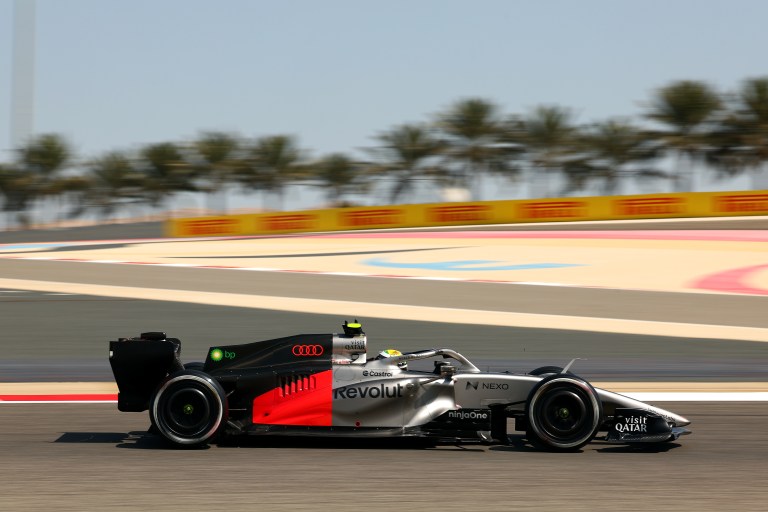
The Hungarian Grand Prix marks Formula 1’s final round before the mandatory summer shutdown, but that didn’t stop teams from pushing forward with development packages at the Hungaroring. While several constructors brought track-specific tweaks to handle the circuit’s unique demands, Aston Martin introduced a extensive overhaul aimed at rectifying the core handling issues that have plagued its package since race one.
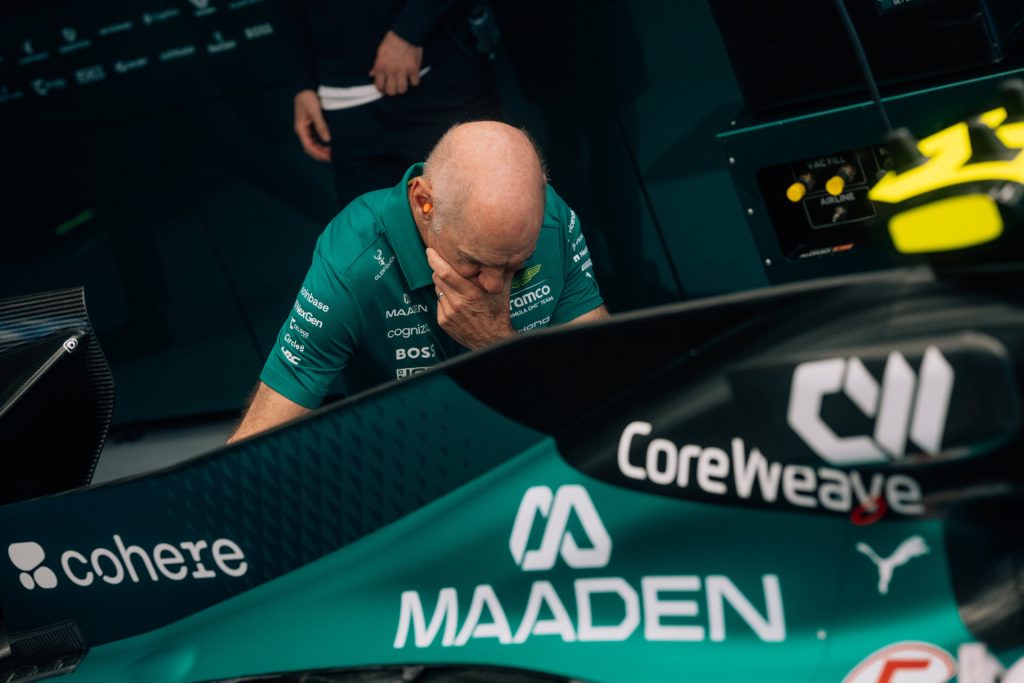
Speaking of the Silverstone-based squad, the AMR26 received 16 new components for the Budapest weekend. According to the team, the revisions deliver “a significant aerodynamic leap alongside meaningful weight reduction.” The development package covers a completely revised floor, revised bodywork, redesigned sidepod inlets, a reshaped engine cover, and an updated diffuser. The nose assembly is now noticeably slimmer and longer, complemented by revised front and rear wings, a redesigned rear suspension layout, and modified brake cooling ducts.
The sidepod undercut and engine cover revisions aim to streamline airflow toward the rear assembly, while the front wing, endplates, and nose geometry were re-engineered to optimize front-end authority. Aston Martin also completed a comprehensive redesign of the floor underbody and fences to generate cleaner, more consistent downforce across the AMR26.
McLaren arrived at the Hungaroring featuring a revised floor geometry, an updated rear wing, and modified front and rear brake duct scoops. The latter two items feature tweaked cooling outlets specifically engineered to cope with the heavy thermal demands of the Hungarian circuit.
With high ambient temperatures anticipated across the weekend, Mercedes focused its resources on thermal management, adjusting the central cooling inlet geometry on the engine cover to optimize mid-body airflow. The Silver Arrows also introduced a high-downforce rear wing tailored to the layout of the Hungaroring.
After encountering stability issues with its “Macarena wing” layout in Austria and Great Britain—and electing to bench the component entirely in Belgium—Red Bull revised the profile of the wing’s supporting pylons. The updated curvature increases local downforce while stabilizing trailing airflow. The Milton Keynes squad also tweaked its diffuser geometry alongside a high-downforce rear wing setup.
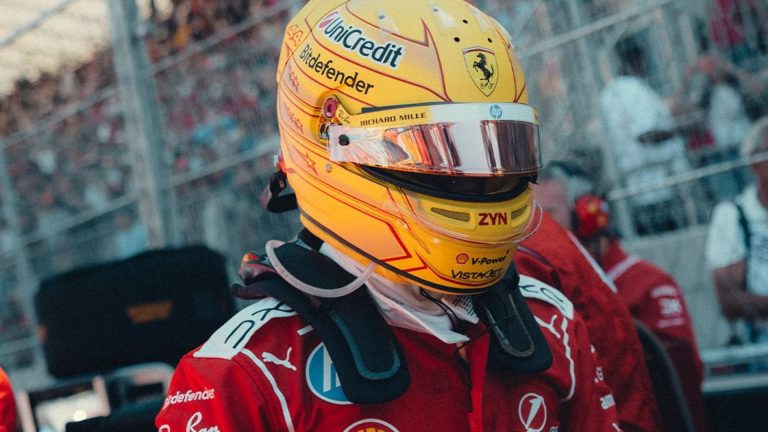
The remaining grid opted for more targeted adjustments. Ferrari concentrated its development efforts on the rear wing assembly, introducing a triple-element gurney flap configuration to generate high downforce. Racing Bulls installed a high-downforce rear wing and updated its rear brake duct assembly. Haas and Audi pursued a similar direction, fitting circuit-specific rear wings suited for the Hungaroring’s tight layout. Finally, Cadillac addressed ongoing brake temperature issues by deploying a revised brake cooling duct architecture.
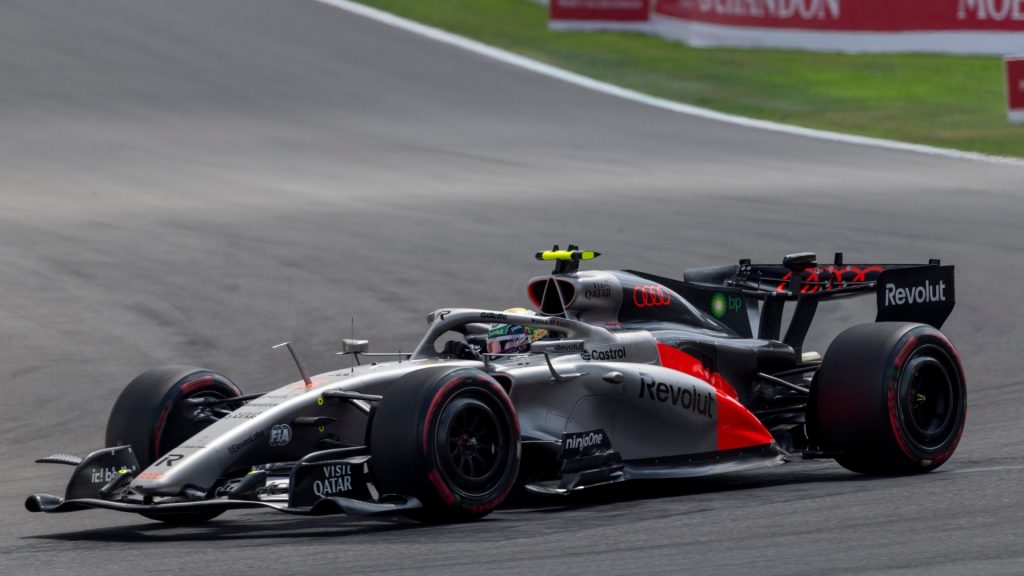
F1 Hungarian GP: when to watch in US ET, London (UK), New Delhi (India), Shanghai (China) and Sydney (Australia)
US Eastern Time (ET)
- Free Practice 1: 07:30 AM
- Free Practice 2: 11:00 PM
- Free Practice 3: 06:30 AM
- Qualifying: 10:00 AM
- Race: 09:00 AM
London Time (BST)
- Free Practice 1: 12:30 PM
- Free Practice 2: 04:00 PM
- Free Practice 3: 11:30 AM
- Qualifying: 03:00 PM
- Race: 02:00 PM
New Delhi Time (IST)
- Free Practice 1: 05:00 PM
- Free Practice 2: 08:30 PM
- Free Practice 3: 04:00 PM
- Qualifying: 07:30 PM
- Race: 06:30 PM
Shanghai Time (CST)
- Free Practice 1: 07:30 PM
- Free Practice 2: 11:00 PM
- Free Practice 3: 06:30 PM
- Qualifying: 10:00 PM
- Race: 09:00 PM
Sydney Time (AEST)
- Free Practice 1: 09:30 PM
- Free Practice 2: 01:00 AM (overnight)
- Free Practice 3: 08:30 PM
- Qualifying: 12:00 AM (midnight)
- Race: 11:00 PM