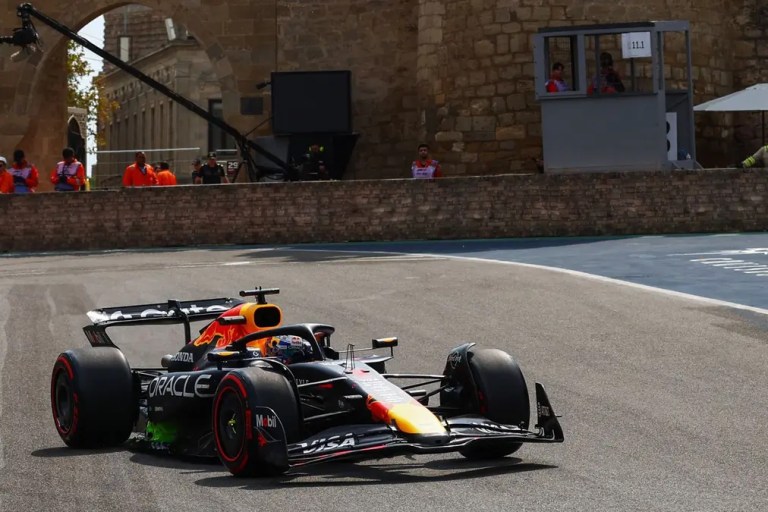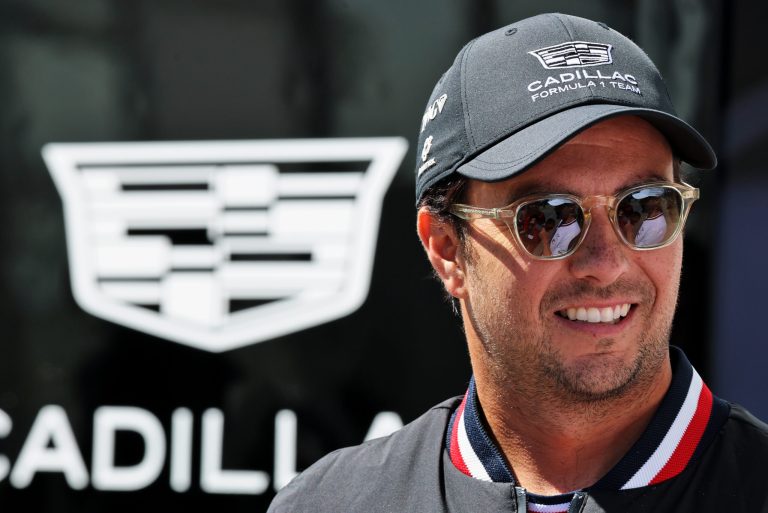

The grand technical transformation promised by Formula 1 ahead of 2026 turned into a disaster the moment the new cars hit the track during pre-season running. The changes were so profound that the sport was forced to schedule a week of private testing in cold January conditions in Barcelona even before official testing began. It was there that teams first realized something was fundamentally wrong with the package. While certain issues had been anticipated, reality hit hard. Yet it took the season opener in Australia to confirm that the regulations were not merely controversial, but potentially dangerous.
For the first time in decades, F1 implemented an absolute clean-sheet overhaul: a sophisticated aerodynamic concept paired with a radical power unit shift where the hybrid system contributes 50% of total output. Terms like energy management, ‘lift and coast’, super clipping, and straight-line mode quickly entered the paddock vocabulary as drivers adapted to an entirely different driving style in the name of electrification and manufacturer commitments.
The core issue lay in how these demands distorted qualifying and race dynamics. Because the internal combustion engine no longer operates independently and the battery requires aggressive harvesting at critical points, cars began suffering severe power drop-offs on main straights. This led to frantic, highly artificial position exchanges during the early rounds, while single-lap qualifying lost its pure performance essence due to constant energy conservation. Although peak output reached nearly 1,000 hp, cars could instantly lose up to 470 hp when the hybrid system entered harvesting mode.
The backlash from drivers was swift. Max Verstappen proved the most vocal critic, famously describing the cars as “Formula E on steroids.” The drastic shift in driving dynamics and the compromise to racing purity even led the four-time World Champion to question his future in the sport. “We want real Formula 1—high-powered Formula 1. That hasn’t been the case. I love racing, but everyone has a limit,” he stated early in the campaign. Other drivers soon echoed his frustration, including Lewis Hamilton, Fernando Alonso, and George Russell. However, the reigning champion’s primary concern centered on driver safety.
“It’s artificial chaos,” Lando Norris declared after Melbourne. “A major accident is waiting to happen. We’re just sitting here waiting for something to go horribly wrong, and that’s not a comfortable feeling. Depending on energy modes, you can have speed differentials of 30, 40, or 50 km/h between cars. If someone hits a slower car at that speed, they’re going to launch over the barrier, and people could get severely hurt.”
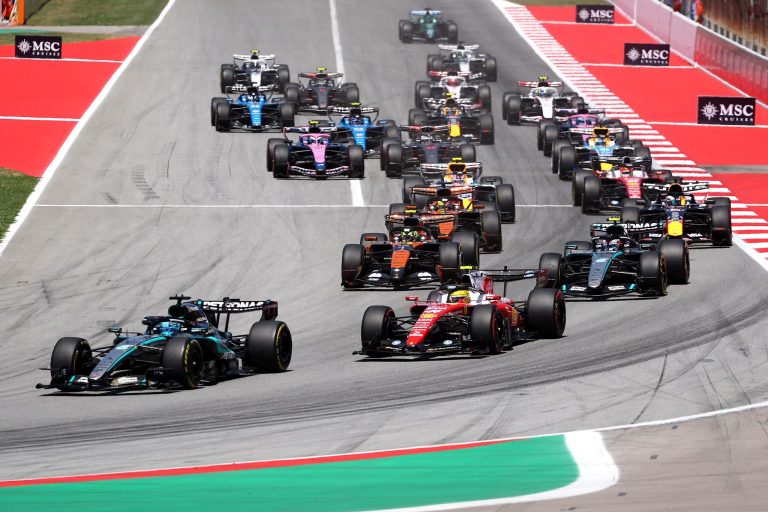
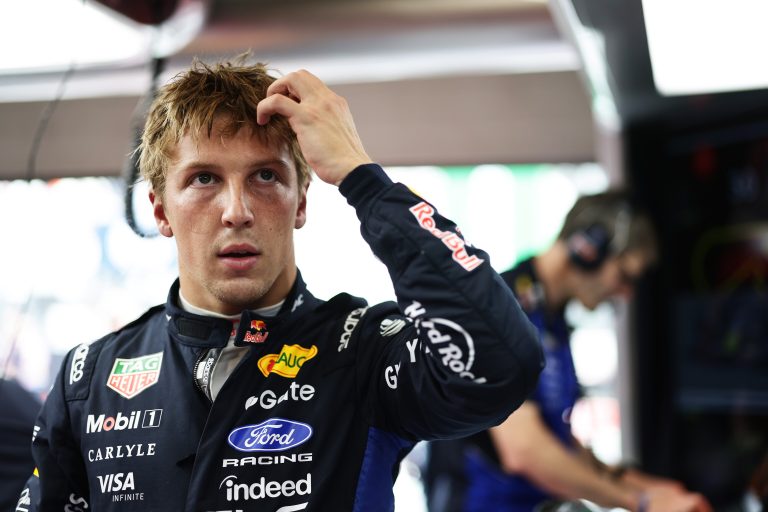
Norris’ warning proved prophetic just two rounds later, while also highlighting vulnerabilities at race starts where cars struggled to launch with full battery charge. In Australia, Liam Lawson’s stalled Racing Bulls nearly caused a grid collision as Franco Colapinto took evasive action. But the defining moment came at the Japanese Grand Prix with Oliver Bearman’s heavy crash.
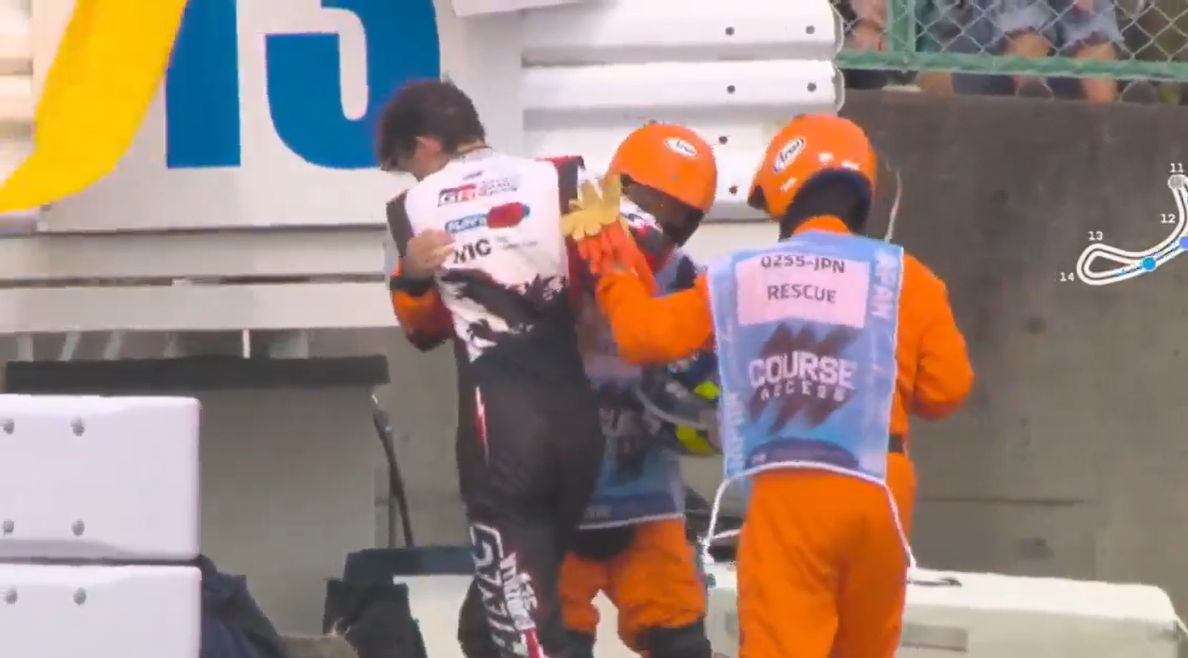
The Suzuka circuit laid bare every structural flaw in the regulations. On lap 22, the Haas driver approached Spoon Curve—one of the fastest sections of the track—at 308 km/h, only to encounter an Alpine harvesting energy at a speed roughly 50 km/h slower. Attempting to avoid Colapinto, Bearman lost control and suffered a violent 50G impact into the tire barrier at Turn 13. While he walked away without fractures, the incident dominated headlines and forced immediate regulatory intervention.
Faced with undeniable safety risks, the FIA and Formula 1 had no choice but to initiate a comprehensive overhaul. Because altering the 50/50 power split mid-season was technically impossible, governing bodies met with team bosses during an unexpected calendar gap—caused by the cancellation of the Bahrain and Saudi Arabian Grands Prix due to regional conflicts—to draft emergency adjustments before the Miami GP.
The resulting tweaks targeted four key areas: qualifying, race trim, starts, and wet-weather conditions. The FIA modified energy allocation limits for single-lap runs, increased harvesting thresholds to reduce the need for aggressive ‘lift and coast’, and adjusted MGU-K deployment parameters to mitigate extreme speed differentials during starts. While these interventions stabilized racing at lower-speed venues between Miami and Austria, high-speed tracks like Silverstone and Spa-Francorchamps once again exposed noticeable straight-line deceleration.
Consequently, F1 has already ratified a revamped regulatory framework for 2027. The revised package reduces electrical reliance, rebalances the internal combustion ratio, and overhauls aerodynamic concepts—specifically front/rear wings and floor architecture—to restore cornering performance without compromising straight-line stability.

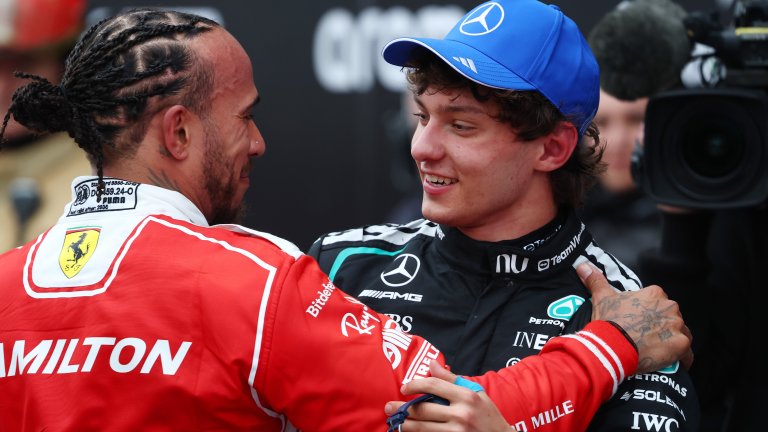
On track, the competitive hierarchy saw Mercedes emerge as the early pace-setter with its W17 chassis, sweeping the opening six rounds. Russell took victory in Australia before rookie teammate Andrea Kimi Antonelli embarked on a sensational five-race winning streak from China to Monaco. The Italian prodigy adapted seamlessly to Brackley’s package, claiming six wins, six pole positions, and 219 points to hold a 50-point lead heading into the summer break.
In contrast, Russell’s campaign was hampered by rare reliability glitches for the Silver Arrows—most notably a battery failure while leading in Canada. With just two victories and sitting 59 points behind his teenage teammate, the Briton finds himself under immense pressure to secure his long-term future with Toto Wolff’s squad amidst mounting competition from Ferrari, McLaren, and Red Bull.
Ferrari made notable strides—highlighted by an innovative “Macarena” wing design and Lewis Hamilton’s emotional first victory in red at Barcelona—but operational missteps restricted their title challenge. McLaren struggled early on with reliability before Lando Norris claimed victory in Hungary, while Red Bull relied on Verstappen’s individual brilliance to stay in contention as the team continues development on its power unit.
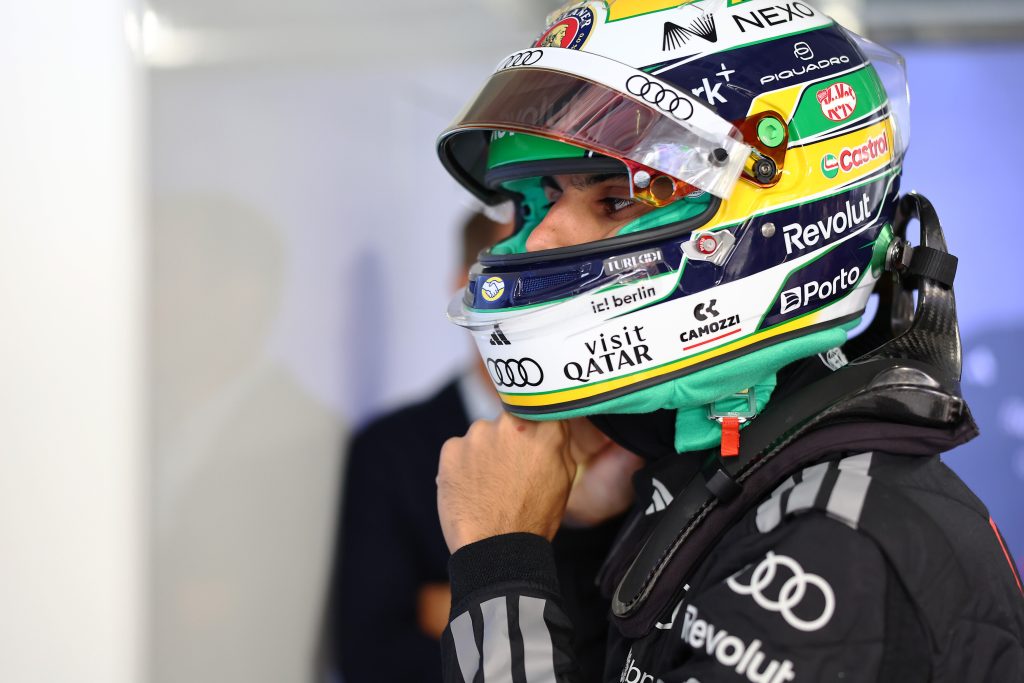
Further down the grid, Audi’s official entry alongside newcomer Cadillac reshaped the midfield. Despite early reliability setbacks, Audi’s Allan McNish-led outfit demonstrated encouraging baseline pace, with rookie Gabriel Bortoleto scoring 10 of the team’s 12 points. Meanwhile, Cadillac’s debut campaign under Graeme Lowdon has been defined by operational growing pains, though the team closed the gap in recent rounds.
The biggest disappointment of the first half remains Aston Martin. Despite significant investment, Adrian Newey’s technical leadership, and Fernando Alonso behind the wheel, severe chassis vibration issues severely compromised their early races. The team was forced to introduce a virtually new specification car at the Hungarian Grand Prix, showing initial signs of progress on the tight Hungaroring layout.
As Formula 1 enters its summer shutdown, the sport prepares for a crucial second half featuring returning venues like Malaysia and ongoing discussions regarding final calendar destinations. The 2026 season resumes from August 21 to 23 with the Dutch Grand Prix at Zandvoort.
➡️F1: confira o calendário completo de 2026
➡️Inscreva-se nos dois canais do GRANDE PRÊMIO no YouTube: GP | GPTV