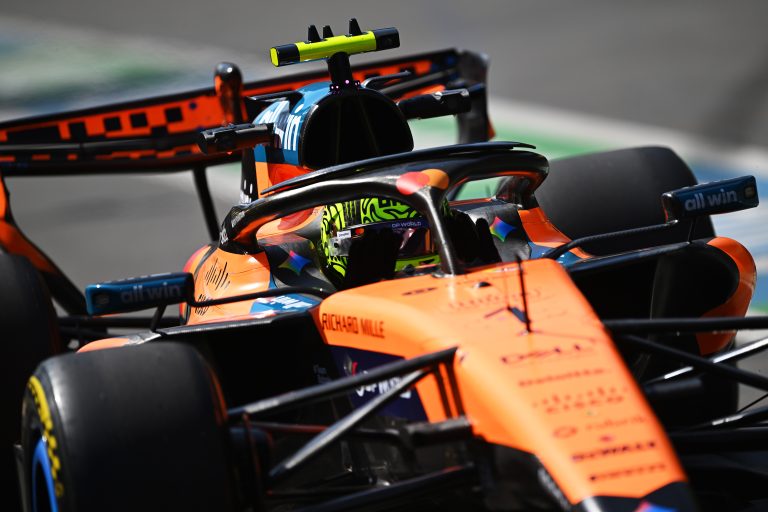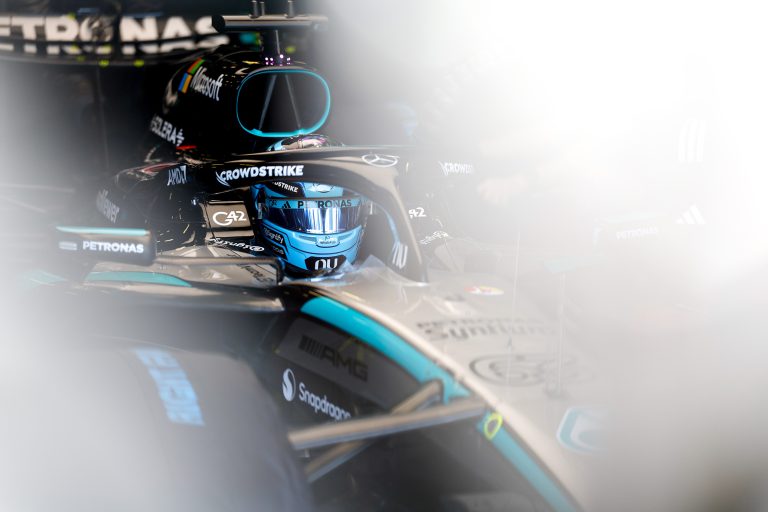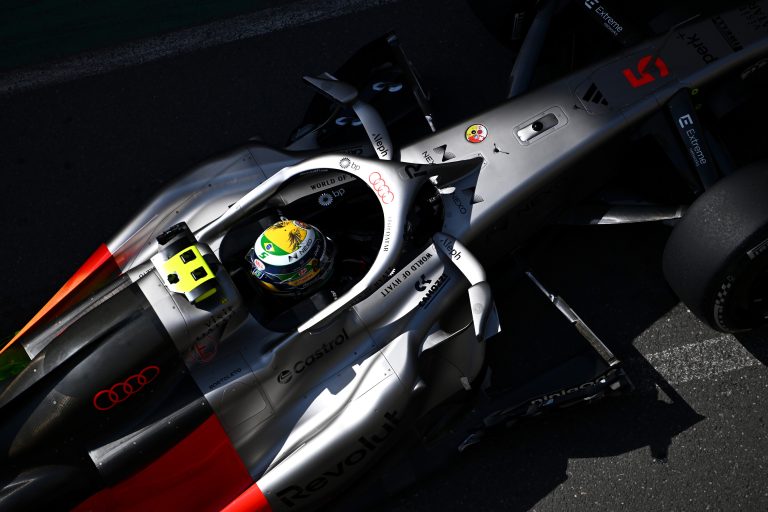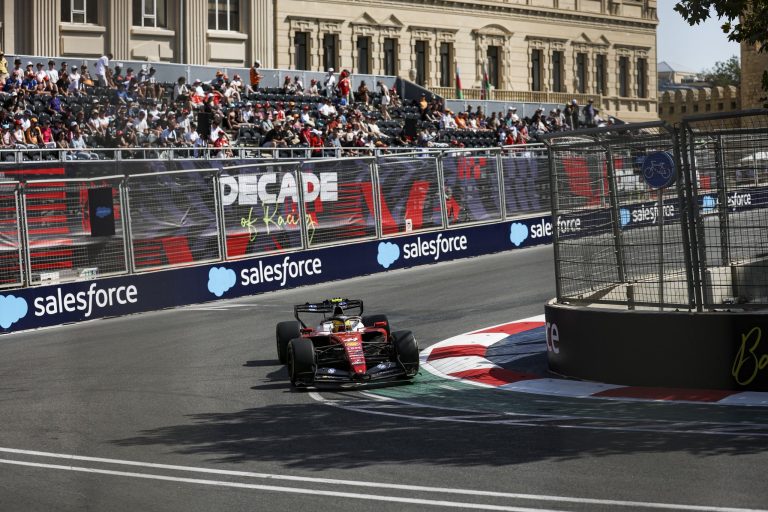
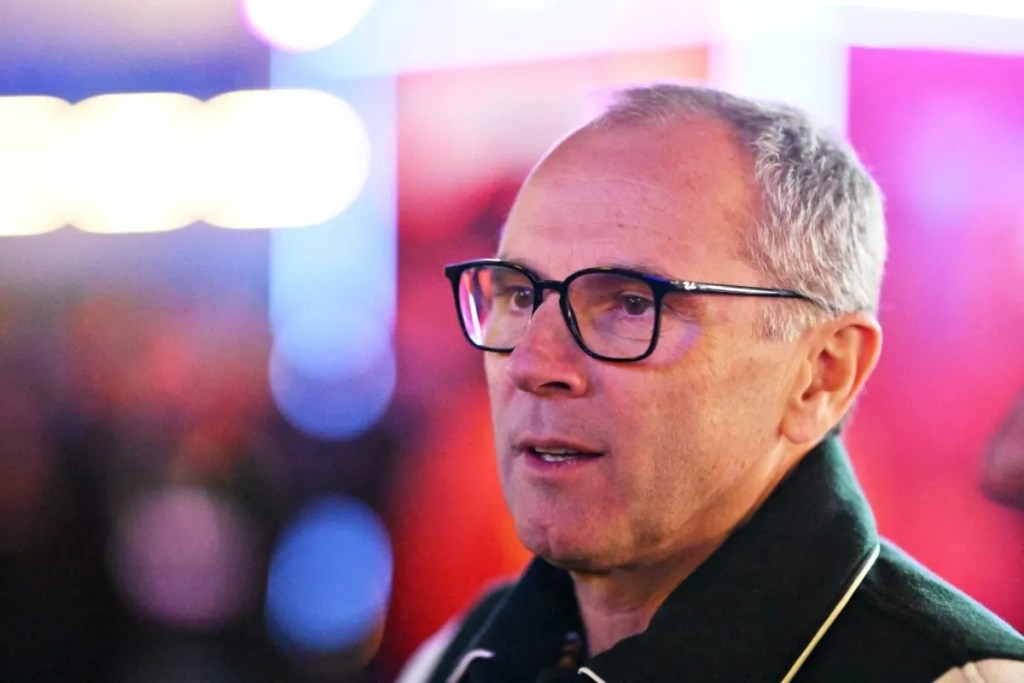
The 2026 Formula 1 regulations have drawn widespread criticism from both the public and drivers alike. Stefano Domenicali, CEO of the category, emphasized that there is no attempt to silence anyone, but stressed that feedback must be constructive, as he considers this a journey everyone needs to walk together. The executive also noted that the sport is enjoying a thriving era and is currently at its peak in terms of audience.
The 2026 technical rules introduced a power unit with a 50/50 power split between the internal combustion engine (ICE) and the electric motor (MGU-K). As a result, drivers are forced to manage energy continuously, which has led to increasingly artificial overtaking maneuvers as cars shed significant top speed along straightaways.
The backlash was severe enough that the Fédération Internationale de l’Automobile (FIA) has already announced updates to the power unit rules for the 2027 season. One of the vocal critics was Max Verstappen, who slammed the regulations during pre-season testing, calling the new cars “like Formula E on steroids.” In addition to expressing that the machinery is no longer fun to drive, he even teased the idea of walking away from the sport.
Several other drivers raised concerns about the regulations, including Lewis Hamilton, Fernando Alonso, Lando Norris, Oscar Piastri, and Oliver Bearman. Recently, the Australian driver pointed out that very little remains in the drivers’ control and that starting grids are practically dictated by computers. Amid the wave of pushback, Domenicali stated that F1 will not muzzle anyone, but reiterated that criticism ought to be constructive.

“You know me, we’re not here to shut anyone up. The beauty of our sport is that everyone can have a point of view, but an opinion is just an opinion. Someone has to step up and draw the line. Naturally, certain drivers prefer certain things. I think throughout this process, we’ve highlighted the need to be constructive,” the F1 CEO stated.
“I prefer to discuss matters behind closed doors to find solutions. The more people air out issues taken out of context, the more negativity falls back on the sport—it starts becoming personal. So I think everyone has grasped that,” he emphasized.
The Italian explained that, as F1 CEO, he must look at the bigger picture—weighing not only driver feedback but also what works best for the sport as a whole, including commercial viability.
“In that sense, as I’ve said, you know full well how much I respect our drivers—they are the jewels of the crown. But of course, they have to understand there is a path we must walk together. And the fans are always the top priority, above everyone else, including myself. Drivers are entitled to a personal opinion, but it’s my duty to assess what’s best for the sport overall,” he highlighted.
Domenicali also defended the decision to increase electrification within the series to lure major automakers into the sport. “I’ll reiterate that this shift was driven by a core motive, and that motive was essential. Otherwise, we’d be standing here discussing our sport, but it would be an entirely different category altogether. So that was recalibrated,” he asserted.
Finally, the executive highlighted the growth in trackside attendance, which he views as a reflection of the sport’s current success. “The scenario we are experiencing today is truly remarkable. The championship is at its peak in terms of viewership—from fans filling the grandstands to both new and veteran followers who appreciate what we are building,” he assessed.
“The ecosystem is extremely robust and solid across all key stakeholders. Therefore, we must look ahead and ensure that the sport continues to grow, as I said, all together in the right direction,” he concluded.
Formula 1 is currently on its summer break. The series resumes its 2026 season activities from August 21 to 23 with the Dutch Grand Prix at Zandvoort.