News Summary
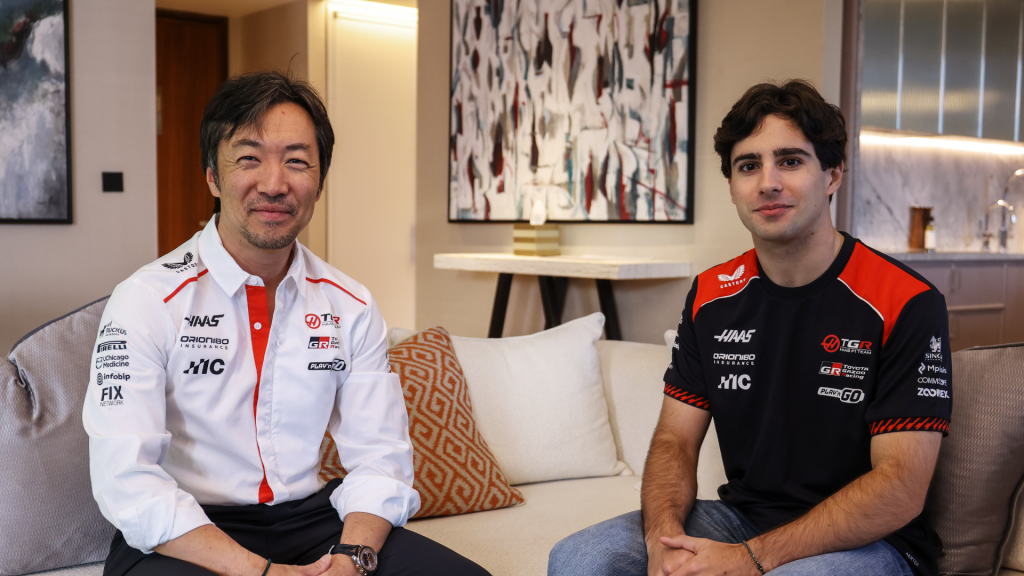
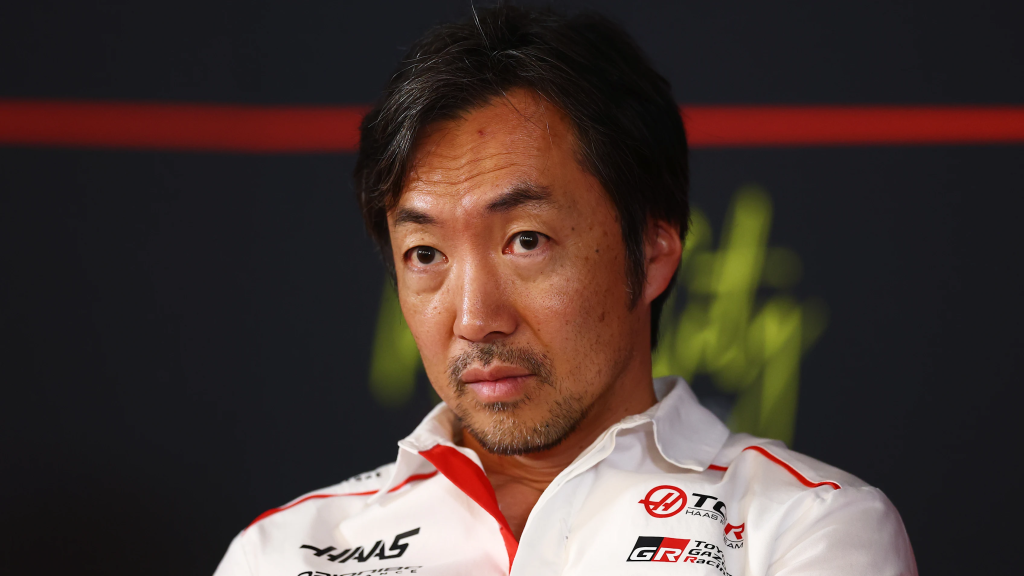
- Haas team principal Ayao Komatsu was particularly impressed by Rafael Câmara’s ability to adapt to changing track conditions during a private Formula 1 test in Portugal.
- The Brazilian’s rapid improvement and calm approach under pressure strengthened his case for a race seat, ahead of his promotion following Esteban Ocon’s departure.
- Câmara will partner Ollie Bearman at the São Paulo Grand Prix, giving Haas an early opportunity to assess its planned 2027 driver line-up in competitive conditions.
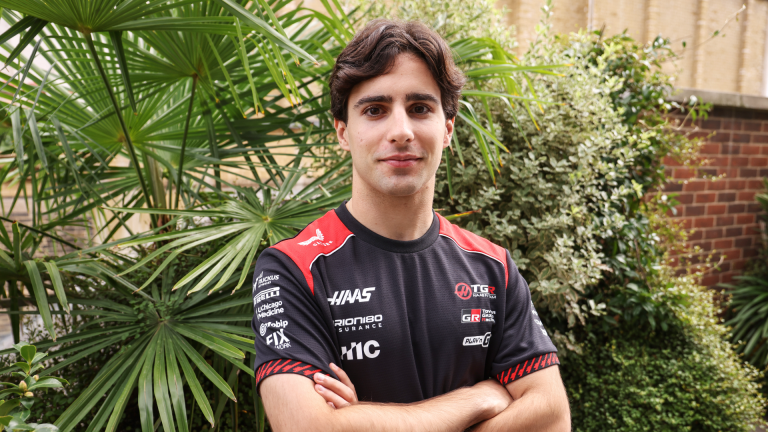
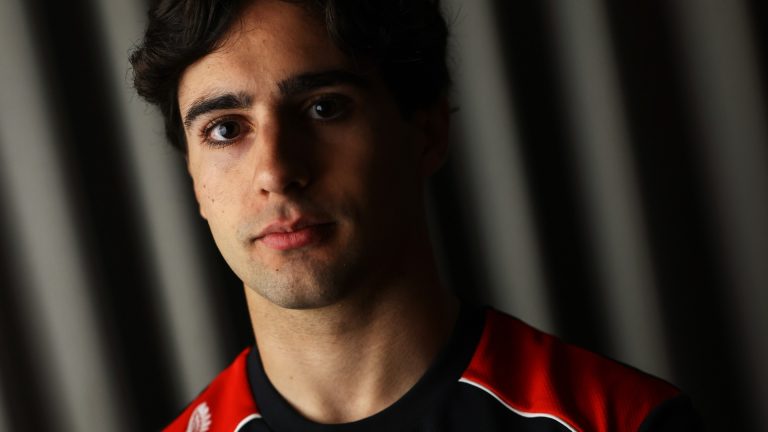
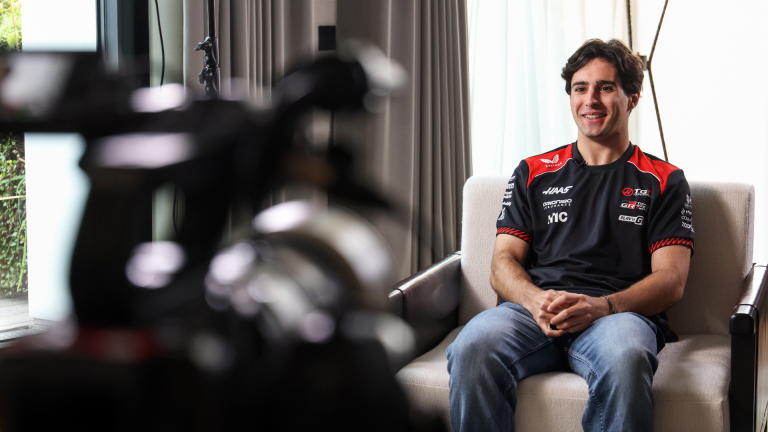
Rafael Câmara will make his Formula 1 debut with Haas at the São Paulo Grand Prix this weekend, but the American team’s confidence in the 21-year-old Brazilian extends far beyond his results in the junior categories. Team principal Ayao Komatsu has revealed that Câmara’s ability to adapt, improve rapidly and remain composed during private testing at Portimão played a decisive role in convincing Haas that he was ready for the next step.
The Brazilian’s promotion follows Esteban Ocon’s departure from the team’s race line-up, bringing forward an opportunity originally expected to arrive in 2027. His first Grand Prix will take place at Interlagos, a circuit where he has never previously raced.

Câmara impressed Haas with remarkable improvement at Portimão
Haas evaluated Câmara during a two-day Testing of Previous Cars programme in Portugal in August.
The Brazilian drove the team’s previous-generation Formula 1 machinery alongside other young drivers being considered for future opportunities.
The assessment included Leonardo Fornaroli, Jack Doohan and Ryō Hirakawa, giving Haas a chance to compare different levels of experience and driving styles.
Komatsu said Câmara’s performance was especially impressive because of the way he responded when conditions changed.
During one phase of the test, the Brazilian produced a competitive lap in relatively cool conditions.
As the track became more difficult, he adjusted his driving without losing composure.
“It was really incredible the feeling he has got to understand the grip level – and adjust to all the conditions,” Komatsu told Formula 1’s official website.
The team principal explained that Câmara remained calm even as the car became more challenging to drive.
Following a four-hour break, conditions changed again.
Câmara immediately produced a strong lap before making further gains over his next two runs.
“The rate of improvement was just incredible,” Komatsu said.
The observation was particularly important because adapting to changing conditions is one of the most demanding aspects of Formula 1.
A driver must recognise how the tyres, circuit and car are behaving, communicate effectively with engineers and modify their approach without losing confidence.
Komatsu believes Câmara demonstrated those qualities during his first substantial opportunity to work with Haas.
Komatsu praises Câmara’s composure under pressure
The Brazilian’s approach outside the car also attracted attention.
Komatsu said Câmara concentrated on maximising his own performance rather than becoming distracted by the results of the other drivers participating in the evaluation.
“I think his focus was right. He wasn’t focused on the result,” the Haas boss explained.
That mentality closely matches the philosophy Komatsu has tried to establish within the team.
He believes drivers should concentrate on factors they can control, rather than allowing expectations or circumstances to interfere with their work.
Câmara followed that approach throughout the assessment.
According to Komatsu, the Brazilian understood how to prepare himself mentally and extract the maximum from each opportunity.
The combination of speed, discipline and adaptability ultimately distinguished him during a competitive selection process.
After reviewing the test data, Komatsu discussed the team’s driver options with owner Gene Haas.
The American businessman had already followed Câmara’s progress in Formula 2 and was familiar with his achievements.
The decision to select the Brazilian reflected both his junior racing record and the impression he made working directly with the team.
Haas sees long-term potential in Brazilian rookie
Câmara’s rise through the junior categories has been unusually rapid.
A member of the Ferrari Driver Academy since 2021, he won the Formula Regional European Championship in 2024 and the FIA Formula 3 title in 2025.
He then moved into Formula 2, where he established himself as a championship contender during his rookie season.
His performances strengthened the belief that he could progress to Formula 1 without an extended period in the junior categories.
Komatsu has emphasised that Haas regards Câmara as a driver with whom the organisation can develop over several seasons.
“We see huge potential in Rafa,” he said.
“He’s somebody with whom we can grow together.”
That long-term perspective is particularly important because Haas is preparing to field a young driver pairing in 2027.
Oliver Bearman has already demonstrated the benefits of the team’s development approach, progressing from his initial Formula 1 opportunities to become an established member of its race line-up.
Komatsu believes the experience gained while working with Bearman has helped Haas develop the structures needed to support another young driver.
The objective is not simply to identify speed, but to create an environment in which that potential can develop consistently.
Why Interlagos will be a difficult first test
Câmara’s debut arrives under circumstances that would challenge even an experienced driver.
He will be competing in front of his home supporters, with limited preparation in the current Haas VF-26 and no previous racing experience at Interlagos.
The São Paulo circuit combines heavy braking zones, elevation changes and a technical middle sector that demands confidence and precision.
Early weather forecasts have also suggested the possibility of rain during the weekend.
The technical demands of Interlagos will provide a challenging introduction to Formula 1.
However, the qualities Komatsu identified in Portugal could be particularly useful.
The Brazilian’s ability to adjust his driving to changing grip levels may help him respond to unfamiliar conditions, while his composed approach could reduce the risk of becoming overwhelmed by the occasion.
There is also a lesson from Gabriel Bortoleto’s difficult home Grand Prix in 2025, when accidents during the sprint and race turned an eagerly anticipated weekend into a frustrating experience.
Câmara will have even less Formula 1 experience than Bortoleto had at that stage.
A clean weekend, consistent progress and productive technical feedback could therefore provide a more meaningful assessment than his final position alone.
Haas has an early opportunity to prepare for 2027
Haas’ decision to introduce Câmara before the end of 2026 gives the team valuable information ahead of next season.
The Brazilian will partner Bearman, allowing the organisation to assess how the two young drivers work together during a competitive race weekend.
Komatsu has already praised Bearman’s speed and his ability to motivate the team during difficult periods.
Câmara’s arrival adds another driver with a strong junior record and an approach that Haas believes is compatible with its development philosophy.
GRANDE PRÊMIO also understands that Câmara is expected to compete in Las Vegas before Ryō Hirakawa returns for Qatar and Abu Dhabi, provided those events take place.
The arrangement would allow the Brazilian to continue pursuing the Formula 2 championship during its final rounds.
For Haas, the immediate priority will be understanding how Câmara adapts to the current Formula 1 car, communicates with engineers and develops across the weekend.
His performance in Portugal demonstrated the potential that convinced the team to sign him.
Interlagos will provide the first opportunity to observe those qualities under Grand Prix conditions.
GRANDE PRÊMIO is following every session of the São Paulo Grand Prix this weekend, with breaking news, full coverage and real-time updates in its Formula 1 section.