
t was paddock chatter for quite some time—a very long time, in fact. Mercedes had stolen a march on engine development and possessed every ingredient to excel once the new regulations, coming into effect for 2026, took hold. And so it proved. Under the umbrella of the rule changes—much like the last major engine overhaul in 2014—Mercedes surged ahead. The first mid-season break under the new rules arrives with a crystal-clear picture of the hierarchy at the top. As well as their Achilles’ heel.
The pecking order revealed the reality of the situation very quickly. Even during pre-season testing, it was evident that Mercedes was cruising to reach a level where others had to push at maximum intensity. Australia confirmed it: George Russell was faster and, although some starting-line drama against a surging Ferrari made things tricky, Russell regained control to claim victory, with teammate Andrea Kimi Antonelli in tow to complete a 1-2 finish.
The theme of those first four races was difficulty off the line for Mercedes, but their speed and balance were superior enough for their drivers to recover. What unfolded from then on was an internal battle. While Antonelli found his feet and put the grid on notice, Russell began to struggle. Despite the 1-2 in China, he suffered lower finishes in the following rounds.
While George was grappling with issues he has yet to fully solve, Kimi reeled off five consecutive victories. In total, Mercedes only failed to claim pole position once across the 11 races so far—at the Hungarian GP right before the break. They logged six straight wins to open 2026, but have suffered three defeats in the five races since.
These recent defeats and the narrowing of their margin are completely normal in the context of a healthy Formula 1. It is far better than the light-years gap that the 2014 regulations produced, which made it obvious it would take ages for anyone to pose a threat. And so it went: eight Constructors’ and seven Drivers’ titles in a row. Not anymore. Rivals, far more invigorated than before, are already gearing up for the coming years. Yes, if they can challenge for the 2026 titles, great; but if they can merely start the upcoming years on equal footing—or close to it—that will suffice.
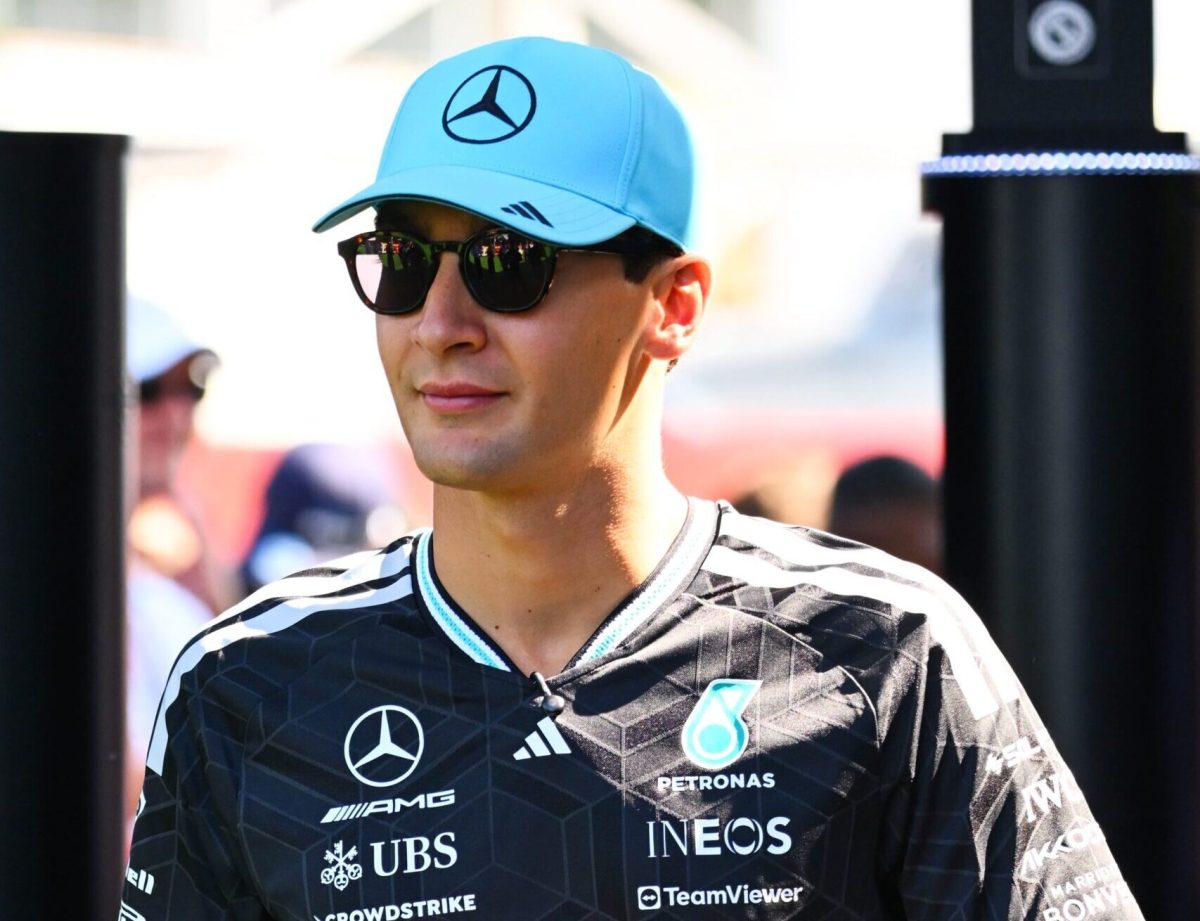
Antonelli holds a 50-point lead at the top and, even with so many races remaining—between 10 and 13 GPs—it is unlikely he will lose the title to a rival from another team. Even with difficulties mounting and Russell not even sitting second—he is nine points behind runner-up Lewis Hamilton—the Briton remains the only potential threat. In the Constructors’ Championship, Mercedes holds a 72-point cushion over second-placed Ferrari.
However, if starts were an issue earlier on, they are less so now. As rivals improve and close the gap—more at some tracks than others—what is the biggest cause for concern? Ultimately, it’s something that rarely surfaced 12 years ago: Mercedes has a serious reliability problem.
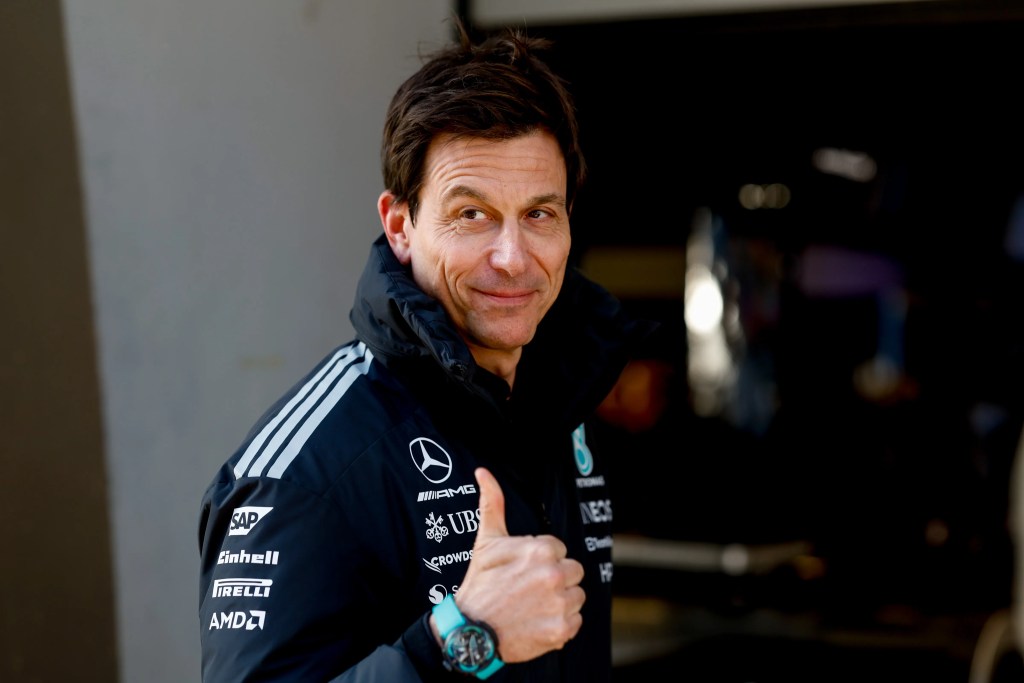
“I think we started the season very strong,” Toto Wolff stated in an interview with Dutch outlet RacingNews365. “I believe our preparation played a major role. As a power unit and chassis manufacturer—or a sports team—we managed to deliver performance and put ourselves in a fairly dominant position,” he added.
“We definitely suffered with reliability. We had three or four retirements and lost 70 to 80 points to our direct competitor, Ferrari—who outperformed us—because we failed to finish races. Today, our lead is just over 70 points. If we added another 70 to that, we would have a truly solid advantage,” he stated.

“But we lost those points and everyone is closing the gap. That’s why there have been trickier GPs. In fact, Ferrari’s last two victories happened because we let them slip away: bad luck with the Safety Car [in Barcelona] and Kimi [finishing outside the points due to reliability issues] in Silverstone,” Wolff added.
In four races this season, Mercedes failed to finish or score with both cars. Russell could have snapped his poor streak in Canada while leading, but retired with an engine failure—the same reason for Antonelli’s DNF in Catalunya. Kimi also lost substantial time due to a broken front wheel deflector in Britain, pushing him out of the points, while George ran out of battery at the end of the Kemmel Straight on lap 1 of the Belgian GP. Varied causes, concentrated concern.
The second cause for concern is Russell’s growing frustration, facing difficulties that were almost unimaginable at the start of the year. “What am I going to ask Mercedes? I just want my car to be equal, I’m not asking for anything beyond that. I just want the same car,” the driver vented after a turbulent weekend in Belgium. For George, the biggest challenge from here on is not letting his career derail over a bad year when everything was lined up for him to become world champion. Ideally, he delivers a second half of the season on par with Kimi, or at least close, even if the title slips out of reach. Above all, driver and team are obligated to finish the year on the same page.
Mercedes has already promised upgrades on the way in the second half of the year—the kind Ferrari and McLaren introduced to close in. Alongside that is the fact that ADUO did not classify them as having the best engine of the year, raising questions about the evaluation criteria. It is, frankly, laughable that Mercedes gets to enjoy ADUO concessions while Red Bull suffers as if it possessed the grid’s best engine. But it is what it is, and that is the reality for this year.
So, who knows: Mercedes might still cruise to the title even while suffering reliability issues every other race. If their upgrades are spectacular, that will certainly be the case. But the focus must also turn toward the future under this current rulebook. For that, it is wise to set the current championship aside for a moment and consider how to dominate in the medium term.
Mercedes’ problems are out in the open: they exist and are crystal clear. However, their position at the top of the order remains even clearer. Time will tell how the next four months unfold.
Formula 1 is currently on summer break. The series resumes 2026 season action from August 21 to 23 with the Dutch Grand Prix at Zandvoort.