
News summary
- Mercedes says it did not overspend early in the 2026 F1 season, despite having limited resources for further W17 upgrades.
- The team prioritized building a strong car from the start of the year, helping it dominate the opening six Grands Prix.
- Toto Wolff estimates Mercedes lost between 50 and 100 points due to reliability issues, which could have given the team a larger advantage over its rivals.
After admitting that it is facing budget limitations when it comes to upgrading the car, Mercedes team principal Toto Wolff emphasized that the team did not overspend at the start of the 2026 Formula 1 season, as the W17 was significantly faster than its rivals. As a result, Mercedes opted against bringing major upgrades to the car. Wolff also highlighted the number of points the team lost because of reliability problems.
In effect since the 2021 F1 season, the cost cap was set at $215 million for this year because of the major changes to the technical regulations — well above the $135 million limit from last season.
In Mercedes’ specific case, a large portion of the budget that would have been used to develop the car was invested in building a project strong enough right from the start of the championship. It was no coincidence that the Silver Arrows comfortably won the first six Grands Prix, allowing Andrea Kimi Antonelli to build a substantial lead in the Drivers’ Championship.
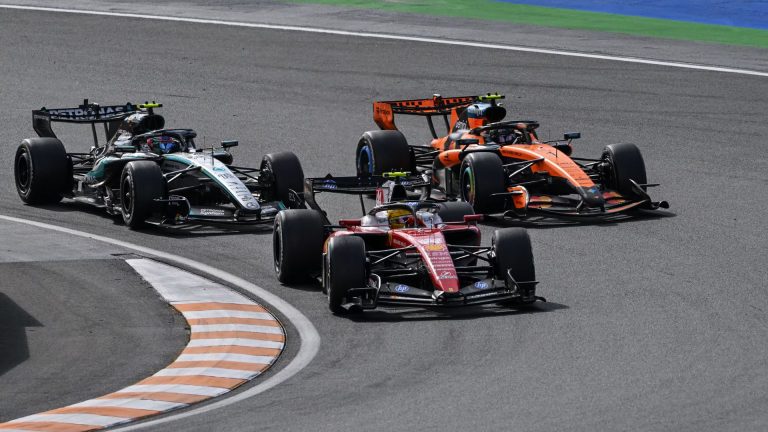
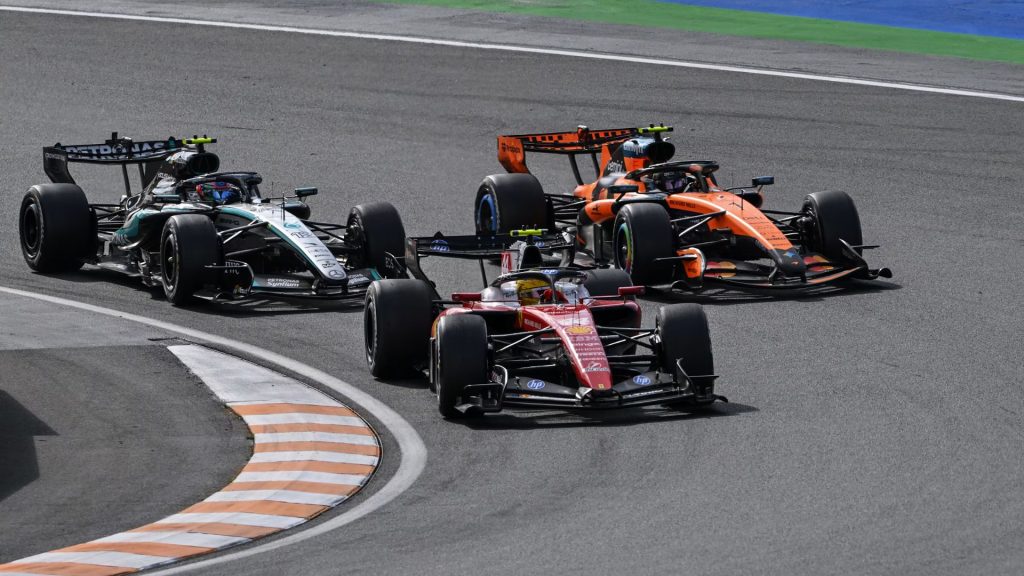
However, the Brackley-based team has not introduced as many updates to the car as Ferrari and McLaren. Since the Spanish GP, each of those two rivals has scored two victories, highlighting the decline in performance from Wolff’s team, which has not brought a major W17 upgrade since Canada in June.
Wolff had previously admitted that Mercedes does not have the resources to fund W17 developments on credit. The team principal denied that Mercedes spent too much at the start of the year and emphasized that without the reliability problems, the team could have had an even greater advantage over its rivals.
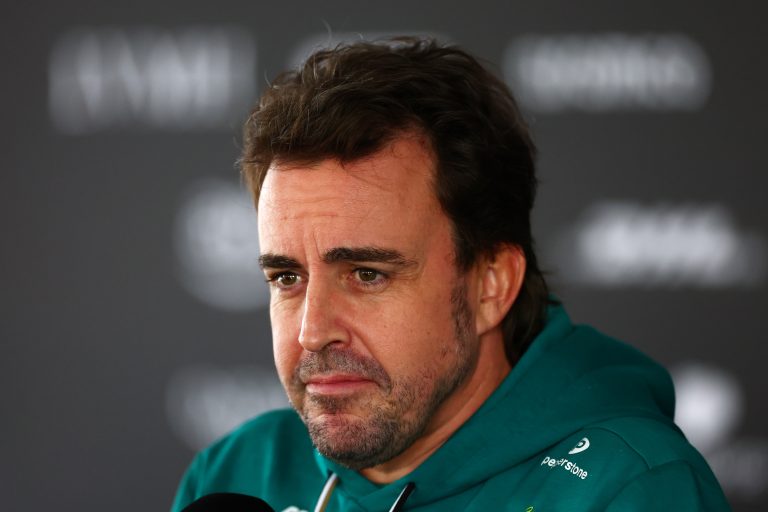
“There are many reasons why you can analyze this. Did we spend a lot at the beginning, on the initial development? I don’t think so. I just think we are an organization with a certain size and infrastructure,” Wolff said in an interview attended by GRANDE PRÊMIO.
“In that sense, we had a very good car. We left 50 or 100 points on the table due to reliability problems, which would have given us a slightly bigger advantage than we have today,” he pointed out.
“Besides that, we are simply following the execution of the plan and what the financial realities mean for us,” he added.
Mercedes’ approach was to front-load development and maximize the W17’s initial performance, a strategy previously explained by technical director James Allison. According to the team, Mercedes had effectively exhausted much of its development resources before the season began in order to maximize the car’s performance from the opening race.
The strategy has allowed Mercedes to maintain control of the championship despite Ferrari and McLaren closing the gap through a more aggressive development schedule. McLaren team principal Andrea Stella, however, has questioned Wolff’s claims about Mercedes’ financial limitations, pointing to additional spending headroom available under the 2026 regulations.
More recently, Wolff acknowledged that McLaren had become a genuine threat after the Dutch GP, with Mercedes launching an internal investigation into its loss of race pace at Zandvoort ahead of Monza.
Formula 1 returns this weekend, from September 4 to 6, at Monza. GRANDE PRÊMIO will cover all the action from the Italian GP, the 13th round of the 2026 season.
FAQ
1. Why has Mercedes brought fewer upgrades to the W17 in 2026?
Mercedes front-loaded its development program, investing heavily in the initial version of the W17 to ensure a strong car from the beginning of the season. This left fewer resources available for major upgrades later in the year.
2. How many points does Toto Wolff believe Mercedes lost because of reliability issues?
Wolff estimates that Mercedes lost between 50 and 100 points due to reliability problems during the 2026 season.
3. Are Ferrari and McLaren closing the gap to Mercedes in F1 2026?
Yes. Ferrari and McLaren have reduced Mercedes’ performance advantage through a more consistent stream of upgrades, while Mercedes has struggled to maintain the same development pace.