News Summary
- Pierre Waché admitted that Verstappen suffered significant balance problems during Las Vegas FP2, alongside smaller energy-management difficulties.
- Red Bull deliberately kept the Dutchman in the garage during the initial wet running, before a red flag disrupted its planned intermediate-tyre programme.
- Isack Hadjar’s fourth place provided a more encouraging comparison, but Waché expects FP3 to present a different challenge in dry conditions.
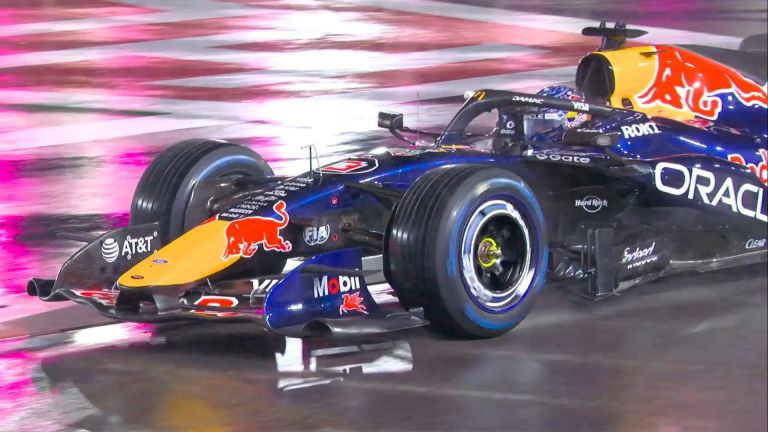
Red Bull has identified car balance as Max Verstappen’s biggest problem following a difficult opening day at the 2026 Las Vegas Grand Prix, with technical director Pierre Waché explaining that the Dutchman’s complaints about energy management were less serious than the handling difficulties that affected his limited FP2 running.
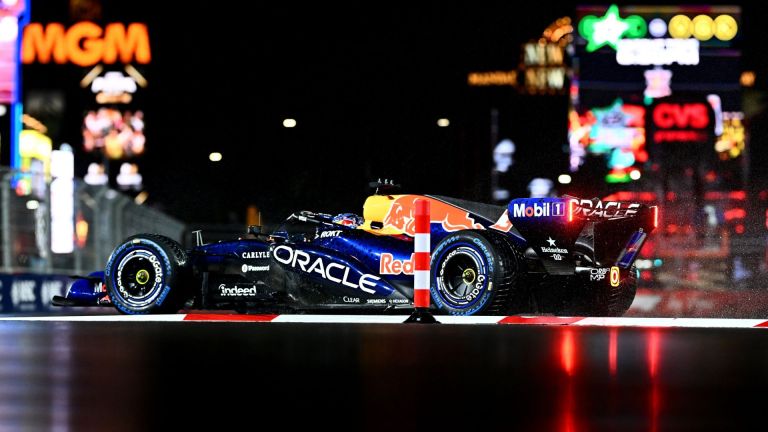
Verstappen finished the second practice session in 13th place, recording a 1:50.141 and completing just eight laps. His programme was disrupted by rain, a lengthy wait in the garage and a late red flag caused by plastic debris on the Las Vegas Strip Circuit.
Although the four-time world champion complained about a lack of power, Waché explained that energy management was not the principal issue Red Bull needed to resolve. The team’s greater concern was the balance of the RB22, which left Verstappen struggling to find confidence during his brief appearance.
Red Bull explains why Verstappen stayed in the garage
Red Bull deliberately delayed Verstappen’s participation while the circuit remained unsuitable for representative running. Heavy rain had already prevented every driver from setting a timed lap during FP1, and standing water continued to affect the second session.
“We didn’t plan to run with him when it was full wet tyre conditions,” Waché explained. “We wanted to check the systems on the car at the beginning, which is why he didn’t run from the start.”
The team intended to send Verstappen out once intermediate tyres became viable, but the interruption during the closing stages compromised that plan.
“After the track dried, we decided to go out on the intermediates before the red flag, but then the red flag happened. We rushed to get him out, unfortunately,” the technical director continued.
Verstappen eventually managed to record a time, but his restricted programme provided little opportunity to understand the car’s behaviour or evaluate changes.
The Dutchman had already questioned the usefulness of Friday’s conditions, given the forecast for dry running during FP3 and qualifying. However, Waché’s explanation revealed that the team had identified specific technical problems beyond the disruption caused by the weather.
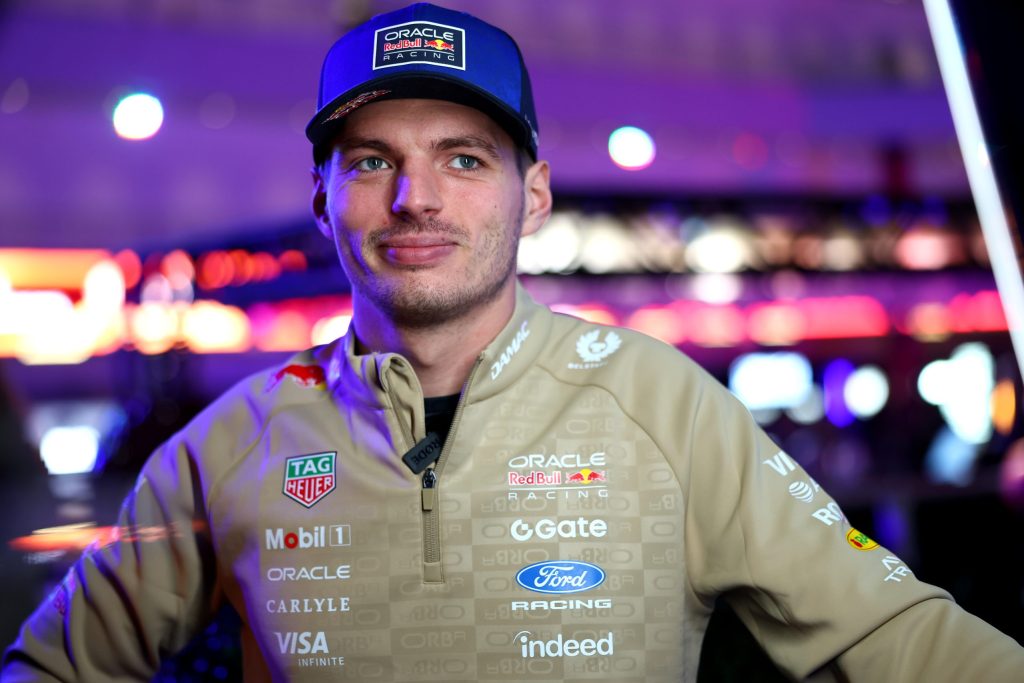
Balance, not energy management, is Red Bull’s biggest concern
The long straights of Las Vegas place considerable demands on the interaction between electrical deployment and the internal combustion engine, particularly under Formula 1’s 2026 power-unit regulations.
That made Verstappen’s reported power difficulties an immediate concern, but Waché played down the severity of the energy-management problem.
“He had some issues with the energy management. It wasn’t a massive issue in that respect, just getting the systems working together,” he said.
“After that, he had a massive issue with the balance, which we’re trying to understand and fix for tomorrow.”
The distinction is significant for Red Bull. The energy-management difficulty was described as a problem of coordinating systems, while the handling complaints pointed to a more substantial obstacle to finding competitive pace.
The contrast with teammate Isack Hadjar was noticeable. The Frenchman finished fourth with a 1:48.407, just 1.135 seconds behind session leader George Russell.
Waché welcomed Hadjar’s performance, particularly his confidence in the car despite the slippery conditions.
“I’m happy, and he’s quite happy with the car,” he said. “That’s quite positive. In these conditions, having a car you can trust is quite good.”
Hadjar also compared the characteristics of Las Vegas with Baku, highlighting the combination of long straights, slow corners and limited grip.
Verstappen faces crucial FP3 before qualifying
With only one practice session remaining, Red Bull must determine whether Verstappen’s balance problems were specific to the wet conditions or whether further changes will be necessary for qualifying.
Waché expects the shift towards dry running to alter the demands on the car considerably, particularly because teams will move away from the wet and intermediate tyres used throughout Thursday’s sessions.
“The conditions were very cold, and the tyres we use will be completely different tomorrow,” he explained.
“I think it will be a completely different day. We’ll be very busy tomorrow afternoon, for sure. But it’s difficult to predict anything at the moment.”
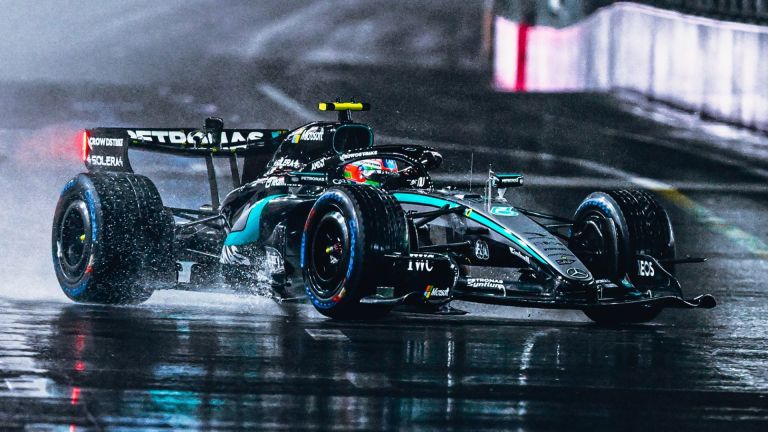
The disrupted programme has left Red Bull with limited representative data, while Mercedes, Ferrari and McLaren have also acknowledged uncertainty about their competitive positions.
As GRANDE PRÊMIO’s analysis of the Las Vegas practice sessions explained, the changing conditions made it difficult to establish a reliable competitive order despite Russell topping FP2.
Verstappen’s difficulties were also outlined in GRANDE PRÊMIO’s report on his limited running, while Hadjar’s result offered Red Bull a more encouraging reference before the final practice session.
GRANDE PRÊMIO is following every session of the Las Vegas Grand Prix, with complete coverage of the weekend’s Formula 1 action.
FAQ
What was Max Verstappen’s main problem during Las Vegas FP2?
Red Bull technical director Pierre Waché identified significant car balance problems as the principal difficulty, alongside less serious energy-management issues.
Why did Verstappen complete so few laps in Las Vegas practice?
Red Bull initially chose not to run Verstappen in full wet conditions. The team later prepared to send him out on intermediate tyres, but a red flag disrupted its programme.
How did Isack Hadjar perform compared with Verstappen?
Hadjar finished fourth with a 1:48.407, while Verstappen was 13th with a 1:50.141. Waché said Hadjar felt confident in the car despite the difficult conditions.