News summary:
- Heavy rain and low temperatures severely limited running during the opening practice sessions in Las Vegas.
- Max Verstappen completed just seven laps in FP2 after encountering power management and balance problems with his Red Bull.
- McLaren was unable to properly evaluate its latest upgrades, while tyre management emerged as a potentially decisive factor.
Thursday’s practice sessions for the Las Vegas Grand Prix raised more questions than answers ahead of qualifying and Sunday’s race. A combination of heavy rain, extremely low temperatures and difficulties getting the tyres into their operating window compromised much of the running, particularly in FP1, and prevented teams from completing their usual programmes.
Although conditions improved during the second session, the lap times still offered no reliable picture of the competitive order. As a result, FP3 will be crucial to understanding each car’s potential.
In this scenario, tyre management and the ability to adapt to changing track conditions could prove decisive. Meanwhile, problems affecting Max Verstappen and McLaren’s lack of data have increased the uncertainty. Brazilian driver Rafael Câmara also faced a difficult introduction to the Las Vegas street circuit. Here are the main takeaways from Thursday’s practice sessions.
1. Weather makes qualifying and the race unpredictable
The Las Vegas Grand Prix is one of the most unusual events on the Formula 1 calendar, and Thursday’s practice sessions reinforced that reputation in extraordinary fashion.
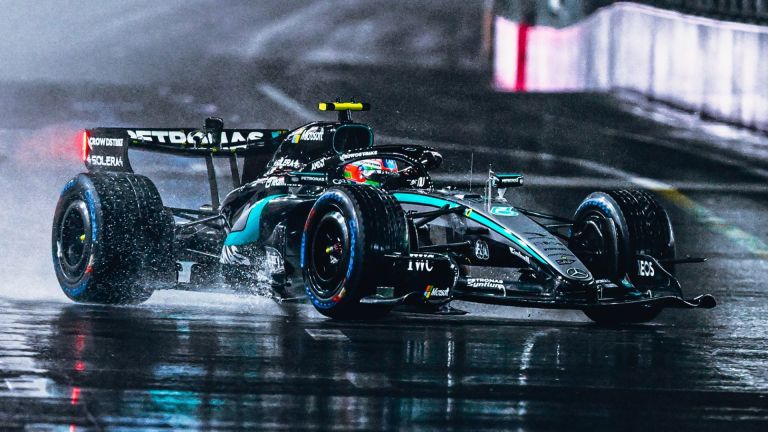
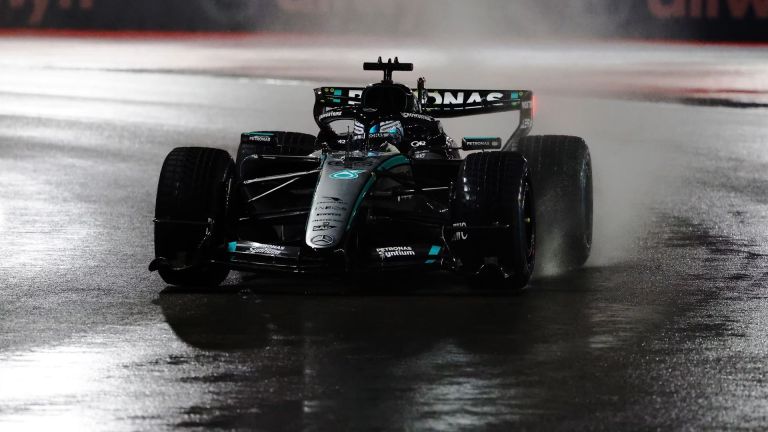
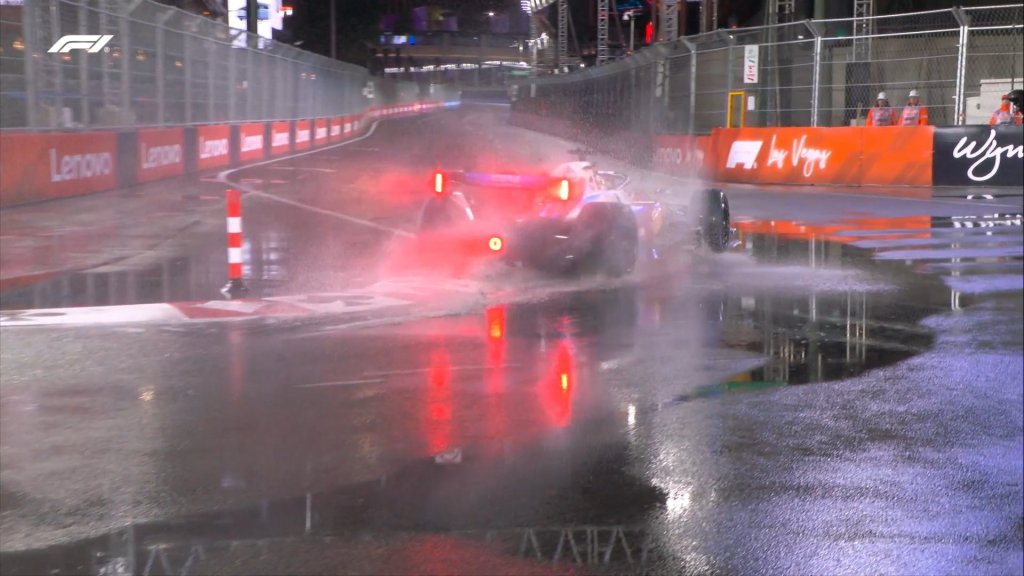
Rain combined with extremely low temperatures left the track virtually unusable during FP1. As a result, no representative flying laps were recorded.
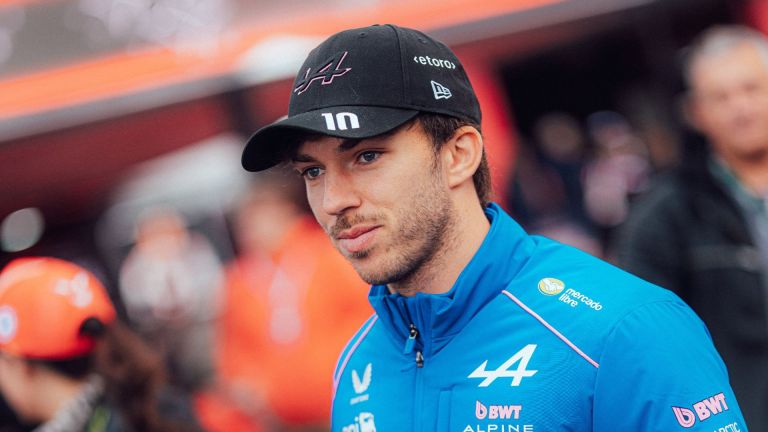
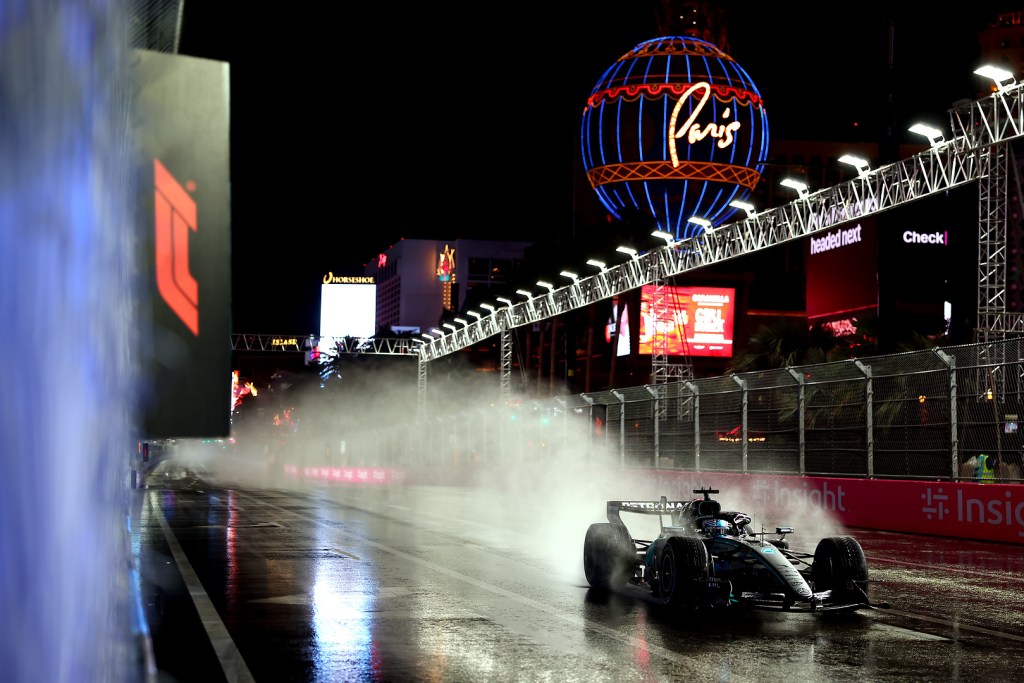
Conditions improved during the second session, but the results still need to be treated with caution. Alpine, for example, should not be considered the second-fastest team simply because Pierre Gasly finished in that position.
This leaves several possible scenarios for qualifying. If the rain stays away, FP3 should provide a much clearer picture of the competitive order.
2. Tyres could hold the key to the weekend
As is often the case in Las Vegas, tyre management has emerged as one of the main talking points.
Low temperatures make it particularly difficult to bring the rubber into its ideal operating window, regardless of whether the track is wet or dry. Unsurprisingly, drivers across the field complained about the lack of grip, with the damp surface making matters even more complicated.
The equation for qualifying and the race is relatively straightforward: teams that can get their tyres working properly are likely to enjoy a significant advantage.
Unless a Safety Car intervention changes the picture, similar strategies could emerge across the field. However, Las Vegas has repeatedly shown that the fastest car over the course of a season does not necessarily win here. George Russell took victory with Mercedes in 2024, while Verstappen won with Red Bull in 2025.
3. Verstappen risks falling behind his rivals
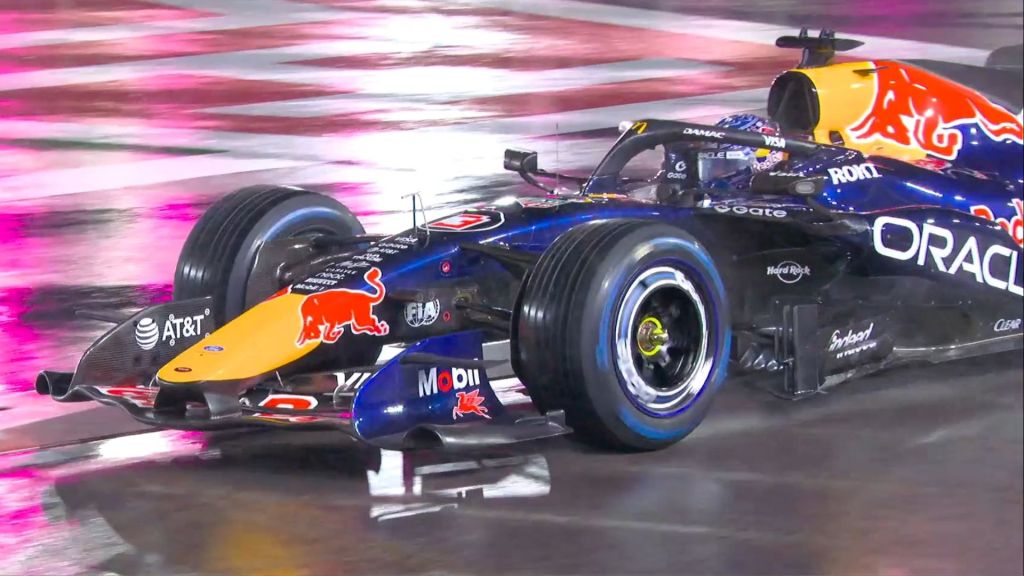
Although all teams struggled to complete meaningful running in Las Vegas, Verstappen’s situation was particularly concerning.
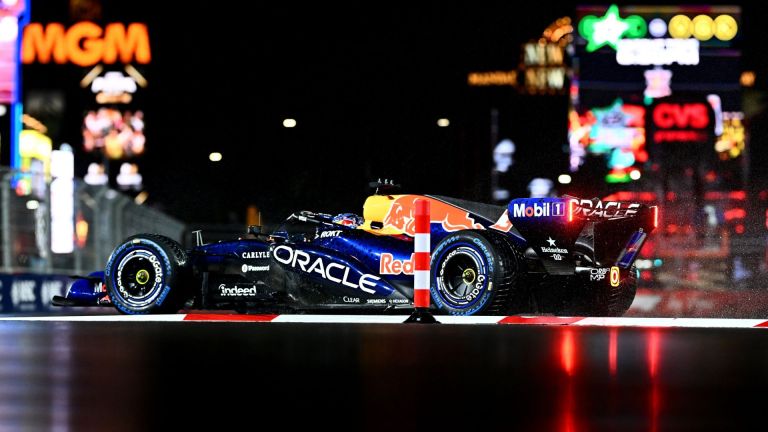
The Red Bull driver encountered power delivery and car balance problems, completing just seven laps in FP2 and finishing 13th. He also voiced his frustration over the team radio several times.
After spending a considerable amount of time in the garage, Red Bull identified issues involving energy management, alongside the balance problems.
That is particularly concerning at a circuit expected to place demands on the balance between electric and combustion engine power, in a way comparable to Monza.
Red Bull is now racing against the clock to resolve the problems and give Verstappen the track time he needs to prepare for a possible third victory in four editions of the Las Vegas Grand Prix.
4. Rain leaves McLaren with unanswered questions
As part of its effort to maintain momentum in the closing rounds of the Formula 1 season, McLaren brought another small upgrade package to Las Vegas, following a similar development push in Brazil, where Lando Norris claimed victory.
The problem was that the team had little opportunity to test the new components. With the risk of an accident constantly present in the difficult conditions, pushing the car to its limits was not a realistic option.
This represents a significant setback, particularly given the expectations surrounding McLaren’s new floor, which was intended to provide an additional performance boost for the final stretch of the 2026 season.
FP3 will therefore be essential for the team to carry out race simulations and decide whether the new component should be used for the remainder of the weekend.
5. Câmara gets a difficult introduction to Las Vegas
Having only experienced the circuit through simulators, Rafael Câmara had to learn the Las Vegas street track the hard way.
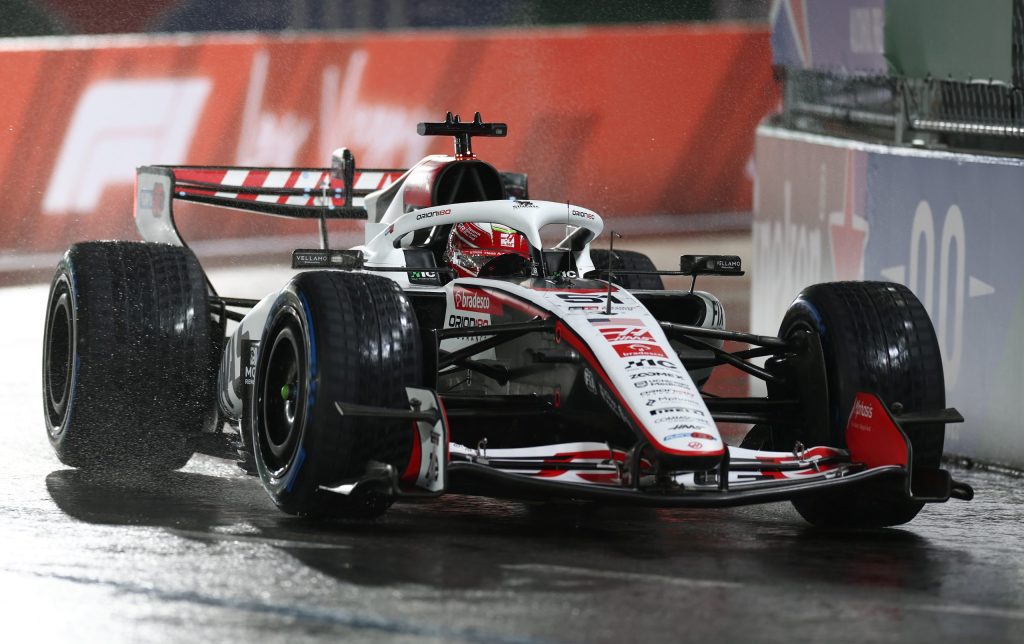
The Brazilian was among the few drivers willing to take a chance during FP1, but encountered a completely waterlogged surface and severe aquaplaning. There was little opportunity to attempt anything meaningful.
During FP2, Haas’ difficulties with tyre performance and the wet track became even more evident, leaving Câmara at the bottom of the timesheets.
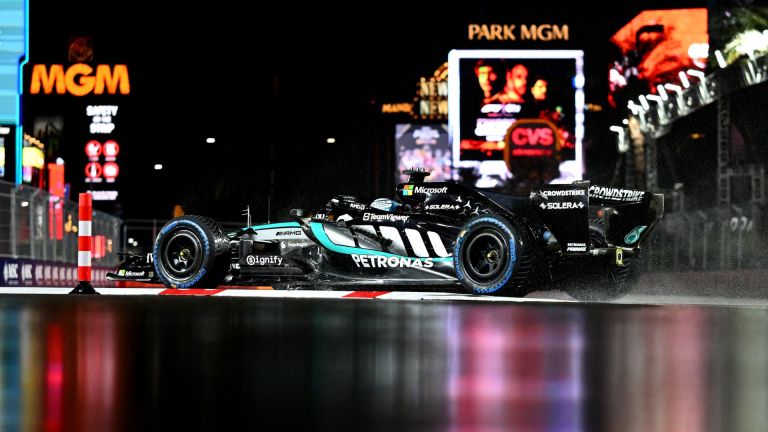
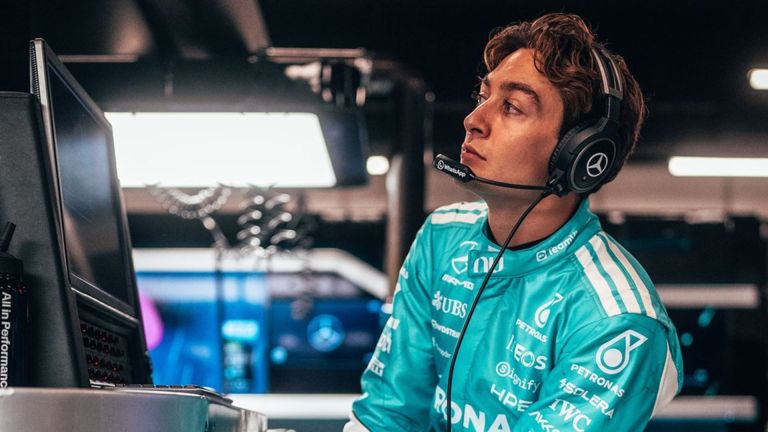
His best lap was around six seconds slower than George Russell’s session-leading time, although the comparison needs to account for the fact that Russell set his benchmark under significantly better track conditions.
Nevertheless, it was another valuable learning experience for the Brazilian as he continues his development in Formula 1.
GRANDE PRÊMIO is following every session of the Las Vegas Grand Prix, with complete coverage of the weekend’s Formula 1 action.