
News Summary
- Formula E CEO Jeff Dodds has expressed disappointment after Stellantis confirmed Citroën and Opel will leave the championship following the 2027 season.
- Both brands will participate in the inaugural Gen4 campaign, but their premature withdrawal raises contractual and commercial questions.
- Formula E says it will work with Stellantis on an orderly transition while exploring interest from other manufacturers and teams.
Formula E has reacted with disappointment to Stellantis’ decision to end its Citroën and Opel factory programmes after the 2027 season, acknowledging that the timing creates significant challenges for the championship’s new Gen4 era.
The announcement was made on Monday, November 23, as part of a wider restructuring of the automotive group’s motorsport operations.
In addition to withdrawing its electric racing programmes, Stellantis has cancelled Peugeot’s participation in the World Endurance Championship.
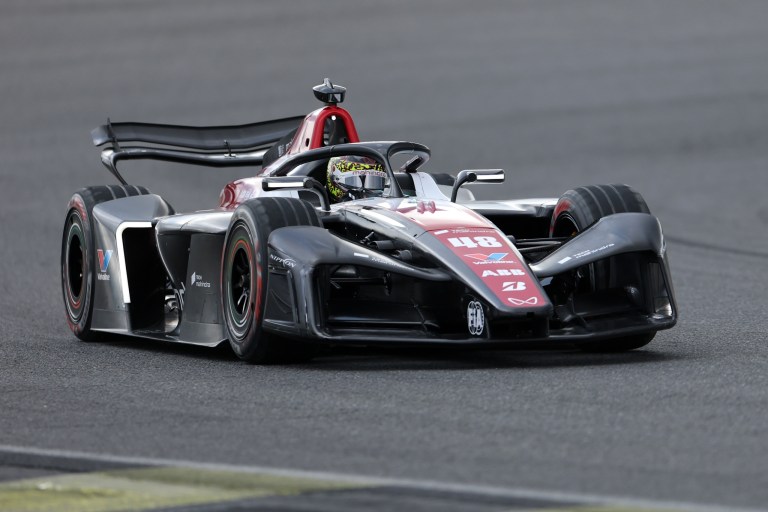
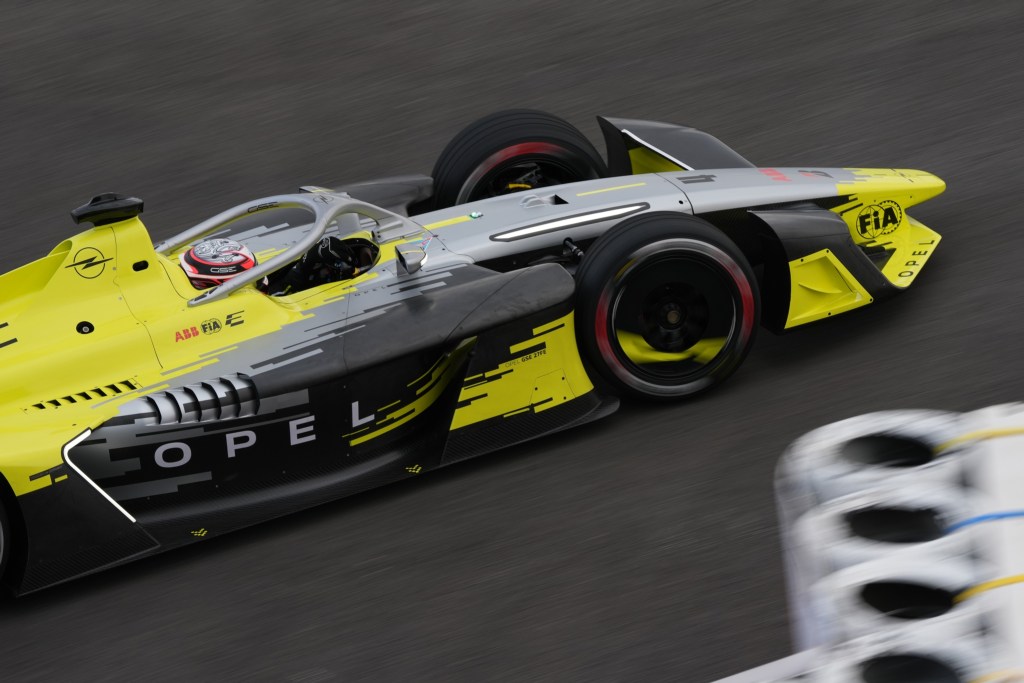
For Formula E, the development is particularly damaging because Opel was only confirmed as a new entrant earlier in 2026, committing to a project designed around the championship’s Gen4 regulations.
Formula E CEO Jeff Dodds acknowledged that the departure of both brands represents an unexpected reversal.
The championship nevertheless confirmed that Citroën and Opel will compete during the forthcoming season before ending their involvement.
Dodds admits disappointment over Stellantis decision
Dodds expressed frustration with the timing of the announcement, which came during preparations for Formula E’s next technical generation.
The executive said the championship was disappointed by Stellantis’ decision to withdraw from factory motorsport at a time of substantial change across the automotive industry.
He also attempted to reassure teams, commercial partners and supporters that the championship would manage the transition.
Formula E’s official response said the organisation would work closely with Stellantis to establish an orderly departure process.
That process includes the fulfilment of contractual responsibilities and financial provisions associated with an early exit.
The championship also indicated that it would continue discussions with manufacturers and teams interested in joining the grid.
The central issue is that Stellantis’ decision does not simply remove two brands from the championship. It potentially affects commercial agreements, engineering programmes and the composition of the grid beyond 2027.
Dodds stressed that Formula E intends to maintain the momentum generated by its new regulations, broader calendar and broadcasting partnerships.
Opel’s short-lived Formula E programme raises questions
Opel’s withdrawal is particularly striking because the German manufacturer announced its arrival only in March 2026.
The programme was introduced as a significant addition to Formula E, bringing another established automotive brand to the championship at the beginning of the Gen4 era.
The project was originally intended to continue for four seasons.
However, Stellantis has now confirmed that Opel will leave after its first campaign.
The decision represents a dramatic change in the manufacturer’s strategy, especially given the development work required to prepare the new electric racing cars.
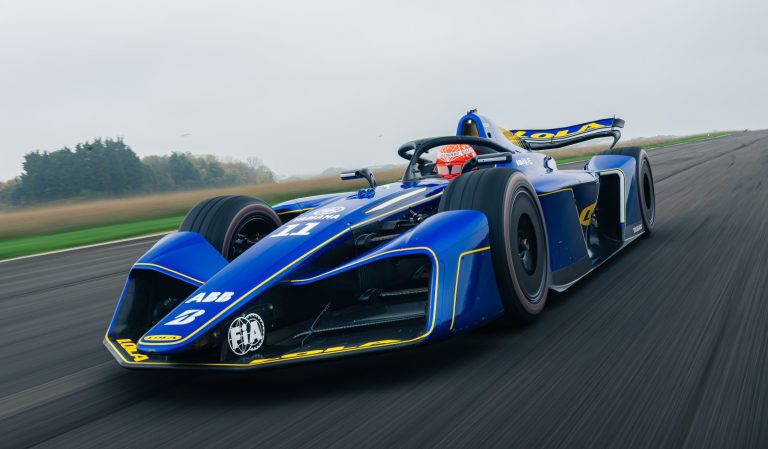
Gen4 is intended to deliver substantially greater performance while strengthening Formula E’s position as a platform for electric vehicle technology.
Opel’s arrival had been presented as evidence of the category’s appeal to manufacturers interested in demonstrating their expertise in electrification.
The abrupt decision to withdraw creates uncertainty over the future of the team and the technical resources already committed to its programme.
Citroën faces different challenge
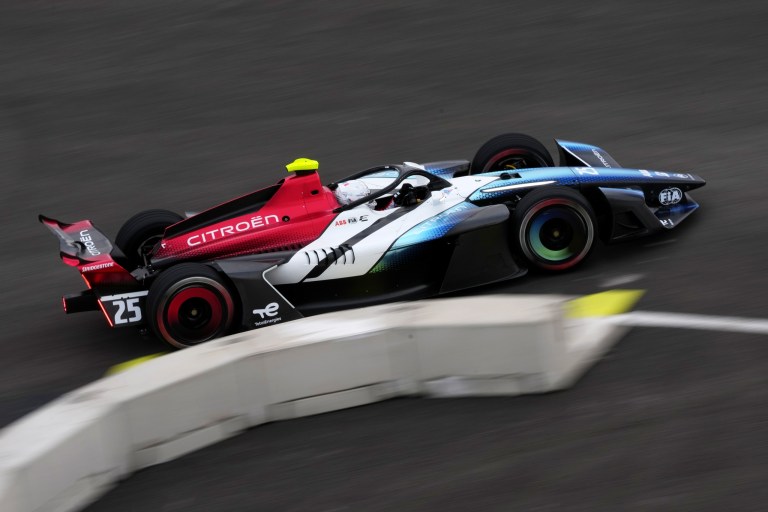
Citroën’s situation differs from that of Opel because of its team structure.
The French brand entered Formula E through the organisation previously associated with Maserati, with the operation managed by MSG Racing.
That arrangement means the withdrawal of Citroën’s manufacturer identity does not necessarily require the underlying racing organisation to disappear.
The team could potentially continue under another commercial name or with a different manufacturer partnership.
However, no definitive arrangement has been announced for the period after Stellantis’ withdrawal.
The future of the operation will depend on contractual obligations, sponsorship negotiations and decisions involving the team’s owners.
For Formula E, maintaining the existing team structure could reduce the impact of the manufacturer’s departure on the size of the grid.
But the loss of Citroën would still represent a significant commercial setback during the early years of the Gen4 regulations.
Stellantis restructuring affects multiple championships
The withdrawal forms part of a wider effort to reduce spending and change investment priorities across Stellantis.
The group has been reviewing its operations following commercial and financial difficulties, including declining sales and pressure on profitability.
Its restructuring strategy involves reallocating resources towards vehicle development, manufacturing priorities and other business activities.
Factory motorsport programmes are among the investments being reduced.
Peugeot’s departure from the WEC is the most immediate consequence, ending the 9X8 Hypercar programme before the 2027 season.
As GRANDE PRÊMIO examined in its analysis of the Hypercar grid, the decision also makes Peugeot the third manufacturer to leave the category in little more than a year.
For Formula E, the timing is different.
Stellantis will fulfil the upcoming season with Citroën and Opel before withdrawing its support.
That gives the championship additional time to search for alternative manufacturers, investors or commercial arrangements.
Formula E prepares for Gen4 despite departures
The Gen4 regulations represent one of the most significant technical changes in Formula E’s history.
The championship is introducing more powerful cars with improved performance and revised sporting regulations.
A global streaming agreement with Disney+ is also part of its strategy to expand international coverage.
Dodds believes those developments provide a strong foundation despite the loss of two major automotive brands.
However, the departure of Citroën and Opel raises an important question about the championship’s ability to retain manufacturers beyond their initial technical commitments.
The immediate priority will be ensuring that both teams complete the upcoming season while the series negotiates their longer-term future.
Formula E’s 2027 campaign is scheduled to begin on January 16 in Mexico City, following the postponement of the Jeddah round.
The championship will enter that season with Citroën and Opel still competing, but with their departures already announced.
GRANDE PRÊMIO is following Formula E’s new technical era, including manufacturer commitments, team developments and the preparations for the Formula E championship.
FAQ
Why is Formula E disappointed with Stellantis?
Formula E is disappointed because Stellantis has decided to withdraw Citroën and Opel shortly after making significant commitments to the championship’s Gen4 era.
When will Citroën and Opel leave Formula E?
Both brands are expected to leave after the 2027 season. They will continue racing during the upcoming Gen4 championship.
Will the Citroën and Opel teams disappear?
Their future structures have not been confirmed. Citroën’s existing racing operation could potentially continue under another identity, while Opel’s longer-term plans remain uncertain.