News Summary
- Álex Márquez blamed Ducati’s Austrian struggles partly on Michelin’s rear-tyre construction.
- The Gresini rider said the Desmosedici could not exploit the available rear grip under acceleration.
- A similar tyre specification is expected at Mandalika, raising concerns before the Indonesian GP.
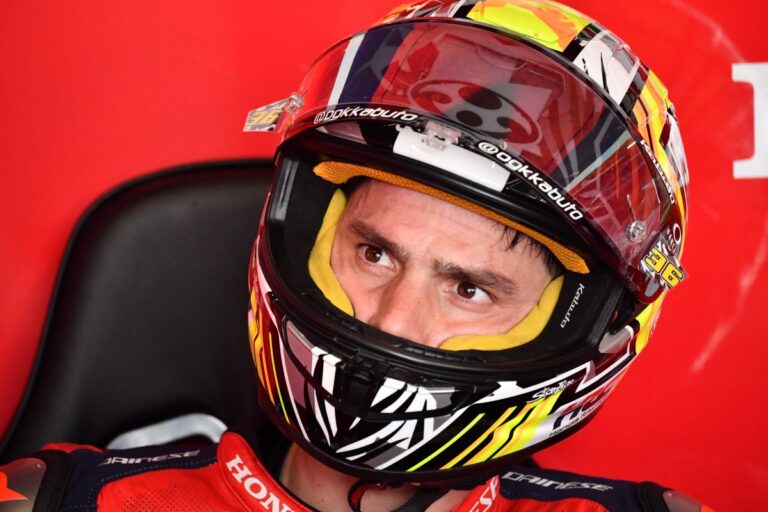
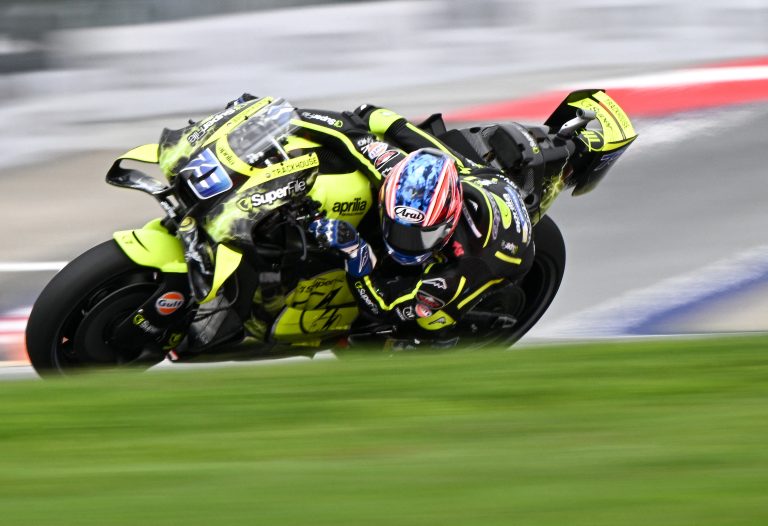
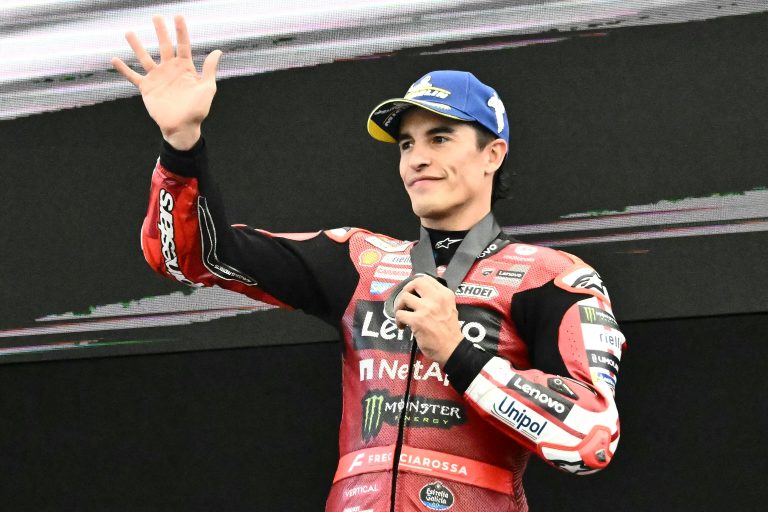
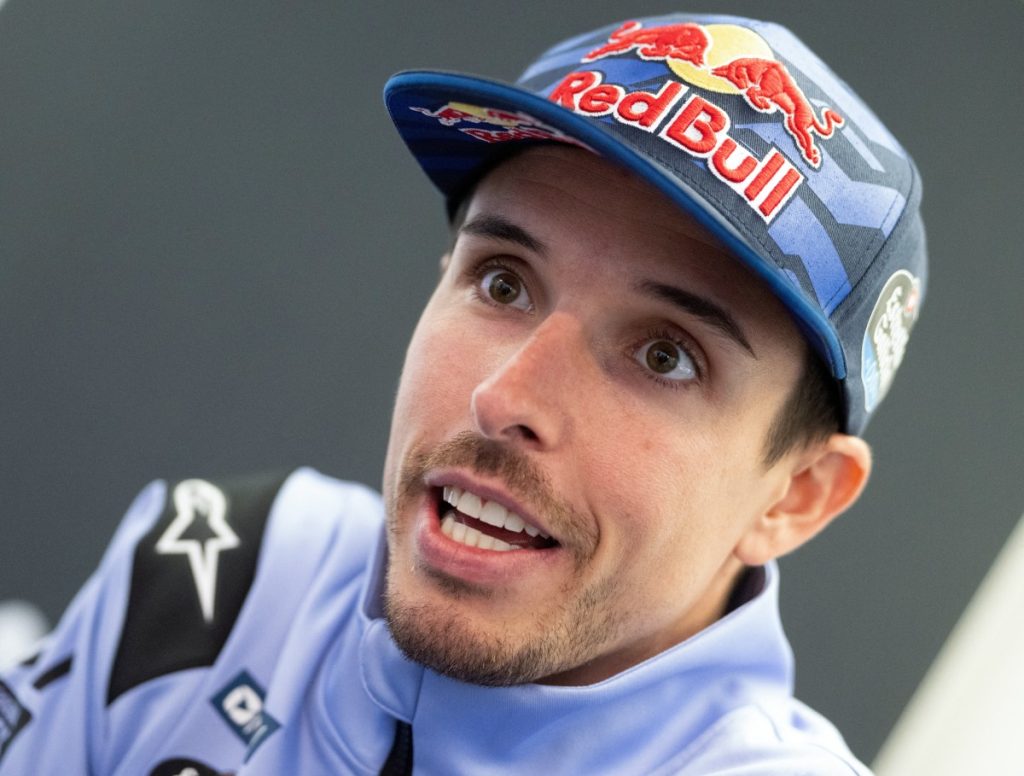
Álex Márquez has warned Ducati that the rear-tyre weakness exposed during the Austrian GP could return in Indonesia, where Michelin is expected to use a similar construction.
Ducati endured an unusually difficult weekend at the Red Bull Ring. None of its riders reached the Grand Prix podium at a circuit where the Desmosedici has traditionally been the benchmark, while KTM and Aprilia occupied the first four positions.
Márquez said the problem had been visible since FP1. According to the Gresini rider, the motorcycle’s behaviour changed significantly with the rear casing selected by Michelin for Austria—an issue Ducati had also encountered in Thailand.
“We cannot use the grip from this rear tyre, and we lose a lot in that area, especially under traction,” Márquez told AS. “The bike was not the one we know.”
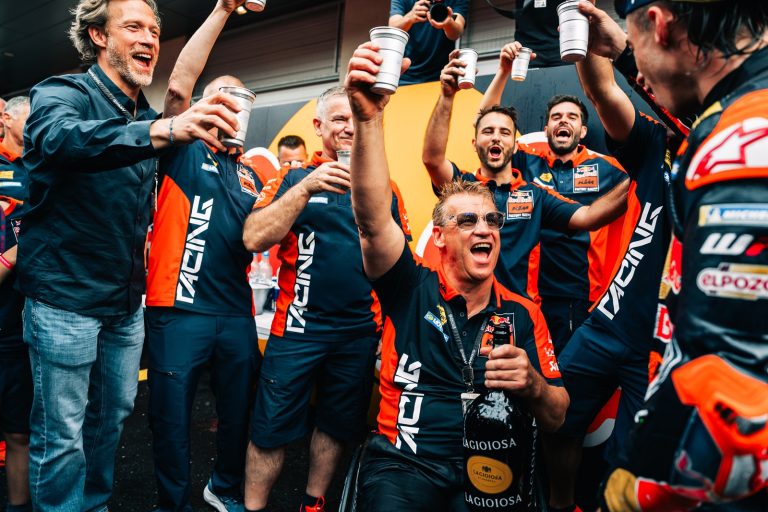
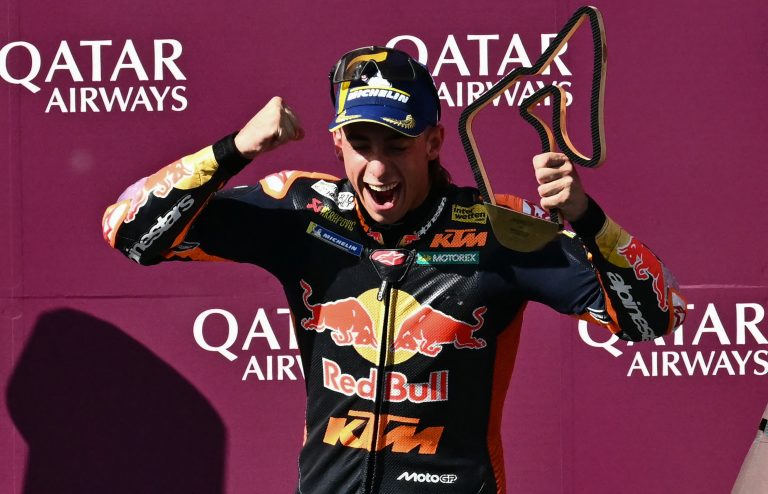
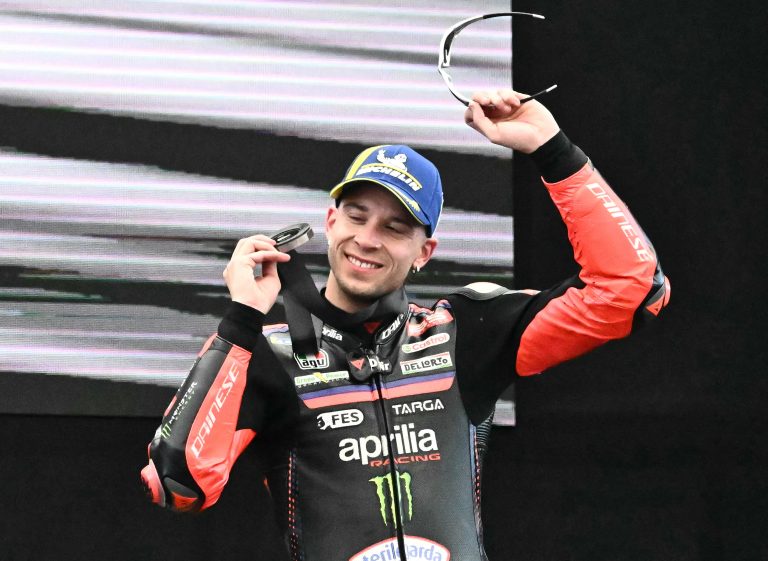
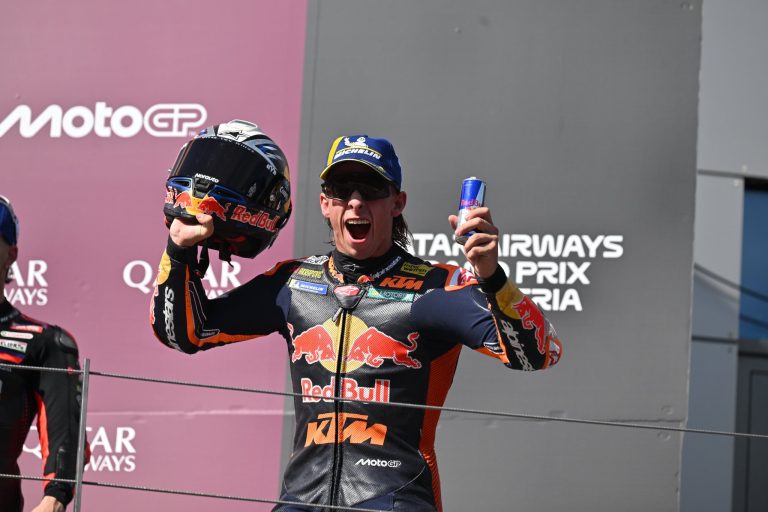
The Spanish rider was particularly surprised because the Red Bull Ring’s heavy acceleration zones and long straights have historically favoured Ducati. Instead, Pedro Acosta delivered KTM’s first victory of the season, while Jorge Martín, Marco Bezzecchi and Ai Ogura placed three Aprilias immediately behind him.
Similar Michelin casing awaits Ducati in Indonesia
Márquez’s concern extends beyond one unsuccessful weekend. Michelin is expected to bring a comparable rear construction to Mandalika because the Indonesian circuit’s layout and loading characteristics demand additional tyre resistance.
The Gresini rider expects the problem to remain, particularly because Mandalika offers more grip than the Red Bull Ring. Ducati must therefore understand why the Desmosedici struggled to convert the tyre’s available grip into acceleration before the championship reaches Indonesia.
There is still evidence that the motorcycle can be competitive there. Fermín Aldeguer won the 2025 Indonesian GP, while Márquez reached the podium. Aprilia was already particularly strong at Mandalika, however, with Bezzecchi demonstrating front-running speed.
Márquez said Ducati would work extensively on the weakness before the Indonesian round but accepted that Aprilia’s current level would make the weekend difficult.
Austria reduced Ducati’s constructors’ championship position further. Aprilia now leads Ducati by 10 points after placing three motorcycles inside the top four at Spielberg.
Márquez accepts responsibility for Austrian crash
Márquez did not attribute his Austrian GP retirement directly to the tyre. After losing several positions on the opening lap, he became trapped in traffic and encountered rising brake and engine temperatures.
While fighting Raúl Fernández, Márquez moved onto the dirty section of the circuit and lost the front. He apologised to Gresini and admitted that he had made too many mistakes during the weekend to overcome Ducati’s underlying difficulties.
His brother Marc also suffered a technical problem during the race. The factory rider revealed that an intermittent braking issue almost forced him to retire before he recovered to fifth.
The Austrian result left Ducati without a Grand Prix podium at the Red Bull Ring for the first time since MotoGP returned to the venue in 2016. Michelin’s similar Indonesia specification means the next comparable test may reveal whether Spielberg was an isolated setback or evidence of a broader compatibility problem.
GRANDE PRÊMIO follows the championship through its MotoGP coverage.
MotoGP today: FAQ
Who won the 2026 Austrian MotoGP Grand Prix?
Pedro Acosta won the Austrian GP, beating Jorge Martín by 1.017s after taking the lead on lap nine.
Was Austria Pedro Acosta’s first MotoGP victory?
Yes. The 2026 Austrian GP was Acosta’s first full-distance MotoGP victory after 15 previous premier-class podiums.
Who leads the 2026 MotoGP championship after Austria?
Jorge Martín leads with 306 points. Marc Márquez is second on 294, leaving Martín 12 points ahead with seven rounds remaining.
Why did Ducati struggle at the Austrian GP?
Álex Márquez said Ducati could not exploit the grip generated by Michelin’s rear tyre, particularly during acceleration.