News Summary
- MotoGP will replace its current 1000cc engines with 850cc units in 2027, reducing maximum engine capacity for the first time since 2012.
- Pirelli will replace Michelin as the championship’s exclusive tyre supplier, forcing riders and manufacturers to adapt to different tyre characteristics.
- The new regulations also include reduced aerodynamics, restrictions on ride-height devices and changes to fuel, engine allocation and technical development.
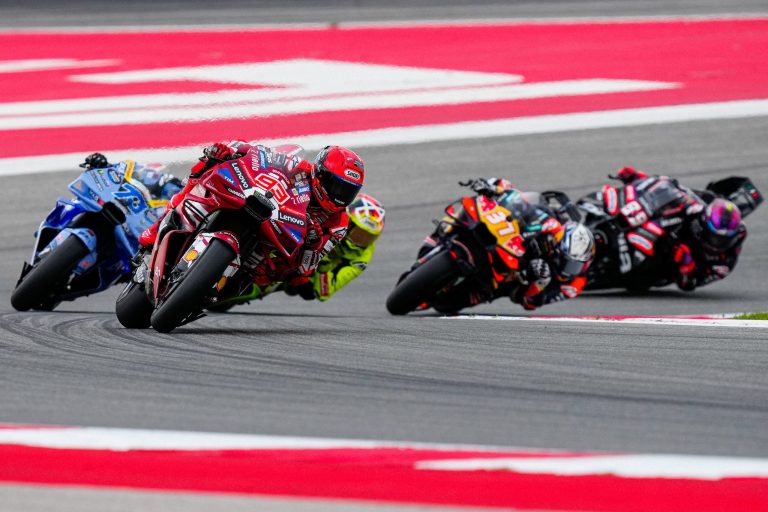
The 2026 MotoGP season will conclude at Valencia with more than the usual championship celebrations and farewell ceremonies. The final Grand Prix will also close an entire technical era.
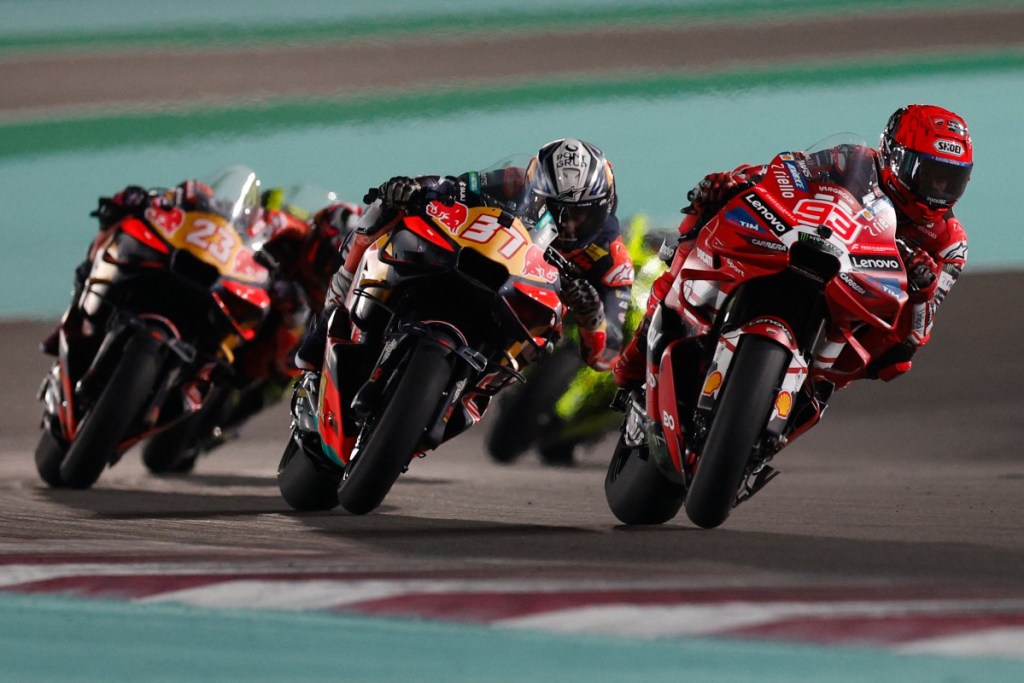
Since 2012, MotoGP’s premier class has used engines with a maximum displacement of 1000cc, allowing manufacturers to develop extraordinarily powerful motorcycles supported by increasingly sophisticated electronics, aerodynamics and chassis technology.
That framework will change fundamentally in 2027.
The introduction of 850cc engines, Pirelli tyres and a more restrictive technical rulebook will force Ducati, Aprilia, Honda, Yamaha and KTM to reconsider almost every major aspect of motorcycle performance.
The changes are intended to improve safety, reduce some costs and make racing less dependent on increasingly complex technical systems.
1. MotoGP engines shrink from 1000cc to 850cc
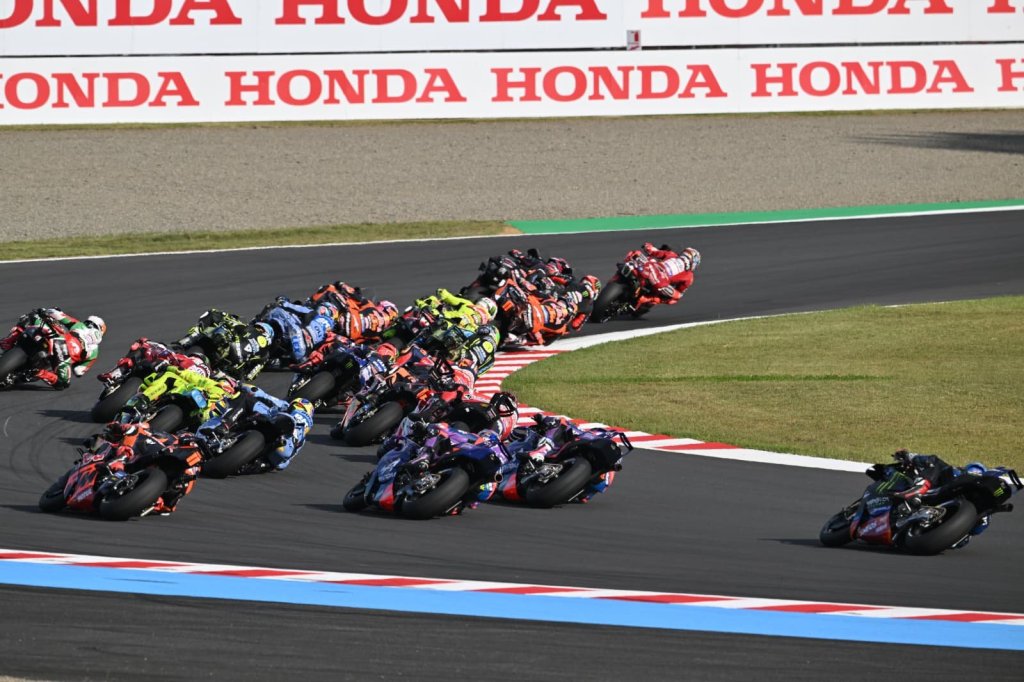
The most visible change concerns engine capacity.
MotoGP will reduce maximum displacement from 1000cc to 850cc, introducing a new engine formula for the first time in 15 years.
The maximum permitted cylinder bore will also decrease from 81mm to 75mm.
These restrictions are expected to reduce peak power and top speeds, although the final performance differences will depend on the development achieved by each manufacturer.
The smaller engines should also alter the way riders accelerate out of corners and manage their power delivery.
Less torque could allow riders to open the throttle differently, particularly when the motorcycle is leaned over.
The change will also affect engine construction, cooling requirements, internal components and the relationship between power delivery and tyre grip.
Manufacturers have already been developing prototypes for the new formula.
KTM, Honda and other teams have conducted testing programmes to understand the behaviour of the 850cc motorcycles ahead of their competitive debut.
2. Pirelli replaces Michelin as MotoGP tyre supplier
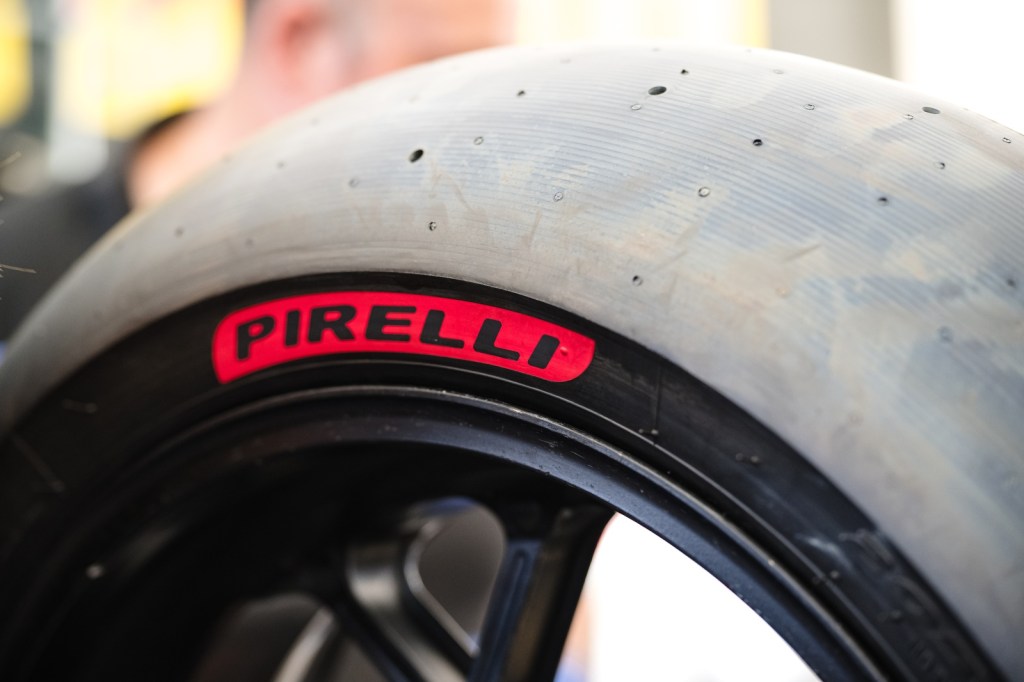
The switch from Michelin to Pirelli represents another fundamental change.
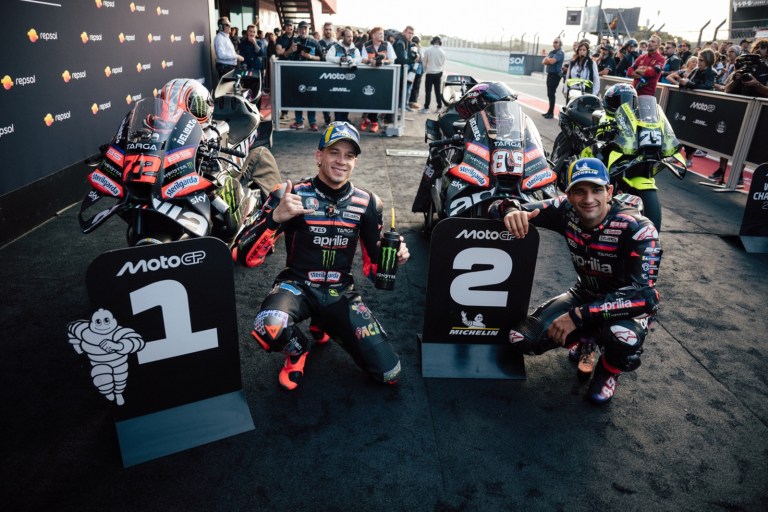
Michelin has supplied MotoGP’s premier-class tyres since 2016, becoming central to the development of the current generation of motorcycles.
From 2027, Pirelli will take over as the exclusive tyre supplier.
The new tyres will have different construction characteristics, requiring teams to reassess their suspension, chassis and aerodynamic configurations.
Riders will also need to adapt their braking technique, corner-entry speed and acceleration.
As GRANDE PRÊMIO reported following Pirelli’s Austria test, 18 riders evaluated the manufacturer’s development tyres during a collective session at the Red Bull Ring.
The programme involved all five MotoGP manufacturers, using both 850cc prototypes and adapted versions of existing motorcycles.
Pirelli reported encouraging feedback on grip and stability, but the competitive implications will only become clear once the new machines are tested and raced under comparable conditions.
3. Aerodynamic development becomes more restricted
MotoGP’s growing reliance on aerodynamics has transformed the appearance and behaviour of its motorcycles over the past decade.
Front wings, side fairings and increasingly elaborate bodywork have allowed manufacturers to generate additional downforce, improve acceleration and limit wheelies.
However, the same systems have contributed to increased technical complexity and concerns about following other motorcycles closely.
The 2027 regulations will introduce tighter aerodynamic restrictions.
Manufacturers will face reduced freedom to develop large or complex aerodynamic structures, with the objective of making the motorcycles less dependent on downforce.
That could improve their behaviour in close racing, although the final outcome will depend on how effectively engineers interpret the new rules.
Ducati has been one of the most influential manufacturers in developing modern MotoGP aerodynamics, but the changes will affect every team.
4. Ride-height technology faces further restrictions
Ride-height devices have become another important part of MotoGP’s technical evolution.
The systems allow riders to change the motorcycle’s height during certain phases of acceleration, helping to control wheelies and improve drive out of corners.
The regulations for 2027 prohibit the remaining ride-height systems, increasing the importance of conventional chassis balance, suspension setup and rider control.
Start-assistance technology has also been progressively restricted, including changes already introduced during the 2026 season.
The result will be motorcycles that depend less on mechanical devices to control acceleration and more on the interaction between engine performance, electronics, tyres and riding technique.
Manufacturers will therefore need to revise their chassis designs and performance strategies.
For riders accustomed to using the current systems, the transition may require substantial changes to their habits.
5. Fuel and engine allocations also change
The new regulations include a requirement for MotoGP motorcycles to use fully sustainable fuel from 2027.
The measure is part of the championship’s wider effort to reduce its environmental impact while maintaining internal combustion engines as the foundation of its premier class.
Manufacturers will need to ensure their engines operate effectively with the required fuel composition.
The maximum number of engines allocated to each rider will also decrease under the new framework, moving from seven to six in the standard allocation.
That creates an additional reliability challenge.
With fewer engines available, manufacturers must balance performance development against durability across the championship calendar.
The requirement could influence design decisions concerning materials, cooling, combustion efficiency and operating limits.
6. New rules could transform MotoGP’s competitive order
Perhaps the most important consequence of the 2027 regulations is the opportunity they create for manufacturers to change their competitive positions.
Ducati has been one of the dominant forces of the modern technical era, developing motorcycles capable of combining acceleration, aerodynamic performance and consistency.
Aprilia has also made substantial progress, highlighted by its dominance of the Portuguese Grand Prix and its lead in the 2026 Constructors’ Championship.
Honda and Yamaha, meanwhile, have spent several seasons attempting to recover their competitiveness, making the regulatory reset a potentially significant opportunity.
KTM faces its own development challenges, particularly in adapting its engine philosophy and chassis characteristics to the new formula.
However, the new regulations do not guarantee that the competitive order will change.
Some manufacturers may adapt more quickly than others, while established strengths in engineering and development could remain valuable.
The changes will also affect riders differently.
Former MotoGP competitor Pol Espargaró warned that some riders could struggle considerably with the new machinery, particularly because the riding techniques required may differ from those developed under the current rules.
The influence of Pirelli tyres could be especially important.
Riders arriving from categories already using Pirelli products may possess useful experience, although adapting that knowledge to a MotoGP prototype will still require considerable work.
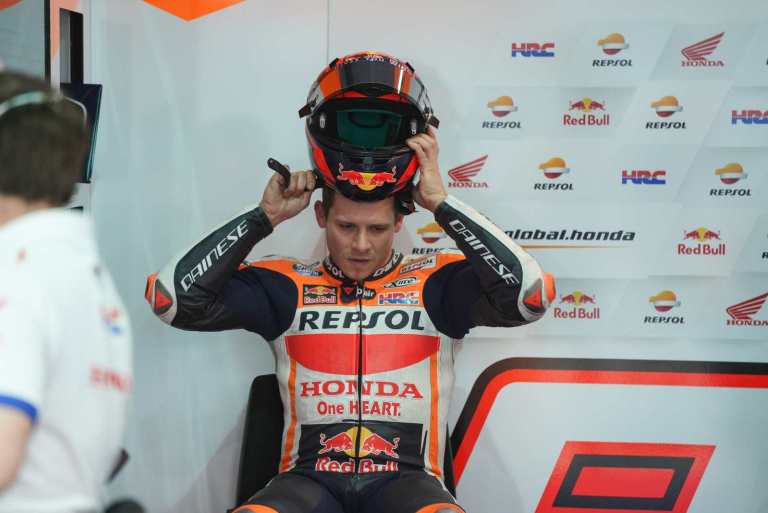
Honda test rider Aleix Espargaró has also expressed enthusiasm about the new motorcycles, describing their handling characteristics as particularly enjoyable during development.
MotoGP 2026 vs 2027: Key technical changes
| Technical area | 2026 | 2027 |
|---|---|---|
| Engine capacity | 1000cc | 850cc |
| Maximum bore | 81mm | 75mm |
| Tyre supplier | Michelin | Pirelli |
| Aerodynamics | Current specifications | More restrictive limits |
| Ride-height systems | Remaining permitted applications | Prohibited |
| Fuel | Partially sustainable specification | 100% sustainable |
| Standard engine allocation | 7 per rider | 6 per rider |
The changes represent one of the most substantial technical resets since MotoGP returned to larger-capacity engines in 2012.
The final race of the current era will take place at Valencia, with the new generation scheduled to make its competitive debut at the 2027 Thailand Grand Prix.
The provisional 2027 MotoGP calendar also introduces major changes to the championship’s international schedule.
GRANDE PRÊMIO is following every session of the 2026 championship and the preparations for MotoGP’s new technical era, with full coverage of MotoGP.
FAQ
Why is MotoGP changing from 1000cc to 850cc in 2027?
The smaller engines are intended to reduce top speeds, improve safety and increase efficiency while creating a new technical framework for manufacturers.
Who will supply MotoGP tyres in 2027?
Pirelli will replace Michelin as the championship’s exclusive tyre supplier, bringing new construction and performance characteristics.
When will the new MotoGP 850cc motorcycles race for the first time?
The new machines are scheduled to make their competitive debut at the 2027 Thailand Grand Prix on March 7, following pre-season development and testing.