News Summary
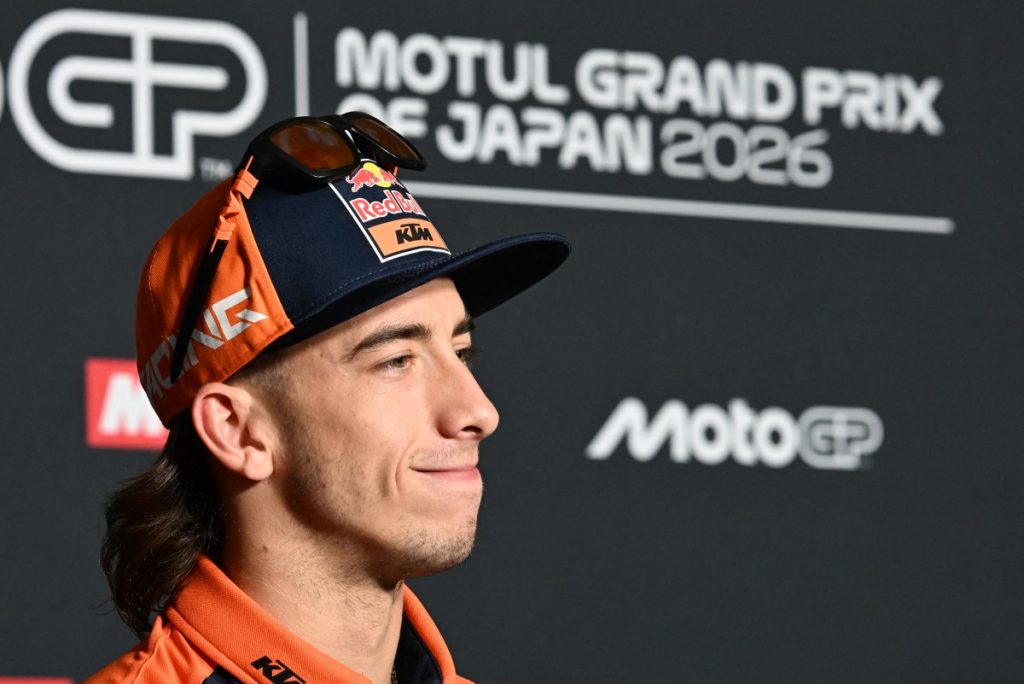
- Pedro Acosta has criticised MotoGP’s minimum tyre-pressure requirements after the Indonesian Grand Prix.
- The KTM rider believes a more consistent starting-pressure approach could simplify enforcement.
- The current rules require riders to remain above minimum pressure thresholds for a specified proportion of each race.
Pedro Acosta has called for changes to MotoGP’s tyre-pressure regulations, arguing that the existing system forces riders to compromise their racing as they attempt to remain within the minimum pressure limits.
The KTM rider raised the issue following the Indonesian Grand Prix, where tyre-pressure management played an important role in the outcome of the weekend.
The regulations require riders to maintain minimum front and rear tyre pressures for a specified proportion of the race distance.
For the front tyre, the minimum is 1.80 bar, while the rear-tyre threshold is 1.68 bar.
Riders must remain above the limits for at least 60% of a full grand prix and 30% of a sprint.
Failure to comply can result in a 16-second penalty in a grand prix or eight seconds in a sprint.
Acosta proposes simpler tyre-pressure enforcement
Acosta believes the current approach introduces unnecessary complications into the competition.
The Spaniard has suggested that standardising or checking starting pressures more directly could offer a simpler alternative to rules that depend on tyre behaviour throughout a race.
His criticism centres on the relationship between tyre temperature, pressure and a rider’s position on track.
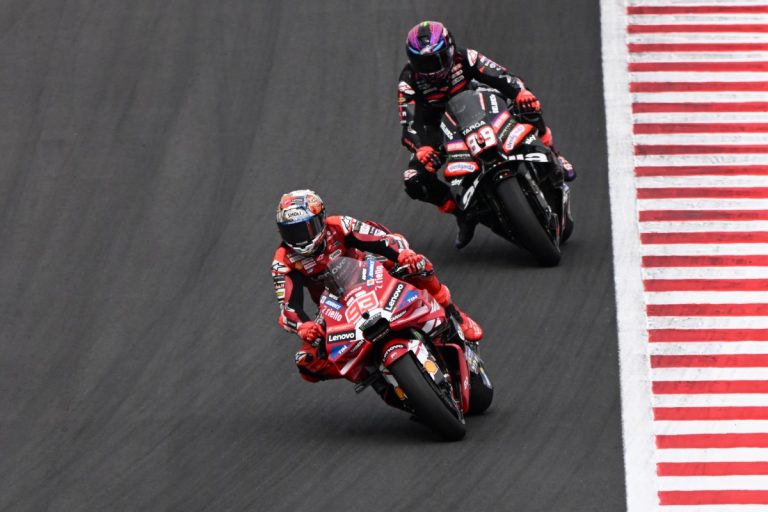
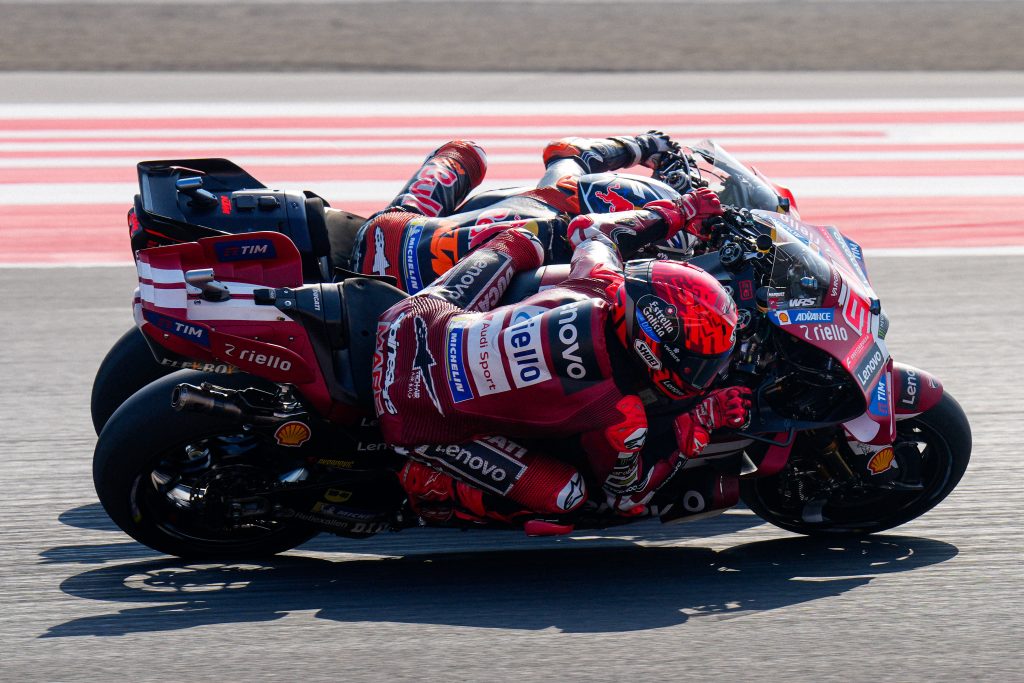
Following another motorcycle closely can increase front-tyre temperature and pressure, while riding in clean air may make it more difficult to remain above the required threshold.
That creates situations in which riders must adjust their pace or position to avoid penalties.
Indonesian GP exposes pressure-management problems
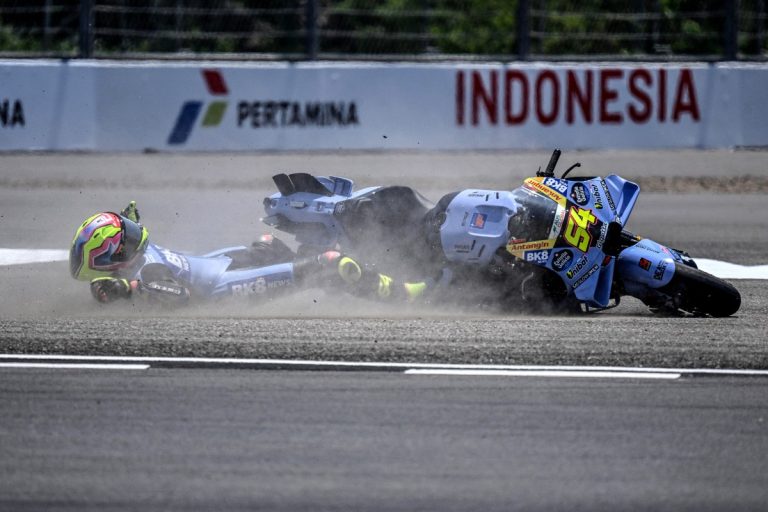
The Indonesian weekend provided several examples of how the regulations can influence race results.
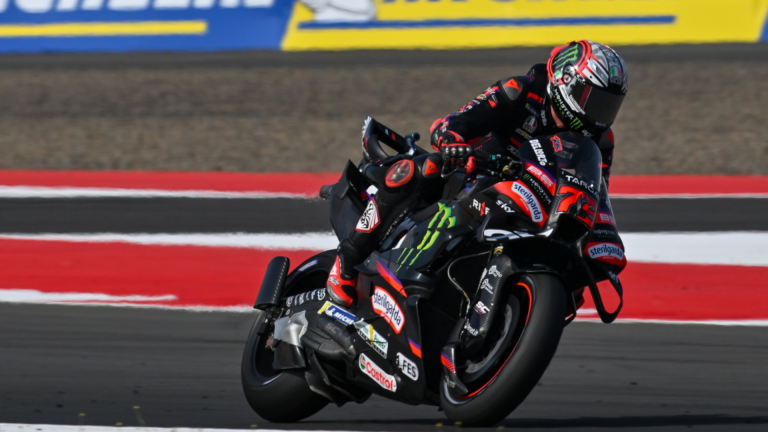
Jorge Martín lost positions during Saturday’s sprint while attempting to manage his front-tyre pressure.
Aprilia confirmed that the championship leader had been forced to adapt his riding before finishing fourth.
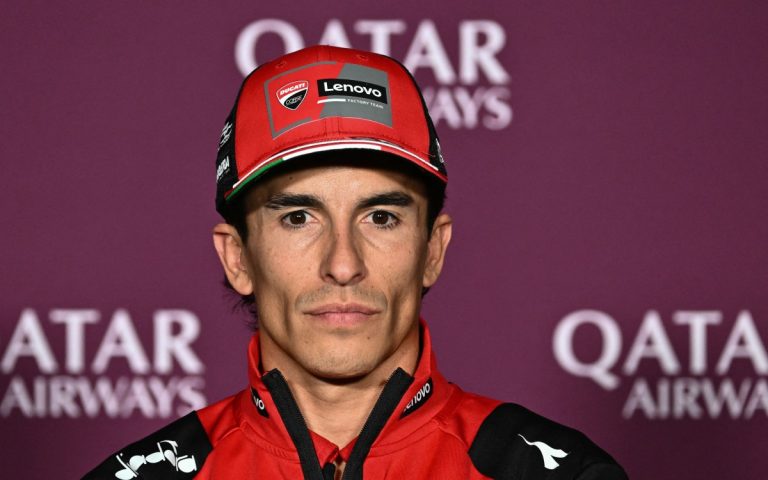
The incident allowed Marc Márquez to win the Indonesian sprint and temporarily take the championship lead.
Acosta’s concerns reflect the broader difficulty of balancing tyre safety requirements against sporting considerations.
The minimum-pressure regulations were introduced to ensure tyres operate within the parameters established by supplier Michelin.
However, riders have repeatedly questioned whether the system produces unintended consequences during races.
Tyre pressure remains a major issue before Australia
The debate comes ahead of the Australian Grand Prix at Phillip Island, a circuit known for its demanding tyre conditions.
Its fast, flowing corners generate sustained loads and require careful management of tyre temperature and degradation.
Those characteristics could make tyre management especially important during the next round.
The Australian MotoGP schedule and session times cover the October 23–25 weekend.
MotoGP has not announced a change to its minimum-pressure regulations in response to Acosta’s latest comments.