
News Summary
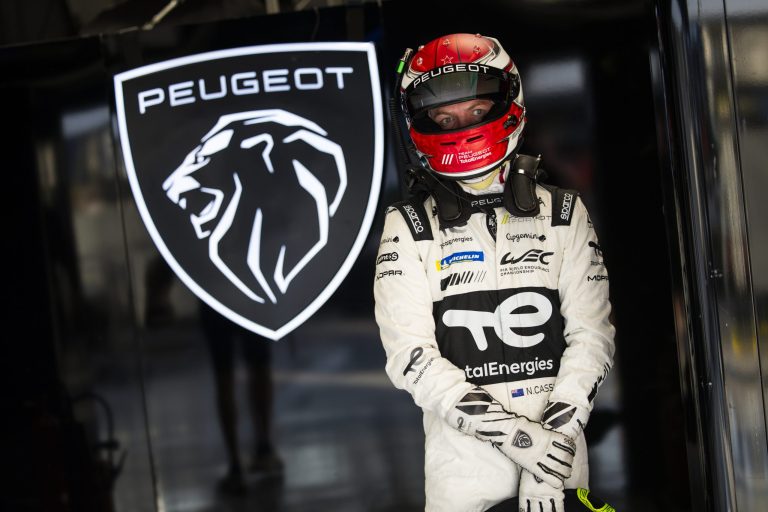
- Stellantis has confirmed Peugeot’s withdrawal from the World Endurance Championship, ending the 9X8 Hypercar programme after four seasons without a victory.
- Citroën and Opel will also leave Formula E at the end of 2027, despite preparing for the championship’s new Gen4 regulations.
- The decisions form part of the FastLane 2030 restructuring strategy and leave drivers, technical personnel and existing development programmes facing an uncertain future.
Stellantis announced a major retreat from international motorsport on Monday, November 23, confirming the immediate termination of Peugeot’s World Endurance Championship programme and plans to withdraw Citroën and Opel from Formula E after 2027.
The announcement brings an abrupt end to the Peugeot 9X8 project, which had been preparing an updated Hypercar for the 2027 championship. It also dramatically changes the future of Stellantis’ electric single-seater operations, including programmes that had already committed substantial resources to Formula E’s new Gen4 era.
For the WEC, Peugeot’s departure means the loss of another major manufacturer from the Hypercar category ahead of the 2027 season, despite the French team’s advanced preparations for a new campaign.
The decision follows reports published by Le Figaro and Reuters that Stellantis was preparing to reduce motorsport spending as part of a wider financial restructuring.
The company subsequently confirmed the changes, explaining that its priorities had shifted towards customer racing, high-performance road vehicles and the development of new products.
“The decision is aligned with the FastLane 2030 strategic plan, which focuses the company’s efforts and resources on customer competitions and the development of high-performance vehicles, as well as new products, quality and expanding market presence,” Stellantis said in its statement.

Peugeot abandons 9X8 project after four seasons
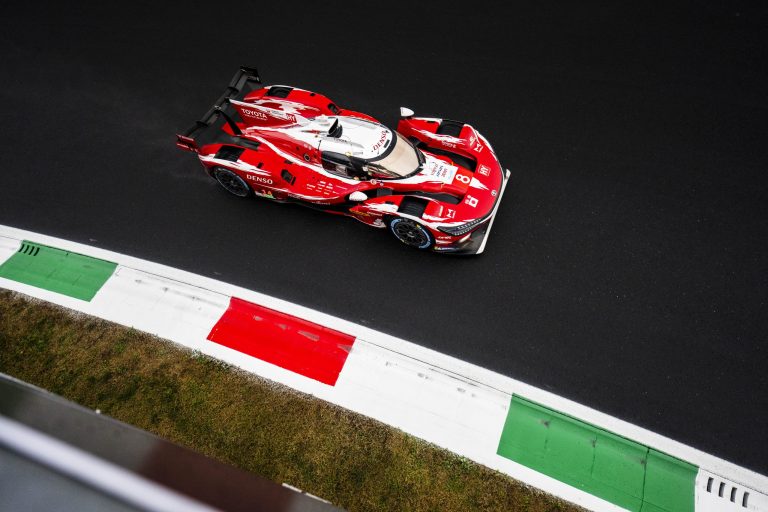
Peugeot returned to top-level endurance racing in July 2022, introducing the revolutionary 9X8 at the 6 Hours of Monza.
The original prototype attracted considerable attention because it lacked a conventional rear wing, relying on an unusual aerodynamic concept designed around the freedoms offered by Hypercar regulations.
Although the manufacturer subsequently introduced significant aerodynamic changes, including a rear wing, the 9X8 struggled to establish itself as a consistent challenger to Ferrari, Toyota and the other leading manufacturers.
Across its WEC campaign, Peugeot recorded four podium finishes, one pole position and one fastest lap, but never secured an overall victory.
The withdrawal is particularly significant because the manufacturer had been preparing a revised version of its Hypercar for 2027.
In September, Peugeot’s technical leadership reported encouraging results from development testing, suggesting that the updated package had addressed several weaknesses in the existing car.
The team had also begun reorganising its driver roster.
Robert Shwartzman was announced as a new Peugeot driver for 2027, with plans to integrate him into the programme through testing and preparation sessions.
Those commitments now face cancellation or renegotiation, with the immediate future of the drivers, engineers and other personnel still to be clarified.
The decision recalls Peugeot’s previous withdrawal from endurance racing in January 2012, when the manufacturer unexpectedly ended its successful 908 programme shortly before the inaugural season of the modern WEC.
WEC faces another major change to 2027 Hypercar grid
Peugeot’s departure comes during a period of substantial change for the World Endurance Championship.
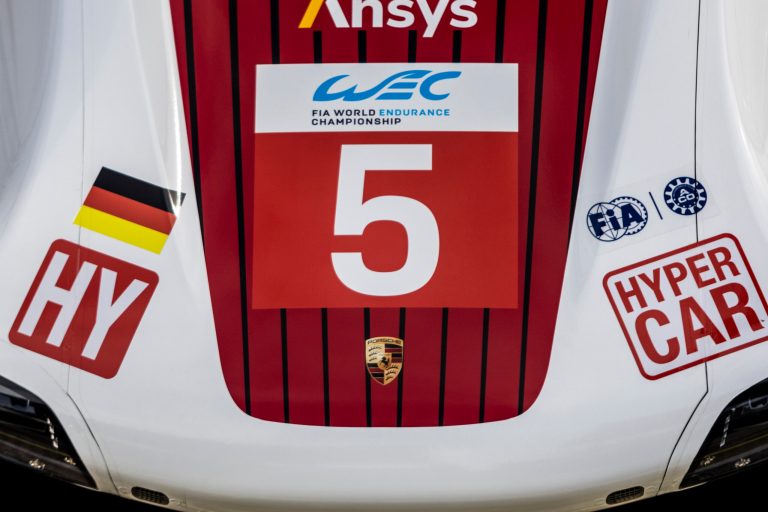
The Hypercar category is preparing to welcome new manufacturers, including Ford and McLaren, while other factory programmes have already announced changes or withdrawals.
Peugeot’s exit reduces the number of established manufacturers preparing for the next season and creates additional uncertainty around the final composition of the grid.
The 2027 championship is scheduled to begin with the Qatar 1812km at Lusail on March 27.
For teams and organisers, the immediate challenge is to determine which cars and manufacturers will actually participate once the entry list is finalised.
The consequences also extend to the personnel market.
Drivers previously committed to Peugeot could become available to rival programmes, potentially influencing preparations across the Hypercar field and other endurance championships.
The French manufacturer’s withdrawal also removes a car that had become one of the most distinctive technical projects of the current WEC era.
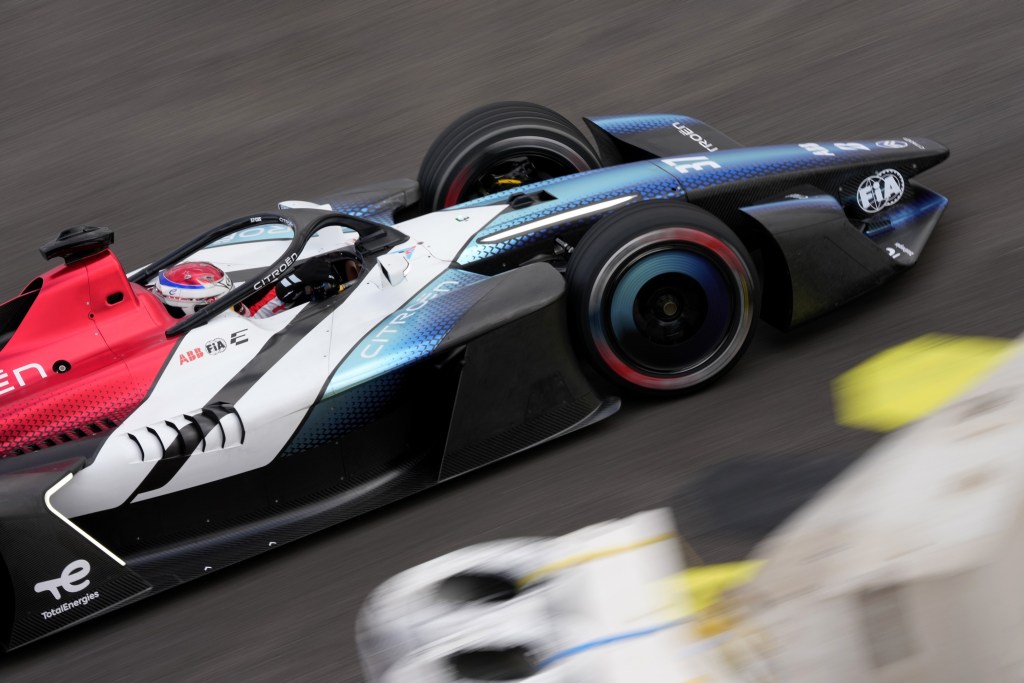
Citroën and Opel will leave Formula E after 2027
Stellantis’ restructuring extends beyond endurance racing.
The company has confirmed that Citroën and Opel will leave Formula E at the end of the 2027 season, despite the manufacturer’s preparations for the championship’s Gen4 technical regulations.
The timing is especially striking for Opel.
The German brand announced its Formula E entry in March 2026, committing to a programme originally intended to extend across four seasons with the new generation of electric race cars.
Under the revised strategy, the project will end after its initial campaign.
Citroën’s situation is different.
The French manufacturer took over the former Maserati Formula E identity in 2025, with the operation managed by MSG Racing.
Although Citroën’s manufacturer involvement will end, the team structure could potentially continue under a different commercial identity from 2028.
That possibility has not yet been formally resolved.
The decision represents a significant change from Stellantis’ previous emphasis on developing its electric racing activities as an extension of its road-car electrification strategy.
Financial restructuring drives motorsport cuts
The withdrawals come as Stellantis undertakes a wider effort to improve profitability and control expenditure.
Under CEO Antonio Filosa, the group has been reviewing investments following weaker sales and financial performance.
Its FastLane 2030 strategy includes changes to product development, manufacturing priorities and the allocation of resources across different business divisions.
The motorsport restructuring will redirect investment away from some of its highest-profile factory programmes.
However, Stellantis will retain support for selected customer-racing operations, including Lancia’s rally activities and Opel’s electric rally projects.
The distinction reflects a move away from expensive factory-level commitments towards programmes with different cost structures and commercial objectives.
For Peugeot, Citroën and Opel, however, the announcements mark the end of major international racing projects that had been central to their recent motorsport strategies.
FAQ
Why is Peugeot leaving the WEC?
Stellantis has ended the Peugeot Hypercar programme as part of its FastLane 2030 restructuring strategy, which redirects resources towards other automotive and customer-racing activities.
Will Peugeot race in the 2027 World Endurance Championship?
No. Stellantis has confirmed the immediate end of the factory programme, meaning the 9X8 will not continue into the 2027 WEC season under the existing project.
Are Citroën and Opel leaving Formula E immediately?
No. Both brands are scheduled to leave Formula E after the 2027 season. Their participation will continue until that point under the announced plan.