
The Fédération Internationale de l’Automobile (FIA) has issued its verdict regarding the innovative active rear wing design dubbed the “Macarena,” confirming the safety of the system currently used during the 2026 season by Ferrari, McLaren, and Red Bull. FIA Single-Seater Director Nikolas Tombazis explained that the conclusion followed extensive technical evaluations and open dialogues with teams—particularly Red Bull, which required adjustments after high-speed crashes involving Max Verstappen.
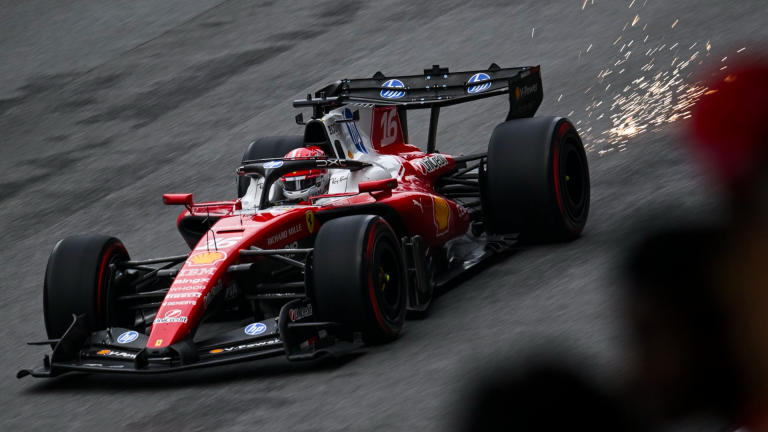
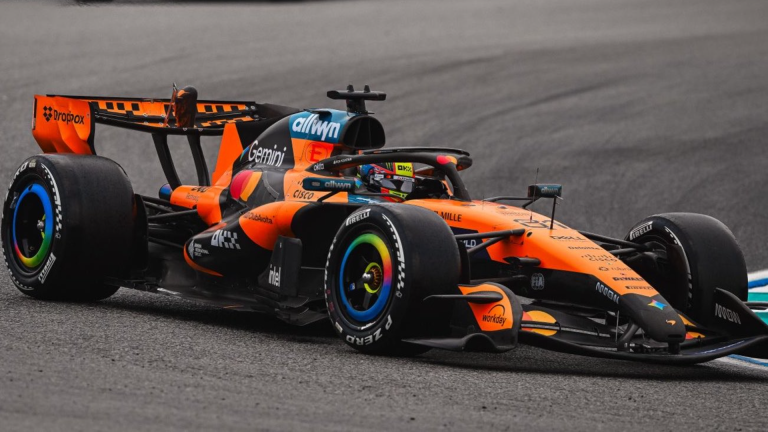
The Macarena concept debuted during pre-season testing with Ferrari, receiving its nickname from team principal Frédéric Vasseur. The mechanism opens the rear wing differently from a traditional DRS flap: the upper flap rotates on an axis, creating a wider aperture under 2026 active aerodynamics regulations.
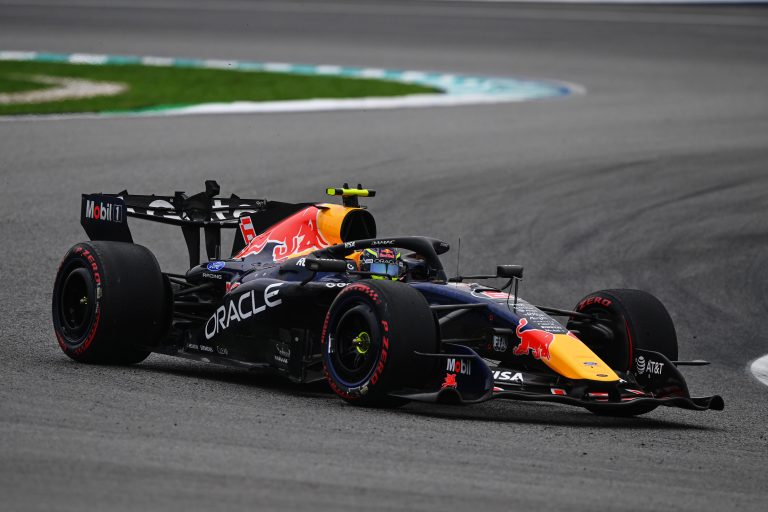
The design quickly caught the attention of rival teams, leading to distinct iterations. Red Bull introduced its version at the Miami Grand Prix, but subsequent mechanical issues at the Austrian and British Grands Prix prompted closer FIA scrutiny.
“When the first design of this type emerged, we wanted to ensure it was completely safe,” Tombazis stated in a press briefing. “That involved several requirements, as is standard with complex engineering systems where teams perform FMEA—Failure Modes and Effects Analysis,” he detailed.
The analysis evaluated wing closing times, system behavior under aerodynamic loads, and potential failure scenarios. “We maintained an extensive dialogue to ensure we considered these designs safe.”
“Primarily, we wanted to be certain there was no risk of, say, a hydraulic failure leaving the wing stuck open and preventing it from returning to its closed position. Additionally, we wanted to ensure the actuation occurred within a very short timeframe and wasn’t a slow movement that could compromise car stability,” Tombazis added.
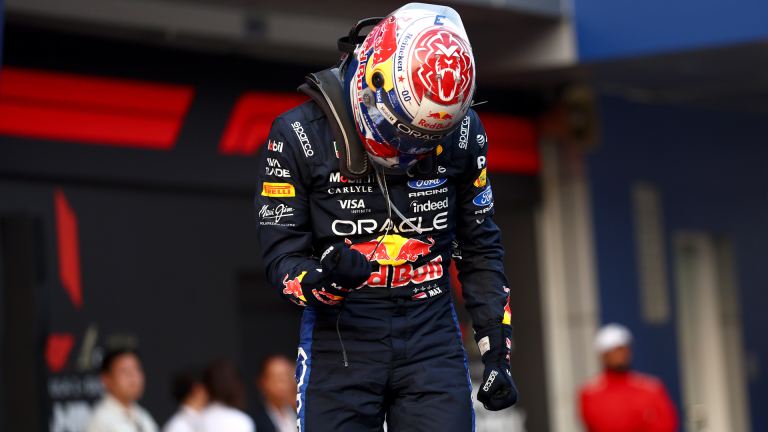
Malfunctions on Red Bull’s wing contributed to two heavy, high-speed crashes for Max Verstappen. Following those incidents, the Austrian squad elected to temporarily shelve the design at the high-speed Spa-Francorchamps circuit during the Belgian Grand Prix to refine the mechanism. However, the FIA did not issue an outright ban.
“We have been discussing these matters, and based on those conversations, Red Bull wanted to make further adjustments. We didn’t specifically say ‘no, you cannot race with it,’ but they needed to do a bit more work to guarantee safety, as ultimately they also want their car to be safe. I don’t think anyone wants their car involved in accidents,” Tombazis concluded.
Formula 1 action resumes August 21–23, 2026, at the Dutch Grand Prix at Circuit Zandvoort, marking Round 12 of the World Championship.
Frequently Asked Questions (FAQ)
What is the “Macarena” wing in Formula 1?
The “Macarena” wing is a 2026 active aerodynamics rear wing design featuring a rotating top flap that creates a larger drag-reduction opening than traditional DRS systems.
Why did Red Bull temporarily remove the Macarena wing?
Red Bull temporarily removed the wing at the Belgian GP to make reliability adjustments after mechanical glitches contributed to high-speed crashes for Max Verstappen in Austria and Great Britain.
Has the FIA approved the Macarena wing design?
Yes. The FIA confirmed the design meets safety standards, provided failure modes (such as a wing getting stuck open) are thoroughly mitigated by the teams.