Summary
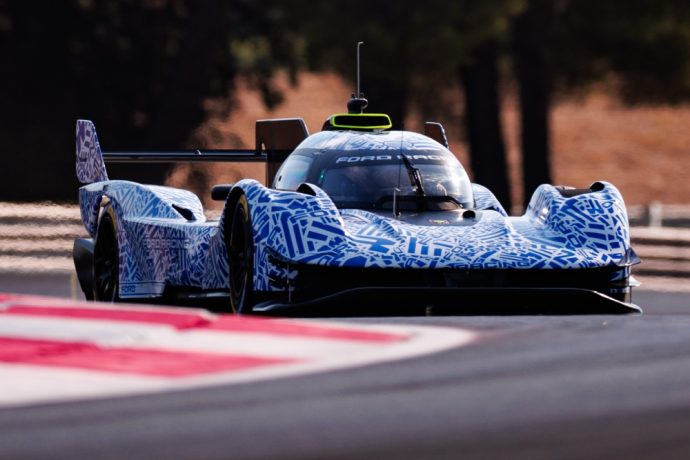
- Ford tested its Hypercar in dry, wet and drying conditions at Silverstone.
- Sargeant, Yelloly and Priaulx shared the car, with Sargeant continuing alone on the second day.
- The programme moves to Monza later in October, ahead of further testing before its 2027 debut.
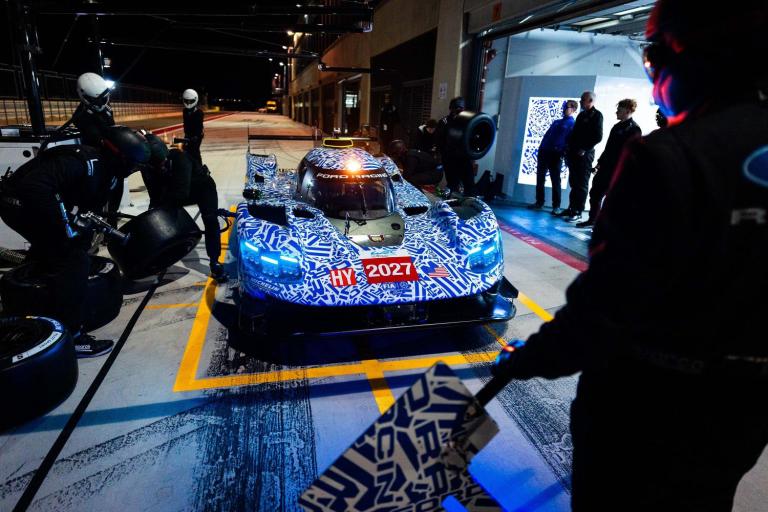
Ford has completed a two-day Hypercar test at Silverstone, taking another step towards its debut in the top class of the WEC in 2027. The British circuit provided a mixture of sunshine, rain and drying conditions as the manufacturer expanded its development programme.
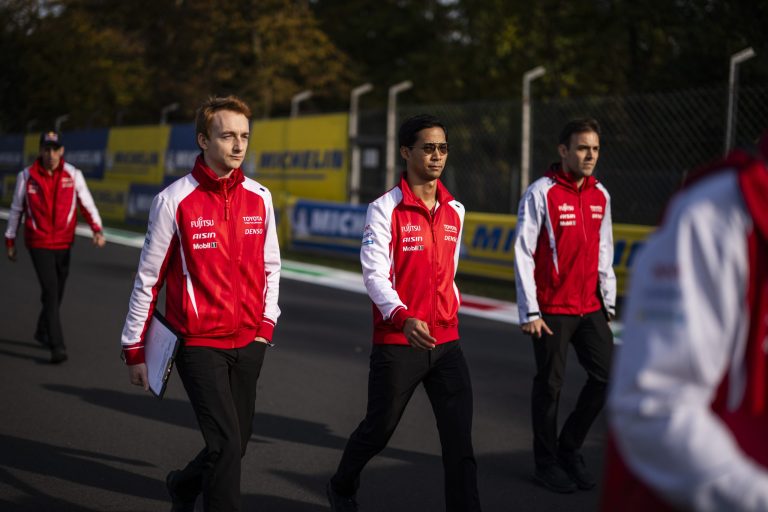
Logan Sargeant, Nick Yelloly and Sebastian Priaulx shared driving duties on the opening day. Sargeant then continued alone on day two, while Yelloly and Priaulx travelled to Road Atlanta for Petit Le Mans.
Ford completes its first longer stints
The Silverstone outing followed previous running at Paul Ricard and Portimão. It also marked the first time Ford had completed longer stints with the new prototype, extending the work beyond its initial testing programme.
“Silverstone was a positive two-day test – we had sunshine, rain and a drying track giving us a useful range of conditions,” programme manager Dan Sayers said.
Sayers reported that the longer runs went well and described continued progress ahead of the next test at Monza. Images released from Silverstone also showed the car fitted with headlights for the first time.
What is Ford’s new Hypercar?
Ford’s prototype is being developed to LMDh regulations, using an ORECA chassis and a 5.4-litre naturally aspirated V8 designed and built in-house in Dearborn. The engine is based on the manufacturer’s Coyote architecture.
The project will put Ford in contention for overall honours at Le Mans, extending its endurance programme beyond its existing GT racing activities. The manufacturer has identified winning the 24-hour race outright as a central ambition of its return.
Ford has already confirmed its six-driver roster: Sargeant, Yelloly, Priaulx, Matt Campbell, Mike Rockenfeller and Tom Blomqvist. The final combinations within the race crews and the car’s official name are due to be revealed separately.
Monza is the next step
Ford plans to continue testing in Europe, with Monza scheduled later this month. Its previously announced programme also includes Imola and Aragón before development work moves to the United States towards the end of the year.
Circuit of the Americas and Sebring are among the American venues scheduled to host the prototype. The programme builds on the opening Paul Ricard test, where Ford covered more than 1,000 kilometres and gave several of its drivers their first running in the car.
The remaining tests form part of Ford’s preparation for its first competitive season. Its development objectives include performance, reliability, hybrid-system integration and aerodynamic validation before the 2027 campaign begins.
FAQ
When will Ford’s Hypercar make its WEC debut?
Ford is preparing to enter the WEC’s Hypercar class in 2027.