News summary
- The WEC will significantly reduce the maximum energy available per stint for the Hypercar class at the Lone Star Le Mans.
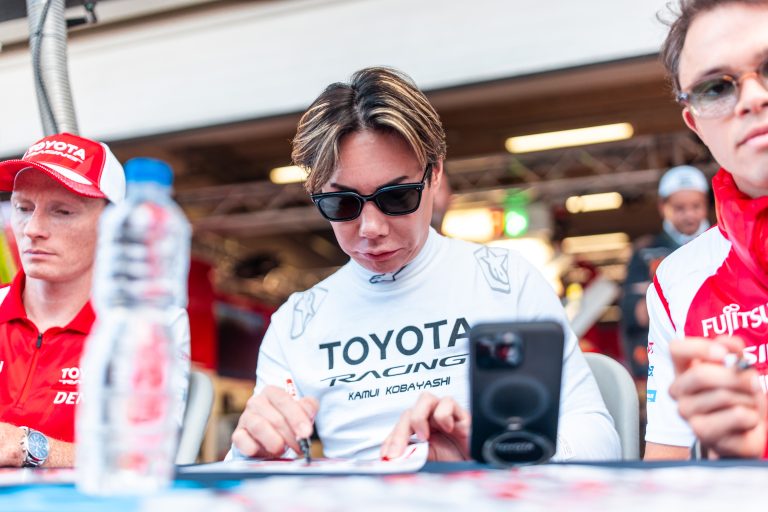
- Toyota technical director David Floury expects the reduction to be around 10% to 15%, while Brendon Hartley estimates 3 to 4 fewer laps per stint.
- Cadillac’s Jack Aitken believes the change should reduce pit-lane overlap between the Hypercar and LMGT3 classes and create a more strategic race.
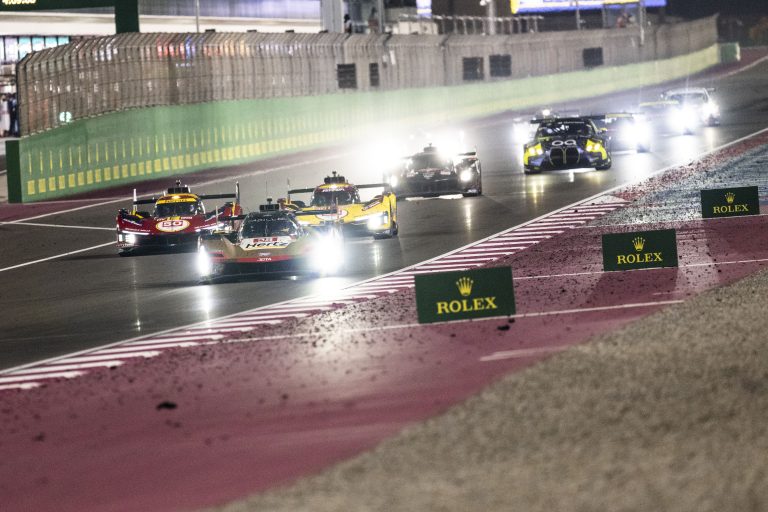
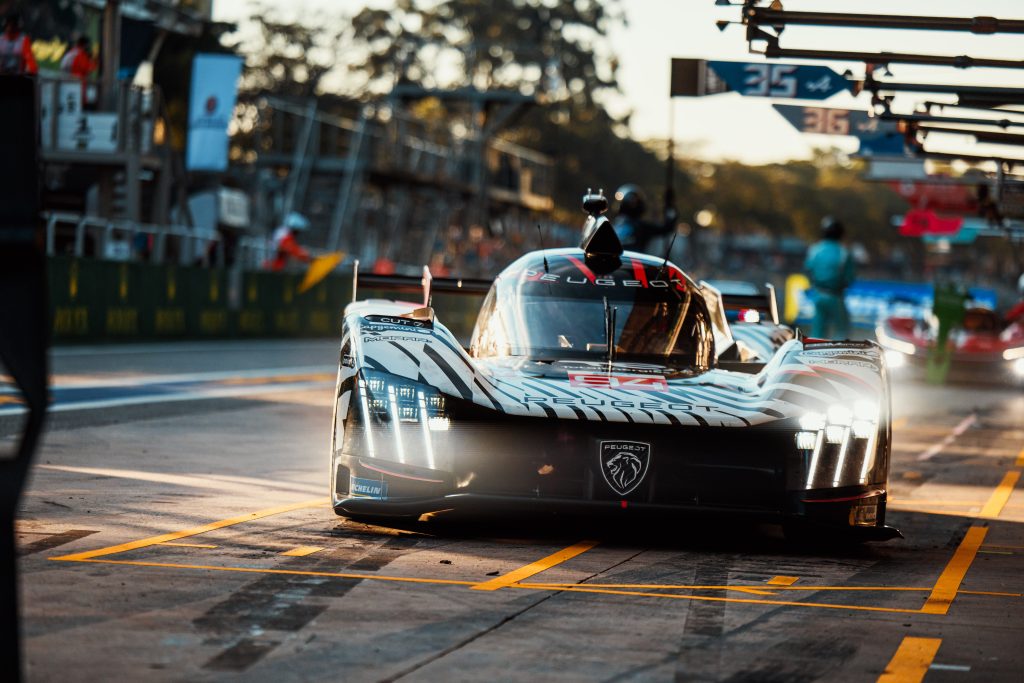
The World Endurance Championship (WEC) is preparing for a significant change to the strategy at the Lone Star Le Mans, the 5th round of the 2026 season, this weekend. At the Circuit of The Americas, the Hypercar class will have considerably less energy available per stint, which is expected to shorten each stint and potentially force teams into a 7th round of pit-stops during the 6-hour race.
In the WEC, stint length is controlled by a virtual energy tank, a regulatory mechanism that determines how much energy each car can use before returning to the pits. The calculation accounts for both the internal-combustion engine and the electric motor.
According to Sportscar365, the capacity of that virtual tank will be significantly reduced for the Lone Star Le Mans. Toyota technical director David Floury said the reduction should be in the region of 10% to 15%, which would make an additional pit-stop necessary compared with the six-stint strategy teams have typically been able to use.
Toyota driver Brendon Hartley expects the change to translate into approximately 3 to 4 fewer laps per stint.
“Everyone has significantly less energy available than in the previous races, which means the stints will be considerably shorter because of the regulations. That is significant because, instead of having a race that is clearly divided into six stints, suddenly it becomes almost seven,” Hartley told Sportscar365.
The change will therefore affect more than just the number of pit-stops. Teams will also have to rethink tire usage, driver changes and the timing of each stop.
“It changes the strategy quite a lot and forces us to do more double stints with the tires, even though the stints are shorter. It’s not something that affects just our team, but it changes the dynamic of the strategy and when you put the drivers in the car, as well as tire management. That will be something interesting to watch throughout the weekend,” Hartley added.
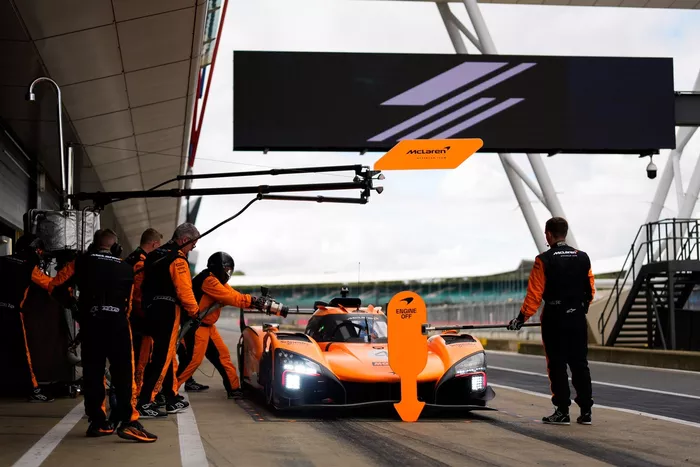
Hypercar and LMGT3 pit-stops
The FIA and Automobile Club de l’Ouest (ACO) have not publicly explained the reason for reducing the energy allowance at this stage. However, Cadillac driver Jack Aitken believes one of the objectives is to separate the pit-stop cycles of the Hypercar and LMGT3 classes.
Aitken considers the reduction a positive move because the previous energy allocation could have resulted in too many cars from both classes arriving in the pit lane at the same time.
“It was the right decision to reduce the energy available per stint to avoid the pit-lane confusion, because we would end up having quite a lot of overlap with the LMGT3 grid. So there would be a lot of stops happening at the same time,” Aitken told Sportscar365.
“We’re going to avoid that confusion and we’re not going to interfere with each other’s races. It will help with the heat during the stints and I think we’ll have a more interesting strategic race because it will be possible to work with shorter stints,” he added.
The change comes as the WEC returns to the United States for the Lone Star Le Mans. The race will be held at the Circuit of The Americas in Austin between September 4 and 6.
GRANDE PRÊMIO has already published the full Lone Star Le Mans schedule and will provide complete coverage of the 5th round of the 2026 WEC season.
FAQ
Why will Hypercar stints be shorter at the Lone Star Le Mans?
The maximum amount of energy available to Hypercar cars per stint will be reduced, meaning teams will reach their energy limit sooner and have to pit more frequently.
How much energy is being removed from each stint?
Toyota technical director David Floury expects the reduction to be approximately 10% to 15%. Brendon Hartley estimates that this will mean around 3 to 4 fewer laps per stint.
How will the change affect the race strategy?
The reduction could turn the traditional six-stint strategy into almost 7 stints, increasing the number of pit-stops and changing tire management, driver changes and the timing of stops. Jack Aitken also expects it to reduce overlap between Hypercar and LMGT3 pit-stops.