News Summary
- Audi has appointed Thomas Fuhr as CEO of Audi Formula Racing GmbH from November 1, strengthening the leadership of its Formula 1 power-unit operation.
- Fuhr previously served as managing director of Mercedes-AMG High Performance Powertrains between 2009 and 2012.
- The restructuring will allow Stefan Dreyer to focus on technical development, while Mattia Binotto continues leading the overall Audi Formula 1 team.
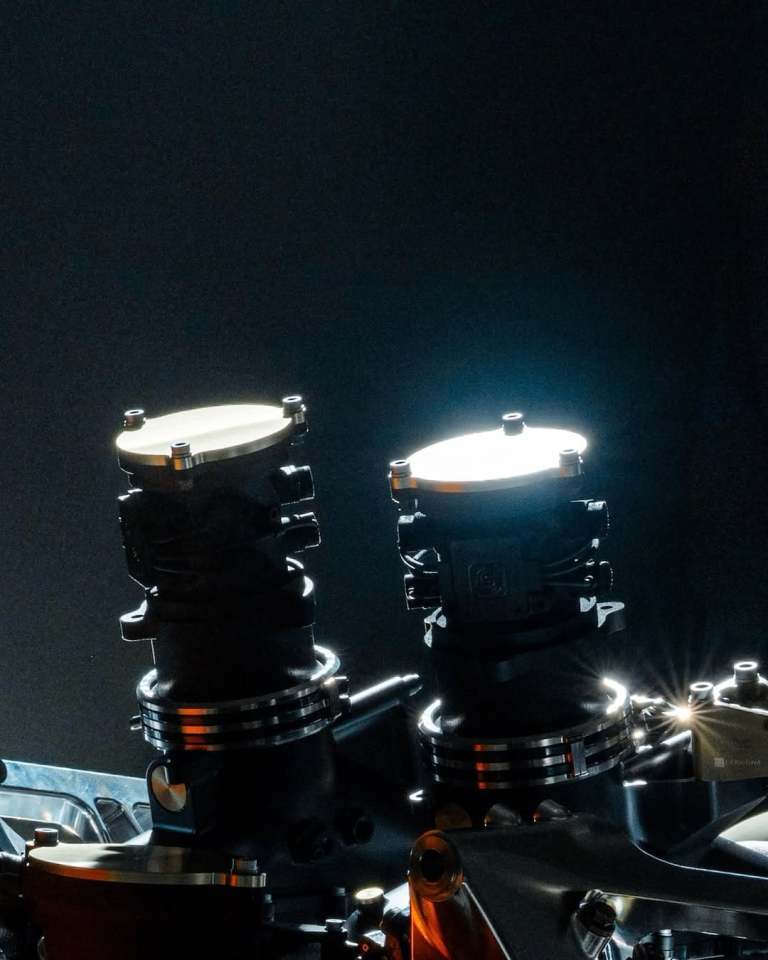
Audi has recruited former Mercedes engine executive Thomas Fuhr to lead its Formula 1 power-unit division, appointing the German engineer as CEO of Audi Formula Racing GmbH from November 1. The manufacturer announced the appointment on Wednesday (October 28), strengthening the management structure of its engine operation in Neuburg an der Donau as it prepares for its second season under Formula 1’s new technical regulations.
Fuhr brings more than three decades of engineering and management experience, including a previous spell leading Mercedes-AMG High Performance Powertrains. His arrival will allow Audi’s current chief technology officer, Stefan Dreyer, to concentrate on technical development rather than the wider management of the organisation.
Fuhr takes over Audi’s Formula 1 engine company
Audi Formula Racing GmbH is responsible for developing and manufacturing the power unit used by the manufacturer’s works Formula 1 team.
The company operates from Neuburg an der Donau in Germany, while Audi’s chassis and race-team operations are based in Hinwil, Switzerland.
Fuhr’s appointment separates organisational leadership from the day-to-day technical management of the power-unit programme.
Under the revised structure, Dreyer will remain chief technology officer and concentrate on engine development.
Christian Foyer will continue overseeing operations at Neuburg as chief operating officer.
Mattia Binotto remains CEO and team principal of the wider Audi Formula 1 team.
Audi’s revised F1 power-unit leadership
| Executive | Responsibility |
|---|---|
| Thomas Fuhr | CEO, Audi Formula Racing GmbH |
| Stefan Dreyer | Chief technology officer, F1 power unit |
| Christian Foyer | Chief operating officer, Neuburg |
| Mattia Binotto | CEO and team principal, Audi F1 team |
Fuhr’s appointment takes effect on November 1, 2026.
The division of responsibilities is designed to give Audi’s technical specialists more time to focus on improving its new-generation power unit.
Former Mercedes executive brings extensive experience
Fuhr’s most relevant Formula 1 experience came between 2009 and 2012, when he was managing director of Mercedes-AMG High Performance Powertrains.
The organisation developed the engines supplied to Mercedes and other Formula 1 teams.
His tenure preceded the introduction of the turbo-hybrid regulations in 2014, making it important not to attribute Mercedes’ subsequent championship dominance directly to his leadership.
Nevertheless, his experience includes managing complex engine-development operations within a major automotive manufacturer.
After Mercedes, Fuhr held senior executive positions at GROHE, LIXIL and Georg Fischer Building Flow Solutions.
Those roles included responsibility for international engineering, manufacturing, research and operational performance.
Audi is now bringing that management experience into a rapidly developing Formula 1 project.
Binotto expects new appointment to strengthen Audi
Binotto welcomed the decision, emphasising the organisational demands of developing Audi’s first Formula 1 power unit.
“We have built strong foundations in Neuburg, developing Audi’s first Formula 1 power unit from the ground up,” he said.
The team principal explained that Fuhr understands both the technical challenge and the demands of leading high-performance organisations.
Fuhr also welcomed the opportunity to return to Formula 1.
He said he wanted to build on the work already completed in Neuburg and create the conditions necessary for Audi to become competitive at the highest level.
Audi has invested heavily in establishing its own power-unit programme rather than relying on an existing supplier.
That approach gives the manufacturer control over the integration of its engine and chassis, but also requires it to develop expertise in several areas simultaneously.
Audi strengthens its structure ahead of 2027
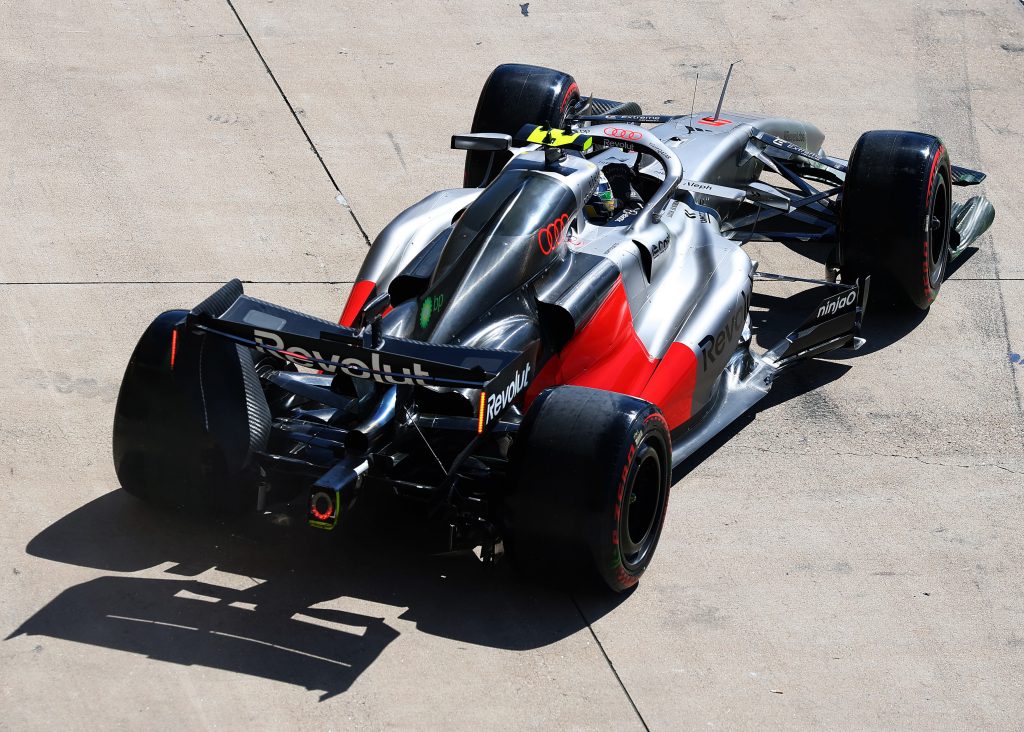
Audi entered Formula 1 in 2026 with a works team and independently developed power unit.
The project combines the manufacturer’s new engine architecture with the former Sauber organisation’s chassis and race operations.
The first season has provided valuable experience with the 2026 regulations, which feature a considerably greater electrical contribution and the removal of the MGU-H.
For Audi, progress depends on developing combustion performance, electrical efficiency, reliability and the integration of the complete power unit.
Fuhr’s appointment does not represent the announcement of a new engine specification or an immediate performance upgrade.
Instead, it is a management decision intended to improve how the programme operates and develops.
The restructuring also comes as Audi prepares for the final five rounds of 2026 and its longer-term ambitions under the current regulations.
The manufacturer’s next race is the Mexican Grand Prix, where Freddie Slater will replace Gabriel Bortoleto during the opening practice session.
The circuit’s altitude will create additional demands on Audi’s turbocharger, cooling and energy-management systems.
Those issues are explained in GRANDE PRÊMIO’s analysis of Mexico’s effects on the new Formula 1 engines.
GRANDE PRÊMIO is following Audi’s Formula 1 development, the Mexican Grand Prix and preparations for 2027 with breaking news and technical analysis in its Formula 1 section.