Key Takeaways (TL;DR):
- Overcoming Starting Issues: Gabriel Bortoleto struggled early with race launches on the Audi R26, often requiring charge-backs through the midfield, but he has progressively refined his Sunday executions.
- Reliability & Opportunity: Despite early reliability setbacks—including a non-start in China and brake issues in Miami—Bortoleto capitalized on late-race incidents in Silverstone and Spa to deliver back-to-back eighth-place finishes.
- Intra-Team Dynamics: With 10 points scored compared to Nico Hülkenberg’s two through the opening 11 rounds, the 21-year-old Brazilian is increasingly establishing himself as the focal point of Audi’s inaugural campaign.
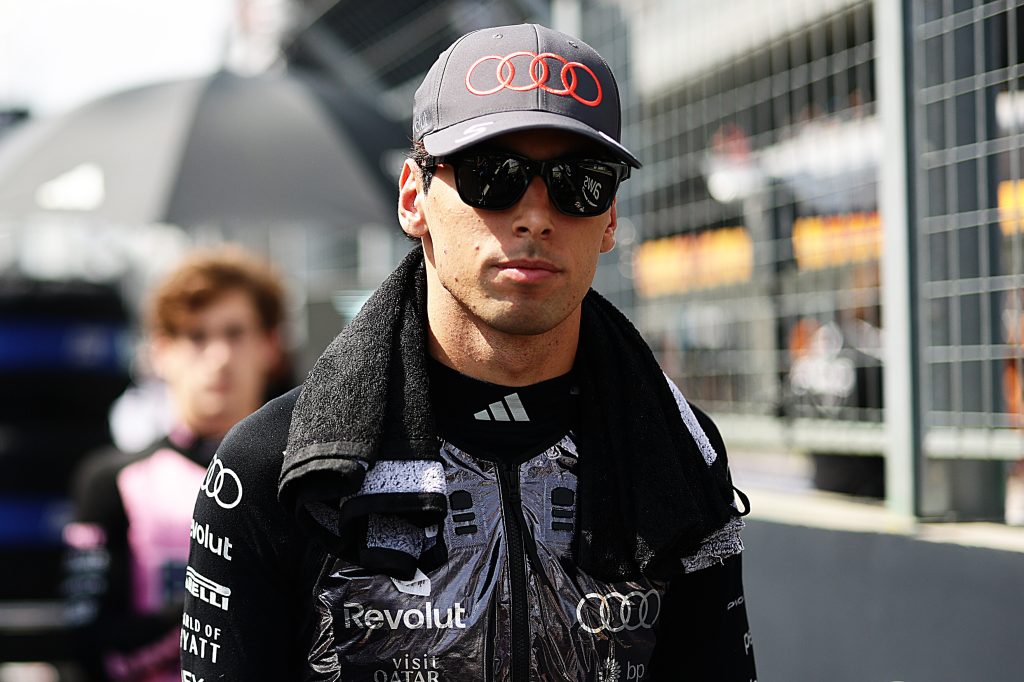
In a sport that has grown increasingly closed off, building an F1 project virtually from scratch remains an immense undertaking. Although Audi acquired the existing Sauber infrastructure, developing a brand-new power unit to compete against established manufacturers like Mercedes and Ferrari represents a formidable challenge. Gabriel Bortoleto faced early hurdles, but he has carved out a clear path toward becoming the centerpiece of the German team.
Bortoleto’s early difficulties stemmed from a few key factors—most notably, race starts. The Brazilian frequently dropped positions off the line, forcing him into recovery drives that relied heavily on attrition among top-tier teams to reach the points.
In Suzuka, for example, Bortoleto advanced to Q3 and lined up ninth, only to drop to 13th by the end of lap one before finishing outside the top ten. At the Canadian GP, he launched from 13th but fell to 20th by lap two. Constantly needing to mount recoveries is far from ideal given the performance delta between the frontrunners and the midfield.
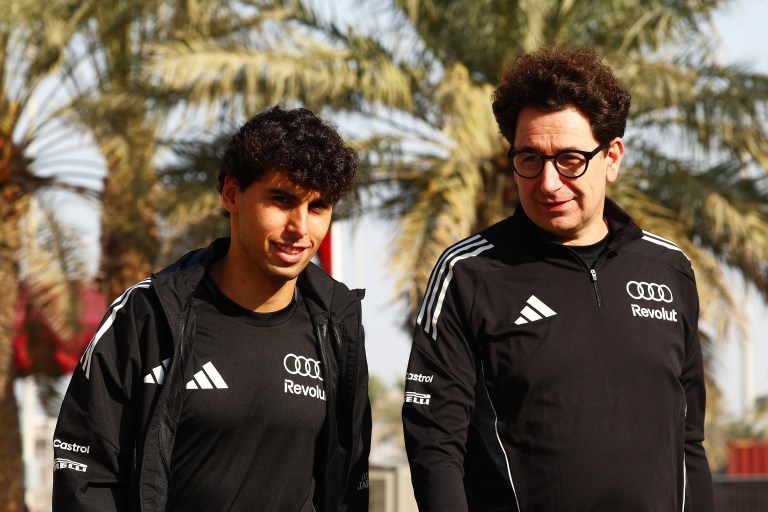
Reliability has posed another hurdle for Audi. While hardware failures impacted teammate Nico Hülkenberg more severely, Bortoleto was not spared—suffering a non-start at the Chinese Grand Prix and a brake fire during Q1 in Miami that relegated him to the back of the grid.
Between questionable reliability and frequent recovery drives, Bortoleto endured a stretch of near-misses before his breakthrough at the British Grand Prix. Despite a gearbox scare during qualifying and another poor launch, he carved his way back through the field, capitalizing on issues for Max Verstappen and Andrea Kimi Antonelli to secure an eighth-place finish.
A similar scenario unfolded in Belgium. Although he surrendered positions to Lando Norris and Isack Hadjar as they charged from the rear, Bortoleto maintained his position at the head of the midfield, taking advantage of incidents involving Racing Bulls and Alpine alongside George Russell’s retirement to record another eighth-place result.
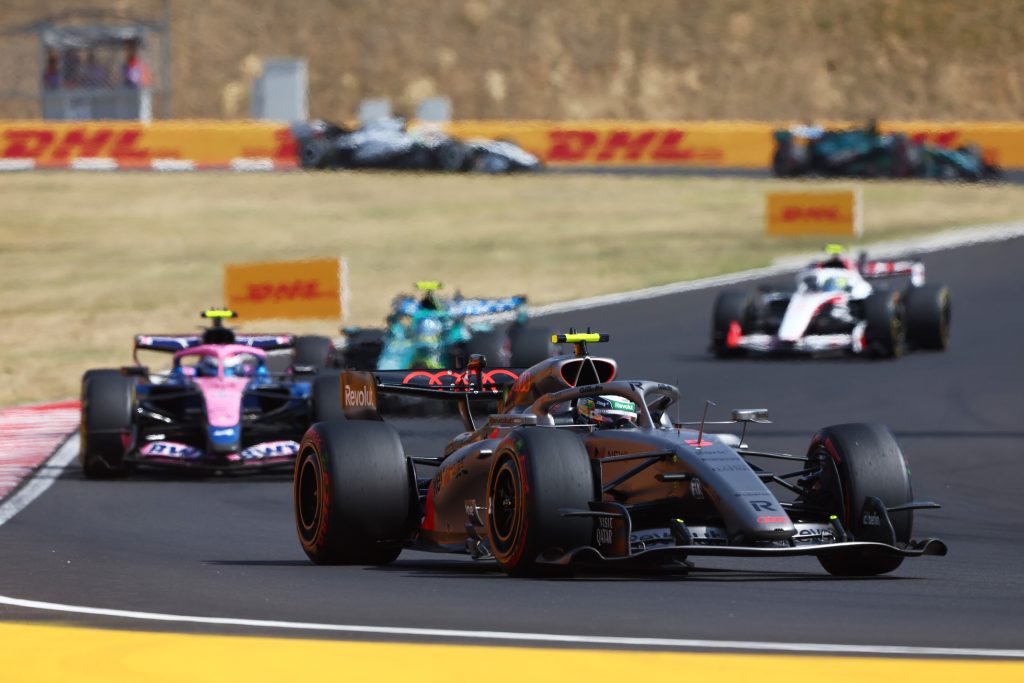
Driver Standings and Midfield Outlook
While Bortoleto seized crucial opportunities to amass 10 championship points, teammate Hülkenberg faced a harder run, securing his first points of the year with a ninth-place finish in Hungary just before the summer break. Although the German veteran remains competitive in qualifying, a string of reliability failures has tilted early-season momentum toward the Brazilian.
Much like his 2025 campaign, Bortoleto has shown consistent development as the season progresses. Scoring regularly remains difficult, particularly with Racing Bulls frequently locking out the remaining top-10 positions behind the leading teams. However, the partnership between Bortoleto and Audi is proving far less painful than previous manufacturer entries into Formula 1.
For the remainder of the season, the primary objective centers on ironing out operational flaws and capitalizing on every available points-scoring opportunity as Audi continues its technical development.
Formula 1 action resumes August 21–23 with the Dutch Grand Prix at Zandvoort following the summer break.
Frequently Asked Questions (FAQ)
How many points has Gabriel Bortoleto scored in the 2026 F1 season?
Gabriel Bortoleto has scored 10 points through the first 11 rounds of the 2026 season.
What are Gabriel Bortoleto’s best race finishes in 2026 so far?
Bortoleto’s best finishes of the season are two eighth-place results, achieved at the British Grand Prix (Silverstone) and the Belgian Grand Prix (Spa-Francorchamps).