
News summary
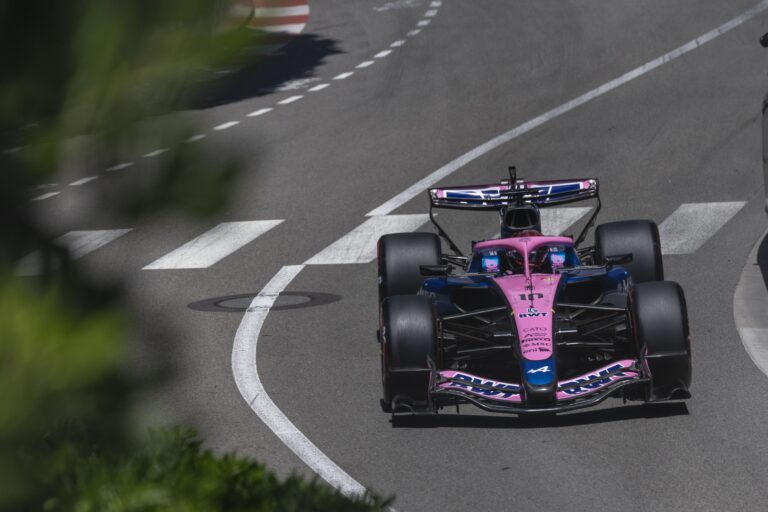
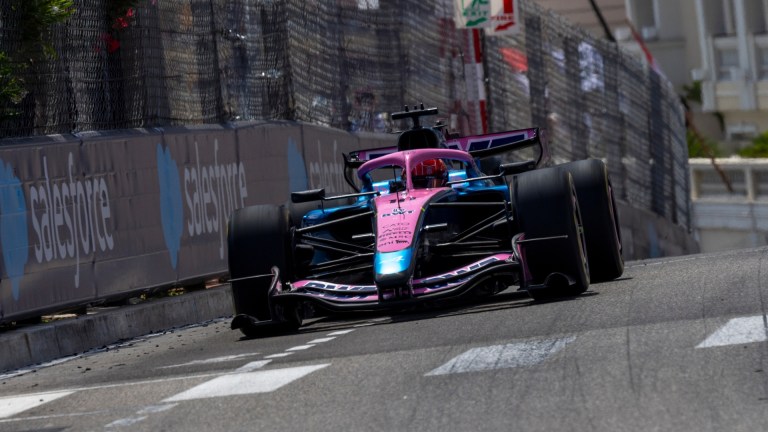
- The FIA defended its stewards after the International Court of Appeal reinstated Pierre Gasly’s 2 five-second penalties from the Monaco GP.
- The federation said stewards and the Court operate under “different” circumstances, with the tribunal having access to broader legal advice, arguments and evidence.
- The FIA will review its Formula 1 timing system, Right of Review procedures and appeal processes following the controversy.
The FIA has defended the work and independence of its Formula 1 stewards after the International Court of Appeal reinstated Pierre Gasly’s penalties from the 2026 Monaco GP. The federation said the different circumstances under which the stewards and the Court operate help explain why the final decision changed after the original penalties had been rescinded.
The International Court of Appeal’s decision was published on Friday (September 4), following a hearing in Paris on August 25. The Court granted appeals from Red Bull and McLaren, set aside the stewards’ June 12 decision and reinstated Gasly’s 2 five-second penalties for pit-lane speeding. the International Court of Appeal’s decision
“After the hearing before the International Court of Appeal, in Paris, on 25 August, the penalties imposed on Pierre Gasly for speeding in the pit lane in Monaco have been reinstated,” the FIA said in an official statement.
The federation also announced a review of the procedures involved in the case.
“The FIA is reviewing the methodology and operation of the current Formula 1 timing system and the related regulatory matters. Other judicial procedures and operations, including the Right of Review and appeal processes, will also be reviewed,” the FIA added.
FIA defends stewards
The controversy began at Monaco on June 7, when Gasly received 2 five-second penalties after the official timing system recorded him above the 60 km/h pit-lane limit on 2 occasions. He finished third on the road but was initially classified seventh after the penalties.
The stewards later accepted Alpine’s request for a Right of Review after new information emerged concerning the measurement of the pit-lane section used in the speed calculation. The penalties were rescinded on June 12, returning Gasly to the podium.
Red Bull and McLaren subsequently appealed that decision. McLaren had previously explained that its challenge was motivated both by broader concerns over sporting consistency and by the championship impact of Oscar Piastri having served his own pit-lane penalty during the race. McLaren’s explanation of its appeal
The International Court of Appeal ultimately reached a different conclusion, finding that the common 2,692 cm distance parameter used by the Official Timing System remained applicable to the Monaco GP. Applying that parameter to Gasly’s recorded elapsed times produced speeds above the 60 km/h limit on both occasions.
The Court therefore concluded that Gasly breached the sporting regulations twice and reinstated the 2 penalties.
Despite the reversal, the FIA made clear that it does not consider the stewards’ original review process evidence of a failure of independence or objectivity.
“Furthermore, the FIA fully supports the stewards’ process and the independence and objectivity of the various stewards’ panels, which are an integral part of global motor sport. Their decisions are made in a different environment from the Court, while the Court has access to extensive additional legal advice, arguments and evidence,” the federation said.
The distinction is important because the Court conducted a broader judicial review of the case, while the stewards had acted within the framework of the Right of Review after receiving what they considered a significant and relevant new element.
FIA promises procedural improvements
The federation also emphasized that its stewards regularly review their procedures and undergo professional development.
“FIA stewards constantly review their processes and participate in extensive professional development. Every decision of the Court of Appeal is carefully examined by the FIA stewards, ensuring a process of continuous improvement,” the statement concluded.
The Court itself also made clear that the Right of Review remains available when its regulatory conditions are met. However, it ruled that the review process could not replace the common measurement benchmark used for the entire field with a different parameter retrospectively for a single competitor.
With the penalties reinstated, Gasly dropped from third to seventh in the final Monaco classification. Andrea Kimi Antonelli remains the winner, Lewis Hamilton is second and Isack Hadjar returns to the podium in third.
The ruling also altered the championship points awarded from Monaco, with the FIA ordering the relevant sporting documents to be amended.
The controversy is therefore not entirely closed. Alongside the sporting consequences, the FIA has now committed to reviewing its timing methodology, Right of Review procedures and appeal processes in response to the issues exposed by the case.
GRANDE PRÊMIO continues its coverage of the 2026 Formula 1 season from Monza and will follow any further developments surrounding the FIA’s review.
FAQ
Why were Pierre Gasly’s Monaco penalties reinstated?
The International Court of Appeal ruled that the 2,692 cm pit-entry measurement remained the applicable common benchmark and that Gasly’s recorded times corresponded to speeds above the 60 km/h limit on both occasions.
Why did the stewards initially remove Gasly’s penalties?
Alpine requested a Right of Review after information emerged concerning the measurement used in the pit-lane speed calculation. The stewards accepted the review and rescinded both penalties on June 12, but that decision was later overturned by the International Court of Appeal.
Will the FIA change its procedures after the case?
The FIA said it will review the methodology and operation of the Formula 1 timing system, as well as judicial procedures including the Right of Review and appeal processes.