Hamilton criticises younger F1 drivers for avoiding wet races: ‘Let’s get racing’
Lewis Hamilton says younger Formula 1 drivers and race officials have become increasingly cautious about competing in the rain, arguing that difficult conditions allow drivers to demonstrate their true abilities
News Summary
- Lewis Hamilton criticises younger F1 drivers for being increasingly cautious about racing in wet conditions.
- The seven-time world champion believes the FIA receives conflicting feedback from experienced and younger drivers, contributing to delays.
- Hamilton says racing in the rain allows individual driving skill to make a greater difference, despite the additional risks.
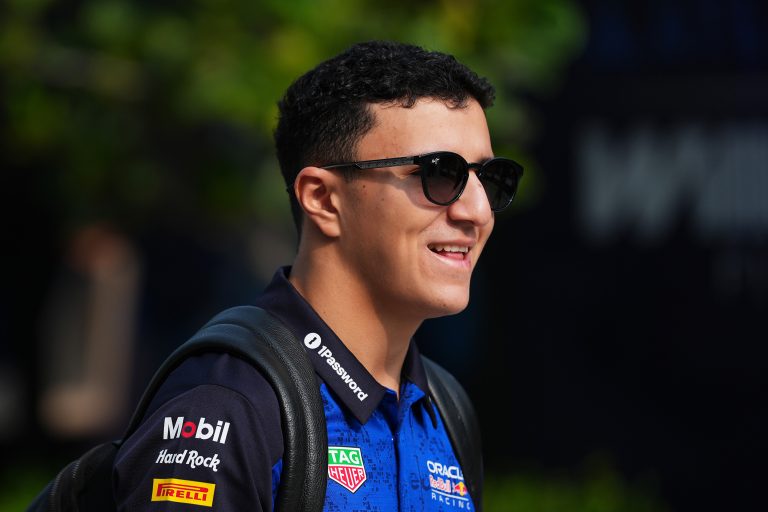
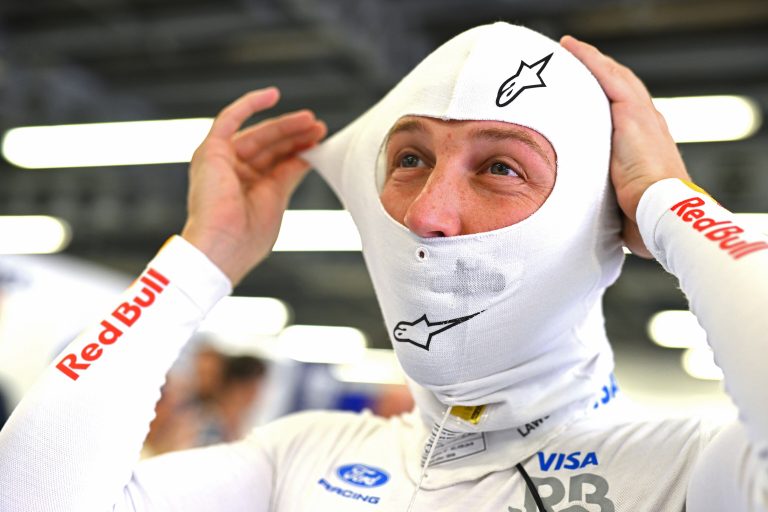
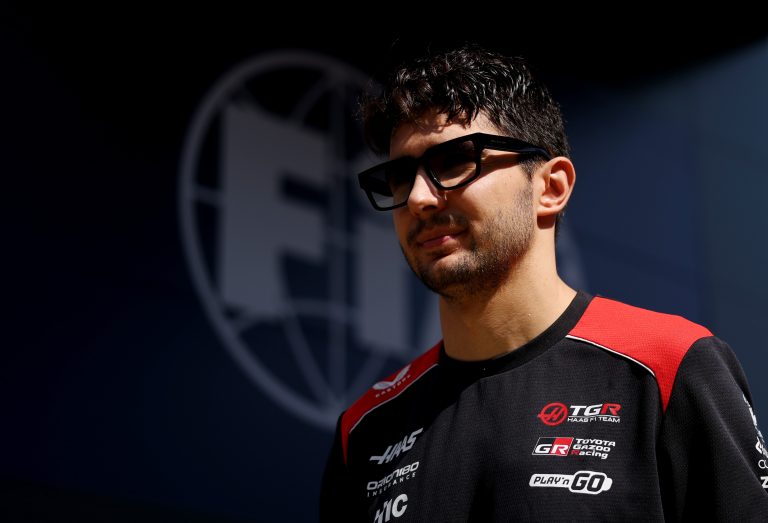
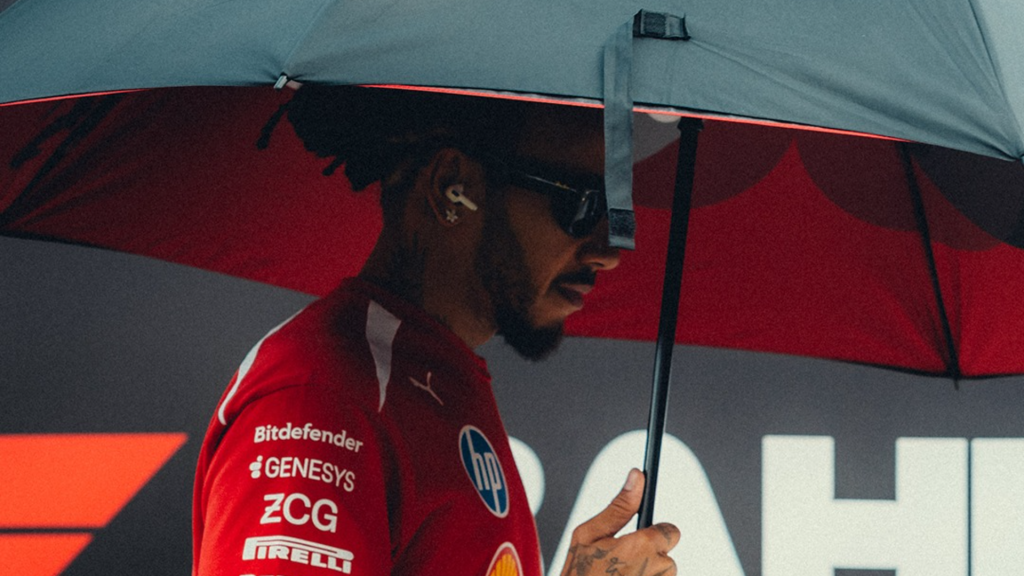
Lewis Hamilton has criticised the younger generation of Formula 1 drivers for becoming increasingly cautious about racing in wet conditions, arguing that experienced competitors are more willing to take on the challenge while younger drivers prefer to wait.
The seven-time world champion made the comments ahead of the Singapore GP, reflecting on the chaotic start of last weekend’s Bahrain GP in Malaysia. Several cars experienced unexpected power losses during the formation lap at Sepang, forcing race control to suspend the start procedure while an emergency software correction was introduced.
The race eventually began 53 minutes late, when the circuit was considerably drier than at the originally scheduled start. Hamilton believes the episode also highlights a broader change in how Formula 1 approaches wet-weather racing, although the software malfunction was a separate technical problem.
Hamilton contrasted the current generation with the drivers who competed during the earlier stages of his career, when teams had greater opportunities to test wet-weather tyres and drivers regularly faced difficult conditions.
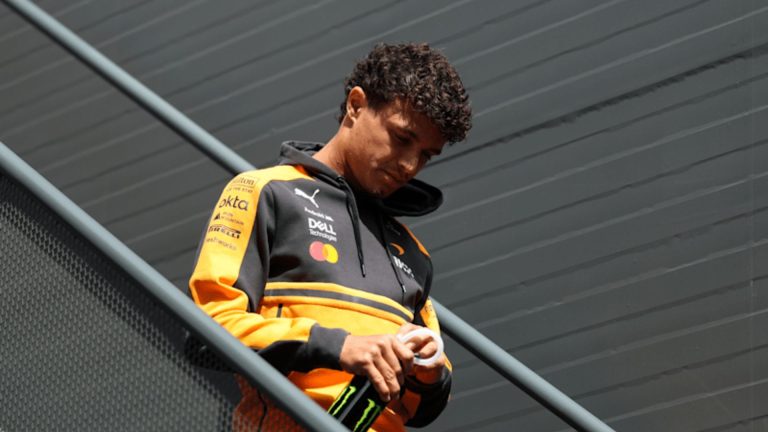
“Wet-weather races aren’t the same as we used to have, for sure,” Hamilton said in Singapore. “I’ve had great races, in 2008 in the rain, and ultimately back then we had more testing and we did have better tyres for the rain. I love wet racing more than anything else. I do think the guys running the show are far more cautious but then again the young drivers coming in are more and more cautious.”
The Ferrari driver believes the FIA receives different opinions from the grid about whether conditions are suitable for racing, with younger competitors generally adopting a more conservative approach.
“Us old-school drivers are like ‘let’s get racing’, and more of the youngsters are like ‘let’s not race’. So they’re (the FIA) getting two different bits of information, and they are super cautious as well. That’s where I’m like ‘let’s get going’. That’s where we really get to test ourselves. Is it more risky? Absolutely.”
Hamilton’s criticism is directed at both the younger generation and Formula 1’s decision-makers, although he explicitly acknowledges that wet-weather racing involves greater risks.
Hamilton says wet racing allows drivers to make the difference
Hamilton’s position reflects his reputation as one of Formula 1’s strongest wet-weather competitors.
His victory at the 2008 British GP remains one of the defining performances of his career. Racing in extremely difficult conditions at Silverstone, Hamilton finished more than a minute ahead of the opposition.
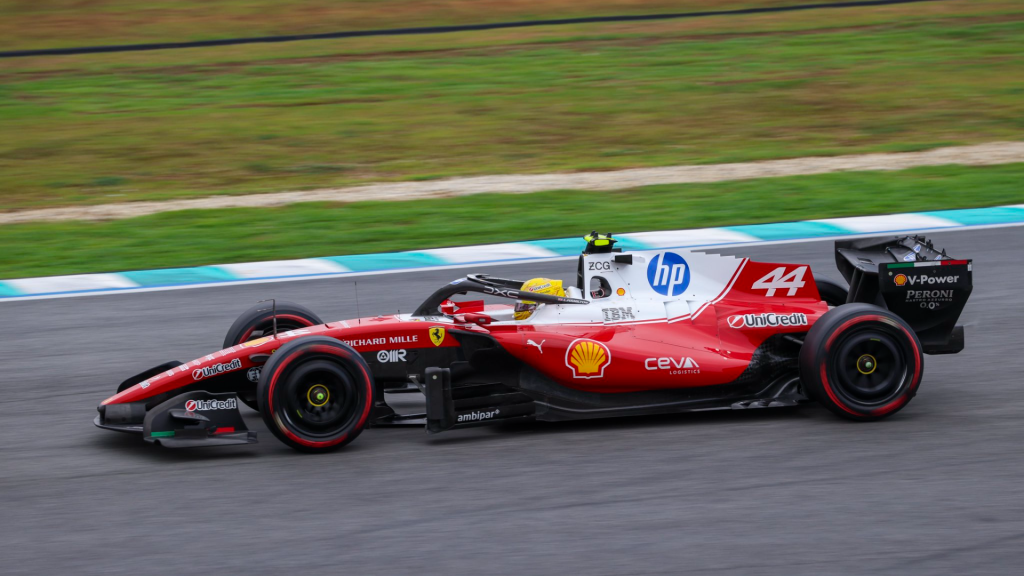
Sepang provided another example of the challenge he enjoys. Ferrari elected to start on slick tyres while the Malaysian circuit remained too wet, dropping Hamilton to 18th during the opening phase. The seven-time champion subsequently recovered through the field and finished third.
Hamilton described the opening laps as particularly difficult because of the limited grip, but insisted that adapting to such conditions is precisely what makes wet-weather racing rewarding.
“When I was out on the slick tyre, it was the trickiest conditions,” Hamilton added. “It was wet, I was on slicks, but I love that challenge. And that’s what racing is, where you have to drive by the seat of the pants, and that’s really where you can make the difference.”
Sepang software failure adds to wet-weather debate
The controversy comes as the FIA completed its investigation into the power-unit problems that disrupted the Malaysian race.
The governing body confirmed on Thursday that a software malfunction caused unexpected power losses when certain cars were running at low engine speeds in sectors where a 250kW reduction had been applied.
The loss of power exceeded the intended limit and could not be recovered while the cars remained in those sectors, forcing officials to interrupt the start procedure.
An emergency configuration was introduced before the race began, and the FIA confirmed that the same solution would remain available in Singapore if similar wet-weather conditions were expected. A further software update is planned before the United States GP on October 25.
The incident has intensified scrutiny of Formula 1’s 2026 power-unit regulations, which require drivers to manage substantially greater electrical energy deployment than under the previous generation of cars.
The Singapore GP takes place from October 9-11, with sprint qualifying on Friday, the sprint on Saturday and the Grand Prix on Sunday.
GRANDE PRÊMIO follows all the latest Formula 1 news throughout the Singapore GP weekend.
F1 today: FAQ
What time is the 2026 Singapore GP?
The Singapore GP starts at 20:00 local time on Sunday, October 11. That is 13:00 in the UK, 08:00 ET in the US and Canada and 17:30 in India. Singapore is a sprint weekend, with sprint qualifying on Friday and the sprint on Saturday.
Why does George Russell have a grid penalty in Singapore?
Russell has exhausted his permitted allocation of four engines after suffering a power-unit failure at Sepang. Mercedes must introduce another unit, triggering a grid penalty for Sunday’s Grand Prix. The penalty does not apply to Saturday’s sprint.
Can Kimi Antonelli win the F1 championship in Singapore?
No. Antonelli leads Russell by 84 points, 320 to 236, but cannot mathematically secure the 2026 title in Singapore. His first opportunity to become world champion comes at the United States GP in Austin.
What did Lewis Hamilton say about younger F1 drivers?
Hamilton criticised younger drivers for becoming increasingly cautious about racing in wet conditions. He believes experienced competitors are more willing to race in the rain, while younger drivers generally prefer waiting for conditions to improve.