News Summary
- Helmut Marko has described Christian Horner’s autobiography as a collection of untruths, rejecting accusations made by his former Red Bull colleague.
- Horner accuses Marko of leaking confidential information, mistreating young drivers and working to secure his dismissal, including during a difficult period in his personal life.
- The dispute intensified after Dietrich Mateschitz’s death in 2022, with both men eventually leaving Red Bull in 2025.
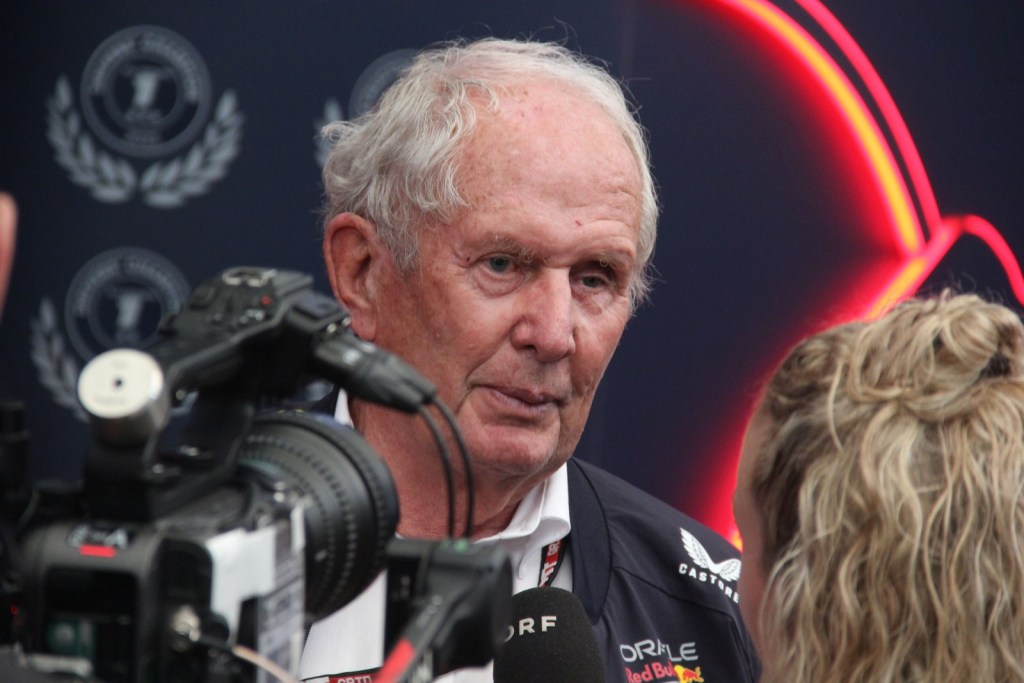
Helmut Marko has launched a public rebuttal of Christian Horner’s autobiography, Drive, describing the former Red Bull team principal’s account as a collection of untruths and refusing to discuss the allegations individually. The response marks another escalation in the dispute between two figures who worked together for two decades during the team’s most successful period in Formula 1.
Horner has used the book, scheduled for release on Thursday, October 22, to revisit his deteriorating relationship with Marko following the death of Red Bull co-founder Dietrich Mateschitz in 2022. The British executive accuses his former colleague of leaking confidential information, being excessively harsh with young drivers and working behind the scenes to remove him from his position.
Marko rejected those claims in an interview with German newspaper Bild, but declined to provide a detailed account of the events.
“The book is a collection of untruths, which I don’t want to discuss in detail,” the 83-year-old Austrian said.
His response leaves the competing versions of Red Bull’s internal conflict unresolved, with Horner continuing to make revelations about the organisation ahead of the book’s publication.
Horner accuses Marko of leaking Red Bull secrets
One of Horner’s central complaints concerns Marko’s handling of confidential information during their years together at Red Bull.
The former team principal claims Marko repeatedly disclosed internal matters to the media, including race strategies and driver-related decisions, creating tensions within the organisation.
Horner also criticises the Austrian’s approach to managing young drivers, arguing that he could be unnecessarily severe with members of Red Bull’s development programme.
Marko played a central role in the company’s junior-driver structure, overseeing the progression of several future Formula 1 race winners and world champions, including Sebastian Vettel and Max Verstappen.
Horner acknowledges that Marko was instrumental in his own appointment as Red Bull team principal in 2005, when the British executive was still in his early thirties.
However, he argues that their relationship changed substantially after Mateschitz’s death, when the internal balance of power within the Red Bull organisation began to shift.
In the book, Horner portrays Marko as increasingly difficult to work with and suggests that disagreements over leadership and decision-making became more frequent.
Marko has not responded separately to the accusations concerning confidential information or the treatment of young drivers.
His general rejection of the autobiography should therefore not be interpreted as a detailed rebuttal of every allegation.
Horner says Marko worked to remove him during personal tragedy
The dispute also includes a deeply personal accusation.
Horner claims Marko was actively working to secure his dismissal during a period when the former team principal was dealing with the death of a former partner, the mother of his daughter.
The British executive said he was particularly hurt by the lack of a personal gesture from someone with whom he had worked for so long.
Horner alleges that Marko did not offer his condolences while continuing efforts to undermine his position within Red Bull.
The former team principal described that behaviour as lacking consideration, adding another dimension to a conflict previously associated mainly with sporting decisions and corporate politics.
Marko has not publicly addressed that specific allegation beyond his broader statement rejecting the book’s claims.
The accusation remains Horner’s account of the events, rather than an independently established description of Marko’s actions or intentions.
Mateschitz’s death changed Red Bull’s internal power balance
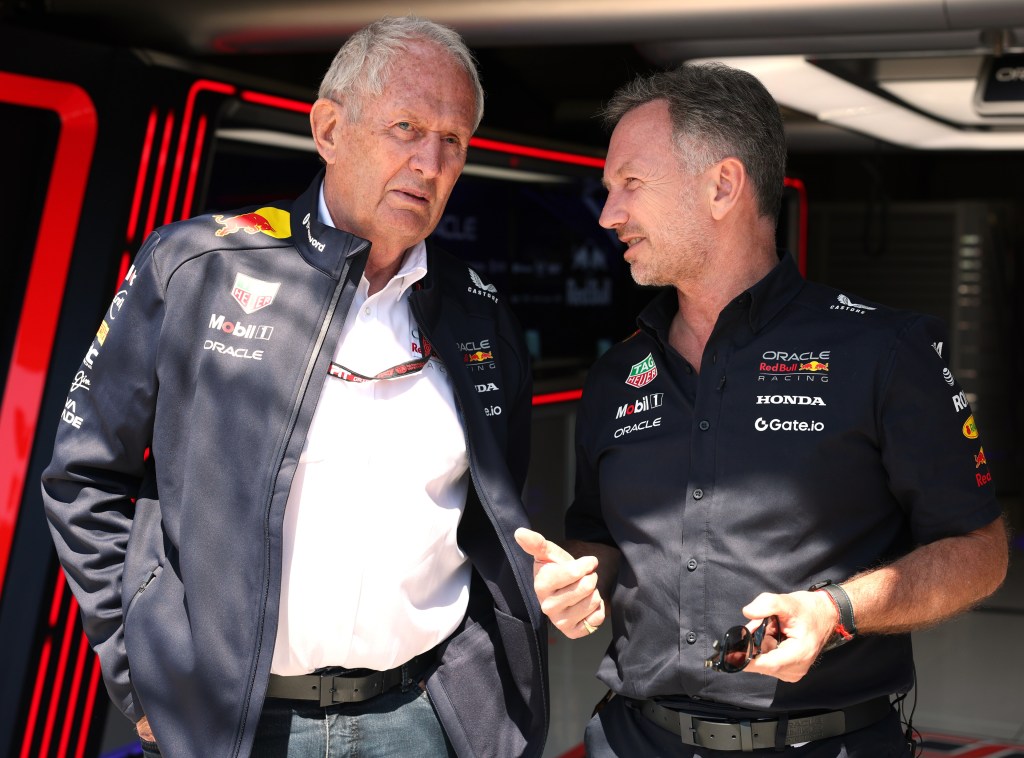
Horner and Marko worked together from Red Bull’s entry into Formula 1 in 2005, helping transform the organisation from a midfield team into one of the championship’s most successful operations.
During their partnership, Red Bull won eight Drivers’ Championships and six Constructors’ Championships, first with Vettel and later with Verstappen.
The organisation’s structure was strongly influenced by Mateschitz, who maintained close relationships with both men and played a decisive role in major strategic decisions.
His death in October 2022 removed that central authority and was followed by growing tensions between different parts of the Red Bull organisation.
Horner remained responsible for the Formula 1 team’s operations in Milton Keynes, while Marko retained considerable influence through the Austrian side of the company and the driver-development programme.
Disagreements over the team’s management, the future of key personnel and the balance of influence between its stakeholders became increasingly public.
The tensions intensified during 2024 and 2025, as Red Bull faced internal controversy and changes to its senior leadership.
Horner was removed as team principal in July 2025, ending his 20-year tenure. Marko also departed the organisation later that year.
Their exits marked the end of the management partnership that had overseen Red Bull’s rise to the front of Formula 1.
Marko previously accused Horner of political manoeuvring
The latest exchange is not the first time Marko has publicly criticised his former colleague.
Following his departure from Red Bull in December 2025, the Austrian accused Horner of engaging in internal political manoeuvring and attempting to strengthen his relationship with Chalerm Yoovidhya, a major shareholder in the Red Bull group.
Marko suggested that Horner had sought greater influence within the organisation at the expense of its Austrian leadership.
Horner has presented a different account of the same period, arguing that his former colleague became increasingly difficult to work with after Mateschitz’s death.
Neither side has provided a complete independently verified account of the internal discussions that preceded their departures.
The latest comments therefore represent another exchange in a continuing disagreement over responsibility for the breakdown of Red Bull’s former management structure.
Horner’s book reveals secret Hamilton and Mercedes negotiations
Marko’s criticism comes as Horner continues revealing previously undisclosed episodes from his Formula 1 career.
One of the most striking involves Lewis Hamilton, who explored joining Red Bull before leaving McLaren for Mercedes in 2013.
Horner claims the British driver attended a private meeting at Adrian Newey’s home in 2012 to discuss the possibility of becoming Vettel’s teammate.
The proposed partnership never materialised, partly because of concerns over the impact Hamilton’s arrival could have on Red Bull’s existing driver structure.
Horner also revealed that Niki Lauda later offered him the opportunity to lead Mercedes before Toto Wolff joined the team.
The former Red Bull boss rejected the proposal, citing his loyalty to Mateschitz and the organisation he had helped establish.
Horner’s decision to reject Mercedes before the Wolff era has become another major revelation from the autobiography.
The book also revisits Red Bull’s technical development during Verstappen’s championship-winning years.
Horner recently claimed that Verstappen initially disliked the handling of Red Bull’s 2022 car, before the team’s development direction increasingly suited the Dutchman’s preferences.
Horner and Marko dispute reaches book’s release date
The autobiography is scheduled for release on October 22, the fourth anniversary of Mateschitz’s death.
According to Bild, the choice of date has caused discomfort among some figures associated with Red Bull, who reportedly regard it as provocative rather than commemorative.
Horner has presented the book as a tribute to his career and to the people who contributed to Red Bull’s success.
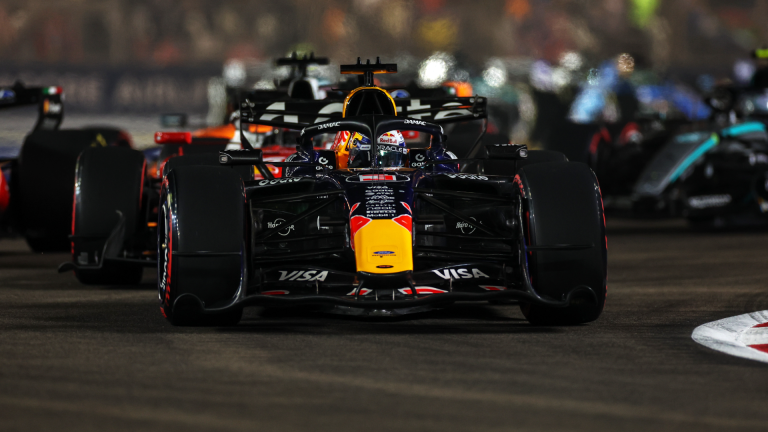
The dispute arrives while the Formula 1 team is preparing for the United States Grand Prix, where Verstappen will attempt to secure another victory following his recent successes in Malaysia and Singapore.
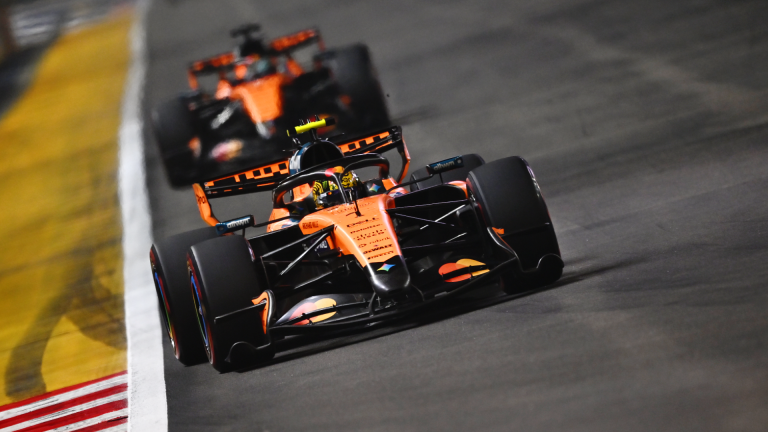
Red Bull is also fighting McLaren for third place in the Constructors’ Championship, having reduced a previous 83-point deficit to just seven.
McLaren’s shrinking advantage over Red Bull has intensified the battle for third, although the current sporting contest is being managed by a different Red Bull leadership structure.
Marko’s comments are his clearest public response so far to the accusations contained in Drive. He has not indicated whether he intends to provide a more detailed account after the book’s release.