News Summary
- Andrea Stella called for changes to FIA procedures following the decision to restore Pierre Gasly’s third-place finish from the Monaco Grand Prix.
- The McLaren boss highlighted the working conditions of stewards, the criteria for accepting a right of review and consistency in measurement methods.
- Gasly had initially been dropped from third to seventh after exceeding the 60 km/h pit-lane speed limit, but the penalty was later restored following Red Bull and McLaren’s appeal.
Ahead of the Italian Grand Prix last weekend, the Fédération Internationale de l’Automobile (FIA) surprised the Formula 1 paddock by announcing that Pierre Gasly had lost his Monaco GP podium, held in June. Although the governing body ultimately accepted appeals from Red Bull and McLaren and reinstated the original penalty, McLaren team principal Andrea Stella believes there are still several aspects of the process that need to be reviewed.
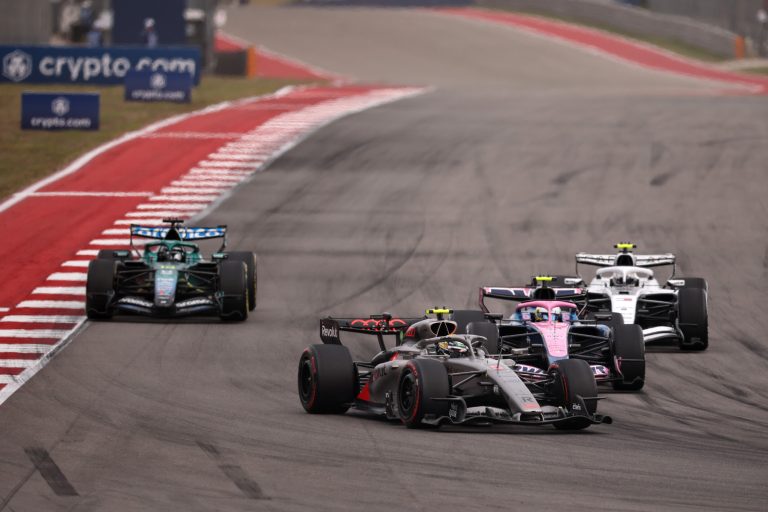
Gasly, along with Lewis Hamilton, George Russell, Franco Colapinto and Oscar Piastri, was penalised in Monaco for exceeding the FIA’s 60 km/h pit-lane speed limit. The Alpine driver originally finished third, but the penalty dropped him to seventh and promoted Isack Hadjar to the podium.
Alpine subsequently requested a right of review, and the analysis found that the length of the pit-lane section used for the calculation had been measured incorrectly by the timing official. The average speed had been calculated using the relationship between speed, distance and time rather than by considering a single measurement point at either the entrance or exit.
The FIA stewards accepted the review and removed Gasly’s penalty, allowing the Frenchman to regain his podium. Mercedes was among the teams to publicly express frustration with the decision, as Russell was affected by the confusion surrounding the penalties, although the team ultimately chose not to pursue the matter.
Red Bull and McLaren, however, appealed the decision, filing their requests on June 16.
After a hearing on August 25 to discuss the appeals from Red Bull and McLaren, the governing body confirmed that Gasly’s penalty would be reinstated. Even so, Stella believes the process exposed areas where the FIA can improve its procedures.
“In the statement, it is highlighted that this was a case that can have a positive outcome because it will encourage a review of some of the ways in which the regulations are applied. I think there are a few points,” Stella said, highlighting the role of the stewards and the need to give them the “best possible conditions” to do their jobs.

“First of all, the stewards have a difficult job. They need to make decisions within a limited amount of time. As competitors, we know what it means when time is a variable and when the pressure increases. It is no different for the stewards. So I think there is a point related to the stewards’ decisions and the work they do. In fact, we have discussed this with the FIA before and we have always strongly supported the idea of giving the stewards the best possible conditions to succeed in their work,” the McLaren boss explained.
Stella also questioned the right-of-review process requested by Alpine and whether it should have been accepted and pursued by the FIA in this particular case.
The McLaren principal identified a third issue involving measurement methods in Formula 1, from pit-lane speed to car weight. In his view, greater clarity is needed when it comes to the methodology used for these measurements.
“The second topic is, in my view, the right of review. We need to consider the conditions under which a right of review should be accepted and pursued, and when that should not be the case,” Stella continued.
“And there is a third point, which is also very well described in the 29 pages of the decision, related to consistency in applying a methodology used to make measurements. There are many things we measure. Just as we measure pit-lane speed, we use scales to measure the weight of the cars. So there are many measurements being carried out, and I think there is an interesting question around the consistency of this type of measurement.
“For me, these are the three things that I would suggest should be reviewed,” Stella concluded.
The FIA’s decision ultimately restored Hadjar to third place in Monaco, while Gasly returned to seventh in the official classification. The case has nevertheless raised broader questions within the paddock about how regulations are measured, interpreted and reviewed after a race.
Formula 1 returns this weekend, September 11-13, with the Spanish Grand Prix at the new Madrid street circuit. GRANDE PRÊMIO will cover all the action from the 14th round of the 2026 season.
FAQ
Why was Pierre Gasly’s Monaco GP penalty reviewed?
Alpine requested a right of review after Gasly was penalised for exceeding the 60 km/h pit-lane speed limit. The subsequent analysis found that the pit-lane section used in the speed calculation had been measured incorrectly.
Why did Pierre Gasly lose his Monaco podium again?
Although the FIA initially accepted the review and removed Gasly’s penalty, Red Bull and McLaren appealed that decision. Following a hearing on August 25, the governing body confirmed that the original penalty would be reinstated, returning Isack Hadjar to third place.