News Summary
- Red Bull technical director Pierre Waché says almost nothing from the RB22 is expected to carry over to the 2027 car, the RB23.
- The team has identified opportunities to improve packaging, aerodynamics and mechanical design, with a different gearbox and chassis also planned.
- Despite the pressure imposed by Formula 1’s budget cap, Red Bull wants to develop numerous new components as it looks to build on its recent recovery.
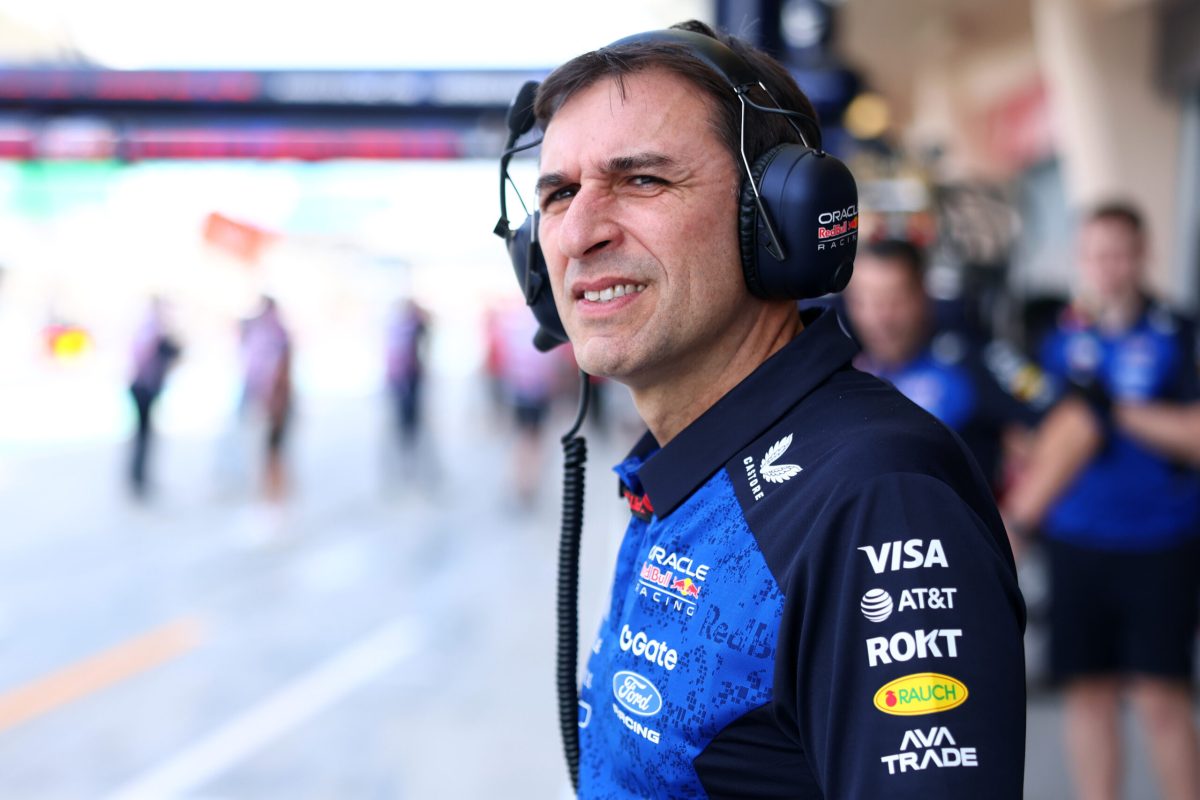
Red Bull is planning a major overhaul of its Formula 1 car for the 2027 season, with technical director Pierre Waché revealing that the team expects to transfer very few components from its current challenger, the RB22, to its successor, the RB23.
In an exclusive interview with RacingNews365, Waché explained that the team has identified several areas where changes could deliver further performance gains. The plans cover packaging, aerodynamics and mechanical design, with the gearbox and chassis also set to be different.
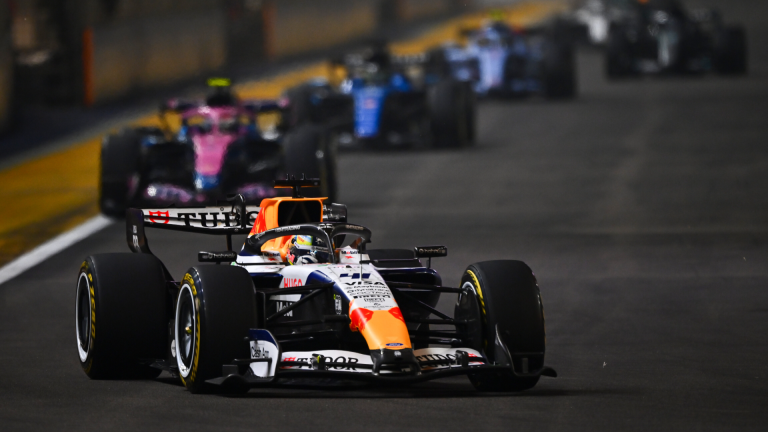
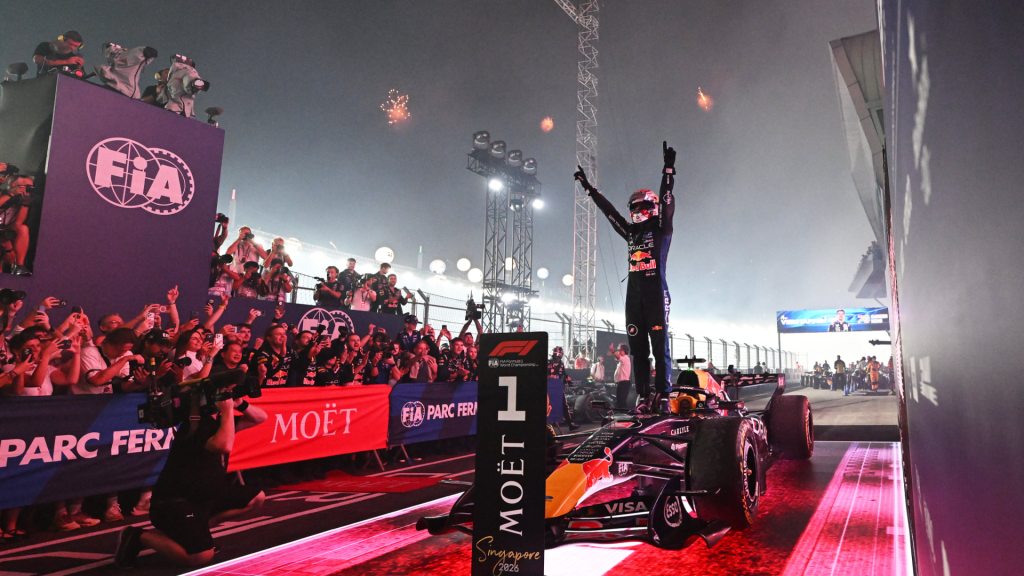
The strategy comes as Red Bull looks to carry the momentum from its recent improvement into the next championship. After struggling for performance at the beginning of 2026, the team made progress with its development programme and secured victories with Max Verstappen in Malaysia and Singapore.

Red Bull expects little to carry over to 2027
Asked how much of the RB22 would be retained for the RB23, Waché indicated that the amount would be minimal, despite the work invested in improving the current car.
“Close to nothing” will transfer to the 2027 challenger, the Frenchman explained, pointing to the limitations identified in the existing design and the opportunities to improve several areas.
“There are some modifications to the regulations, and we have plenty of limitations on the car — and I’m sure others have different limitations,” Waché said.
The technical director highlighted packaging, aerodynamics and mechanical design as areas where Red Bull believes it can make progress. The gearbox and chassis will also be different, underlining the scale of the planned changes.
The approach does not mean that the team intends to discard every lesson learned with the RB22. Instead, Red Bull wants to use its experience with the current car to identify weaknesses and develop solutions that can deliver a more competitive package in 2027.
Budget cap presents a challenge
Developing numerous new components also creates a financial challenge under Formula 1’s budget cap. Reusing existing parts can help teams manage their resources, whereas designing and producing new components adds pressure to their spending limits.
Waché acknowledged the difficulty but indicated that Red Bull still intends to prioritise new parts where it believes improvements are possible.
“It is not good for the budget cap, but we try to make plenty of new parts on the car,” he said.
The team must therefore balance its ambitions for the RB23 against the resources available for development. Identifying which components offer the greatest potential gains will be important to ensuring that the overhaul translates into performance on track.
Red Bull looks to build on 2026 recovery
Red Bull’s plans follow a turnaround during the current campaign. An upgrade introduced at the Azerbaijan Grand Prix helped unlock more performance from the RB22, with Verstappen subsequently winning in Malaysia and Singapore.
The results have given the team a stronger foundation for its next project, although the improvements do not remove the need to address the limitations of the current car.
Red Bull has already shifted the majority of its development resources towards 2027, with team principal Laurent Mekies previously confirming that the upgrade package introduced in Azerbaijan would be the team’s last major update of the 2026 season.
The remaining races are consequently an opportunity to gather information and better understand the car’s behaviour across different circuits. That knowledge can inform decisions for the RB23, even as the team works on a substantially revised design.
With the 2027 project already under way, Red Bull’s objective is to turn the progress made during 2026 into a more competitive starting point for next season. The extent to which the planned changes deliver the expected gains, however, will only become clear once the new car reaches the track.