News Summary
- Red Bull improved its Ford-backed power unit through calibration and energy-management work, rather than a new homologated engine specification.
- Technical director Ben Hodgkinson acknowledged that delayed development decisions limited the team’s preparation before the start of the season.
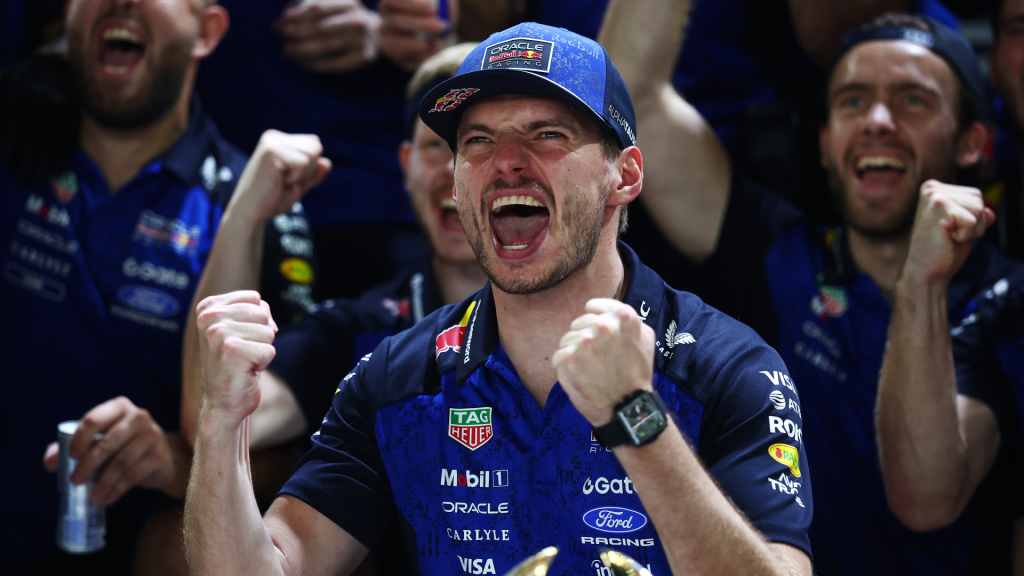
- The progress has helped Red Bull’s recovery, with Max Verstappen winning consecutive Grands Prix in Malaysia and Singapore.
Red Bull’s Formula 1 engine has become more competitive during the 2026 season without receiving new homologated hardware, according to technical director Ben Hodgkinson, who has revealed how calibration improvements helped unlock more of the power unit’s existing potential.
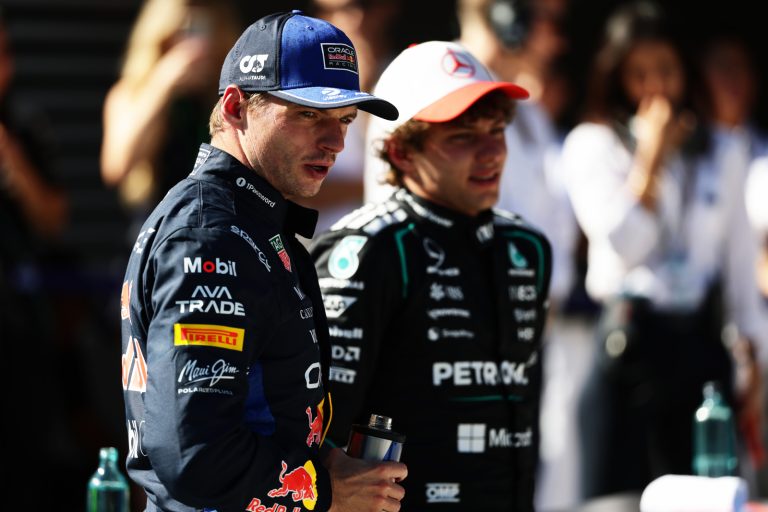
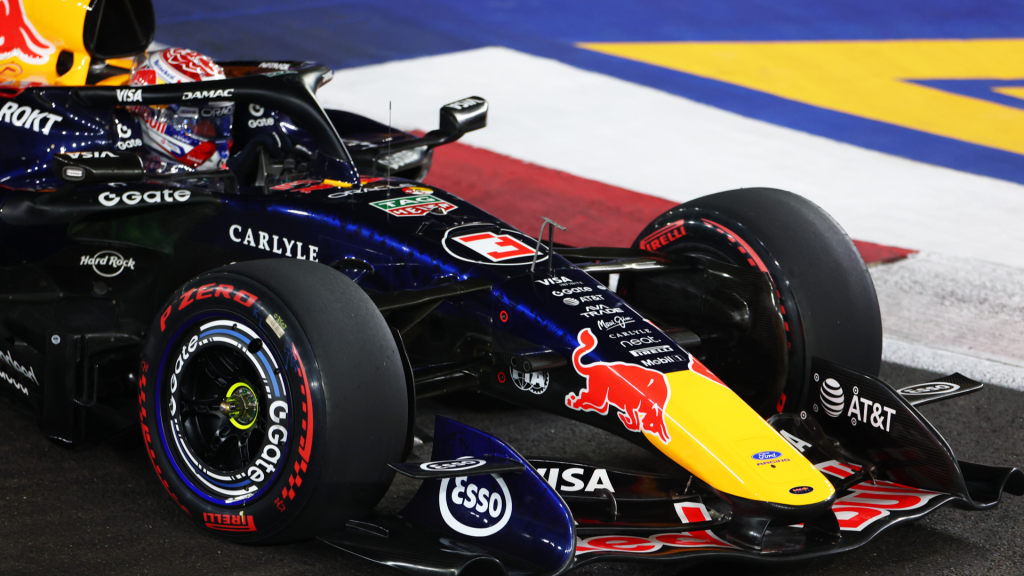
The Ford-backed engine programme has played an important role in Red Bull’s recent return to winning form, with Max Verstappen taking consecutive victories at Sepang and Singapore as the team recovered from its earlier difficulties.
Speaking in an interview published by The Race on Thursday (October 15), Hodgkinson explained that the progress came largely from refining the interaction between the internal-combustion engine, electrical systems and the car’s overall operating characteristics.
Rather than introducing a fundamentally different engine, Red Bull concentrated on extracting more consistent performance from the architecture already homologated for the 2026 season.
The developments are especially relevant because the FIA’s Additional Development and Upgrade Opportunities (ADUO) system has restricted Red Bull’s ability to introduce performance-related hardware changes.
Why Red Bull improved without introducing a new F1 engine
The 2026 Formula 1 regulations place greater emphasis on electrical energy deployment, making power-unit calibration a central element of overall performance.
Engineers must manage the interaction between combustion-engine output, energy recovery and electrical deployment while balancing performance, fuel consumption and reliability.
Hodgkinson acknowledged that Red Bull’s original development programme left insufficient time to optimise every aspect of the power unit before the opening races.
Work on the combustion system continued longer than planned, reducing the time available for refining operating maps and understanding how the engine behaved under different conditions.
That created opportunities for improvement once the season began.
Working with technical partners, including ExxonMobil, Red Bull continued refining calibration strategies to improve how effectively the power unit delivered performance across different circuits and operating conditions.
The important distinction is that calibration improvements do not necessarily require a new engine specification.
Software and operating strategies can be refined to make better use of the available hardware, particularly when teams are still learning how to optimise an entirely new power-unit architecture.
Red Bull’s experience illustrates how much performance can remain available even after the main components have been homologated.
How the FIA’s ADUO rules affected Red Bull
Under Formula 1’s 2026 engine regulations, the FIA introduced the Additional Development and Upgrade Opportunities mechanism to help manufacturers whose internal-combustion engines fall sufficiently far behind the benchmark.
The system is intended to prevent major competitive disparities from becoming entrenched during the regulation cycle.
However, Red Bull was classified as the leading manufacturer in the FIA’s combustion-engine assessment, preventing it from receiving the additional development opportunities available to manufacturers judged to be further behind.
The situation created an unusual contrast: Red Bull believed it still faced performance disadvantages against some rivals, while the FIA’s assessment placed its engine at the top of the relevant ranking.
As a result, Red Bull had to concentrate on improving performance within the existing homologated specification rather than relying on an ADUO-related hardware development programme.
That distinction also helps explain why Hodgkinson considers the manufacturer’s progress significant. Red Bull’s recent improvements have come from understanding the existing power unit more effectively, not from introducing a completely new combustion engine.
Verstappen’s victories underline Red Bull’s development progress
The results have become more visible as Red Bull’s chassis and power-unit performance have developed together.
Verstappen won the Malaysian Grand Prix at Sepang before dominating the Singapore weekend, strengthening Red Bull’s recovery after a difficult opening phase of the championship.
However, the team’s improvement cannot be attributed exclusively to the engine.
Aerodynamic development, changes to the car’s balance and improved integration between the chassis and power unit have also contributed to its stronger performance.
That makes Red Bull’s recent progress a combination of several development areas rather than the result of a single breakthrough.
Hodgkinson’s explanation nevertheless provides an important insight into the team’s competitive recovery: the original engine design still contained performance potential that had not been fully exploited earlier in the season.
With Red Bull continuing to refine its understanding of the 2026 power unit, the manufacturer’s development work will also influence its preparations for the 2027 Formula 1 championship.