News Summary
- McLaren team principal Andrea Stella identified three technical factors that compromised the MCL40’s performance in Las Vegas.
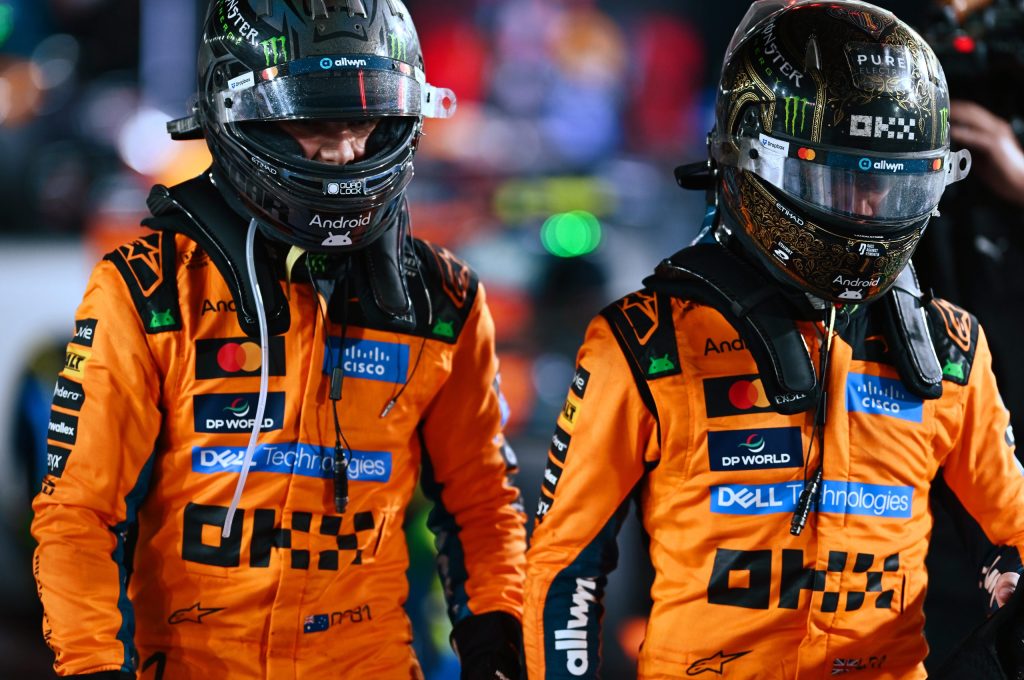
- Norris recovered to second after dropping outside the top ten, while Australian Oscar Piastri climbed from 17th to third.
- Stella believes the drivers and engineers compensated for limitations that could otherwise have prevented McLaren from fighting for the podium.
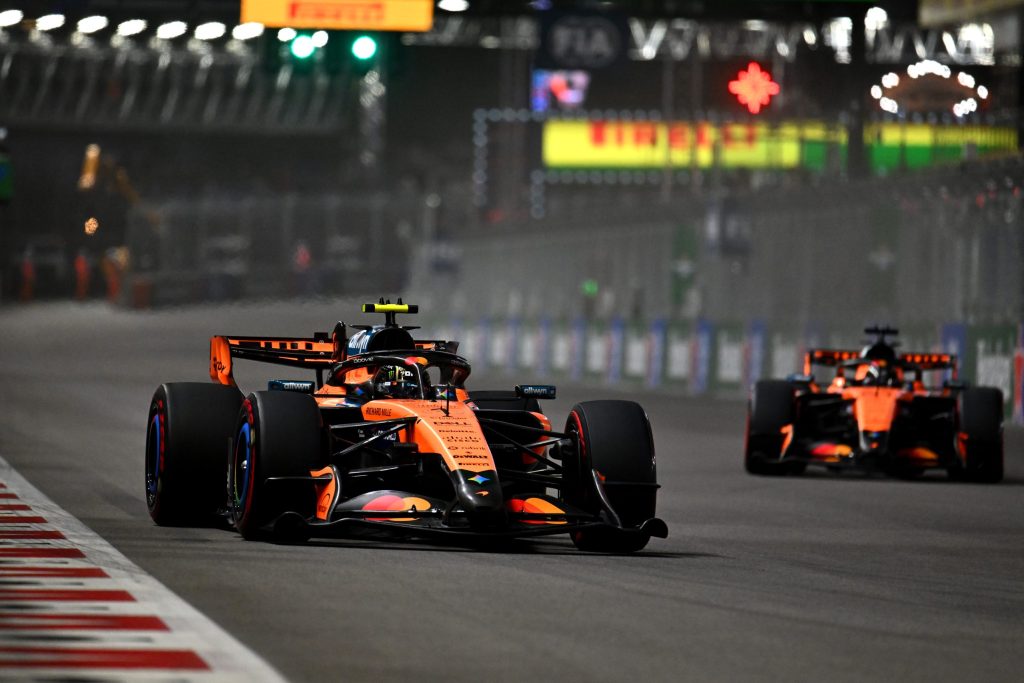
McLaren team principal Andrea Stella has explained how Oscar Piastri and Lando Norris overcame three significant technical weaknesses to secure second and third places at the Las Vegas Grand Prix.
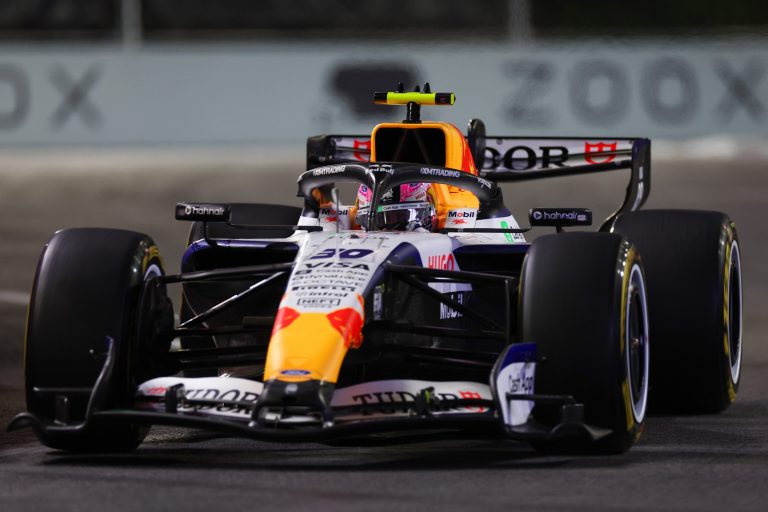
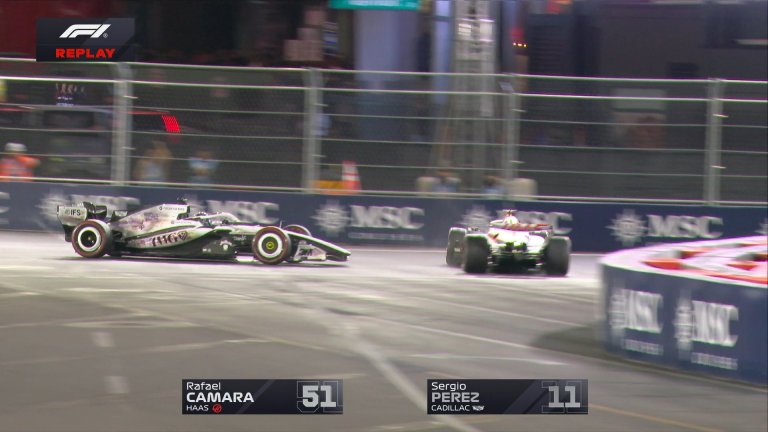
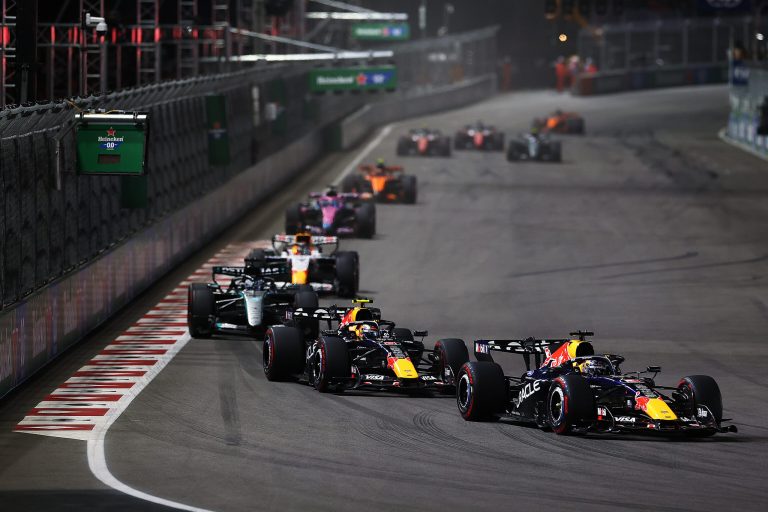
The team initially appeared incapable of challenging Red Bull and Mercedes, with Norris struggling for position and Piastri starting 17th because of a power-unit grid penalty.
But both drivers recovered to finish on the podium, giving McLaren its strongest collective result in several months.
Stella believes the performance was especially impressive because McLaren’s drivers achieved results substantially better than the car’s inherent potential suggested.
The Italian identified aerodynamic drag, gearbox ratios and electrical energy deployment as the decisive technical challenges.
Excessive drag left McLaren vulnerable on straights
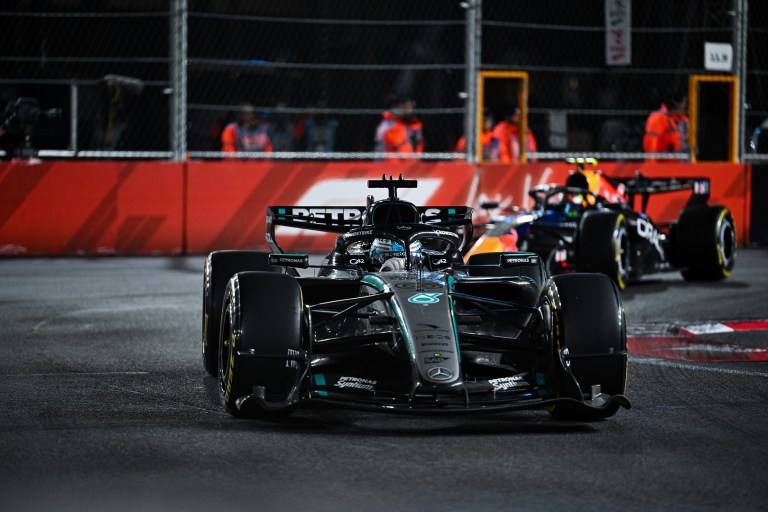
Stella explained that the MCL40 was carrying more aerodynamic drag than its rivals.
That was particularly costly at Las Vegas, a circuit with long straights where reducing resistance is essential to maintaining competitive top speed.
“One factor is the car didn’t have inherently enough top speed, which has nothing to do with the power unit,” Stella said in comments published by Formula 1.
“There was simply too much aerodynamic drag.”
The team principal emphasised that the problem was not caused by Mercedes High Performance Powertrains, which also supplies the championship-winning Mercedes team.
Instead, McLaren’s aerodynamic configuration was limiting straight-line performance.
The consequence was that both drivers had to find alternative ways to recover or defend positions.
Eighth-gear ratio created another problem
The second limitation concerned the MCL40’s eighth gear.
According to Stella, McLaren had selected a ratio that was too short for the circuit’s demands.
“The second factor is that we pay the price of having the eighth gear too short,” he explained.
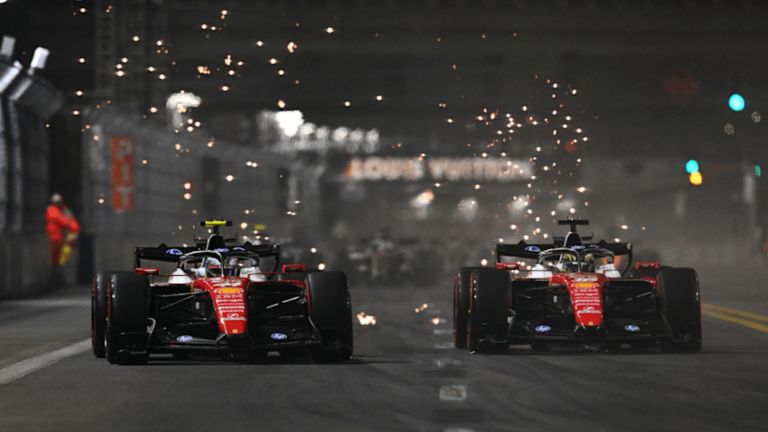
The problem was particularly significant when the cars were following another competitor.
In that situation, the engine could reach excessively high revolutions, reducing the available power at the precise moment the driver was attempting an overtake.
The issue complicated the benefits normally available through slipstreaming.
As a result, McLaren’s drivers sometimes had to remain behind other cars instead of immediately attempting to pass.
Engineers find a solution through energy management
The third factor involved electrical energy deployment.
Stella praised the engineers for identifying the differences between Norris’ early difficulties and Piastri’s stronger progress through the field.
The team adjusted its approach to power-unit deployment and worked closely with both drivers to improve their use of the available systems.
That allowed McLaren to extract more competitive performance during the race.
Stella believes the combination of technical decisions and driver adaptation transformed the outcome.
“In terms of drivers, let me say that I think for both Oscar and Lando this is one of their best races,” he said.
The team principal added that the result was remarkable considering the relationship between the performance available from the car and the positions achieved.
Piastri shows progress after difficult season
Stella was particularly encouraged by Piastri’s performance.
The Australian has endured a challenging campaign, but the team believes his recent work with engineers has improved his understanding of the MCL40.
Stella also pointed to progress during the São Paulo Grand Prix, where traffic prevented Piastri’s pace from producing a stronger result.
In Las Vegas, the improvement became clearer.
Piastri demonstrated confidence in low-grip conditions and used the available energy more effectively.
Stella described the Australian’s racing ability and concentration as important strengths that became more visible as his relationship with the car improved.
The result also reinforced the importance of the 14-place recovery that took Piastri from 17th to third.
McLaren closes gap to Red Bull
The double podium has important championship consequences.
Red Bull has 440 points, with McLaren only nine behind on 431.
With Qatar and Abu Dhabi remaining, the battle for third in the Constructors’ Championship remains open.
McLaren’s ability to recover in Las Vegas may therefore prove crucial in the final standings.
Stella’s analysis also illustrates how modern F1 performance depends not only on aerodynamic development, but on the coordination of engine deployment, gearing and driver decisions.
The MCL40 did not become a fundamentally faster car during the race. McLaren simply found more effective ways to use the performance available.
GRANDE PRÊMIO is following every session of the 2026 championship, with full coverage of Formula 1.
FAQ
What problems did McLaren face in Las Vegas?
Andrea Stella identified excessive drag, a short eighth-gear ratio and difficulties optimising electrical energy deployment.
Where did Piastri and Norris finish?
Norris finished second and Piastri third, giving McLaren a double podium.
How far is McLaren behind Red Bull?
McLaren trails Red Bull by nine points in the Constructors’ Championship after Las Vegas.