Key Takeaways:
- End of an Era: London hosts the final race weekend of the Gen3 car, alongside Lucas Di Grassi’s retirement and the series’ farewell to the ExCeL Arena before shifting to Brands Hatch.
- Pack-Racing Revolution: The agile, low-drag Gen3 design shifted Formula E strategies toward intense pack racing, where slipstream management and energy saving became crucial tactics.
- Gen3 Evo Advancement: The mid-cycle introduction of the Gen3 Evo in 2024/25 added all-wheel drive and improved traction, transforming Attack Mode dynamics before handing over to the Gen4 era in 2026/27.
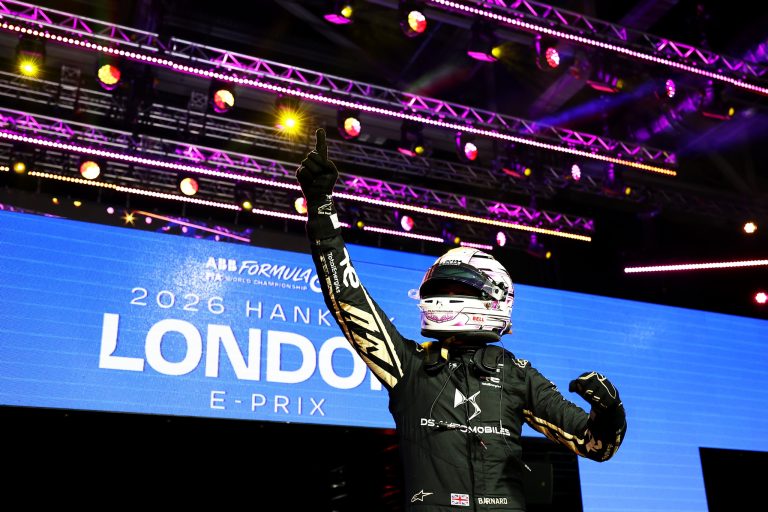
The Formula E season finale in London this weekend represents a series of major farewells. Beyond Lucas Di Grassi’s retirement from the series and the final visits to the iconic ExCeL Arena, the championship bids farewell to the race car that reshaped its sporting identity. Four years after a debut that initially raised questions about the series’ trajectory, the Gen3 era concludes with a clear sense of mission accomplished.
The core concept behind the Gen3 machine was not solely focused on raw speed or technological advancement, but also on defining Formula E’s sporting direction. Rather than relying on entertainment gimmicks like FanBoost, the category opted for pure sporting competitiveness and strategic unpredictability.
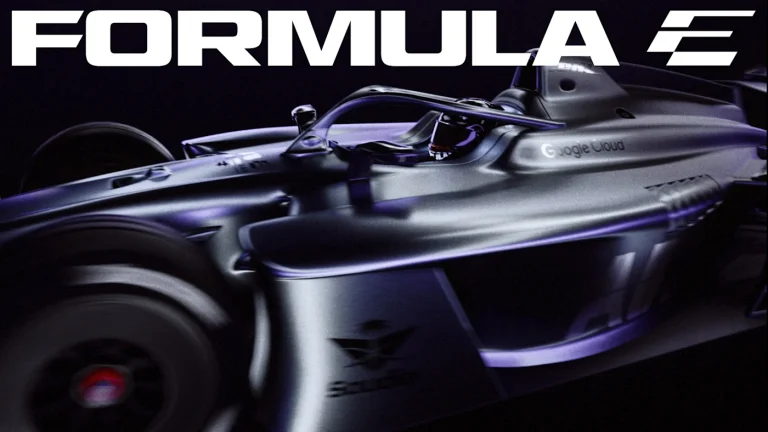
The arrival of the new chassis brought a clean break from the past. Replacing the heavy Gen2 cars—which favored wheel-to-wheel contact and physical street-circuit battles—the lighter, agile Gen3 chassis featured open wheels and exposed suspension, signaling that contact would carry a much higher penalty.
Beyond aesthetics, the car introduced a completely new style of competition: high-speed pack racing.
More efficient and aerodynamically simple than its predecessor, the Gen3 required precise energy management. On energy-sensitive circuits, leading early meant punching through the air and consuming significantly more power than chasing cars benefiting from the slipstream. Similar to fuel and tire management in Formula 1, IndyCar, or the WEC, energy saving became a high-stakes chess match played out at high speeds.

The resulting action delivered dramatic races, seasons with every team securing podium finishes, unexpected winners, and championship battles that routinely went down to the final weekend. Margins became so thin that strategic executions yielded remarkable results—such as Lucas Di Grassi’s surprise victory in Shanghai driving for the Lola Yamaha outfit.
Evolution to Gen3 Evo and the Road to Gen4
Throughout the Gen3 cycle, technical refinements continued to enhance the racing product. While the Gen2 car struggled to efficiently transfer its power to the track—making Attack Mode activations difficult to maximize—the Gen3 platform progressively solved these traction limitations.
The launch of the Gen3 Evo for the 2024/25 season elevated the technology further. Featuring subtle bodywork revisions, quicker acceleration, and the crucial addition of all-wheel drive, the Evo upgrade transformed Attack Mode. The front-powertrain engagement allowed drivers to utilize 350 kW of power with enhanced grip, delivering a significant performance boost during race conditions.

The Gen3 era proved pivotal in stabilizing Formula E’s long-term future. Following calendar disruptions and manufacturer exits during the pandemic, the delayed launch of the Gen3 platform initially faced technical hurdles and teething issues. However, within a few rounds, the car established a reliable racing format that drove increased viewership and attracted new commercial partners and manufacturers.
From early dominance by customer squads like Andretti and Envision to the championship battles between factory giants Porsche and Jaguar, the Gen3 era arrives in London having set a strong foundation. As the paddock prepares for the transition to the Gen4 regulations in 2026/27, Formula E closes this chapter with its sporting credibility fully established.
Frequently Asked Questions (FAQ)
When will the Gen4 car debut in Formula E?
The Gen4 car will make its official competitive debut at the start of the 2026/27 Formula E season.
What made the Gen3 Evo different from the standard Gen3 Formula E car?
The Gen3 Evo introduced all-wheel-drive capability during Attack Mode and qualifying, updated bodywork for improved durability, and faster 0–60 mph acceleration times compared to the base Gen3 model.