Key takeaways
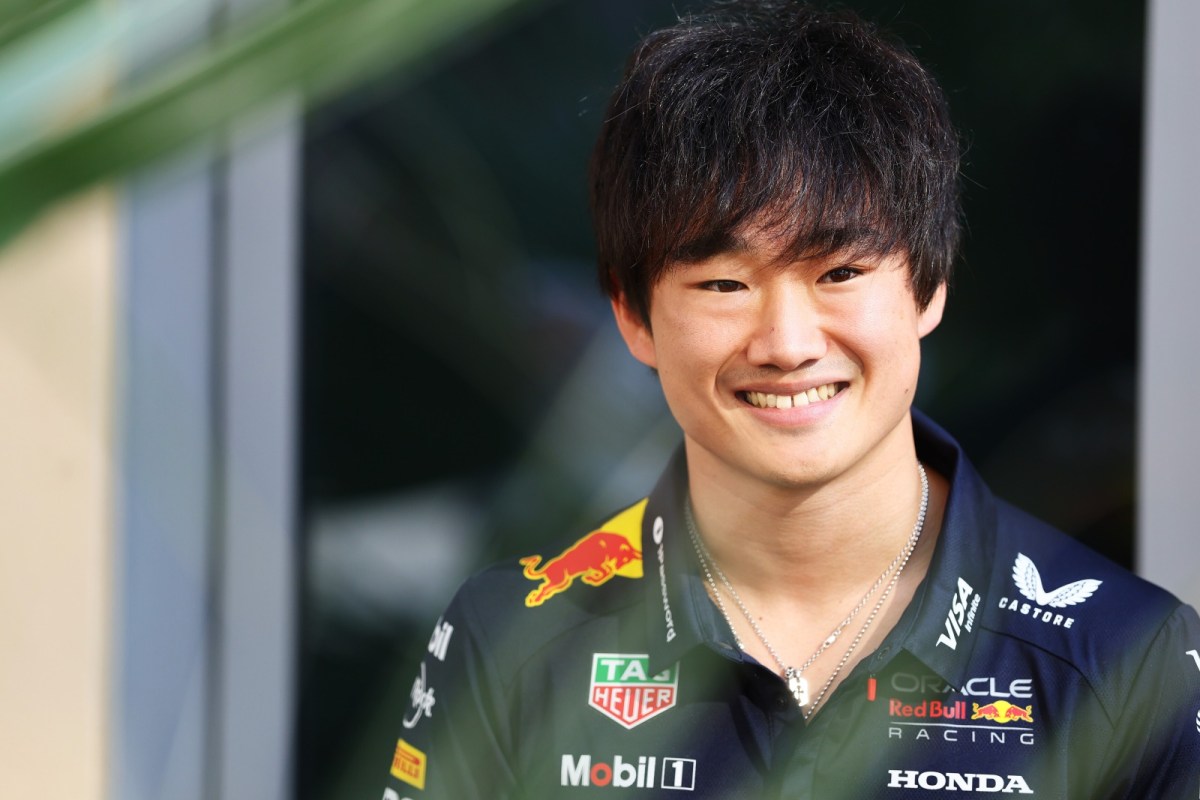
- Secondary priority: Yuki Tsunoda admitted that moving to IndyCar remains a “Plan B” as he continues to evaluate his Formula 1 options for 2027 while filling in for Liam Lawson at Racing Bulls.
- Sponsorship hurdle: Meyer Shank Racing is seeking substantial driver-backed sponsorship — up to $15 million — for its vacant #66 entry, a high financial barrier that has stalled discussions with several drivers.
- Timing clash: IndyCar’s driver market operates on a much earlier timeline than F1, meaning open seats in North America are filling up before European paddock moves are finalized.
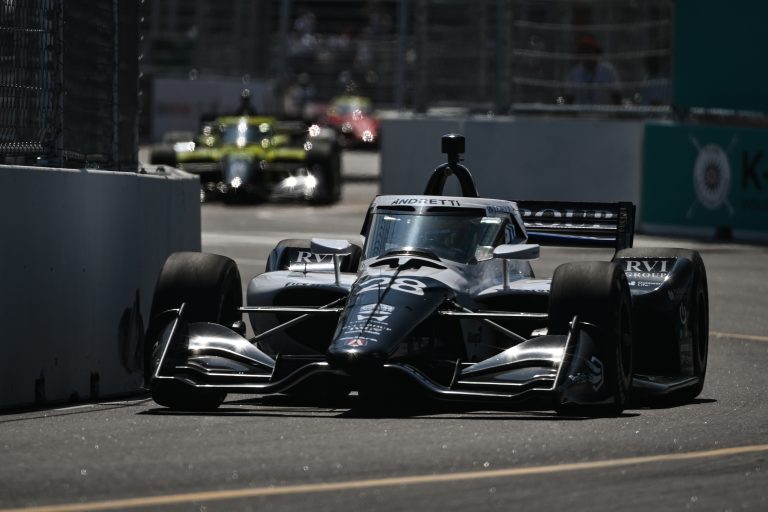
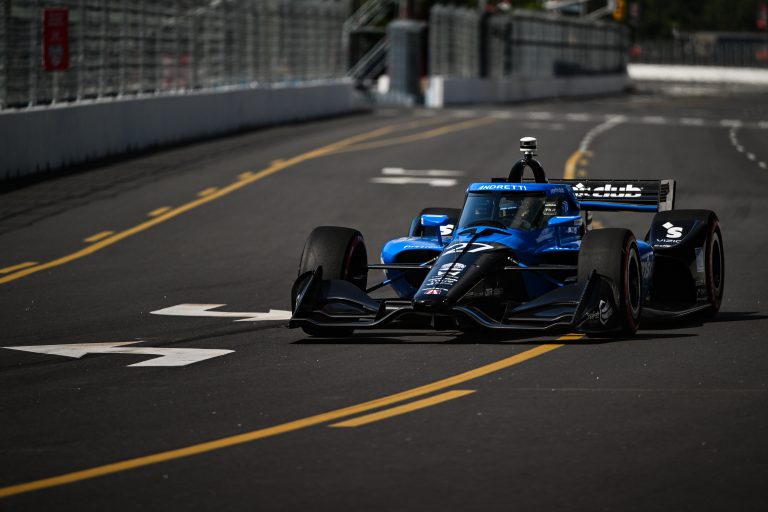
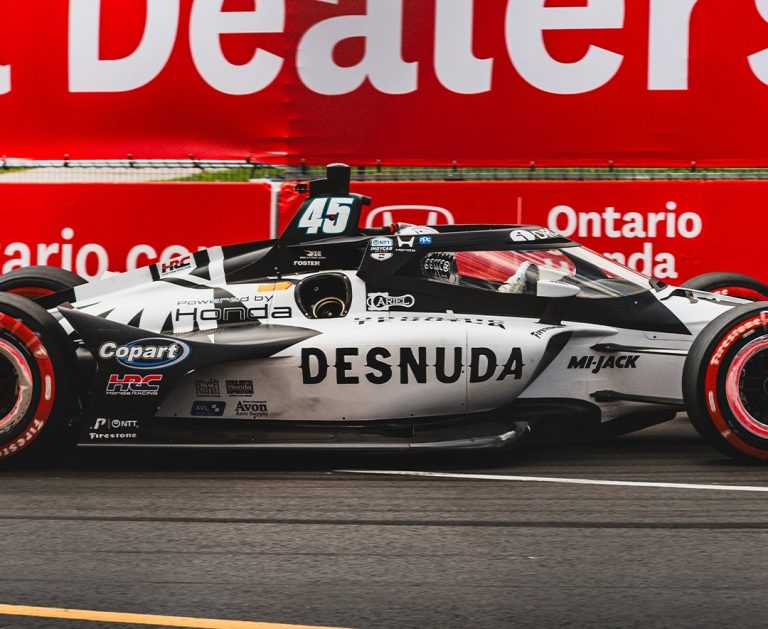
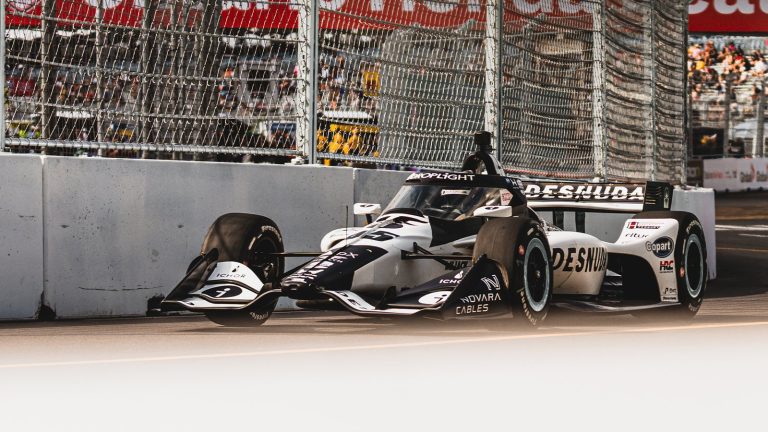
The IndyCar “silly season” gained a new ingredient this week following reports linking Yuki Tsunoda to discussions with Meyer Shank Racing for the 2027 season. However, the Japanese driver maintains reservations regarding the move, which remains a secondary option as he continues to evaluate the F1 market for 2027, GRANDE PRÊMIO has learned.
Tsunoda’s management team explored the IndyCar landscape in recent months, but encountered a major obstacle: the heavy financial backing required by teams. As previously reported by GRANDE PRÊMIO, the open seat at Meyer Shank Racing is being surveyed by drivers capable of bringing up to $15 million in sponsorship — a steep requirement for a team building toward the front of the grid.
Speaking during a press session attended by GRANDE PRÊMIO in Zandvoort on Thursday (20), Tsunoda acknowledged that he “does not intend to spend two years sitting in a garage” and confirmed conversations about a potential move to IndyCar, though he refrained from sharing details.
Mike Shank, co-owner of Meyer Shank Racing alongside Jim Meyer and Helio Castroneves, revealed last month that the team held a shortlist of 12 potential candidates. Among them were Tsunoda and Caio Collet, who recently admitted to GRANDE PRÊMIO‘s Sprint GP program that talks with the Pataskala-based squad ceased due to financial disagreements.
This selection process is driven as much by finances as by raw talent for Meyer Shank and other midfield outfits. The upcoming debut of the IR-28 chassis in 2028 will require teams to make substantial capital investments in new equipment, making driver-backed funding crucial for teams outside the top tier, despite Felix Rosenqvist’s victory at the Indianapolis 500.
At present, Mick Schumacher has emerged as a leading candidate for the MSR drive, having reportedly gathered the necessary backing to secure a landing spot in IndyCar as he is unlikely to remain at RLL.
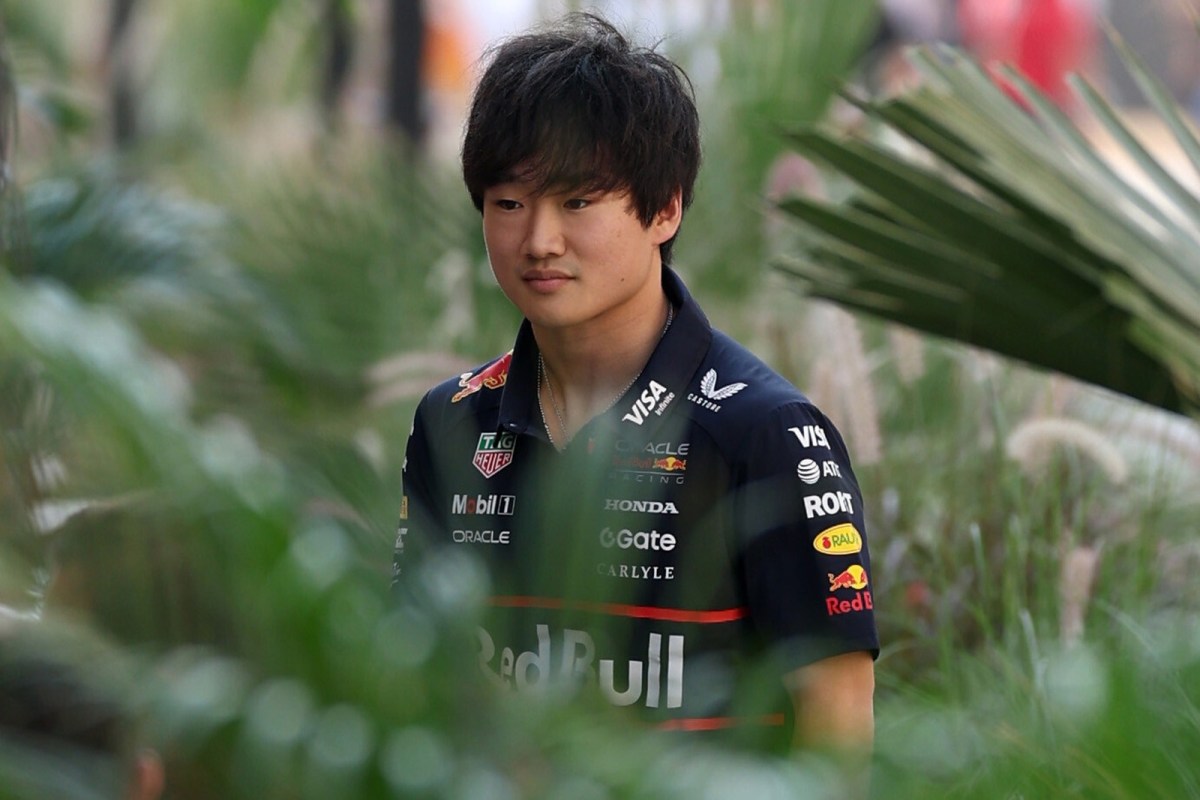
Timing also works against Tsunoda — a recurring issue for drivers transitioning from European racing. With the IndyCar season drawing to a close, most seats are already locked in or in final negotiations, unable to wait for Tsunoda’s F1 situation to clarify. That picture has become even more dynamic this weekend, as Tsunoda steps back into a race seat for the Dutch GP with Racing Bulls, filling the vacancy left by Liam Lawson’s temporary promotion to Red Bull.
Although Tsunoda maintains strong ties with Honda, the manufacturer is unlikely to finance his full transition to IndyCar. Honda is directing significant resources toward aligning its own charter entry for 2028, which is slated to be operated by MSR with full in-house engineering rather than through its current technical partnership with Chip Ganassi Racing.
Formula 1 returns this weekend, from August 21 to 23, for the Dutch Grand Prix — the 12th round of the 2026 season. GRANDE PRÊMIO covers all the track action live from Zandvoort with reporter Leonid Kliuev. Follow all the paddock updates on our news page.
Session schedule: Dutch Grand Prix 2026
| Session | Local time (CEST) | UTC |
| Free Practice 1 | Friday, August 21 – 12:30 | 10:30 |
| Free Practice 2 | Friday, August 21 – 16:00 | 14:00 |
| Free Practice 3 | Saturday, August 22 – 11:30 | 09:30 |
| Qualifying | Saturday, August 22 – 15:00 | 13:00 |
| Race | Sunday, August 23 – 15:00 | 13:00 |
Broadcast guide: Where to watch in the United States
- United States (Eastern Time / ET)
- Broadcaster: Apple TV
- Free Practice 1: Friday, August 21 – 06:30 ET
- Free Practice 2: Friday, August 21 – 10:00 ET
- Free Practice 3: Saturday, August 22 – 05:30 ET
- Qualifying: Saturday, August 22 – 09:00 ET
- Race: Sunday, August 23 – 09:00 ET
Frequently asked questions (FAQ)
1. Why is Yuki Tsunoda driving for Racing Bulls at the 2026 Dutch Grand Prix?
Yuki Tsunoda was called up by Racing Bulls to fill the seat vacated by Liam Lawson, who moved to Red Bull Racing for Zandvoort to substitute for the injured Isack Hadjar.
2. Which IndyCar team has held talks with Yuki Tsunoda’s management?
Yuki Tsunoda’s management explored opportunities with Meyer Shank Racing regarding a potential drive for the 2027 season.
3. What is the main barrier preventing Tsunoda from finalizing an IndyCar move?
The primary hurdles are financial requirements — with MSR seeking up to $15 million in driver-backed sponsorship — and the mismatch between IndyCar’s early driver market timeline and F1’s late-season decision cycle.