News Summary
- IndyCar has scheduled the IR-28’s first test outside Indianapolis for October 12–13 at Sebring.
- Five-time champion Álex Palou is assigned to Monday’s running, with 2016 Indianapolis 500 winner Alexander Rossi taking over Tuesday.
- The test will focus on chassis behaviour over bumps and different surfaces ahead of the car’s competitive debut in 2028.
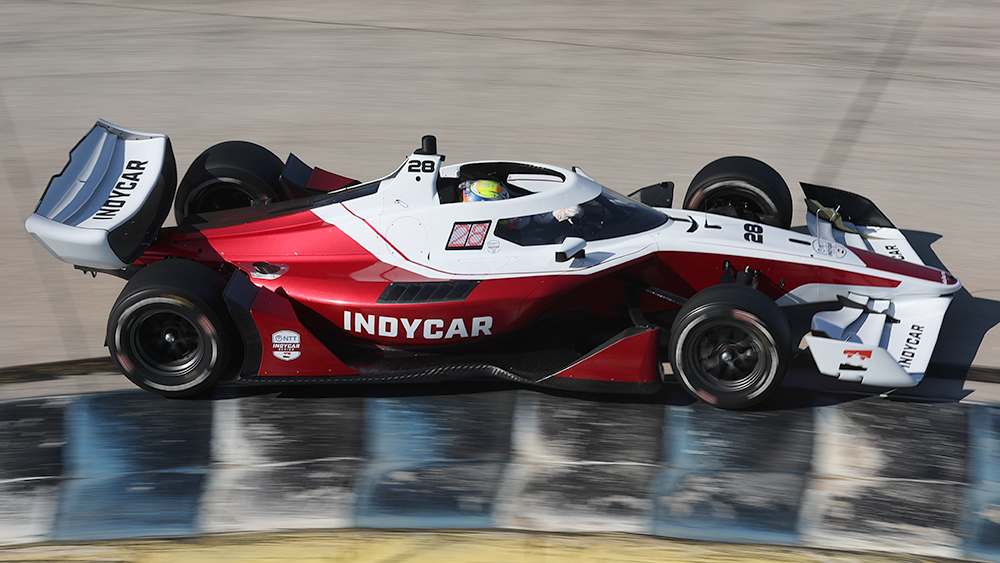
IndyCar has moved the development programme for its 2028 Dallara IR-28 chassis to Sebring International Raceway, marking the first time the next-generation car has been scheduled to run outside Indianapolis Motor Speedway.
The two-day test, scheduled for Monday and Tuesday, October 12–13, represents another stage in the series’ preparations to replace the DW12, which has formed the foundation of IndyCar competition since 2012.
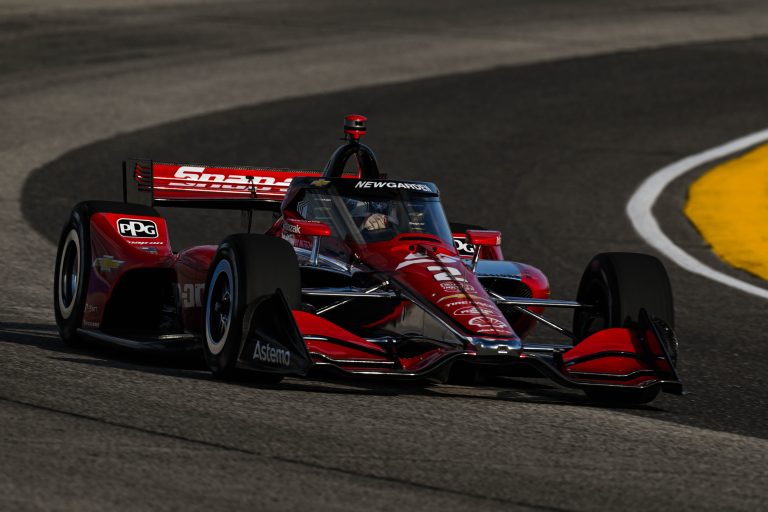
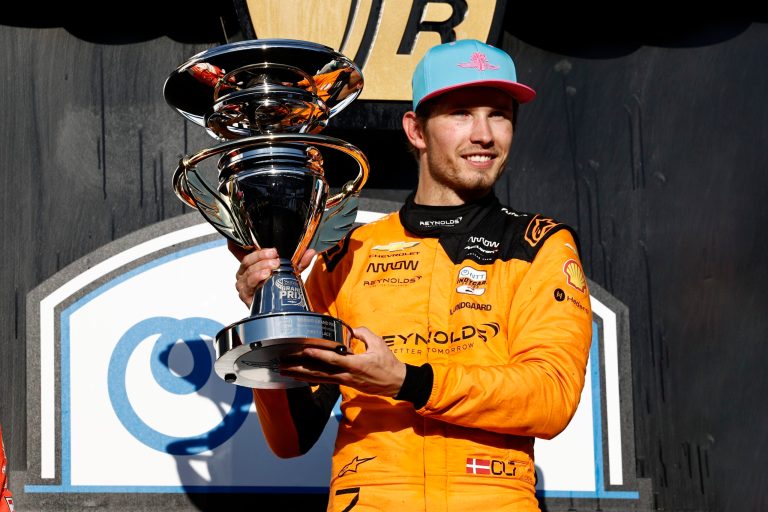
Five-time IndyCar champion Álex Palou, representing Honda and Chip Ganassi Racing, was assigned to Monday’s session. Alexander Rossi, representing Chevrolet and Ed Carpenter Racing, is scheduled to take over driving duties on Tuesday.
The programme follows successful validation sessions on both the Indianapolis road course and the 2.5-mile oval earlier this year.
Why IndyCar chose Sebring for the IR-28 test
Sebring offers a different environment from the circuits used during the IR-28’s initial development.
The Florida venue is particularly well known for its uneven surface, combining asphalt and concrete sections with bumps that place significant demands on suspension systems and chassis stability.
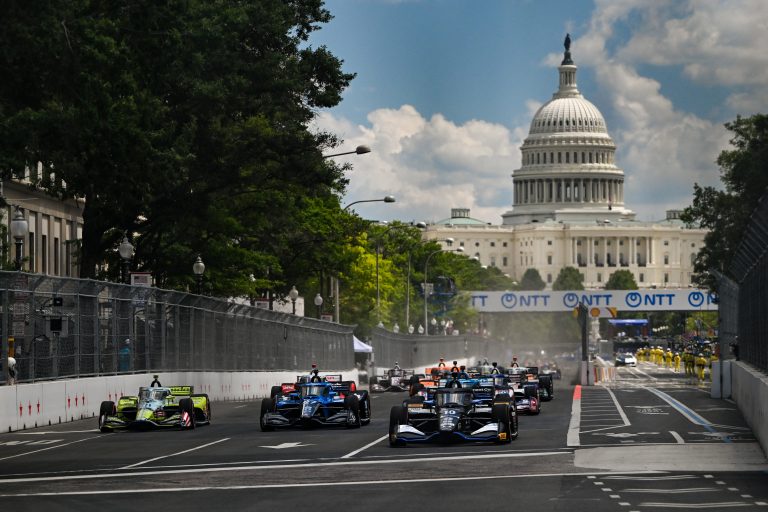
Those characteristics make Sebring a useful testing ground for the temporary street circuits on the IndyCar calendar, where drivers regularly encounter surface changes, braking bumps and limited room for error.
Engineers will be able to evaluate how the IR-28 responds to mechanical loads and setup adjustments in conditions that differ substantially from the smooth, purpose-built facilities at Indianapolis.
The programme is intended to generate development information rather than establish outright performance records.
IndyCar and chassis manufacturer Dallara have emphasised that the early tests are focused on understanding the car’s characteristics before teams begin preparing for its competition debut.
Palou and Rossi continue development duties
IndyCar selected Palou and Rossi to represent its two engine manufacturers during the initial validation programme.
Rossi completed the IR-28’s first official on-track test at the Indianapolis road course in August before returning for the first oval session in September.
Palou subsequently took part in the Indianapolis testing programme, providing feedback from Honda’s perspective.
The two drivers bring different experience to the development process.
Palou is a five-time IndyCar champion and the 2025 Indianapolis 500 winner, while Rossi won the 100th running of the Indianapolis 500 in 2016.
Their involvement allows IndyCar to collect feedback from experienced competitors familiar with road courses, street circuits and high-speed ovals.
The latest test follows Rossi’s first oval running with the new IR-28 at Indianapolis, which provided engineers with data on the car’s aerodynamic and mechanical behaviour at superspeedway speeds.
What changes with IndyCar’s new 2028 chassis?
The IR-28 represents the most substantial overhaul of IndyCar’s technical platform in more than a decade.
Developed by Dallara, the new car has been designed with revised aerodynamics, improved safety structures and a lighter overall package.
One of its most significant changes is the integration of the aeroscreen into the chassis design rather than adapting the protective structure to an existing cockpit.
The car will also feature revised side-impact protection, improved driver cooling and greater cockpit space.
IndyCar has placed particular emphasis on reducing the aerodynamic disturbance experienced by cars running closely behind competitors.
The objective is to improve overtaking opportunities while maintaining the high speeds traditionally associated with the championship.
The new chassis is also intended to accommodate 2.4-litre twin-turbocharged V6 hybrid power units, replacing the current 2.2-litre engine formula.
Early validation tests have used development power units while the complete 2028 technical package continues to evolve.
The full specifications were presented when IndyCar unveiled its next-generation car for the 2028 season.
Firestone also conducts tyre development at Sebring
The Sebring programme includes additional testing with current-generation IndyCar machinery.
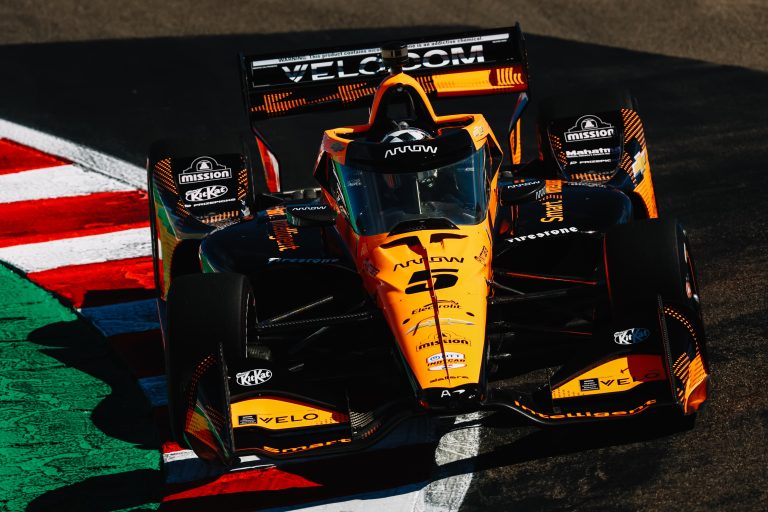
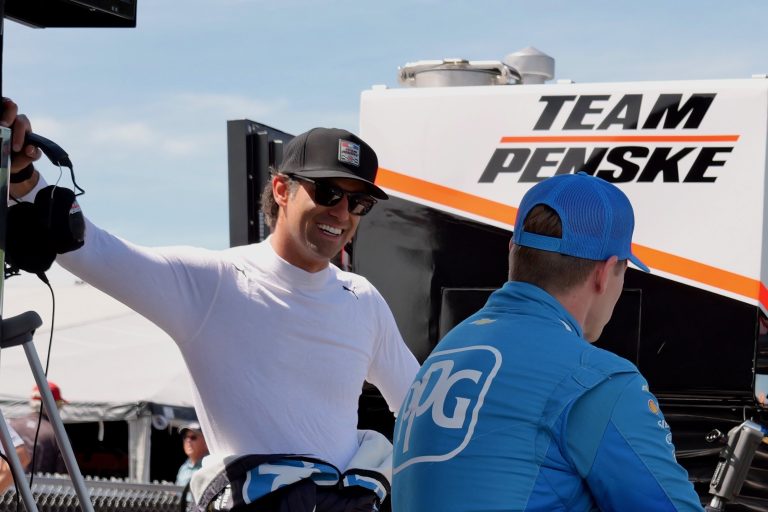
Kyle Kirkwood, representing Andretti Global, and Scott McLaughlin, from Team Penske, have been assigned to conduct tyre testing for Firestone.
Their work is separate from the IR-28 chassis validation programme, although both activities form part of IndyCar’s wider technical development efforts.
Firestone will continue playing an important role as the series prepares for the transition to its new car, with tyre construction and performance requirements influenced by changes in vehicle weight, aerodynamics and suspension characteristics.
When will the IR-28 race in IndyCar?
The new Dallara IR-28 is scheduled to make its competition debut at the beginning of the 2028 IndyCar season.
The existing DW12-based platform will remain in use throughout 2027, giving IndyCar, Dallara, Chevrolet, Honda and Firestone additional time to complete development and validation.
The Sebring test is part of that programme, following the first road-course running in August and oval testing in September.
Further testing will be required before the new car is delivered to teams for race preparation.
The latest developments in the championship are available in the IndyCar section of GRANDE PRÊMIO.