News Summary
- Davide Tardozzi denies Ducati has developed its 2026 MotoGP bike around Marc Márquez, dismissing the claims as unfounded.
- The Ducati manager says Bagnaia has used different fairings and aerodynamic components from his team-mate.
- Márquez remains Ducati’s leading championship contender, just two points behind Jorge Martín, while Bagnaia continues to struggle.
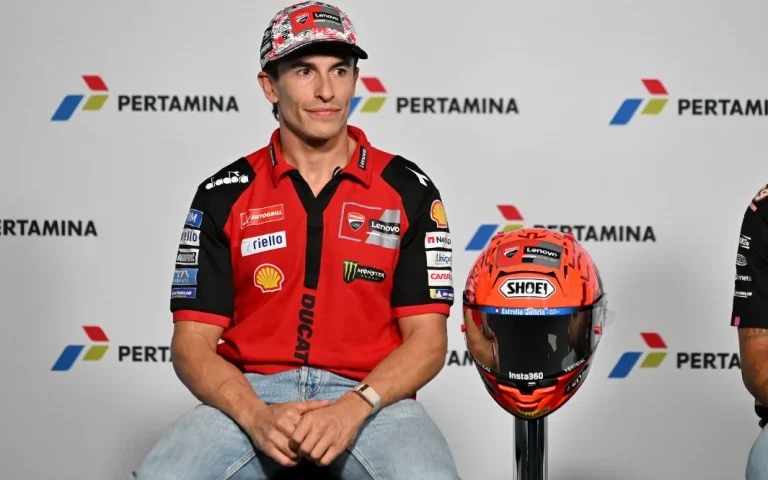
Ducati team manager Davide Tardozzi has firmly denied that the manufacturer’s MotoGP development programme has been designed specifically around Marc Márquez, rejecting suggestions that the Spaniard’s riding style has dictated the direction of the Desmosedici GP26.
The controversy has intensified during a difficult season for Ducati, with Márquez remaining the manufacturer’s only rider capable of consistently challenging Aprilia’s Jorge Martín and Marco Bezzecchi.
Following the Indonesian Grand Prix, Márquez sits second in the championship, just two points behind Martín, while Francesco Bagnaia has struggled to reproduce the performances that made him a two-time MotoGP world champion.
The difference between Ducati’s leading riders has prompted questions about whether the GP26 has evolved towards Márquez’s preferences at the expense of Bagnaia and the manufacturer’s other competitors.
Speaking to Moto.it at Mandalika, Tardozzi rejected that interpretation.
“I don’t believe it, and I’m totally against those who claim Marc Márquez has steered development towards his own needs,” Tardozzi said.
“It’s absolutely not true that Márquez has had a bike built specifically for him. That’s just bar-room talk.”
Tardozzi explains why Ducati’s MotoGP bike is not built for Márquez
Tardozzi argued that Ducati has continued developing components for different riders rather than following a single technical direction based on Márquez’s feedback.
According to the team manager, the manufacturer has provided its competitors with different aerodynamic and chassis configurations, allowing them to select the components that best suit their riding styles.
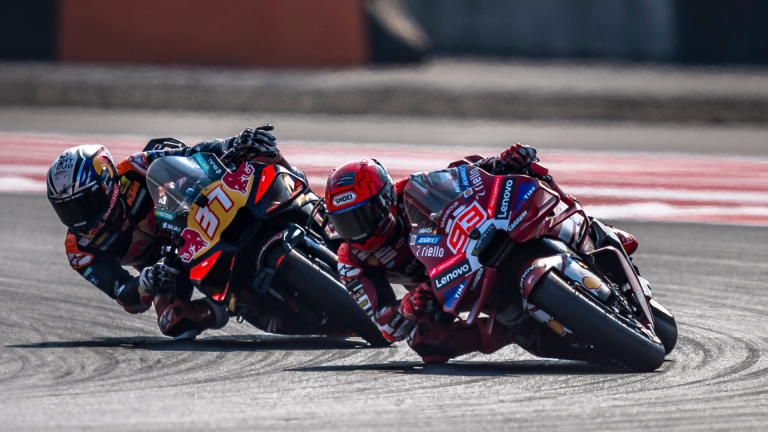
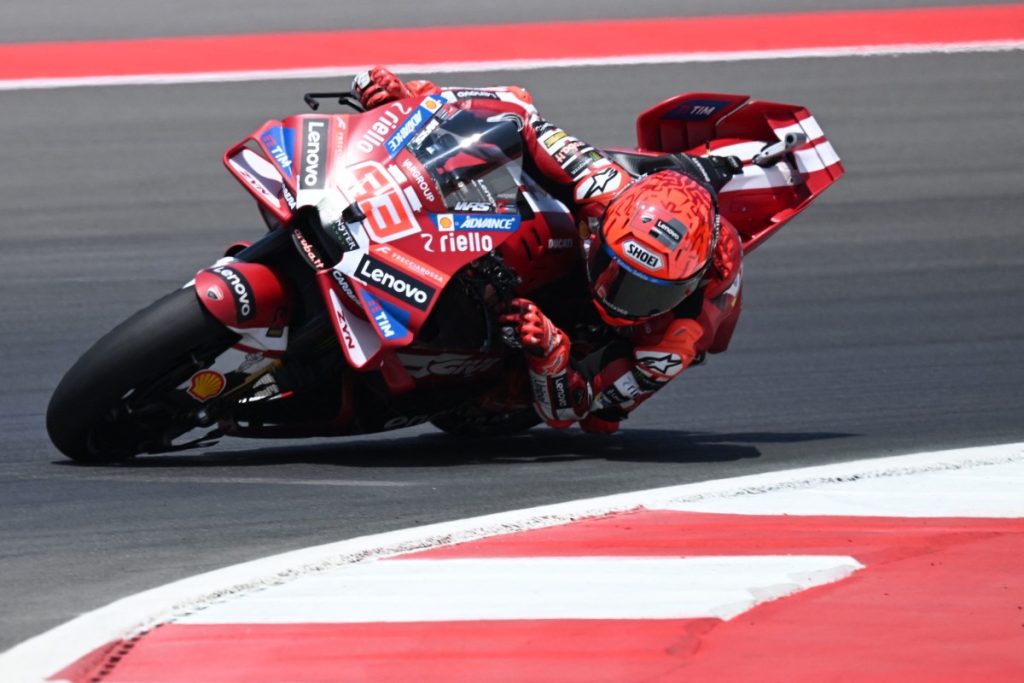
Bagnaia’s motorcycle is not identical in specification to Márquez’s, despite both riders competing for the factory Ducati team.
“Pecco has a different fairing from Marc, and for a long time he used a different aerodynamic configuration on the swingarm,” Tardozzi explained.
The Italian also emphasised that the development programme extends beyond the factory garage.
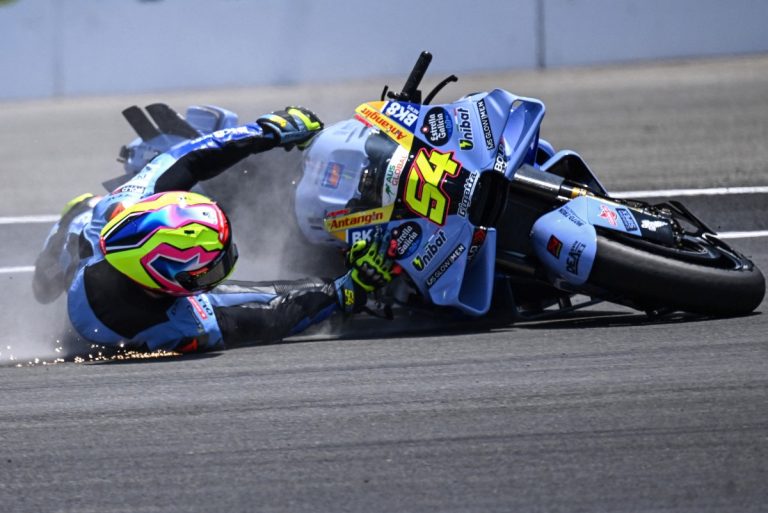
“Each of our factory riders, including Diggia and Álex, has the opportunity to choose the components they prefer,” he added, referring to Fabio Di Giannantonio and Álex Márquez.
The manager maintained that Ducati’s engineers have worked to accommodate individual requirements, rather than developing the entire motorcycle around one rider.
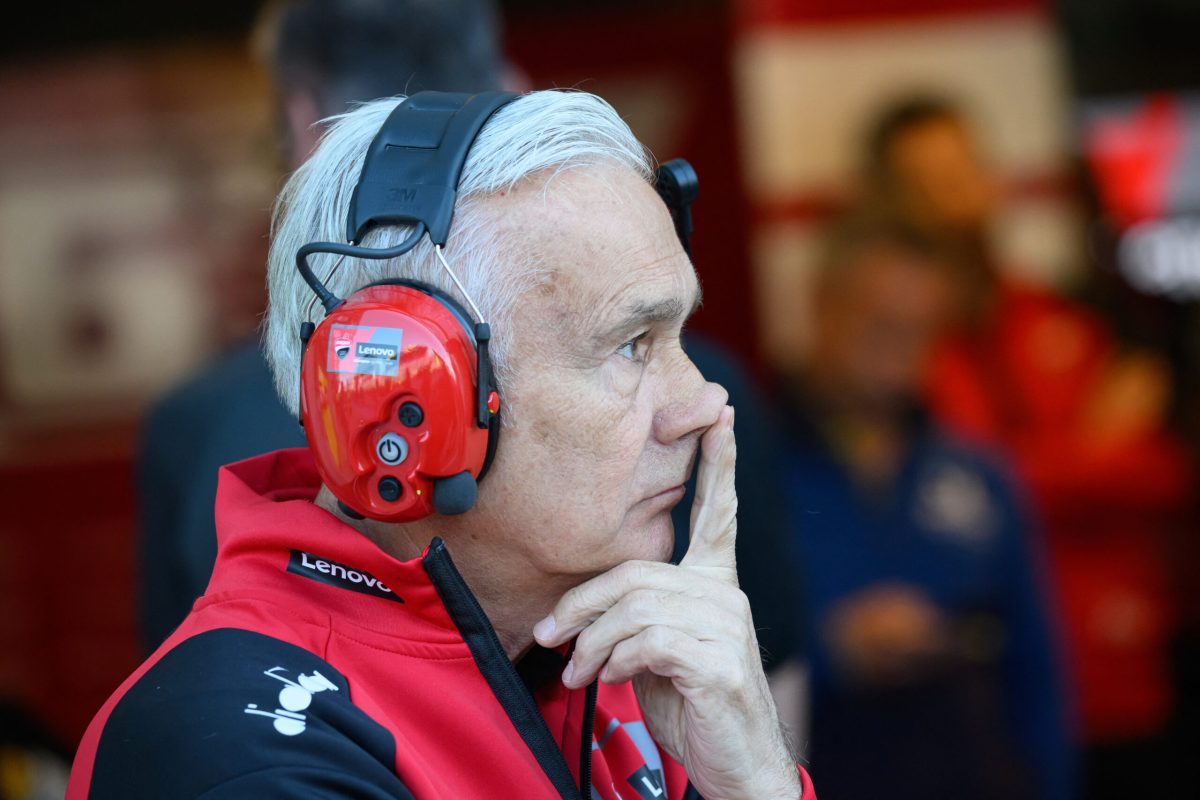
Bagnaia’s struggles fuel Ducati development controversy
The discussion comes amid one of the most difficult periods of Bagnaia’s MotoGP career.
The Italian has struggled with confidence, grip and consistency on the GP26, frequently finding himself unable to match Márquez’s pace.
His difficulties became particularly evident as Ducati’s competitive position weakened against Aprilia during the second half of the season.
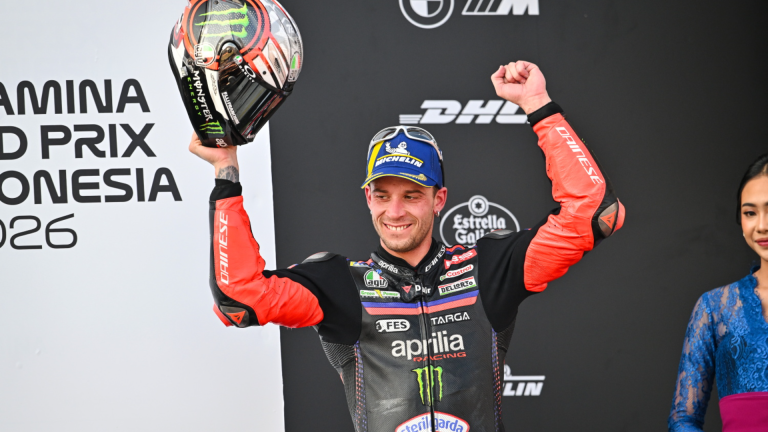
At Mandalika, Márquez finished sixth as Ducati’s leading rider, while Aprilia occupied the first four positions with Bezzecchi, Raúl Fernández, Martín and Ai Ogura.
The result reinforced concerns about Ducati’s overall competitiveness and increased scrutiny of the development direction followed by the Italian manufacturer.
Márquez has remained in the championship fight through his consistency and ability to extract results even when the Desmosedici is not the strongest motorcycle.
Bagnaia, by contrast, has been unable to reproduce the same level of performance, despite receiving factory support and access to different technical solutions.
Tardozzi acknowledged that certain developments had not produced the expected improvements for the Italian, but rejected the suggestion that this was because Ducati had deliberately prioritised Márquez.
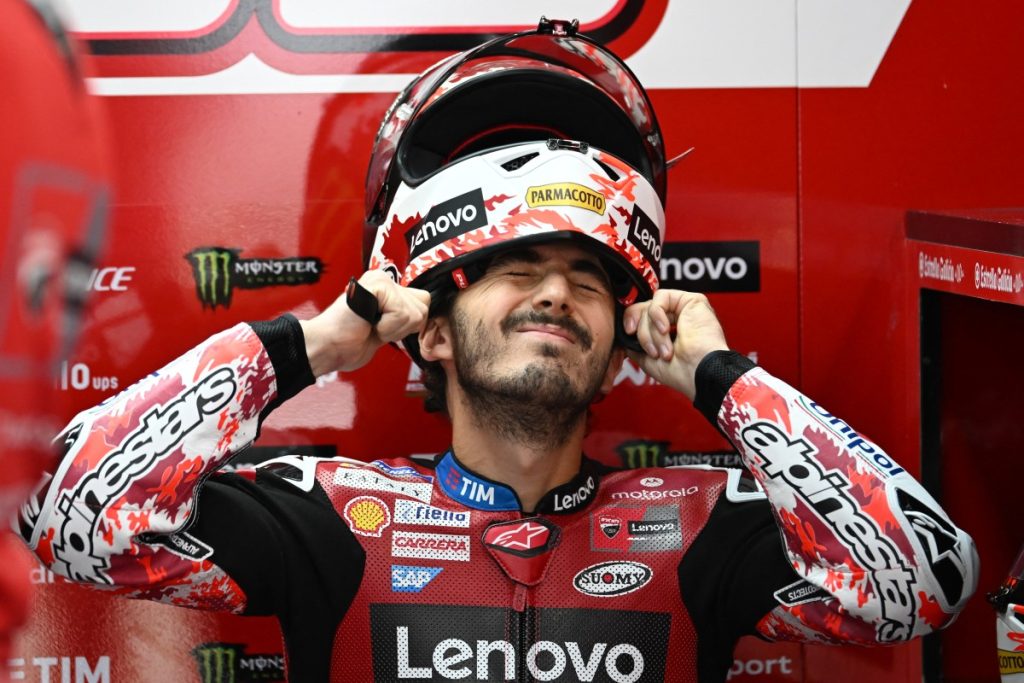
Ducati faces growing pressure from Aprilia
Ducati’s technical situation has become more difficult as Aprilia has emerged as the strongest manufacturer during several recent rounds.
The Noale-based company achieved an unprecedented sweep of the first four positions at the Indonesian Grand Prix, demonstrating the competitiveness of its RS-GP26 across both factory and satellite teams.
The result allowed Martín to reclaim the championship lead by two points, while Márquez remained firmly in contention despite Ducati’s difficulties.
Aprilia is also considering introducing team orders during the final rounds, potentially creating an additional obstacle for the reigning champion.
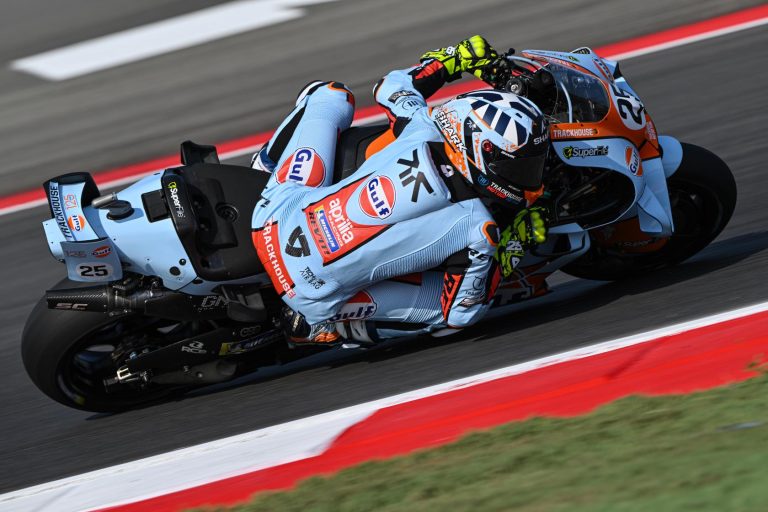
The manufacturer’s dilemma involves Bezzecchi, who remains mathematically in contention, and the Trackhouse riders who could influence the championship battle.
For Ducati, the immediate priority remains improving the GP26 sufficiently to allow Márquez to challenge the strongest Aprilias during the remaining five rounds.
Márquez remains Ducati’s main championship contender
Márquez has continued to deliver competitive results despite the manufacturer’s recent difficulties.
The Spaniard won the Indonesian sprint, temporarily moving ahead of Martín in the championship before Sunday’s race restored the Aprilia rider’s two-point advantage.
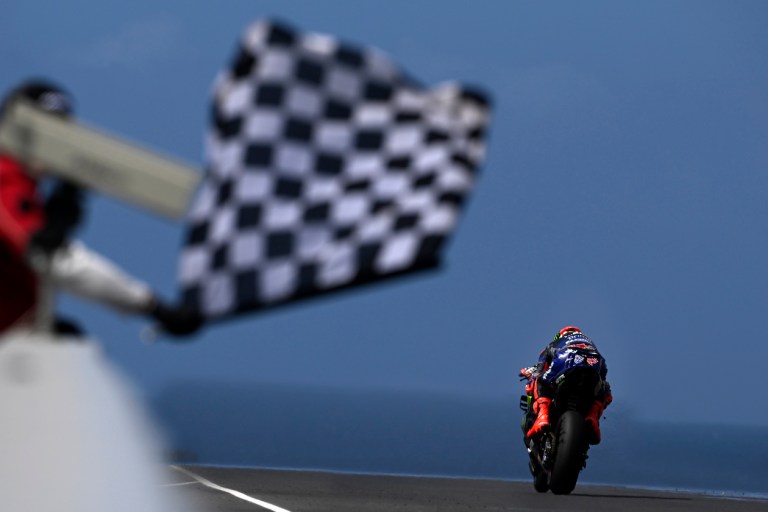
The Ducati rider now faces the Australian Grand Prix at Phillip Island, where the circuit’s high-speed corners and demanding tyre conditions will provide another test of the GP26.
The mathematical scenarios for Márquez to regain the championship lead in Australia show that he needs to outscore Martín by at least three points across the weekend.
Ducati’s next opportunity to assess its development direction comes during the Australian Grand Prix on October 23–25, with the full Phillip Island MotoGP schedule and international start times available on GRANDE PRÊMIO.