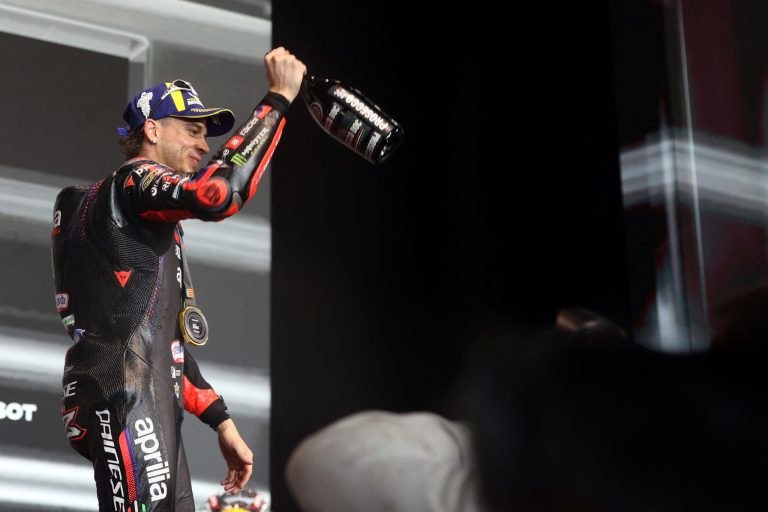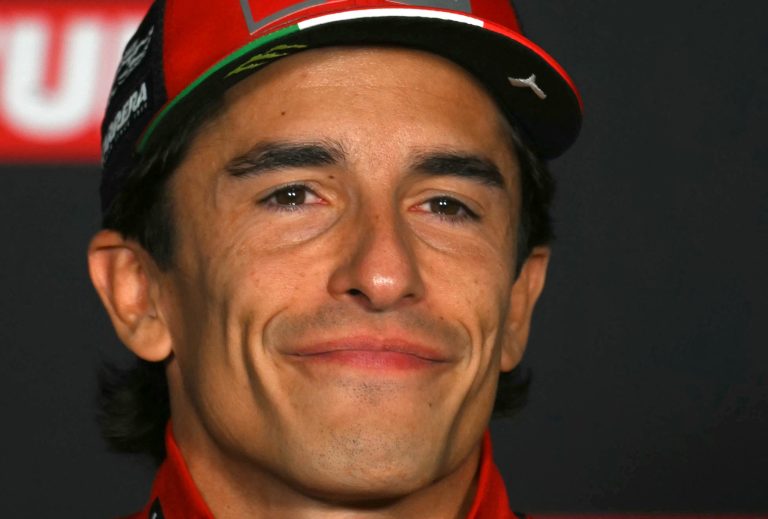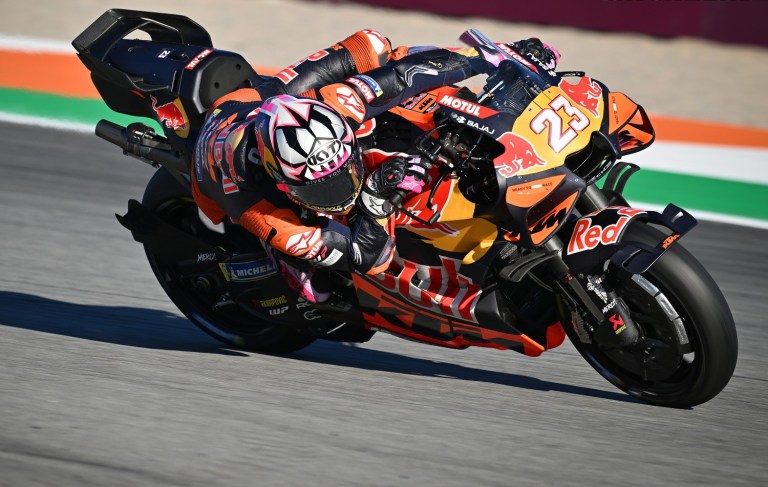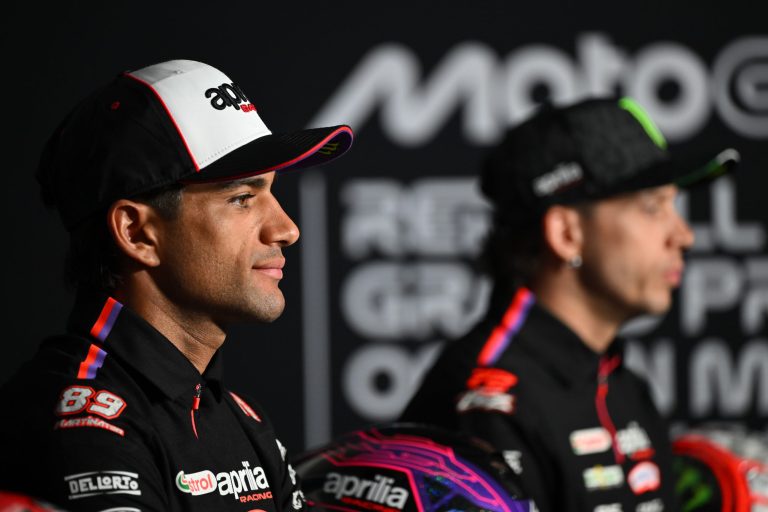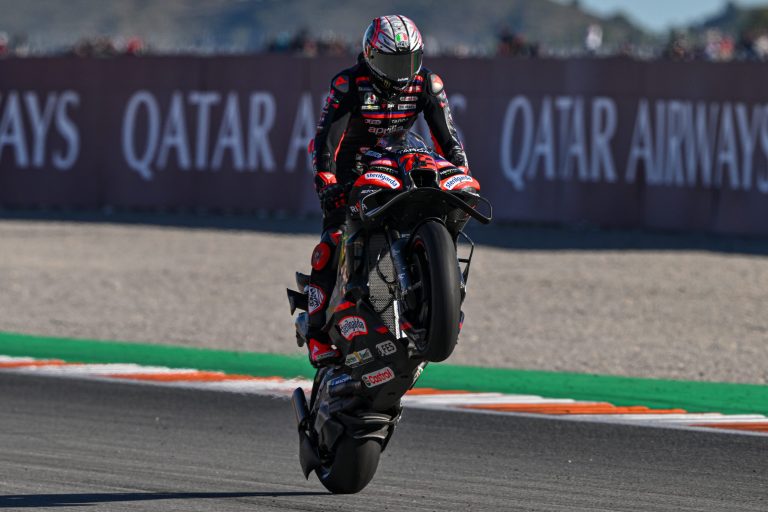
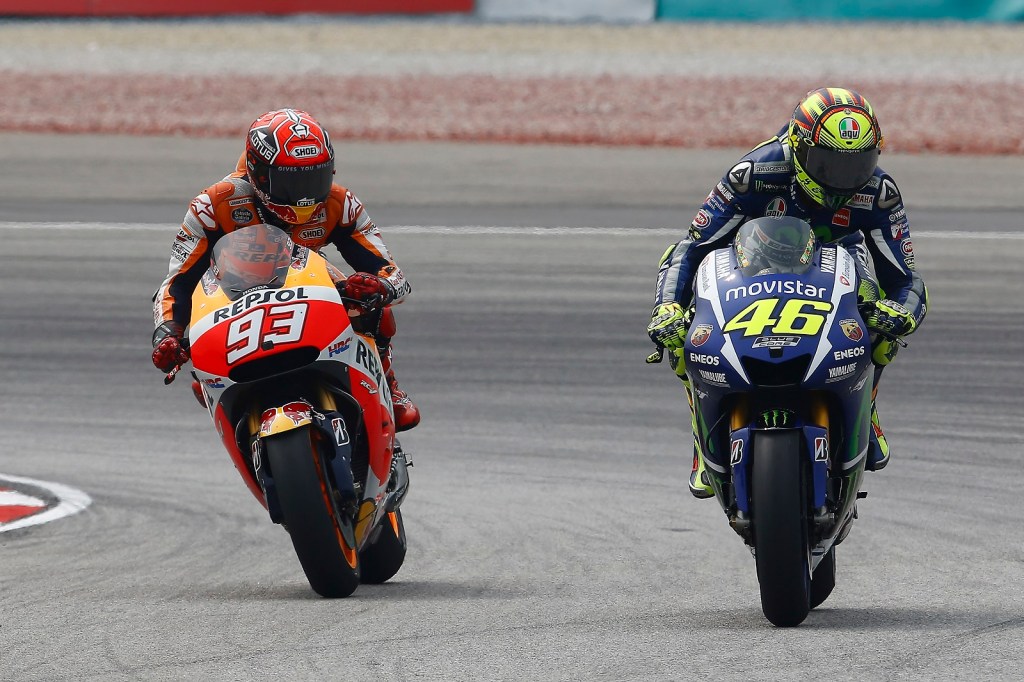
- Valentino Rossi and Marc Márquez established identities that transcended their sporting results.
- MotoGP’s next technical era could produce several different competitive relationships.
- The emergence of genuine rivalries will depend on competition rather than promotional campaigns alone.
For decades, MotoGP’s most recognisable sporting personalities have been inseparable from its championship battles. Valentino Rossi’s number 46 and Marc Márquez’s number 93 became symbols recognised even beyond motorcycle racing.
The departure of Márquez does not necessarily end MotoGP’s personality-driven appeal. It changes the stories available to the championship.
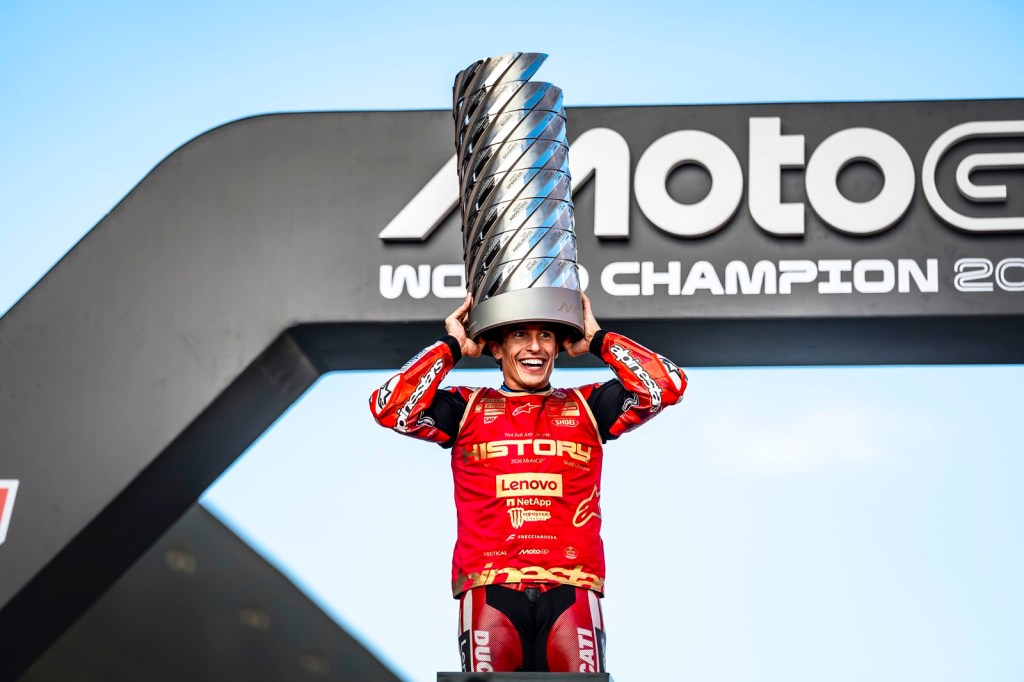
The reigning champion’s recovery from serious injuries, move to Ducati and return to championship-winning form gave the sport an exceptionally accessible narrative. His retirement creates an opportunity to reconsider how MotoGP presents its competitors to a wider audience.
From one dominant champion to several protagonists
A consistently successful champion can provide a sporting reference against which other competitors are measured. An unpredictable championship can instead make several riders important simultaneously.
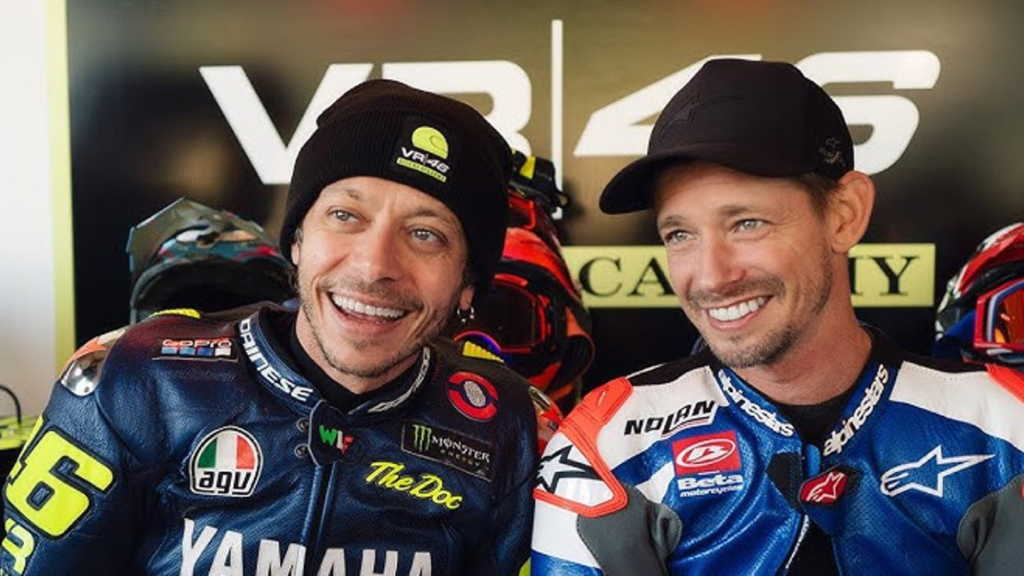
MotoGP has experienced both types of competitive environment throughout its history. Rossi’s era was shaped not only by his victories but also by his rivalries with Max Biaggi, Sete Gibernau, Casey Stoner and Jorge Lorenzo. Márquez subsequently established a different identity through his own competitive relationships.
The transition beyond Rossi, Stoner and Márquez does not require the next generation to reproduce those same personalities.
A technical reset creates new stories
The introduction of 850cc motorcycles in 2027 will provide manufacturers and riders with substantially different challenges. Pedro Acosta’s move to Ducati and Francesco Bagnaia’s arrival at Aprilia could create new competitive relationships.
The development of Honda, Yamaha and KTM may also provide opportunities for established and emerging riders. None of these possibilities guarantees a particular competitive hierarchy.
The attraction of the new era will depend partly on whether spectators understand its sporting stakes and develop lasting connections with the people involved.
Authenticity remains essential
Promotional storytelling cannot substitute for competition. Forcing comparisons with Rossi or Márquez risks obscuring the individual achievements of the championship’s next generation.
Profiles, interviews, technical explanations and coverage of genuine rivalries can introduce audiences to riders on their own terms. MotoGP’s ability to establish those relationships will be tested over a complete season rather than at one farewell event.
FAQ
Does Márquez’s retirement end MotoGP’s superstar era?
It ends a familiar chapter, but new sporting identities can develop.
What changes in MotoGP in 2027?
New technical regulations, including 850cc engines and Pirelli tyres.
Does MotoGP need another dominant champion?
Not necessarily. Several compelling competitors can also sustain audience interest.