IndyCar machinery has always been notoriously physical to drive due to the absence of power steering. However, there is a possibility that the upcoming IR-28 could feature the system. For Felix Rosenqvist, reigning Indianapolis 500 winner, the change would mark an important step forward in driver safety by preventing hand injuries—a recurring issue in the series.
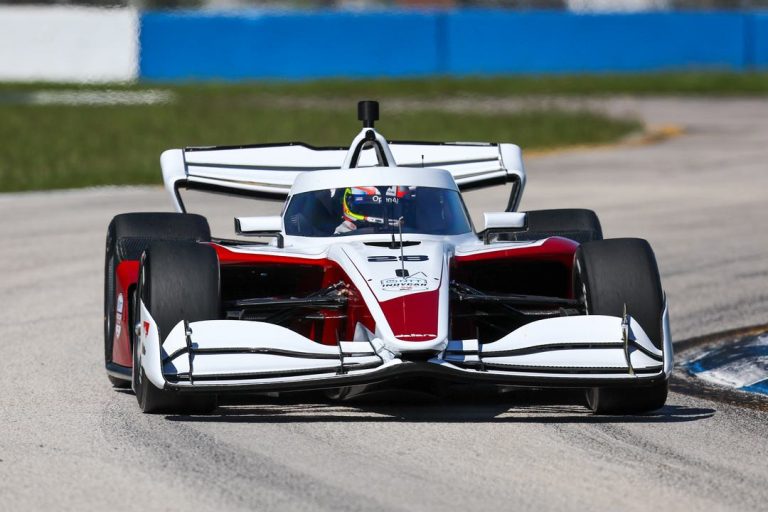
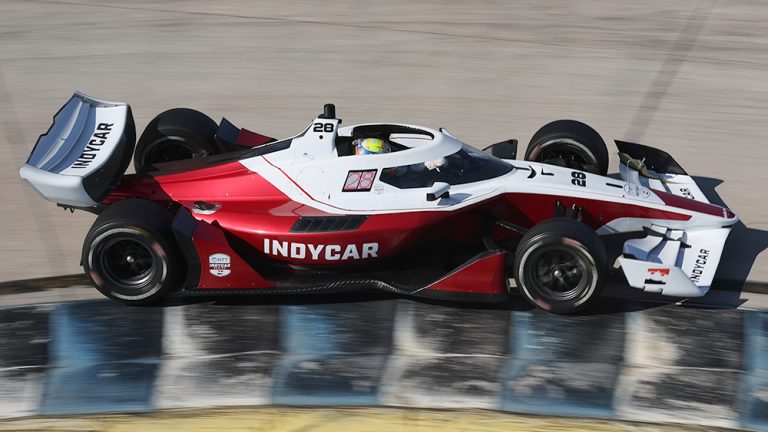
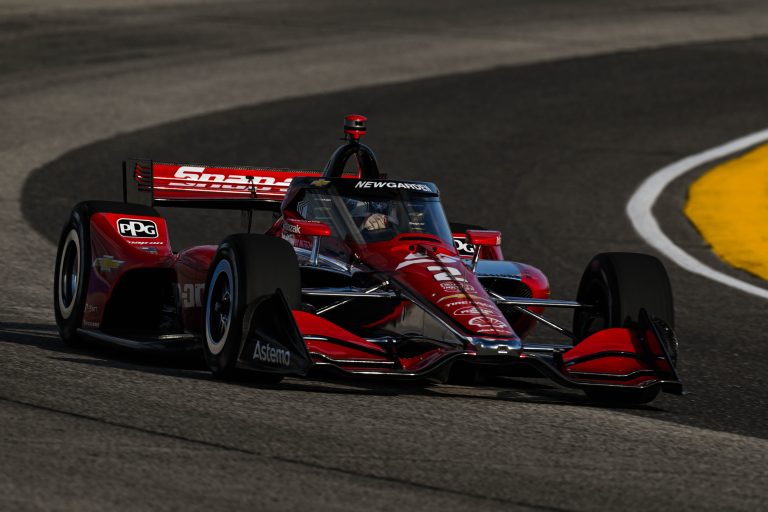
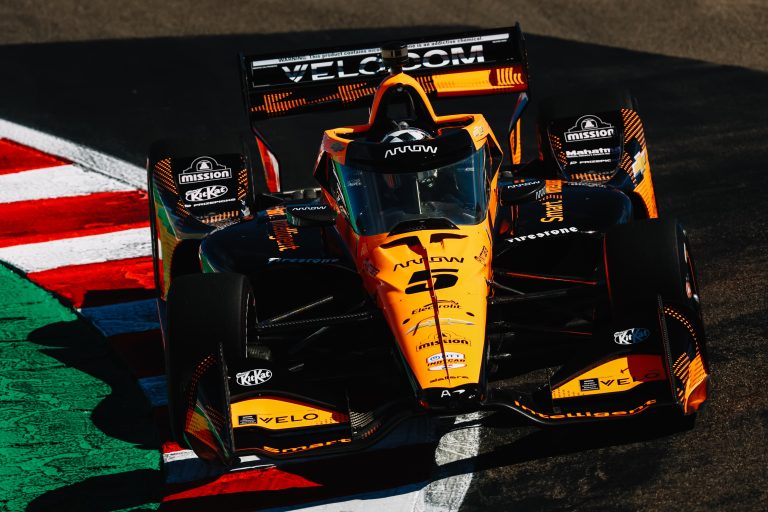
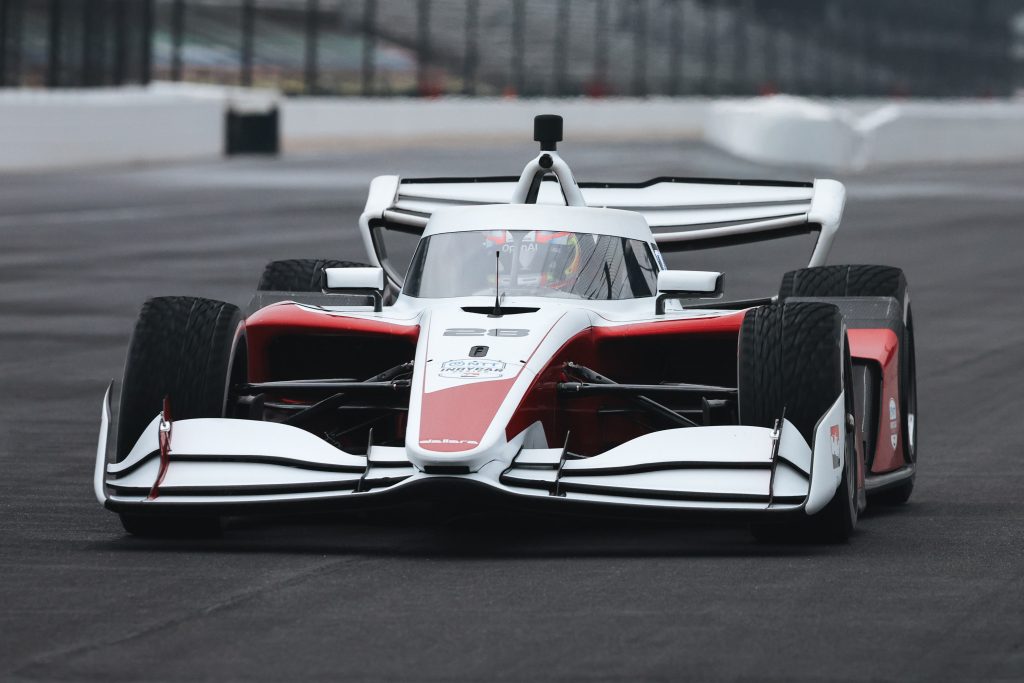
Last weekend, the IR-28 hit the track for the first time. Alexander Rossi and Álex Palou were tasked with shaking down the new car on the Indianapolis Motor Speedway road course. However, inclement weather disrupted the schedule: due to rain on both days, IndyCar was forced to schedule a follow-up test on Tuesday (August 4) featuring the four-time champion.
Among the main updates on the new model are redesigned front and rear wings optimized to blend aesthetics with efficiency across various track layouts, alongside a chassis roughly 45 kg lighter and more aerodynamic. It has been engineered to enhance wheel-to-wheel racing and pursue new track records—targeting the historic benchmarks set by Arie Luyendyk, who holds the fastest qualifying lap and four-lap average speed records at the Indy 500, established in 1996.
In addition, the introduction of power steering is currently under discussion. Rosenqvist admitted that steering heaviness is the primary hurdle for rookies and remains difficult to train for, though he acknowledged it is deeply rooted in IndyCar’s DNA.
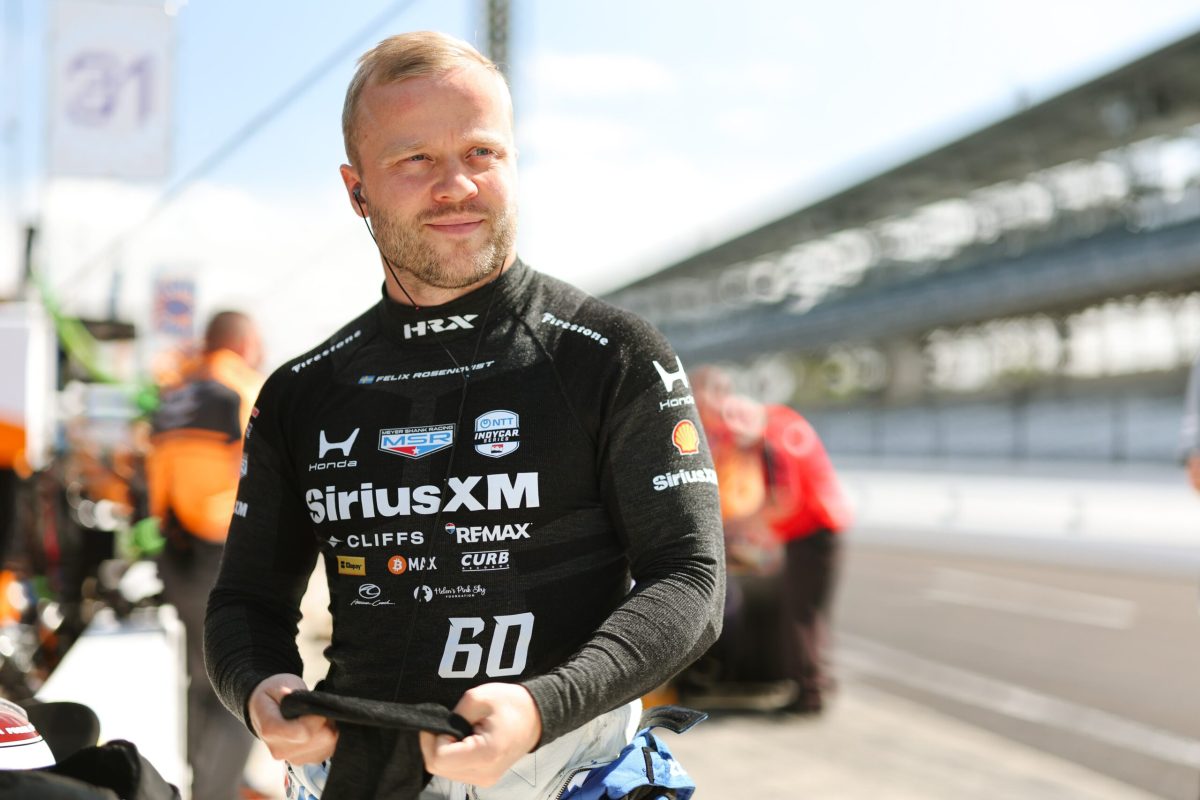
“It’s hard to prepare yourself to drive without power steering. That’s the tough part for rookies when they land in St. Pete—it’s always a brutal transition if you’re coming up from junior single-seaters. But it’s also part of the series’ DNA. It has always been a very physical car to drive, probably one of the most demanding on the body,” the 2026 Indy 500 winner began.
On the other hand, Rosenqvist stressed that introducing power steering would represent a key step forward for safety, given the high frequency of drivers breaking fingers, hands, or wrists. In fact, he revealed that he still suffers lingering discomfort from past injuries to those areas.
“Power steering would be great from a safety standpoint. There are so many cases of drivers breaking their hands, fingers, and wrists. I’ve been one of them. I’ve probably had two or three hand injuries in my career, and some of them still bother me to this day. If we can prevent that, it would be great,” he emphasized.
The Swede also suggested the possibility of an adjustable power steering system—similar to those used in other motorsport categories—while conceding that many IndyCar drivers would still advocate for a heavier steering feel. “If we could have progressive power steering that could be tuned from virtually zero assistance up to higher levels in stages, like in some other championships, that could be a positive move,” he noted.
“However, a lot of drivers would probably argue they want the steering to stay heavy. But there’s also the reality: how do you market that so fans actually understand how heavy it is? You can claim it’s the heaviest thing in the world, but I don’t think anyone watching on TV would buy it. They’d probably assume they could just jump in the car and turn the wheel themselves,” he highlighted.
“At what point is that physical demand worth the price paid in terms of injuries, or even the fact that some drivers physically can’t manage the car?” he concluded.
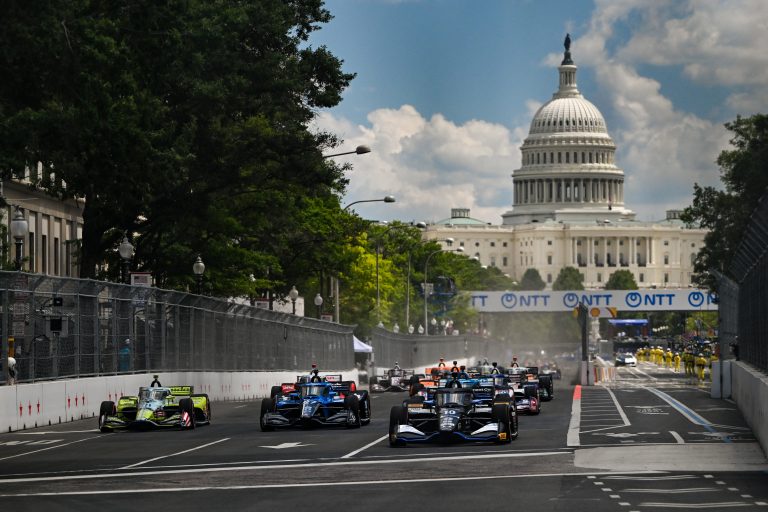
IndyCar is gearing up for a marathon stretch of six races in five weekends to wrap up the 2026 season. The first stop will be at Portland International Raceway in Oregon on August 9.