News Summary
- Dallara has manufactured six IR-28 monocoques, marking the beginning of production for IndyCar’s 2028 chassis.
- Chevrolet and Honda are expected to receive their first cars in November 2026.
- The manufacturers will begin integrating and testing their new 2.4-litre twin-turbo V6 hybrid engines ahead of the 2028 debut.
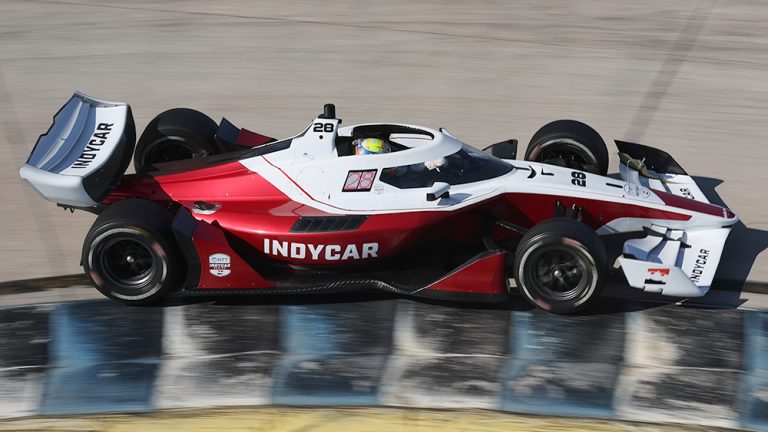
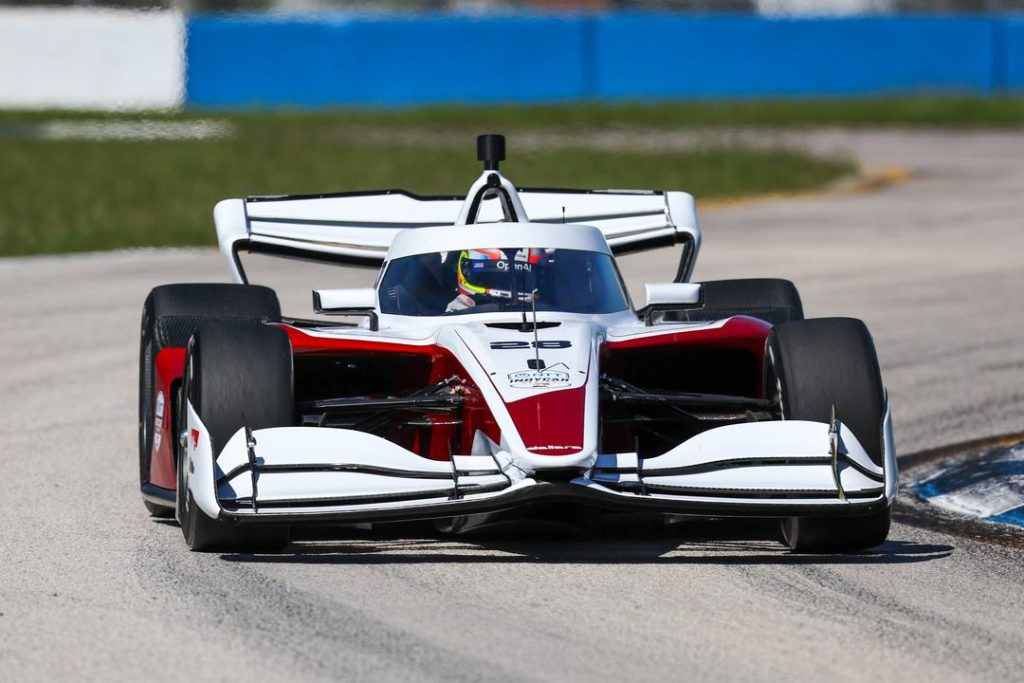
Dallara has begun manufacturing the first production chassis for IndyCar’s new IR-28, completing six monocoques as the championship prepares for its biggest technical transformation in more than a decade.
The development, revealed by RACER on Thursday, October 15, marks a significant milestone in the programme to replace the DW12-based car that has been used since 2012. With the first major structural components completed, attention is turning towards delivering development cars to Chevrolet and Honda.
The two engine manufacturers are expected to receive their initial IR-28 chassis in November, allowing them to begin preparations for the installation and validation of the new 2.4-litre twin-turbocharged V6 hybrid power units.
The programme has already progressed through tests at Indianapolis Motor Speedway and Sebring International Raceway, providing engineers with the information needed to approve the principal chassis structure for production.

Chevrolet and Honda prepare for first IR-28 deliveries
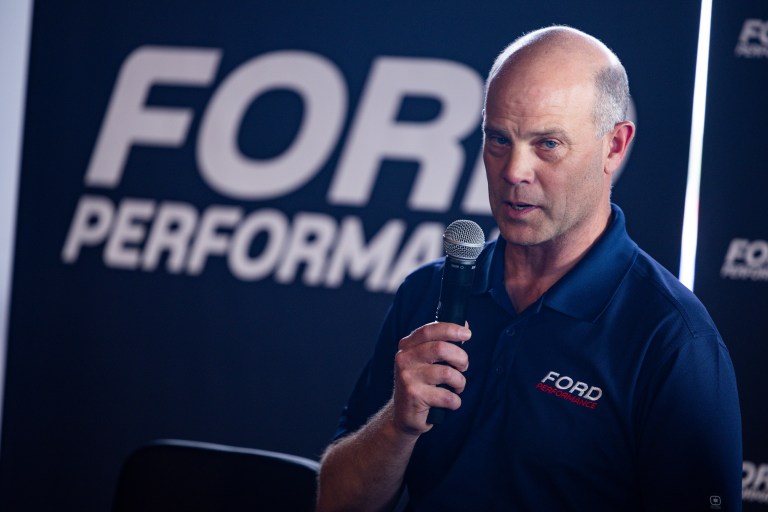
IndyCar vice-president of competition and race engineering Mike O’Gara confirmed that the two manufacturers are approaching an important stage in the development process.
“Honda and Chevy will be getting cars soon,” O’Gara told RACER.
The official explained that receiving the cars would allow the manufacturers to begin assembly, component installation and structural testing before their next on-track development sessions.
The first cars are not expected to run with the new manufacturer-specific engines until spring 2027, giving both organisations several months to prepare the equipment and complete additional validation.
O’Gara indicated that the teams would use the initial period for work including chassis assembly, body fitting, torsional stiffness measurements and seven-post rig testing.
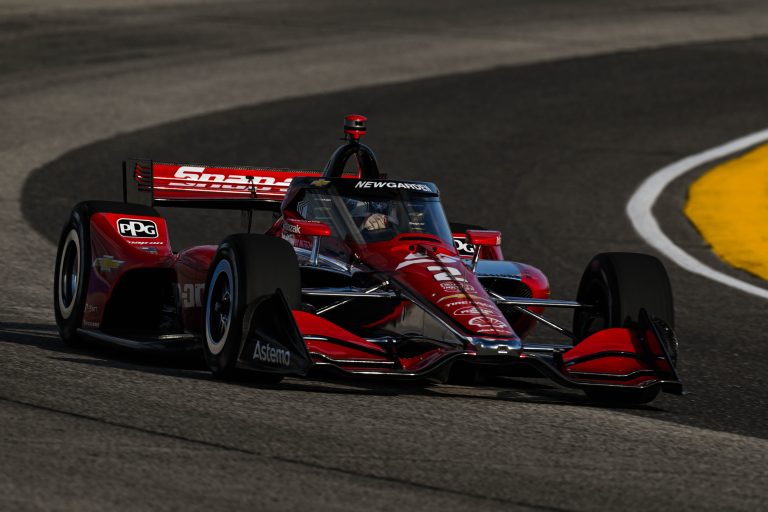
These procedures are particularly important because the IR-28 represents a complete redesign rather than another aerodynamic update to the existing DW12 platform.
IR-28 completes crucial Sebring testing
The beginning of production follows a successful two-day test at Sebring on October 12–13, when Álex Palou and Alexander Rossi evaluated the IR-28 on one of the most demanding surfaces used in American motorsport.
Sebring’s combination of asphalt, concrete and substantial bumps provided a different challenge from the smoother Indianapolis road course and oval.
As GRANDE PRÊMIO reported from the latest IR-28 development programme, the test was designed to examine how the new car responds to uneven surfaces and the demands associated with street circuits.
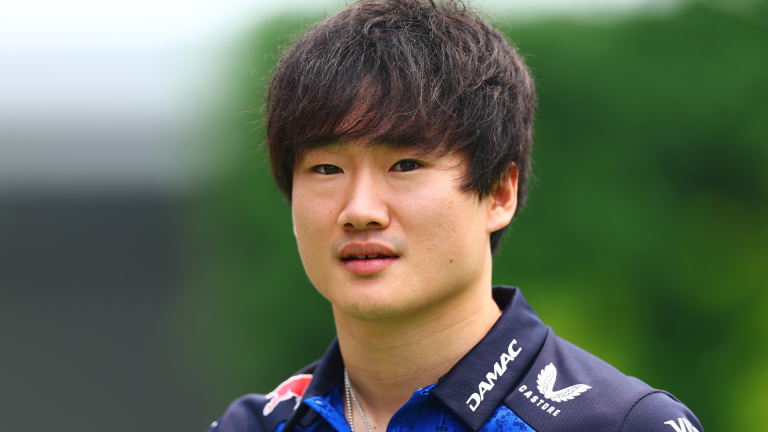
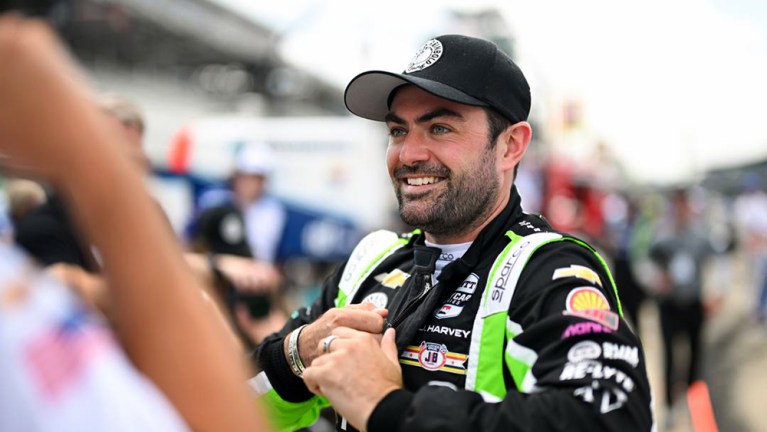
Palou represented Honda during the first day, while Rossi drove for Chevrolet on the second.
The sessions followed earlier running at Indianapolis, including the car’s first road-course tests and its initial oval evaluation.
Rossi had previously completed the IR-28’s first oval test at Indianapolis, helping Dallara assess aerodynamic stability and mechanical behaviour at higher speeds.
The results have allowed IndyCar to advance towards full production approval, although some smaller components remain subject to further refinement.
New IndyCar engine becomes the next major challenge
The IR-28 is being developed around a new generation of 2.4-litre twin-turbocharged V6 hybrid engines, replacing the current 2.2-litre power units.
Initial chassis testing has used an Ilmor-built development engine, allowing Dallara and IndyCar to evaluate the car before Chevrolet and Honda introduce their final 2028 specifications.
O’Gara acknowledged that the current test engine does not represent the performance that the manufacturers expect from the completed power units.
The next phase will therefore involve integrating the new engines with the chassis and ensuring that the complete package operates reliably under racing conditions.
IndyCar, Dallara and Firestone will continue supporting the manufacturers during that process.
The new car is also designed to be approximately 45kg lighter than the existing machine, with improved aerodynamics intended to reduce turbulence and make it easier for drivers to follow competitors.
Safety improvements include a redesigned cockpit, enhanced side-impact protection and an aeroscreen integrated into the chassis structure from the beginning of the design process.
The full package was detailed when IndyCar unveiled the IR-28 in July.
When will the IR-28 make its IndyCar debut?
The Dallara IR-28 is scheduled to enter competition at the beginning of the 2028 IndyCar season.
The current DW12 platform will remain in service throughout 2027, allowing teams and manufacturers to complete testing and prepare for the transition.
The next major development milestone is the delivery of the initial production chassis to Chevrolet and Honda, followed by the first tests using their new-generation power units.
GRANDE PRÊMIO will continue following the development programme and the championship’s technical transition through its IndyCar coverage.